
Introduction: Libya’s Agriculture Sector
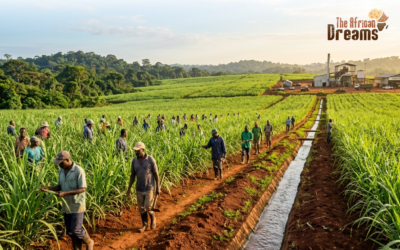
Libya’s agriculture sector plays an important role in supporting the country’s food supply and economy. However, the country still depends heavily on imports to meet its food needs. Limited rainfall, water shortages, extreme heat, and large areas of desert make farming challenging. Many farmers also continue to use traditional irrigation methods and older farming tools, which can limit productivity and lead to inefficient use of water and other resources.
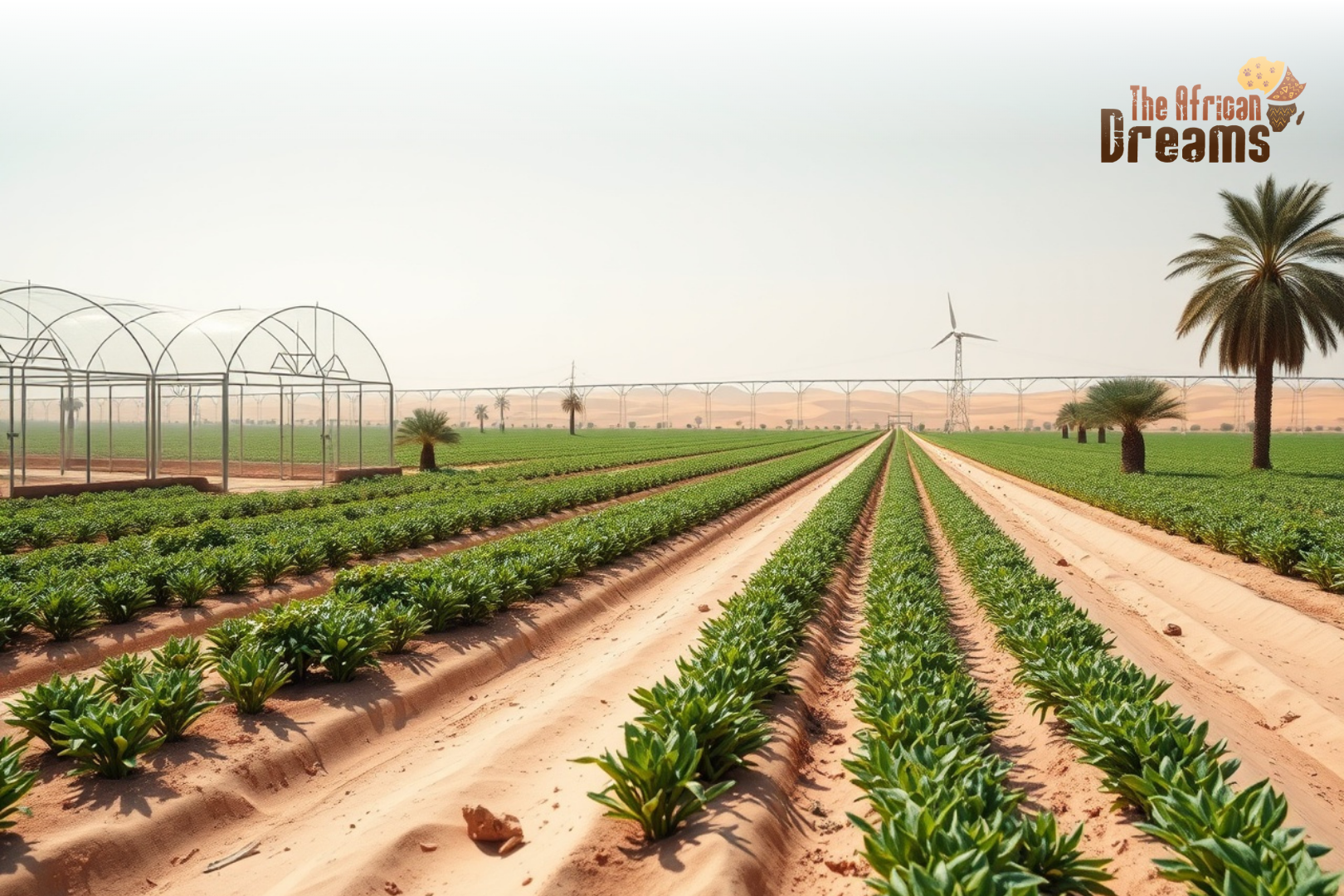
These challenges also create important opportunities for investment. Modern irrigation systems, such as drip and pivot irrigation, can help farmers use water more efficiently and improve crop production. Greenhouses and hydroponic farming can support crop production in Libya’s hot and dry climate. Smart farming technologies can also help farmers monitor crops and manage resources more effectively.
There are also opportunities beyond crop farming. Investment in livestock, dairy, poultry, animal feed, and food processing can help increase local production and reduce dependence on imported food. Processing crops such as olives, dates, and wheat can also add value and create opportunities to develop products for both local and international markets.
With growing food demand and a need for modern farming solutions, Libya’s agriculture sector offers several areas for investors to explore. This article looks at the key challenges of Libya’s agriculture sector and the investment opportunities that modern farming, livestock production, technology, and food processing can create.
Solving the Water Shortage
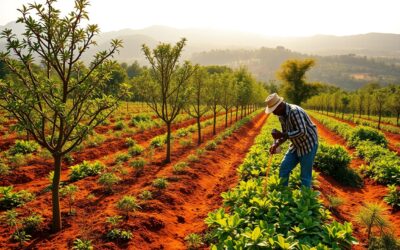
Water shortage is one of the biggest problems that farmers face in Libya’s agriculture sector. As many farms still use old irrigation methods, they do not get the expected results while farming. These old irrigation methods also waste a lot of water. Modern irrigation systems, such as drip and pivot irrigation, can save a lot of water. These modern systems can increase crop production as well.
A drip irrigation system is known for reducing water loss by up to 60% compared to the old methods. Investors can introduce these methods to the farmers of Libya.
Solution for Extreme Heat
Libya has a very hot climate, which makes it hard to grow crops in open fields. Greenhouses solve this severe problem by protecting crops from heat and keeping moisture inside. This method allows farmers to grow vegetables and fruits all year round. Investing in modern greenhouses can increase food production. Greenhouse farms also create jobs, making them a good investment for Libya’s agriculture sector.
Feed Production Businesses
Meat and dairy products are always needed in Libya. However, the country imports a lot of beef, chicken, and dairy products because local production is low. Investing in livestock farming can increase local meat and dairy supply. Large dairy farms can produce more milk and cheese, while poultry farms can meet the demand for chicken and eggs. Investors can also help livestock farmers by setting up feed production businesses, which provide better nutrition for farm animals.
Transforming Technologies
Libya needs better technology in farming. Smart farming tools, such as automated irrigation, soil sensors, and drones, can help farmers monitor crops and increase productivity. These technologies make farming easier and help farmers grow more food with fewer resources. Smart farming can increase crop production by up to 50%, making it a great area for investment in Libya’s agriculture sector.
Food Processing
Many crops in Libya, such as olives, dates, and wheat, are sold in raw form. This lowers their market value. Investing in food processing plants can help turn these crops into high-quality products for local and global markets. Olive oil production can be expanded to sell more to international buyers. Processed dates can be packed and sold as premium food products. Food processing increases the value of crops, making higher profits for farmers and businesses.
Libya’s agriculture sector has a lot of potential for investors. The population is growing, which means more food is needed. The government supports investment in farming by offering incentives and funding programs. With the right investments, Libya can grow more food, create jobs, and strengthen its economy. Investors who focus on water management, smart farming, and food production can make good profits.
Libya’s Agriculture Sector: Success Stories
Green Paradise
Green Paradise is a company founded by Siray Bisheya. As Libya has very little farmland, Siraj introduced hydroponic farming. This method grows crops without soil. This method saves water and makes plants grow really fast. Green Paradise also trains local farmers in Libya to use this method. This helps farmers produce more crops without wasting too much water.
AlSahl Group
AlSahl Group is another major investor. This is also one of the largest companies in Libya. This group has heavily invested in the agriculture sector of Libya. They have improved farming techniques and made better irrigation systems. Their efforts have increased food production and reduced the reliance on other countries for imported food. Thanks to their success, Libya’s agriculture sector improved by a very large margin.
Final words: Investing in Libya’s Agriculture Sector
Libya’s agriculture sector has strong potential for growth and investment. Although water shortages, extreme heat, limited farmland, and traditional farming methods create challenges, modern solutions can help overcome these problems. Drip and pivot irrigation, greenhouses, hydroponic farming, and smart farming technologies can help farmers use water and other resources more efficiently.
There are also opportunities in livestock farming, feed production, and food processing. By processing crops such as olives, dates, and wheat, investors can help increase their value and create new business opportunities. At the same time, investment in meat and dairy production can help meet local demand and reduce dependence on imports.
The success of businesses such as Green Paradise shows how modern farming methods can work in Libya. With the right technology, knowledge, and investment, Libya’s agriculture sector can increase local food production, support farmers, create jobs, and strengthen its economy.
For investors, Libya’s agriculture sector offers opportunities across water management, greenhouse farming, livestock, smart farming, and food processing. With continued investment and modern farming practices, Libya can move toward a more productive and food-secure agricultural future.
FAQs
1. What are the main crops grown in Libya?
Libya grows wheat, barley, olives, dates, and vegetables. These crops survive well in dry conditions.
2. Why is farming difficult in Libya?
Libya has little rain, and most of the land is desert. Farmers must use irrigation to grow crops.
3. What is the Great Man-Made River?
It is a huge water project that brings underground water to farms and cities. It helps farmers grow more crops.
4. How can investors help Libya’s agriculture sector?
Investors can support modern irrigation, greenhouse farming, and food processing. These increase food production and create jobs.
5. What is the future of farming in Libya?
With better technology, smart farming, and more investments, Libya can grow more food and depend less on imports.

0 Comments