
Introduction
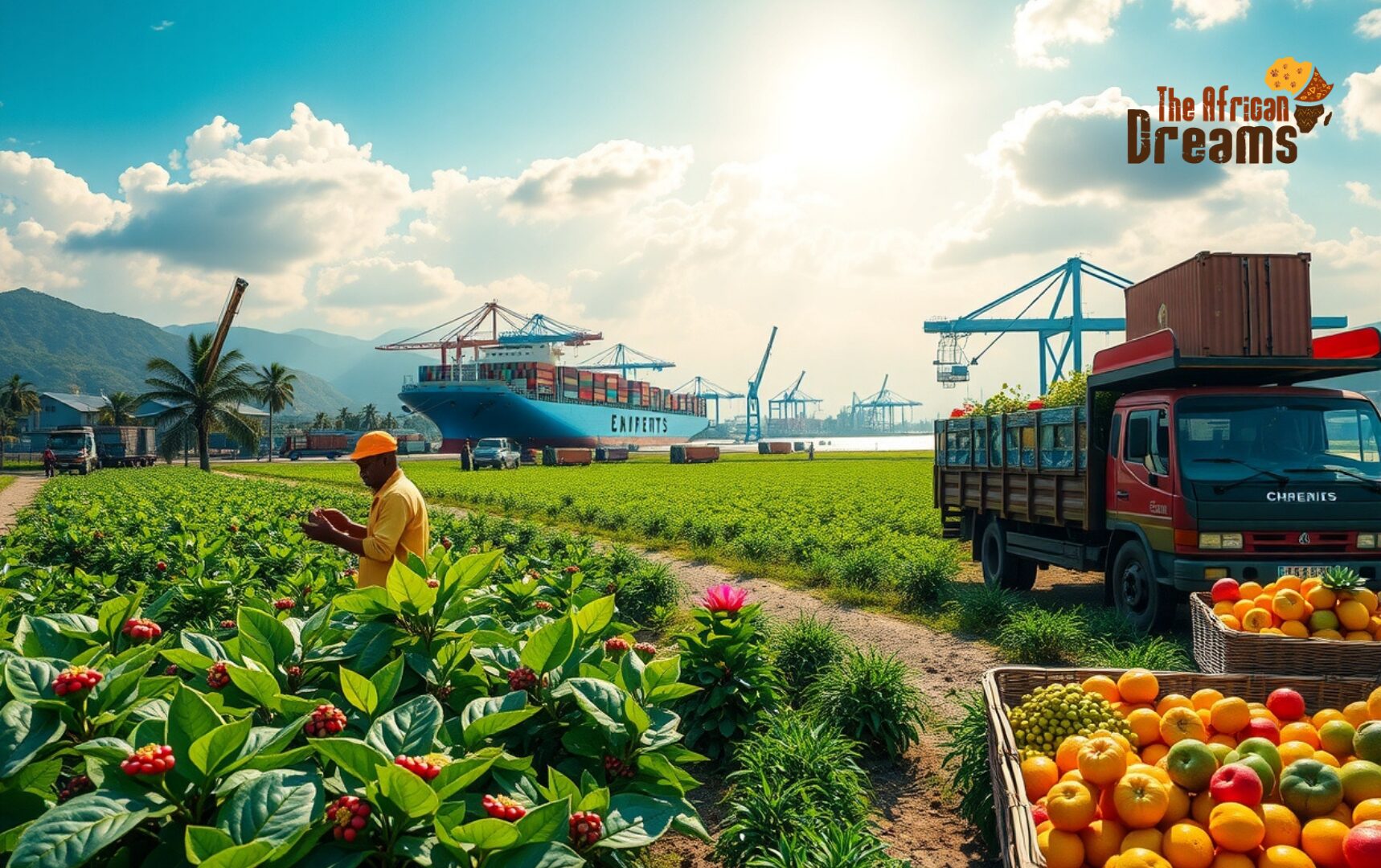
When we think about the biggest export economies in the world, names like the USA, China, and Singapore come to mind. In Africa, such is the case for countries like South Africa, Egypt, and Nigeria. Kenya, a country in the eastern part of Africa, is making significant headway and is on its way to becoming the latest addition to the list of export economies in the region. In this article, we will look at Kenya’s export economy, which mainly consists of agricultural products. We will also look at the key exports, challenges, opportunities ahead, government initiatives, and the future of exports in Kenya.
Kenya's Green Gold
Kenya has seen a significant upward trend in exports over the last decade. The total number of exports of the country in 2022 was 13.85 billion USD, a 17.22% increase from the previous year. This trend has been shared over the last few years, showcasing Kenya’s growing export economy.
From Farm to Global Trade: Key Exports of Kenya
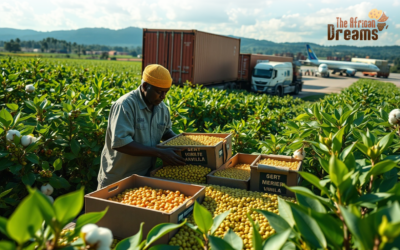
Agriculture is the backbone of Kenya’s economy, contributing a quarter of the country’s GDP. Due to this significant contribution, this sector also claims the highest share of exported products in Kenya. 4 out of the top 5 export products of Kenya fall under the agriculture sector.
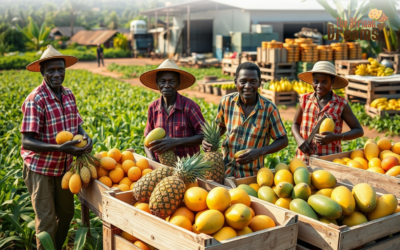
At the heart of Kenya’s agricultural success are its key exports, which include tea, coffee, flowers, and fresh produce like vegetables and fruits. Kenya is one of the world’s leading tea exporters and is renowned for its high-quality coffee, cherished globally. The horticultural sector, particularly flowers, has blossomed, making Kenya one of the top exporters of cut flowers to the European market. A brief introduction to each of Kenya’s top export products is given below-
Tea
Kenya’s biggest export is tea, which accounts for almost a fifth of its yearly exports. According to the Observatory for Economic Complexity, tea constituted 18.9% of total exports 2022. The leading export destinations for tea are the UK, the UAE, Egypt, and Pakistan. This high export can be attributed to Kenya having one of the world’s biggest tea industries. It is the third-largest exporter of tea in the world.
Horticulture
The second biggest export product of Kenya falls under its established horticulture sector. Cut flowers make up around 9-10% of overall exports every year. The horticulture sector of Kenya is one of the most established and organized horticulture sectors in the world. This can be attributed to organizations like the Horticulture Association of Kenya (HAK) and the Kenyan Horticultural Society (KHS).
The most popular destination for products such as cut flowers and fresh fruits, and vegetables has been Europe for a long time. Countries like the Netherlands, the UK, and Germany have been the top importers of cut flowers, whereas France, Spain, and Russia have been the top importers of tropical fruits and vegetables from Kenya.
Coffee
The second biggest agricultural export, coffee, is the third biggest export overall. The industry makes up nearly 5% of the total exports of Kenya every year. The top three destinations for Kenyan coffee are the USA, Germany, and Belgium. This industry employs over 600,000 Kenyans, most of them being smallholder farmers.
Despite being one of the biggest exports of the country, the coffee industry has seen a reduction in production. According to Coffee Intelligence, a global coffee journalist organization, rapid urbanization in the country has caused total coffee production to reduce by 70% since the late 1980s.
Multiple other sectors and industries are up and coming in the export scene of Kenya. These exports are not just commodities but are vital cogs in the wheel of Kenya’s economy, bringing in substantial foreign exchange earnings.
Navigating Through Nature's Bounty and Barriers: Challenges and Opportunities
While the fertile soils and favorable climates serve as blessings, they come with their own set of challenges. The primary concern for Kenyan agriculture, the largest contributor to the export economy of the country, is reported to be the lack of proper road networks connecting farms and the proper marketing channels.
The Kenya Agricultural Reforms and Innovation (KARI) reports Outdated Technology, Pest and Diseases, as well as Climate Change, besides Infrastructure, as the main challenges for the industry. Climate change poses a significant threat, impacting weather patterns and, consequently, crop yields. Pests and diseases further complicate the cultivation of these critical exports.
However, the resilience of Kenyan farmers and the adaptability of the agricultural sector continue to turn these challenges into opportunities for growth and innovation
Sowing Seeds of Success: Government Initiatives
The Kenyan government has been proactive in rolling out initiatives aimed at enhancing agricultural productivity. Strategies such as the “Big Four Agenda,” which prioritizes food security, and various other policies supporting farmers through subsidies and training programs are pivotal.
The association with various regional and international trade organizations like the Common Market for Eastern and Southern Africa (COMESA), East African Community (EAC), and World Trade Organization (WTO) has been crucial in developing the export channels.
These efforts are designed to streamline the agricultural processes, making them more efficient and productive, thereby increasing the nation’s export potential and improving the livelihoods of its farmers.
Cultivating Tomorrow: Future of the Export Economy
Looking ahead, the future of Kenya’s agricultural exports appears promising. With advancements in farming technology such as drip irrigation, pest-resistant crops, and a focus on sustainable practices, Kenya is set to enhance its export volume and quality.
International trade agreements and expanding markets in Asia and the Americas present new opportunities for Kenyan exports to reach a wider audience, thereby broadening the economic benefits across the nation.
Policy-making targeting the export sector to develop Kenya’s export economy and promoting transparency throughout the entire process can help the country make significant inroads toward becoming an export-driven economy in the future.
Conclusion: Harvesting Prosperity
Kenya’s agricultural export sector is a beacon of progress and potential. Through continued efforts in innovation, policy support, and market expansion, the sector is positioned to meet domestic demands and excel in the global marketplace. As Kenya continues to nurture this green gold, the promise of a prosperous future remains bright for this vibrant nation.

0 Comments