
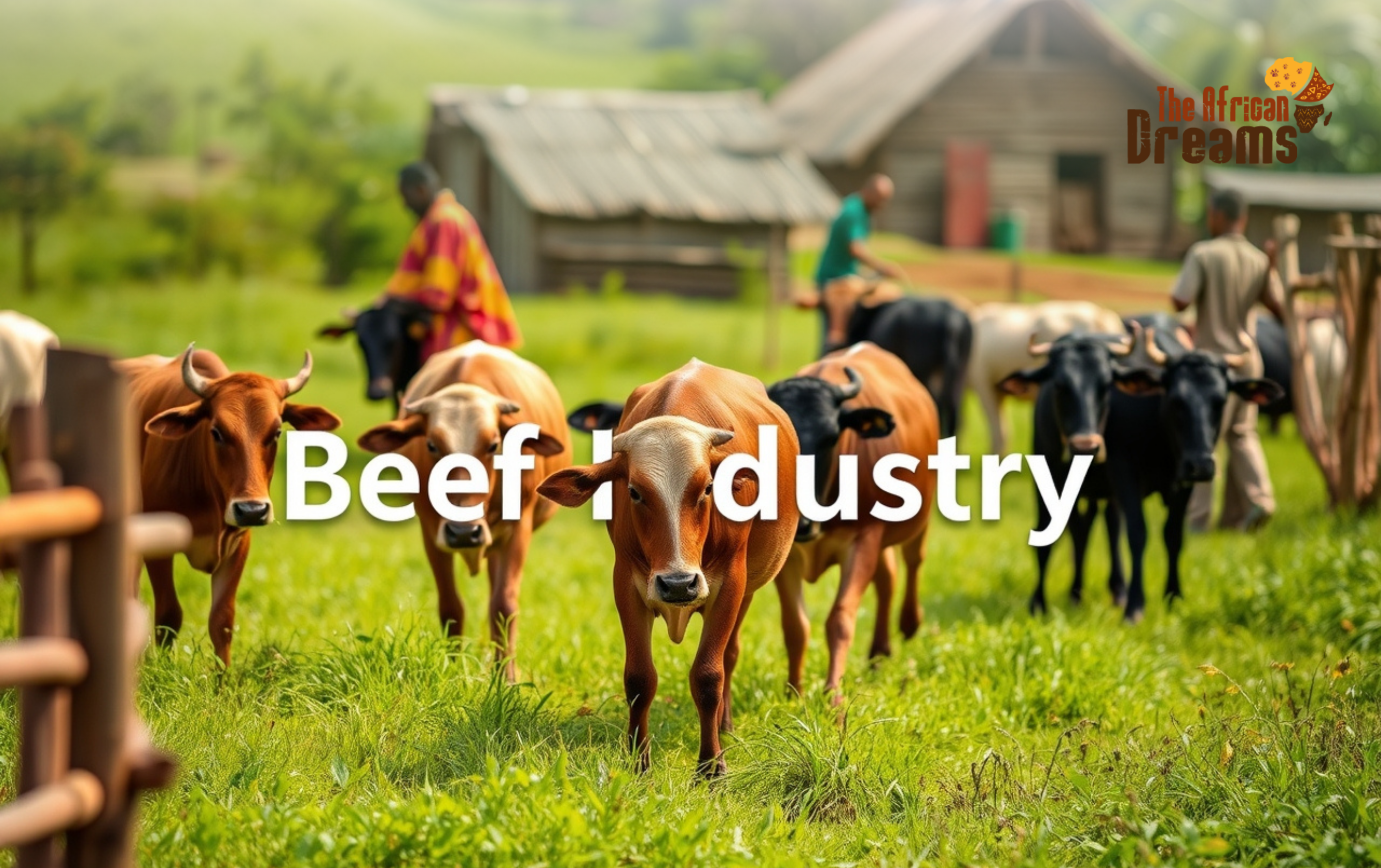
Uganda is one of the fastest-growing countries in East Africa. Its beef industry is important to the country’s agricultural economy. Beef is a common source of protein in Uganda, ensuring food security. Around 25% of its people are engaged in this industry. With increasing demand, Uganda’s beef industry offers many investment opportunities. This blog will discuss some key investment opportunities in Uganda’s beef industry, along with the challenges and opportunities in this industry.
Article Highlights
Uganda’s cattle numbers doubled from 2018 to 2022.
A quarter of Ugandans work in the beef industry.
Growing beef demand offers big investment chances.
Overview of Uganda's Beef Industry
Uganda has a great livestock population. As of 2020, it is home to around 14.2 million cattle. Beef is the most consumed meat in Uganda after poultry and pork. About a quarter of Uganda’s population raises cattle for beef.
Uganda had 6.2 million beef cattle in 2018. By 2022, it had doubled to almost 11.9 million, which shows that the demand for beef is growing. An average Ugandan consumes about 9 kilograms of beef per year. The beef industry provides income, food, capital, and other goods and services.

Beef farming is common in Uganda, especially in the southwestern and northeastern regions, known as the “cattle corridors.” Uganda’s beef production increased by 1 percent in the last decade. Most beef is exported to Middle Eastern countries like Sudan, Egypt, and Jordan.
However, there is a gap between supply and demand, especially in urban areas with higher consumption. To meet the demand, the government of Uganda is focusing on beef production and exports. They are analyzing how trade and market policies affected beef prices for producers from 2005 to 2020.
Why Invest in the Beef Industry
- Uganda’s main meat supplier is Ankole cattle. Meat from Ankole cattle is a healthy option because it is low in cholesterol and fat.
- Uganda’s meat is famous for its good taste and flavor. Investors can market this quality attribute.
- Uganda is in the Great Lakes Region. It is ideal for supplying the growing regional markets in Kenya, Tanzania, Southern Sudan, Congo, and Rwanda.
- Uganda’s beef is prepared halaal with independent halaal certifiers. Marketing it in the Middle East and Arab Countries would be beneficial.
- Uganda’s beef is organically produced with no grain feeding and nutritional supplements. Organic beef is a great option for investors to capitalize on.
- The government is supportive and encourages private investment.
- The government ensures that meat processing enterprises meet quality assurance systems such as ISO.
- Uganda supplies enough water, power, and raw materials. It is also cheaper than neighboring countries. The cost of labor and production is low, so investors can save by investing here.
Key Investment Opportunities in Uganda's Beef Industry
1. Cattle Farming
Cattle farming is a crucial part of Uganda’s beef industry. The quality of beef can vary due to different practices. Investors can invest in cattle breeding, rearing, and fattening to produce high-quality animals. They can also invest in sustainable grazing and pasture management to improve productivity. Investors can invest in setting up modern slaughterhouses to ensure quality and hygiene. They can invest in the packaging and branding of beef products.
2. Beef Processing
Uganda’s beef industry needs modern processing plants. Most smallholder farmers produce beef in Uganda. These farmers practice mixed farming and follow traditional methods. The farmers lack the necessary hygiene and safety standards knowledge that lowers productivity. Investors can offer large-scale, hygienic abattoirs that meet local and international standards.
3. Export Market
Uganda’s beef industry has significant export potential. Although the country exports only a small part of its beef, demand from neighboring countries such as Kenya and South Sudan is growing. Investors have the opportunity to expand Uganda’s beef exports. Investors can export beef to international markets, especially in the Middle East and Europe.
4. Feed Production and Nutrition
Most farmers in Uganda practice traditional methods that lack nutritional balance for cattle growth. Investors can develop feed mills to produce balanced, high-quality animal feed. Investing in animal nutrition products such as minerals and vitamins enhances cattle health. Investors can also produce organic and sustainable animal feed, which will meet the growing demand for hormone-free beef.
5. Storage and Distribution
Uganda’s beef industry lacks a proper storage and distribution system. Investors can invest in cold storage facilities, including good roads, and refrigerated transportation. This will extend shelf life, and maintain the quality of beef products.
6. Veterinary Services
Investors can develop veterinary clinics to fight diseases. They can offer digital health services for farmers. Proper veterinary services help improve cattle productivity, reduce diseases, and maintain beef quality.

Challenges in the Industry
The beef industry is crucial to the economy, especially in rural areas. Despite these, it remains underdeveloped compared to other African nations.
-
Several livestock diseases, such as Foot and Mouth Disease (FMD), impact health and productivity.
-
Lack of access to veterinary care, especially in rural areas, affects animal health and productivity.
-
Poor networks and cold storage facilities also impact market access.
-
Changes in climate and droughts reduce pasture availability and water and increase costs.
-
Limited access to local and international markets reduces profitability.
-
Lack of modern infrastructure leads to post-harvest losses.
-
Limited access to veterinary services makes it difficult for farmers to manage diseases.
Opportunities in the Industry
Despite challenges, Uganda’s beef industry offers many opportunities:
- Uganda’s beef is high in demand in local and global markets. The Egyptian company Egypt-Uganda Food Security recently invested $11 million in a modern abattoir. The project aims to boost Uganda’s local beef industry.
- Improving veterinary care and disease control measures will enhance health and productivity. Investing in better roads and cold storage facilities improves the supply chain.
- Implementing sustainable farming methods can improve production efficiency and reduce costs. Affordable feed manufacturing improves cattle growth.
- Investing in improved infrastructure and technology is also important. It helps reduce post-harvest losses and improve the safety and quality of meat products.
- Improved quality standards and compliance with international sanitary help Uganda export beef. This boosts the country’s foreign exchange earnings and provides a stable market for local farmers.

To Sum Up
Uganda’s beef industry offers great investment opportunities in several sectors. The industry has great potential in farming, processing, feed production, and infrastructure development. Investors can help Uganda transform to tap into its full potential. The growth of this industry benefits investors, local farmers, and Uganda’s economy. The beef industry ensures food security, expands business opportunities, and increases revenues. It is high time for investors to dive into the opportunities of the beef industry. By investing in the beef industry, investors can help increase productivity and revenue.




0 Comments