
Introduction
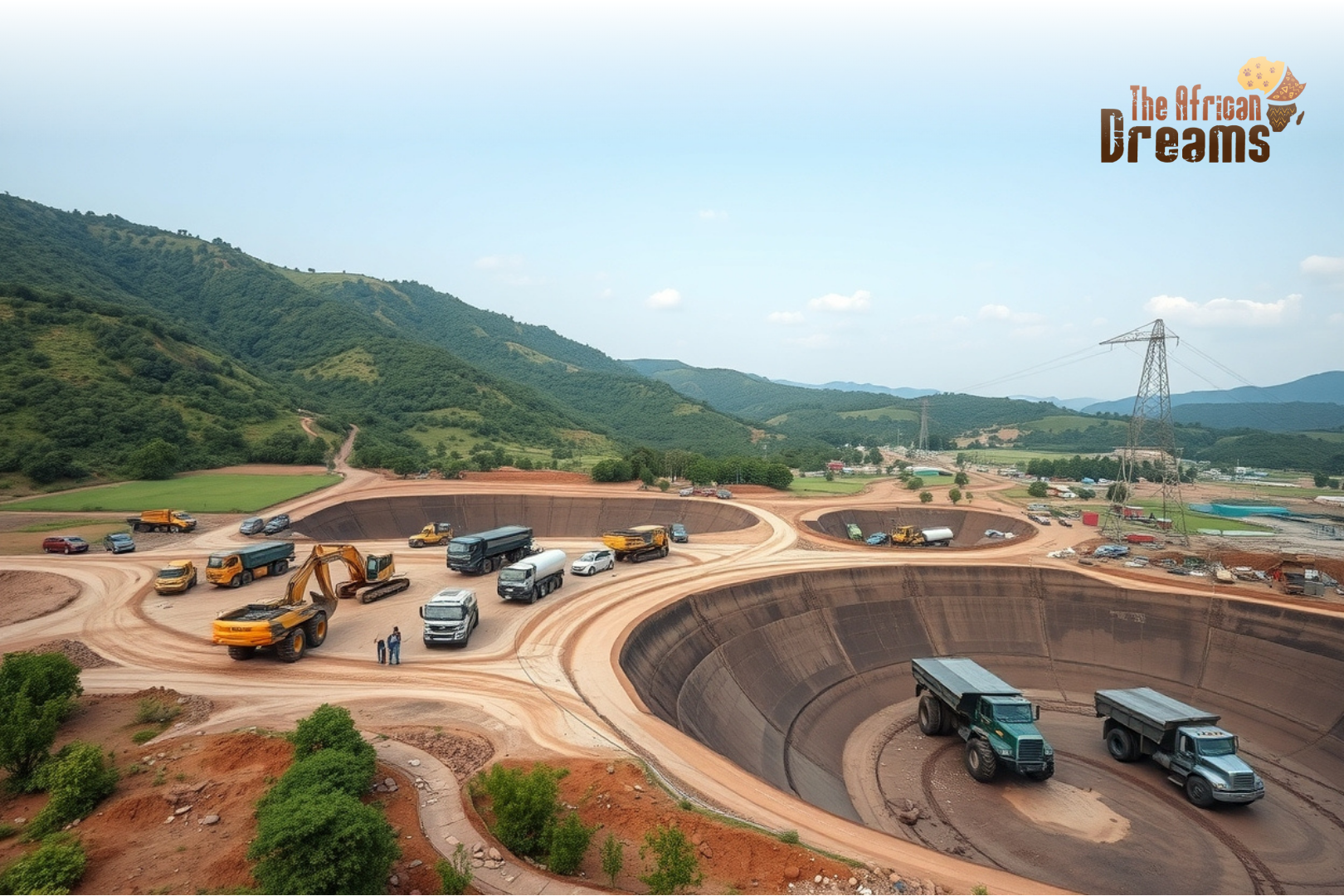
Malawi is known for its abundant amount of natural resources, specifically minerals. Though the mining industry currently contributes less than 1% to the economy, it has huge potential to grow and become a key driver in creating jobs and visible improvements in exports and income. Recently, the Malawian government has taken initiatives to attract both local and foreign investors to improve the mining industry. The country fosters many valuable minerals like uranium, coal, rare earth elements, niobium, graphite, limestone, and gold. Many of these minerals have not yet been thoroughly explored, yet they are found in different areas of Malawi.
With ongoing exploration and continuous government support, this sector is expected to grow at a good pace in the upcoming years. This article covers the importance of Malawi’s mining sector, the main challenges, solutions, and various investment opportunities available. It also signifies which areas are good for both new and experienced investors, who can play a role in helping the mining industry grow and support Malawi’s economic development.
Article Highlights
Overview of Malawi’s Mining Industry
Leading Sectors in Malawi’s Mining Industry
Importance of Malawi’s Mining Industry
Challenges of Malawi’s Mining Industry
Solutions to Challenges of Malawi’s Mining Industry
Opportunities of Malawi’s Mining Industry.
Overview of Malawi's Mining Industry
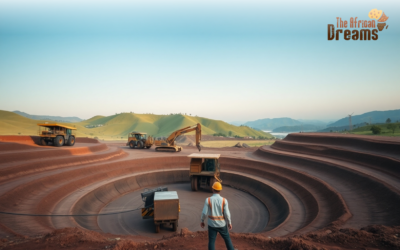
Malawi has rich and valuable minerals like uranium, phosphates, bauxite, coal, limestone, rare earth minerals, graphite, and many more. Before, these were studied by the government or private companies. But, only some, like phosphate, coal, limestone, uranium, iron ore, and gemstones, have actually been mined and extracted. Because of this success, the government estimates that new projects to mine rare earth materials, minerals, and niobium will start in the next 2 years.
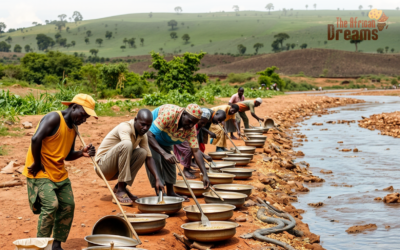
There is also oil and gas exploration happening in Lake Malawi, and the government plans to use environmentally friendly methods to protect the lake. Many people in Malawi do small-scale mining by hand. They mainly dig for materials like lime, clay for pottery, and gemstones. These miners use special permits and licenses to do their work legally. The Malawi Geological Survey Department (MGSD) keeps the country’s mining data updated. One can buy detailed maps and survey data from them.
In 2017, the Ministry of Mining created an online system to better manage and track ownership of mining rights. They are still doing fieldwork to collect more detailed information about mineral locations.
Malawi’s mining sector only contributes 1% to the country’s total economy. The government expects this sector to grow by 5% in 2023 and 2024, but it will remain in the 1% range of the overall economy.
Leading Sectors in Malawi’s Mining Industry
Malawi aims to grow its mining sector so that it contributes up to 10% to the country’s economy by 2063. Right now, it contributes equal to or less than 1%. The government is looking to explore and mine many valuable resources such as rare earth minerals, gold, uranium, platinum group minerals (PGMs), nickel, copper, decorative stone, phosphates, mineral sands, graphite, coal, niobium, tantalum, bauxite, cement materials, rubies, chromium, lead, zinc, potassium, and oil and gas.
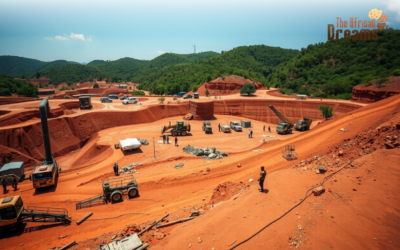
Some international companies are already working in Malawi to explore and develop mines. In 2013, an Australian company, Paladin Energy, opened a uranium mine at Kayelekera in Chitipa (a district in the north). However, in 2020, the company sold most of its ownership (85%) to another company called Lotus Resources Ltd (LOT). The government still owns the other 15%. The mine produced 10.9 million pounds of uranium between the timestamp of 2009 and 2014, but is currently closed because the prices of uranium are low. It still has an estimated 51 million pounds of uranium beneath the ground.
Other minerals are also in high demand. Out of them, some important ones include rare earth elements, niobium, zircon, tantalite, limestone, and heavy mineral sands.
Importance of Malawi’s Mining Industry
1. Growing Economy: Malawi has valuable minerals like uranium, rare earths, niobium, graphite, and coal. This sector has the potential to help Malawi’s economy grow and become stronger. It can bring income from other countries, increase government income, and create more jobs for Malawians.
The government of Malawi is working on building stronger systems to create a proper management system in the mining sector. They want mining to be safe for the environment and beneficial to local communities by creating jobs, providing stable incomes, and improving living conditions.
2. Promoting Malawi: The government is also trying to make Malawi more attractive to foreign companies and investors. With good plans, support from international partners, and smart investments, mining could become one of the most important parts of Malawi’s economy.
3. Improving Infrastructure: Mining is not only financially valuable; it has value beyond that. It can also help improve other areas of life. For example, when mining areas are developed, roads, electricity, and water systems are often improved too. This benefits society and the communities by making it easier to go to school, visit hospitals, or run businesses. Over time, this can lead to better education, healthcare, and job opportunities.
The government is focused on ensuring mining is done responsibly and that local people’s voices are heard. If the money earned from mining is managed well, it can be used to support important initiatives such as rural development, skills training, and environmental protection.
4. Long-term Growth: Right now, mining only adds about 1% to the country’s income. But in the next few years, this could change in a big way. By 2027, mining might grow to make up 12% of Malawi’s economy through big projects like the Kayelekera Uranium Mine, Kanyika Niobium Mine, and the Kangankunde Rare Earth Project.
The government hopes that by 2063, mining will contribute 10% to the economy. From 2026 to 2040, experts believe Malawi could earn about $30 billion from mining. By 2034 alone, yearly earnings might reach $3 billion.
To reach this goal, everyone needs to work together, the government, private companies, communities, and international partners. With teamwork and good leadership, mining can bring big benefits to the whole country and become a key part of Malawi’s long-term growth and progress.
Challenges of Malawi’s Mining Industry
- Unreliable road networks, rough power supplies, and limited access to water increase costs and disrupt investments. For example, the Kayelekera Uranium Mine’s operation was affected due to frequent power outages and water problems.
- The Mining Sector needs a further 230 MW of power, but the present energy infrastructure is underdeveloped and insufficient. This leads to delays in mining projects.
- Many Mining projects and activities have led to deforestation, land pollution, water pollution, and habitat destruction, raising concerns among local communities.
- Old mining laws and poor enforcement have resulted in issues like unregulated artisanal mining and loss of revenue due to smuggling, robbing, etc.
- There is insufficient geological information about Malawi’s mineral resources, making it difficult to attract investors.
- Mining operations have resulted in forced evictions, insufficient and unfair compensation and wages, causing arguments with local communities.
- Many communities face risks, such as communities situated near mining sites, due to pollution and a lack of access to clean water.
- Local mining companies and miners often struggle to secure funding for further exploration and development.
- Corruption with higher ups undermines effective management and beneficial results in the mining sector.
- Lack of skilled laborers in the mining sector increases reliance on expatriates and limits local employment activities.
Solutions to Challenges of Malawi’s Mining Industry
- Investing in infrastructure like the Nacala Logistics Corridor to improve transportation, networks, and facilitate more efficient progress of mining materials, and lowering operating costs.
- Growing the sources of renewable energy, like small hydro schemes and geothermal power. This should be done to provide a sustainable and good energy resource for mining operations.
- Implements good and durable environmental regulations and recovery plans to reduce ecological damage from mining activities, ensuring reliable practices.
- Strengthen and advance mining laws. This will result in enhancing governance, accountability, and transparency.
- Carry out thorough geological surveys and ensure the data is readily accessible to attract investors and support informed decision-making in the mining sector.
- Build clear and concise policies for fair compensation and active participation that involve local communities in decision making processes to address displacement concerns
- Encourage occupational health and safety standards by providing thorough training and good equipment to protect workers from risks in the mining environment.
- Implement more effective, more accurate financial inclusion strategies to support small and medium mining businesses, enabling them to secure the funding and cash they need for development.
- Introduces anti-corruption measures and promotes transparency in different mining operations and projects to build trust and ensure good, beneficial results.
- Investing in education and vocational training programs to build a skilled workforce and an educated foundation capable of meeting the demands of the modern mining industry and sector.
Opportunities of Malawi’s Mining Industry
Malawi has many types of minerals, such as bauxite, heavy mineral sands, monazite, coal, vermiculite, uranium, gemstones, limestone, graphite, rare earth elements, iron ore, niobium, tantalum, precious and semi-precious stones, building stones, gypsum, and rocks used for construction.
The government has also found signs of gold in riverbeds and possible diamond-related rocks in some areas. Like in many other African countries, most of these minerals have not yet been mined and are found in different parts of the country. There is some detailed data available, showing unusual magnetic and radiation patterns in the ground, which means there might be more valuable minerals to discover-possibly even radioactive ones.
To learn more about these resources, Malawi is carrying out a project called GEMMAP (Geological Mapping and Mineral Assessment Project). This project is helping gather important information about the types and locations of minerals across the country.
Malawi has many different types of minerals found in different parts of the country, and many of them could help grow the economy. One of the most important minerals is uranium, which is found at the Kayelekera Mine in Karonga District. This mine has around 51 million pounds of uranium, but it is currently closed because world prices are low. Still, it is one of Malawi’s most valuable resources.
Large amounts of rare earth minerals are found in Kangankunde in Balaka District. In Mzimba District, there is a project in progress to mine niobium at Kanyika. Graphite is being explored in the Chimutu Hills near Lilongwe and could be useful in the future. Coal is already being mined in Livingstonia and Mwabulambo and is used in Malawi for making electricity and cement. Bauxite is found on the Mlanje Mountain. It has not yet been mined, though. Heavy mineral sands like titanium and zircons are being found along the shores of Lake Malawi and are still being explored. In Tundulu of Phalombe District, there are about 2 million tonnes of rock phosphate. Limestone is found in many areas of Malawi, and it is usually used to make cement and lime.
Malawi also has many other valuable stones, like granite, marble, in different areas. Gold has been found in rivers, and it is mainly mined by small-scale miners, but there is not much detailed information and data about this topic. Investors can look into these to contribute and further develop the industry while earning high returns.
Conclusion
Malawi’s mining industry has a lot of potential to help grow the country’s economy and attract investment from both local and international companies. Even though the industry is still developing and faces problems like poor roads, power shortages, and outdated laws, the government is already working to fix these issues. It is improving mining laws, gathering better information about minerals, and making the system clearer and easier for investors.
The country has many valuable minerals such as uranium, rare earth elements, niobium, coal, bauxite, limestone, graphite, and gold. Many of these resources have not been mined yet, which means there are many opportunities for investors to discover and profit from them. Ongoing projects like the Kayelekera uranium mine, the Kanyika niobium project, and the Kangankunde rare earth site show that Malawi is ready to grow its mining sector.
With continued support from partners, better policies, and careful investment, mining can become an important part of Malawi’s economy. For investors who are interested in long-term success and want to be part of a growing market, Malawi offers a lot of exciting opportunities for the future.
0 Comments