
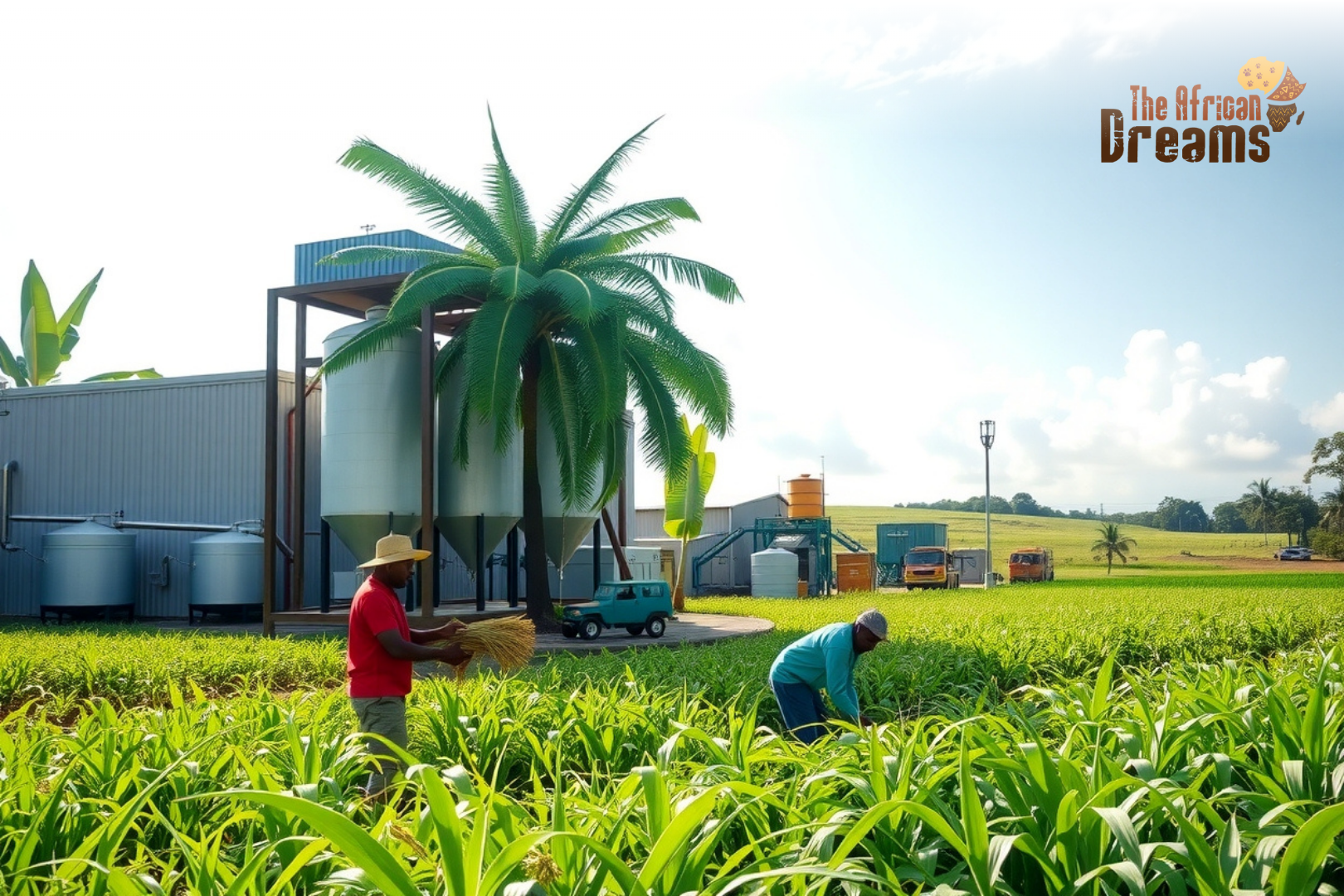
Interested in investing? You can check out Liberia, a nation with abundant natural resources and fertile land.
Agriculture has long been the backbone of Liberia’s economy, yet the sector faces challenges such as low productivity, inadequate infrastructure, and limited value addition. This article explores the potential of investing in Liberia’s agro-processing sector, highlighting opportunities, challenges, and government initiatives to attract investment.
The Agricultural Landscape and Investment Potential
Agriculture plays a vital role in Liberia’s economy. The country has over 4 million hectares of arable land, with more than 70% of the population depending on agriculture for their livelihood. Key agricultural products include rice, cassava, cocoa, coffee, and rubber. Despite the fertile land and favorable climate, the country faces challenges in maximizing agricultural productivity and value addition. Most agricultural products are exported in raw form, leading to missed opportunities for job creation and economic growth.
Challenges to Overcome
1. A significant portion of Liberia’s agricultural production relies on traditional farming practices, which hinder productivity. The lack of access to modern machinery and technology contributes to this issue.
2. Poor transportation networks, storage facilities, and electricity supply make it difficult for farmers to get their products to market efficiently. This affects both local consumption and export potential.
3. Despite the abundance of agricultural raw materials, Liberia lacks sufficient processing facilities, leading to significant losses of agricultural produce.
Government Initiatives Supporting Agro-Processing Investments
To foster the growth of the agro-processing sector, the Liberian government has introduced several initiatives that provide incentives and support infrastructure development to attract local and international investors.
Special Agro-Industrial Processing Zones (SAPZ)
In 2025, the government launched the Special Agro-Industrial Processing Zones (SAPZ) to create favorable environments for agro-industrial activities. These zones offer:
Investors in these zones can benefit from tax breaks and customs exemptions for processing equipment and raw materials. The government is focusing on improving the infrastructure within these zones, including better roads, reliable electricity, and water supply, to support agro-processing ventures. In these zones, investors can access services such as workforce training, business advisory support, and assistance with securing financing. The goal of SAPZs is to attract private sector investment, promote value-added processing, and boost the local economy by creating employment opportunities.
Policy Frameworks to Promote Agro-Processing
The Liberian government has also adopted several policy frameworks designed to support the agro-processing sector:
The Liberia Agribusiness Development Strategy (LADS). LADS focuses on improving value chains in agriculture by encouraging private sector involvement and investment in processing facilities. The National Agricultural Investment Plan (NAIP). Naip aims to increase agricultural productivity and reduce food imports through the promotion of agro-processing initiatives. These policies align with Liberia’s broader economic development goals, which include enhancing the competitiveness of the agricultural sector and creating sustainable jobs.
Investment Opportunities in Agro-Processing
Several areas within the agro-processing sector in Liberia hold significant potential for investment. These opportunities span different agricultural products, each offering unique growth prospects.
- Rice Processing
Rice is a staple food in Liberia, but the country currently produces only about one-third of its rice needs. As a result, there is a large market for rice imports. Establishing rice mills and processing plants to convert locally grown rice into consumable products can reduce import dependency, create jobs, and add value to the local economy. Liberia’s growing population and the consistent demand for rice create a stable market for rice processing ventures. With ongoing support from the Liberian government and international agencies, the rice processing sector stands to benefit from improved infrastructure and incentives for investors.
- Cassava Processing
Cassava is another key crop in Liberia, often used to produce flour, starch, and tapioca. Liberia’s tropical climate is ideal for cassava cultivation, but the lack of processing facilities limits the crop’s full potential. By establishing cassava processing facilities, Liberia can increase the shelf life of cassava products, reduce post-harvest losses, and add value to the crop. Cassava processing offers a significant opportunity for job creation, particularly in rural areas where cassava farming is prevalent.
- Cocoa and Coffee Processing
Liberia’s climate is also suitable for the cultivation of high-quality cocoa and coffee, both of which are in demand on international markets. However, like rice and cassava, Liberia exports most of its cocoa and coffee in raw form. By processing cocoa and coffee locally, Liberia can increase the export value of these commodities and integrate smallholder farmers into the global supply chain. Local processing of these crops can lead to higher incomes for farmers and promote sustainable agricultural practices.
Success Stories in Agro-Processing Ventures
Investors are increasingly turning their attention to Liberia’s agro-processing sector, and some notable investments have already been made.
Mainland Group’s $100 Million Investment
In 2025, Mainland Group, a Chinese company, announced a $100 million investment in Liberia’s agriculture sector. This investment focuses on establishing processing facilities for cassava, rice, cocoa, coffee, and sugar. The project aims to enhance the value of these key agricultural products and create thousands of jobs for Liberians. The government has provided support through land acquisition and tax incentives to make this investment possible.
Gbarpolu County Agro-Processing Plant
In Gbarpolu County, an agro-processing plant was established with an $80,000 investment to process cassava and rice. This facility has helped reduce post-harvest losses, improve food security, and create jobs in the region. It is an excellent example of how small-scale agro-processing ventures can have a significant impact on rural communities
Conclusion
Investing in agro-processing in Liberia offers a unique opportunity to tap into an emerging market with untapped potential. The country’s rich agricultural resources, combined with government support and growing demand for processed goods, make it an attractive destination for investors. By focusing on key sectors such as rice, cassava, cocoa, and coffee processing and embracing modern technologies, Liberia can become a leader in agro-processing and sustainable development in West Africa.
With the right policies in place, partnerships with international organizations, and a commitment to innovation, Liberia’s agro-processing sector has the potential to transform the country’s economy and improve the livelihoods of millions of Liberians. So wait no longer and invest now!
0 Comments