
Introduction
Zimbabwe’s fisheries sector offers many great investment opportunities for the country’s economy and development, as well as for food security. With its rich water resources and supportive government initiatives, the sector offers significant potential for expansion. This article discusses the top five reasons to invest in Zimbabwe’s fisheries sector. It also provides insights into its current landscape, growth potential, and success stories.
Article Highlights
Overview of Zimbabwe’s fisheries sector with subsections
Five compelling reasons to invest
Success stories illustrating the sector’s potential
Conclusion and frequently asked questions
Overview of Zimbabwe’s Fisheries Sector
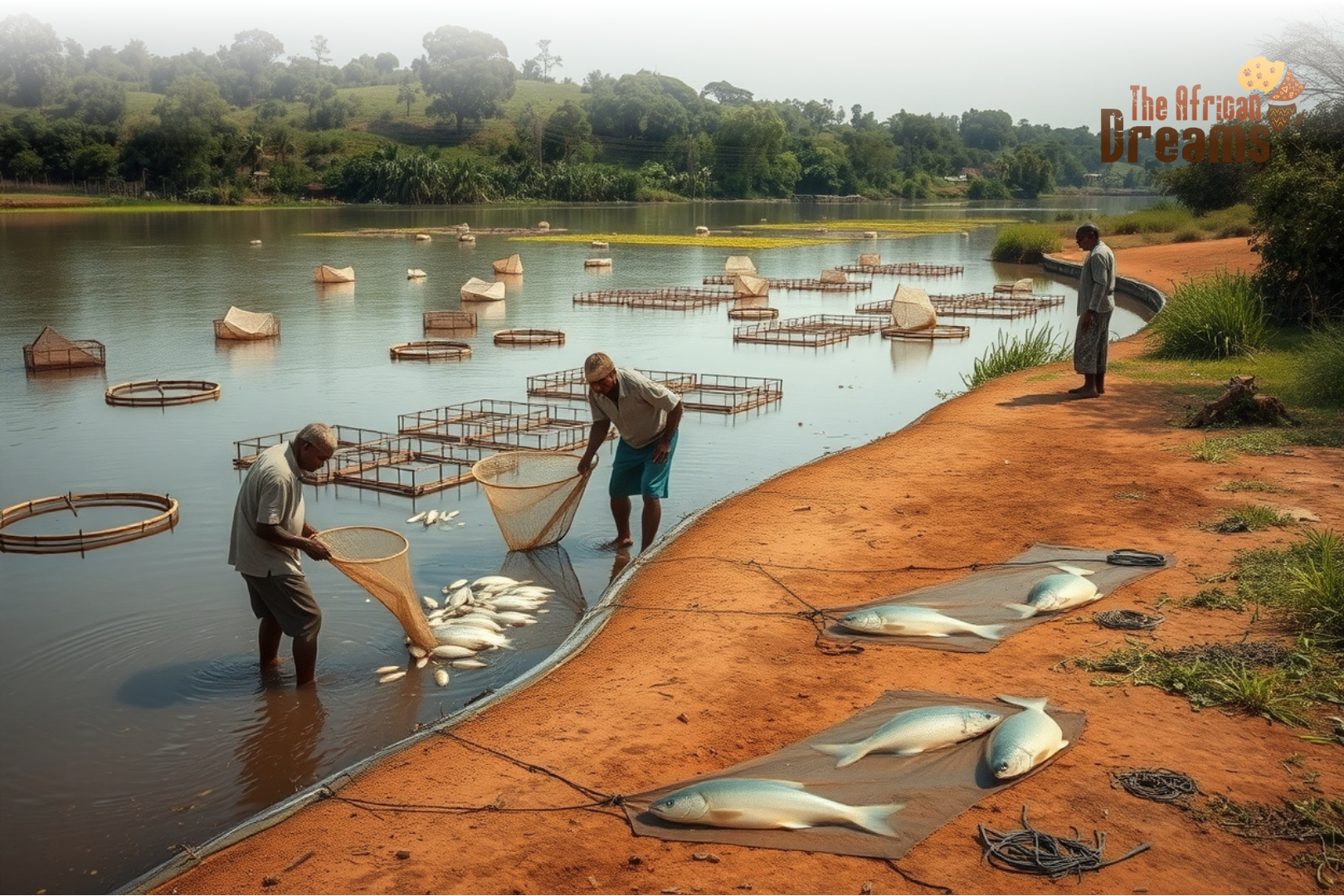
Zimbabwe’s fisheries sector is an exciting and growing part of the country’s economy. With thousands of dams, lakes, and rivers spread across the nation, Zimbabwe has the natural resources needed to support a thriving fish farming industry. This sector not only helps feed local communities but also offers great opportunities for investment, job creation, and sustainable development.
A Rich Natural Resource Base
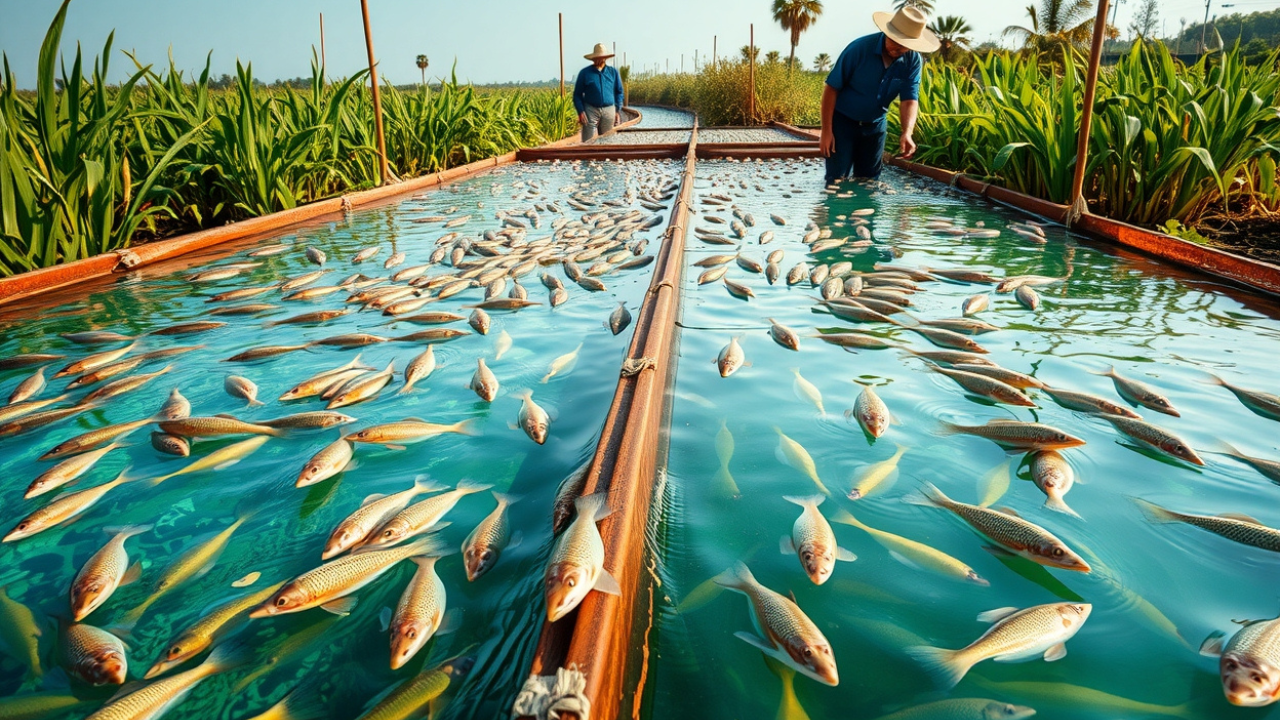
One of the main strengths of Zimbabwe’s fisheries sector is its abundant water resources. The country is home to over 10,000 dams, which provide perfect spots for raising fish. These water bodies are spread across both urban and rural areas, allowing people in many communities to start small fish farms. Because there are so many dams and lakes, there is a huge potential to increase fish production and supply the local market with fresh, healthy fish.
Government Initiatives and Support
Recognizing the benefits of a strong fisheries sector, the government of Zimbabwe has taken important steps to boost its growth. Various initiatives and schemes have been introduced to support fish farming, especially in rural areas.
One well-known example is the Presidential Community Fisheries Scheme, which helps local communities by restocking public dams with young fish and providing training to farmers. These efforts are designed to ensure that more people can get involved in fish farming and benefit from the opportunities it offers.
Economic and Social Benefits
The fisheries sector is not just about producing food, it also plays a big role in improving lives. Fish farming creates jobs at many levels, from hatchery management and pond construction to fish processing and distribution. This is particularly valuable in rural areas where job opportunities may be limited. When communities earn a steady income from fish farming, it helps reduce poverty and improves living standards.
Moreover, training programs in the fisheries sector are helping empower women and young people by equipping them with the skills to start their own businesses. These programs are making a real difference in many communities, fostering a sense of hope and independence among participants.
Sustainable Practices for a Brighter Future
Sustainability is a key focus in Zimbabwe’s fisheries sector. Many fish farms are adopting practices that protect the environment while still allowing for productive farming. For example, proper management of water resources and careful fish stocking help ensure the natural ecosystem remains healthy. Sustainable fish farming not only benefits the environment but also helps secure a long-term source of food and income for communities.
Reasons to Invest in Zimbabwe’s Fisheries Sector
- Abundant Water Resources and Natural Potential
Zimbabwe is blessed with vast water resources, including over 10,000 dams spread across the country. These water bodies create an ideal environment for freshwater fish farming, providing investors with extensive space to cultivate fish at scale.
- Diverse Aquatic Ecosystems: Zimbabwe’s lakes, rivers, and reservoirs support a wide variety of fish species, including popular ones like tilapia and catfish. This biodiversity offers opportunities for both small-scale and commercial fish farming.
- Favorable Climate Conditions: The country’s warm climate is well-suited for aquaculture, allowing fish to grow faster, reducing production cycles, and enhancing profitability.
- Untapped Resources: Many dams and reservoirs remain underutilized. By investing in these spaces, businesses can quickly establish thriving fisheries without the need to build costly infrastructure from scratch.
With abundant natural resources, investors can leverage Zimbabwe’s water bodies to build sustainable, high-yield fish farms that contribute to both local and regional food markets.
- Government Support and Proactive Policy Initiatives
The Zimbabwean government actively supports the growth of the fisheries sector through various policy frameworks, incentives, and development programs. This creates a stable and supportive environment for investors.
- Presidential Community Fisheries Scheme: Launched to boost community-based fisheries, this program restocks public dams, builds fishponds, and provides training to local farmers. Investors partnering with communities can benefit from these state-backed initiatives.
- Legislative Reforms: The government is consolidating fisheries regulations to simplify compliance, making it easier for investors to navigate legal requirements and reduce operational risks.
- Strategic Development Plans: The Ministry of Lands, Agriculture, Fisheries, Water, and Rural Development has outlined a clear vision for expanding aquaculture, aiming to increase fish production and establish Zimbabwe as a key regional supplier.
Investing in a sector backed by strong government initiatives reduces uncertainty and increases the likelihood of long-term success.
- Growing Local and Regional Market Demand
Fish is an affordable source of protein, and demand for it is steadily rising across Zimbabwe and Southern Africa. However, Zimbabwe’s domestic fish production currently falls short of meeting local consumption needs, leading to imports, a gap that local investors can fill.
- Rising Consumption Rates: As awareness of fish’s health benefits grows, consumption is expected to increase. By 2030, fish consumption in Zimbabwe is projected to double, opening up vast market opportunities.
- Regional Trade Potential: Zimbabwe is strategically located within the Southern African Development Community (SADC), providing access to neighboring countries with growing populations and rising demand for affordable protein sources.
- Diverse Product Opportunities: Investors can explore not only fresh fish production but also value-added products like smoked fish, canned fish, and fish-based pet foods, capturing multiple market segments.
With local and regional markets hungry for more fish, Zimbabwe offers a ready-made consumer base eager for locally produced seafood.
- Employment Creation and Community Empowerment
Aquaculture is a labor-intensive industry, making it an excellent vehicle for job creation and rural development. Investing in Zimbabwe’s fisheries sector doesn’t just bring profits, it transforms communities.
- Job Creation Across the Value Chain: From hatchery management and pond construction to fish harvesting, processing, and distribution, the fisheries sector can generate thousands of jobs, especially in underserved rural areas.
- Youth and Women Empowerment: Initiatives like the Fish4Pensioners and Youth Business Units (YBUs) have already shown how fisheries can uplift marginalized groups. Investors who partner with these programs can benefit from government support while making a tangible social impact.
- Knowledge and Skill Transfer: As investments pour in, training programs and knowledge-sharing initiatives can enhance local skills, building a more competent and self-sufficient workforce.
By investing in fisheries, you’re not just building a business — you’re strengthening communities and contributing to national development goals.
- Sustainable Development and Food Security
Zimbabwe’s fisheries sector is aligned with global sustainability and food security goals, making it an attractive option for impact investors. Sustainable aquaculture can improve nutrition, combat hunger, and ensure environmental balance.
- Affordable, Nutrient-Rich Food Source: Fish provides essential nutrients like omega-3 fatty acids, vitamins, and minerals. Scaling up local fish production can help reduce malnutrition and improve public health outcomes.
- Environmentally Friendly Practices: With careful planning and modern aquaculture techniques, fish farming can be a sustainable alternative to wild fishing, preserving natural fish stocks and aquatic biodiversity.
- Climate Resilience: As climate change affects crop yields, aquaculture offers an adaptable solution. Fish farming can continue to thrive even in areas with erratic rainfall patterns, providing communities with a stable food source and livelihood.
For investors seeking both financial returns and positive social impact, Zimbabwe’s fisheries sector offers a rare blend of profitability and purpose.
Success Stories
Zimbabwe’s fisheries sector has experienced significant growth and success in recent years, driven by strategic initiatives and community engagement. Here are a few success stories that highlight the sector’s potential:
- Presidential Community Fisheries Scheme
In 2024, the Presidential Community Fisheries Scheme made substantial progress by stocking 33 dams with 312,500 fingerlings. Masvingo province led this initiative, stocking nine dams with 120,500 fingerlings. This program aims to boost fish production, support local economies, and ensure equitable distribution of resources across Zimbabwe.
- Fish4Schools Program
The Fish4Schools initiative has successfully integrated aquaculture into educational institutions. In 2024, 33 schools received comprehensive training in aquaculture, enabling them to establish their own projects. This program provides learners with practical skills and contributes to the country’s food security.
- Youth and Women Empowerment
Training programs have empowered youths and women in aquaculture practices. In 2024, 640 women were trained, indicating a positive trend towards inclusivity in the sector. Youth Business Units (YBUs) like Nhakiwa Vocational Training Centre reported a first harvest of 60kg, demonstrating the potential for growth and scalability in Zimbabwe’s aquaculture sector.
- Fish4Pensioners Program
Launched in March 2024, the Fish4Pensioners program empowers pensioners and vulnerable groups to engage in aquaculture. A total of 232 pensioners were trained in aquaculture production, promoting inclusive and sustainable development in the sector.
- International Recognition
Zimbabwe’s Department of Fisheries and Aquaculture received international recognition from the Food and Agriculture Organization under the FISH4ACP Countries project. This acknowledgment highlights the country’s efforts to develop its fisheries and aquaculture sector, which is crucial for improving food and nutrition security.
These success stories underscore the transformative potential of Zimbabwe’s fisheries sector, reflecting effective policies, community engagement, and sustainable practices.
6. Chiweshe’s Fish Farming Pioneer: Misheck Shamu
In Chinehasha Village, Chiweshe, Mr. Misheck Shamu has revolutionized communal farming by establishing a thriving fish farm. Using water from Lilstock Dam, he operates multiple ponds that produce tilapia, supplying not only the local community but also markets in Harare. His initiative has become a learning center for nearby schools and has created employment opportunities for locals. Despite challenges like predatory birds, Mr. Shamu’s innovative solutions, such as bird protection netting, have ensured the project’s success.
7. Zhovhe Dam Project: A Regional Aquaculture Hub
The Zhovhe fisheries project in Beitbridge is set to benefit 16,000 families across four provinces. With 24 floating cages, each capable of holding 100,000 fish, the project aims to produce high-quality fingerlings for widespread distribution.
This initiative is enhancing the cold chain facilities in the fishing industry and creating employment opportunities, with plans to increase staff at the hatchery from 7 to over 30.
Conclusion
Zimbabwe’s fisheries sector offers significant opportunities. It’s a space where abundant natural resources, supportive policies, rising market demand, community development, and sustainability converge, creating the perfect opportunity for investments. They can make the most of Zimbabwe’s resources by using them effectively. By reaching this potential, investors can earn high returns and contribute to national food security, playing a significant role in Zimbabwe’s growing economy.
Frequently Asked Questions (FAQs)
1. What species of fish are commonly farmed in Zimbabwe?
Common species include tilapia and Nile crocodile, both of which have significant market demand.
- Are there financing options available for aquaculture projects?
Yes, various government and private-sector programs offer financial support for aquaculture ventures.
- What are the environmental considerations for fish farming in Zimbabwe?
Sustainable practices are encouraged to preserve aquatic ecosystems, including responsible stocking and feeding methods.
- How can investors get involved in the fisheries sector?
Investors can engage through direct investments in fish farming operations, partnerships with local communities, or by supporting ancillary services such as feed production and processing facilities.
- What support does the government provide to new entrants in the sector?
The government offers various forms of support, including training programs, policy incentives, and infrastructure development to facilitate entry and success in the fisheries sector.


0 Comments