
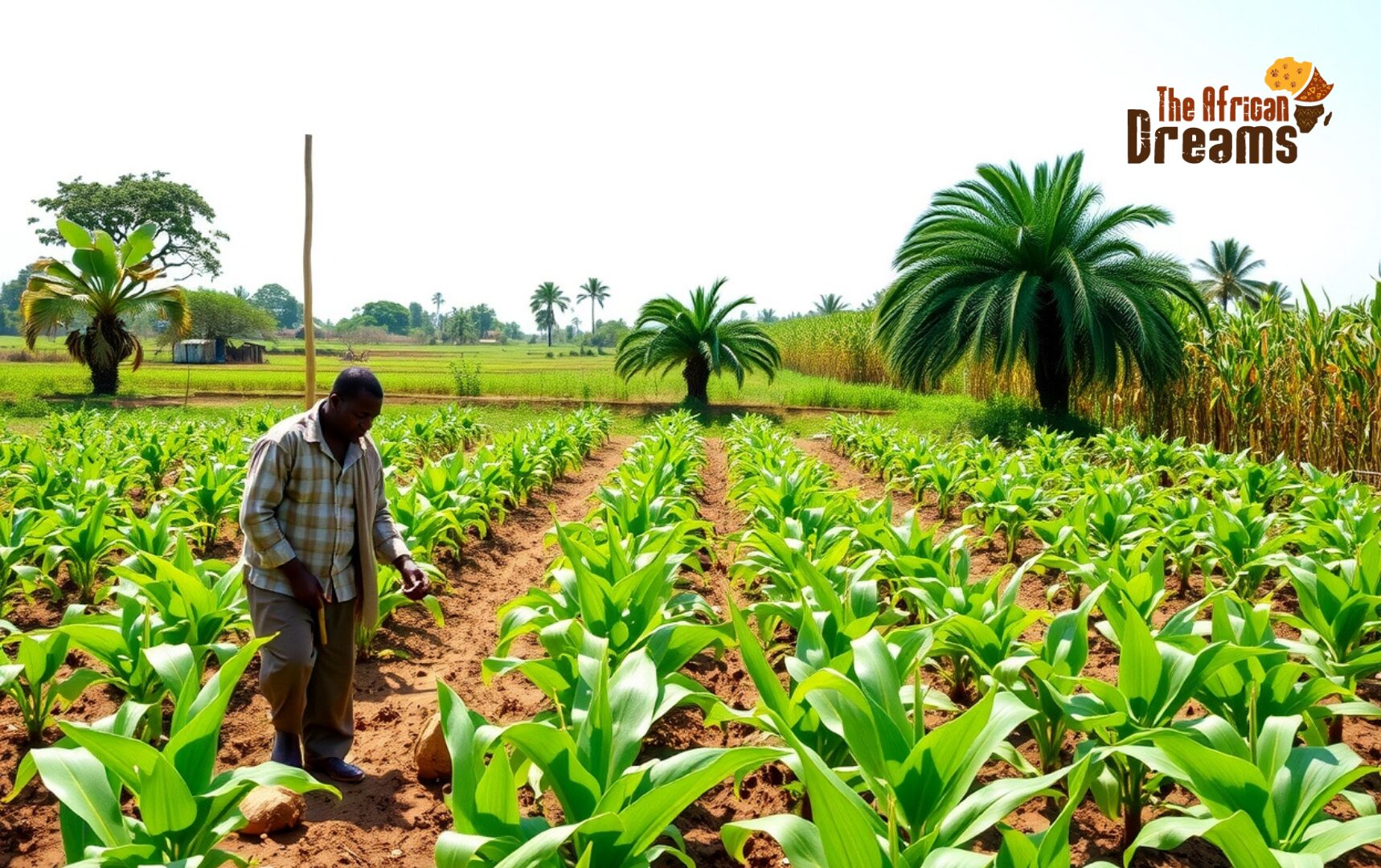
Gabon is famous for its natural resources like oil and minerals. But now, the country is looking to grow in a new way—through farming. Gabon wants to reduce its dependence on these traditional sectors and focus more on agriculture. Even though Gabon’s farming industry is still developing, there is excellent growth potential.
In this article, we’ll meet Jules, a farmer from Ogooué-Ivindo. His story shows the positive changes happening in Gabon’s farming sector. Let’s follow Jules as he works his farm and see how investors can join in to help transform Gabon’s agricultural future.
Article Highlights
A Farmer’s Dream: The Story of Jules
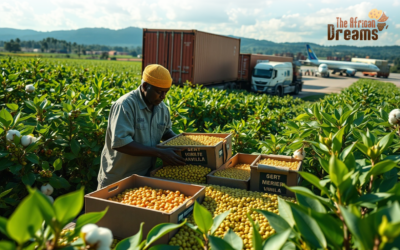
In the early morning, Jules works on his small family farm, where he grows cassava and maize. These are common crops in Gabon. For years, Jules faced many challenges. The transportation system made it hard to sell his crops at the market. He didn’t have good seeds, and there wasn’t much help for farmers like him. To survive, Jules often relied on imported food.
But now, things are changing. The Gabonese government knows they need to grow more food locally and reduce how much they import. This shift has given Jules hope. With the support of the National Chamber of Agriculture (CNA), his village now has better seeds and tools. For the first time, Jules can think beyond just feeding his family. He dreams of turning his small farm into a successful business.
Gabon’s Agricultural Landscape
Current State of Agriculture
Most farms in Gabon, like Jules’, are small, family-run operations. Across the country, about 70,000 small farms grow only enough for the farmers’ families to eat. Farming only makes up about 6.4% of Gabon’s economy, and imports around 60% of its food. It means a huge opportunity to grow more food locally and expand the farming industry.
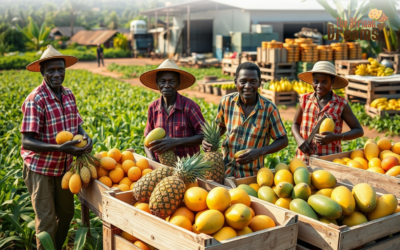
Jules grows cassava, maize, plantains, and other fruits. These crops help feed local communities, but they haven’t yet reached their full potential as a source of income. Farmers like Jules could sell more in Gabon and beyond with more investment in growing and processing these crops.
Government Support
The Gabonese government is working hard to support farmers like Jules. The National Chamber of Agriculture (CNA) plays a significant role in this effort. The CNA helps local farmers connect with supermarkets and food companies so they can sell their crops. One of the main goals is to reduce food imports and build a robust farming industry.
Thanks to the government’s help, Jules has been able to grow more crops and sell them in bigger markets. This change has made a big difference in his life and his community.
Opportunities for Investors in Gabon’s Agricultural Sector
-
Crop Production
With its rich soil and good weather, Gabon is a great place for farming. Investors can choose to grow staple crops, like cassava and maize, or high-value crops, like cocoa and palm oil. Jules recently started planting cocoa, which he hopes to sell in the global market. The demand for sustainable cocoa is rising, and this crop could bring him higher profits. Investing in crops like these helps local farmers and creates new opportunities for exporting Gabonese products.
- Livestock Farming
There is also a big opportunity in livestock farming. As Gabon’s population grows, the demand for animal products like chicken and beef also increases. Jules’ neighbors have already started raising chickens, reducing the need to import poultry. Investors who support local farms can help grow the livestock sector, making Gabon more self-sufficient and creating jobs in rural communities. - Agro-Processing
Another great investment opportunity is agro-processing. This involves turning raw farm products into goods ready to sell. By investing in processing factories for crops like cassava, maize, and tropical fruits, investors can add value to these products. Jules dreams of seeing his cassava turned into flour or snacks sold in Gabon’s cities. This would increase his income and create more jobs in his village. Agro-processing helps farmers make the most of their harvests and supports the local economy.
Challenges and Solutions in Investing
Inadequate Infrastructure
One of the biggest problems for farmers like Jules is poor infrastructure. Bad roads, few storage facilities, and limited transportation make it hard to get fresh products to market. As a result, food spoils before it can be sold, and profits drop. This is especially tough for small farmers who rely on quick sales.
However, the government and its partners are working on improving roads, building warehouses, and making transportation easier. Investors can play a key role by helping to improve these systems, ensuring that products get to market faster and in good condition.
Limited Access to Finance
Another challenge for small farmers is finding the money they need to grow their farms. Jules, like many others, struggled to get loans or financial help. In the past, farmers couldn’t get the funds needed to invest in their farms.
But things are changing. With the help of international organizations, local banks, are now offering loans explicitly designed for agriculture. These new financial options make it easier for farmers to borrow money, buy better tools, and grow their farms into successful businesses.
Bureaucratic Hurdles
Dealing with government processes can take time and effort. There are often long delays in getting approvals, making it hard for farmers and investors to move forward with their plans.
However, Gabon is improving its legal and regulatory systems. By working with local authorities and organizations like the National Chamber of Agriculture (CNA), investors can avoid delays and get their businesses up and running faster.
Why Invest in Gabon’s Agriculture?
Investing in Gabon’s agriculture isn’t just about making money. It’s also about helping local communities and reducing the country’s need for food imports. Jules’ farm, for example, has grown from a small operation into an important part of his local economy.
For investors, Gabon offers:
- Diverse Opportunities: There are many areas to invest in, from crop production to livestock farming.
- A Growing Market: Gabon is working hard to reduce its dependence on imported food, creating more demand for locally grown goods.
- Sustainability: Investing in sustainable farming practices ensures long-term success and helps protect the environment.
Final Words
Today, Jules stands proudly on his thriving farm. His hard work, government support, and investment have turned his small family farm into a growing business. His story shows the incredible potential of Gabon’s agricultural sector.
For investors, now is the perfect time to get involved. Gabon’s farming industry is ready for growth, offering financial rewards and positive social impact. By investing in agriculture, you can help Gabon become more self-sufficient while benefiting from this promising sector’s future. Like Jules’ journey, Gabon’s agriculture promises success and opportunity.
0 Comments