
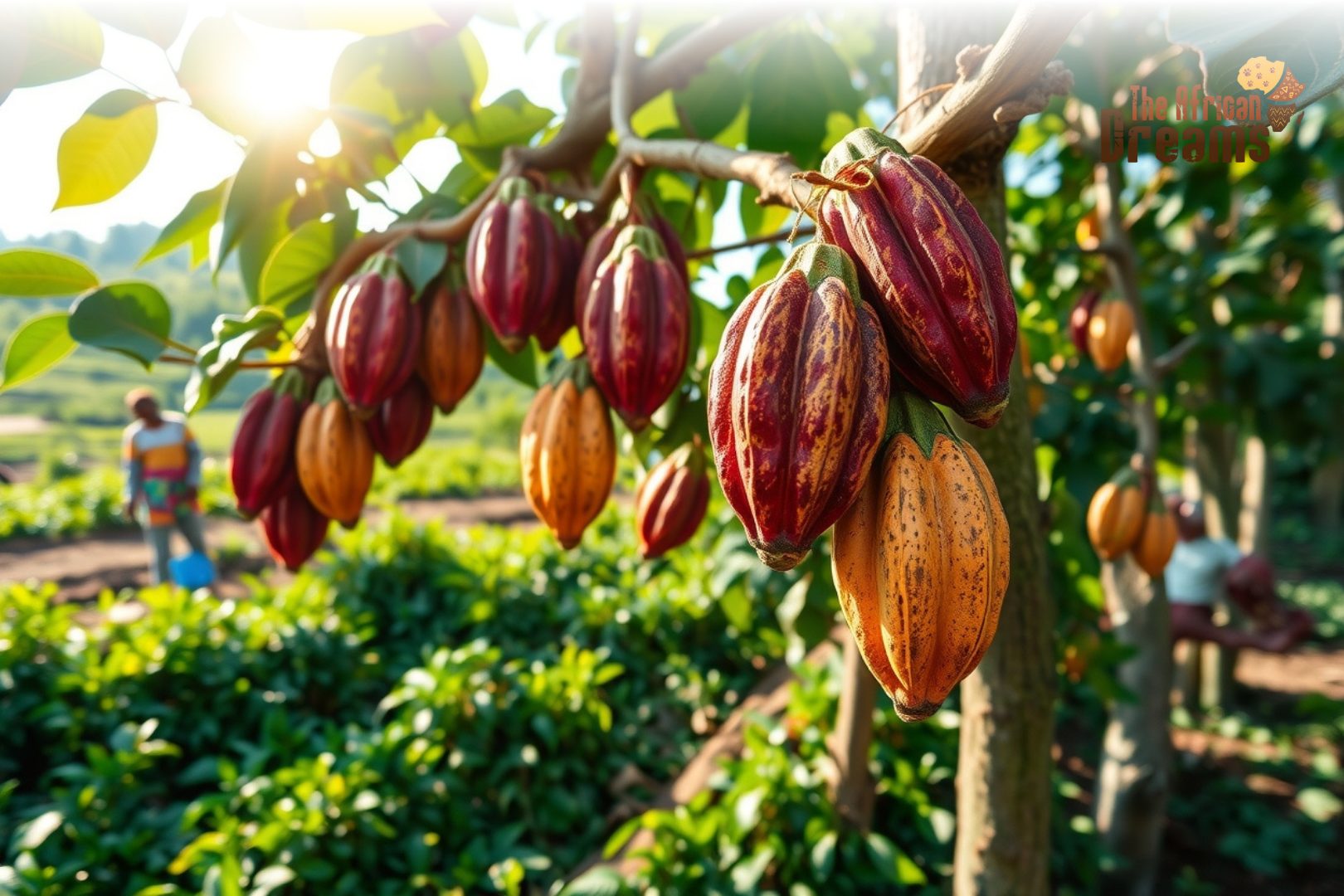
Want to invest but need to know where to put your money? Worry no more because we have got you covered! Liberia, a country in West Africa, is known for its agriculture. Employing about 70% of the economy, agriculture is Liberia’s backbone. Cocoa plays a vital role in its agriculture. Annually, Liberia produces about 10,000 metric tons of cocoa beans. It provides income and food security to about 40000 smallholder farmers. Liberia is the 16th largest exporter of cocoa beans. It has fertile soil and the perfect climate for growing cocoa. This article explores the Liberian cocoa industry and investment opportunities.
Growing Cocoa in Liberia
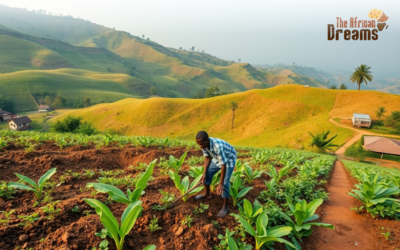
In Liberia, smallholder farmers process cocoa from seed to beans. Smallholder farmers form the backbone of this industry. They use methods passed down through generations. These practices are deeply rooted in the local culture. Recently, there has been a shift towards more modern agricultural practices. Farmers are including new techniques in their farming. They are getting help from NGOs such as Solidaridad for doing so.
Several organizations are helping to implement new farming techniques. Like, Solidaridad and the European Union. Farmers are using these new techniques in their farming. These include using improved cocoa seed varieties. These enhanced varieties are both high-yielding and resistant to common diseases. These changes are helping farmers increase their cocoa production sustainably. This shift in farming practices is crucial for Liberia. It is turning cocoa farming into a reliable source of income for families. It enhances the sustainability and economic viability of farming over time.
Major Regions to Grow Cocoa in Liberia
Liberia’s cocoa production thrives in its central and northern regions. It flourishes particularly in Bong, Lofa, and Nimba counties. The rich soil and favorable climate of these areas are suitable for cocoa cultivation. The natural resources in these regions support the growth of cocoa trees, helping them produce beans rich in flavor.
The choice of these regions for cocoa cultivation is strategic. It leverages the natural advantages these areas offer. Hence, this ensures that the cocoa produced is high quality and appealing to international markets. This is crucial for Liberia as it continues to build its reputation in the global cocoa market.
Programs like the Cocoa Value Chain Development Programme target these regions to enhance yields and improve the quality of cocoa beans. This strategic focus is designed to uplift the local economies and provide sustainable income sources for the communities involved.
Liberian cocoa naturally meets organic standards since the majority of farmers do not have the resources or access to buy chemical fertilizers and pesticides. Premium markets often require organic certification for cocoa, and the minimal use of inputs on Liberian farms could facilitate obtaining this certification more easily.
Current State of Cocoa Production
The cocoa industry in Liberia is experiencing a significant transformation. Recent years have shown a notable increase in production levels. The increase is due to investments in farmer education and infrastructure improvements. Programs like the Cocoa Value Chain Development Programme have been crucial. Such programs offer training for farmers to improve their production methods.
Despite these advancements, the industry faces challenges. One such challenge is the fluctuating global cocoa market. There is also a lack of a proper supply chain. These factors affect farmers’ income and the stability of the cocoa market in Liberia. However, the government and international partners are addressing these issues. They are working to create a more resilient and profitable cocoa sector. Liberia is emerging in the global market for its high-quality cocoa.
Increased governmental and non-governmental investments are supporting this positive trend in the sector.
Existing challenges and future potential
The cocoa industry in Liberia has faced significant setbacks due to years of civil conflict and the 2014 Ebola outbreak. These factors drastically reduced cocoa production. Despite these challenges, the government and various partners are working to improve this sector.
Compared to other countries, cocoa production in Liberia remains modest. Currently, local farmers are operating at roughly 20% of their potential capacity. This presents many opportunities for improvement in processes and products within the sector. And also shows why Liberian Cocoa has true investment potential.
The costs associated with land preparation and seeds are remarkable in Liberia. As a result, the planting of new cocoa trees is not in practice.
On the other hand, spending on pesticides is low, and modern farming tools are rarely used. Hence, crops are more susceptible to pests and diseases. However, it’s encouraging that the cocoa value chain in Liberia is competitive, with a fair distribution of value. A survey conducted among 179 cocoa farmers in the Bong, Lofa, and Nimba counties highlighted several key issues.
A major concern is the age of the cocoa trees, as more than half are over nine years old and becoming less productive. Investment can help farmers plant new cocoa trees and help improve the old trees. Many farmers face challenges in accessing important resources like pesticides and fertilizers. As a result, this leads to less yield and more pest problems. Also, traditional financing methods are used. With targeted innovations and strategic interventions, there is potential for the cocoa sector to become a catalyst for economic transformation in Liberia.
Targeted innovations and strategic actions can help the cocoa sector grow. This could make it a key driver of economic change in Liberia.
Why should you invest in Liberia's Cocoa?
- Investing in Liberia’s cocoa industry offers promising prospects for several compelling reasons. Investors looking to make a meaningful impact while also achieving returns will find Liberia’s cocoa sector an attractive opportunity.
- Notable investors in Liberia’s cocoa sector include international development agencies like the European Union and NGOs such as Solidaridad. These organizations have helped in funding and supporting growth initiatives. Their involvement helps mitigate investment risks and underscores the sector’s potential.
- Moreover, the small scale of Liberia’s cocoa farming community and the genetic diversity of its cocoa offer unique marketing advantages. These can be leveraged in niche markets globally.
- Regions where there is high demand for small-batch production can leverage Liberia’s cocoa industry. This aspect makes Liberia’s cocoa appealing to specialty markets. It also enhances its value as a rare commodity.
Investing in Liberia’s cocoa promises financial returns and also supports sustainable development. This makes it a strategic choice for those looking to invest in agriculture with a conscience.
Conclusion
Liberia’s cocoa industry is a promising area for investment. It is a sector rooted in the nation’s agricultural base and driven by dedicated smallholder farmers. As Liberia embraces modern agricultural practices and gains support from international development agencies, its cocoa sector is increasing production. Investing here offers financial returns and supports local communities by enhancing livelihoods and promoting environmentally friendly farming. By investing in Liberia’s cocoa, you contribute to economic transformation. So wait no further and invest now!
0 Comments