

Over the past 50 years, the prevalence of gluten intolerance has significantly increased. The condition affects one in 70 people and has surged the demand for gluten-free substitutes. Cassava, a starchy root vegetable, is becoming a major player in this market because it is naturally gluten-free. This increase in demand presents an excellent opportunity for investors to profit from cassava production and its many uses.
Cassava: The Gluten-Free Diet Hero
Rumi is a father of three who avoids gluten. Cassava, a cooking staple, helps him deal with his issues. Being health-conscious, he knows cassava flour can be used instead of wheat flour while baking and cooking. He maintains his metabolic parameters—blood sugar, cholesterol, and triglycerides—by regularly consuming cassava. In addition, Sarina, his wife, takes cassava to reduce the risk of many diseases. Carbohydrate content is also high.
BuyMe's Cassava Success Story
BuyMe is a store that imports cassava directly from Ghana, and Rumi and Sarina regularly purchase cassava from them. BuyMe buys authentic, fresh cassava from Ghana because it values giving its loyal clients high-quality items.
In addition, they have launched a brand-new range of products in their company that only use cassava. They used cassava to make various items, including tapioca, French fries, mashed cassava, chips, and bread made with cassava flour. These products have now become bestsellers every day. It is curious to us to know why he only introduced a Cassva-dependent product line and why the owner gave each of the following factors top priority when choosing Cassva:
In general, cassava chips have less fat and sodium than potato chips. The dietary fiber in cassava chips facilitates digestion and increases feelings of fullness. They also supply magnesium, potassium, and vitamin C.
Cassava bread has a higher vitamin C content than wheat bread. It also has a denser texture, a nutty flavor, and is gluten-free.
One popular gluten-free delicacy is cassava cake. It’s commonly made with sugar, coconut milk, and grated cassava.
They are made without gluten from cassava tubers. Meanwhile, mashed cassava is smooth and creamy, while french fries are crunchy.
Since tapioca pearls don’t contain gluten, those with gluten sensitivities can safely eat them.
The owner is really happy with his plans because many customers are enjoying gluten-free bubble tea, chips, french fries, bread, and delicious cake. He also asked why he chose Ghanaian cassava over cassava in other countries. Let’s explore BuyMe’s rationale for choosing Ghanaian cassava:
Ghanaian cassava is preferred for its organic production. It is free from pesticides and chemicals, ensuring a consistent supply of high-quality cassava.
Ghana's Cassava Production
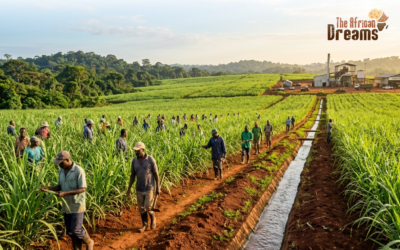
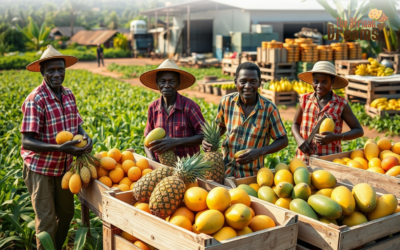
With an amazing 24.9 million metric tonnes, Ghana is the world’s fourth-largest cassava producer. In 2019, Ghana’s cassava production reached an estimated 22 million metric tonnes, cultivated on around 1,027,755 hectares of land.
Ghana is expected to generate over 20,873,022 metric tonnes of cassava in 2023. This represents a 1% increase in production volume compared to the preceding year. Over the past two decades, they have significantly improved their cassava production method.
Exports and Economic Impact
Ghana exported cassava products worth $1.59 million to the United States, $261,000 to the UK, and $175,000 to Canada. Germany received $58,600 in cassava exports, while the Netherlands received $53,200.
These countries prefer to import Ghanaian cassava over those from other countries because of its advantages. Ghana’s strong scientific research to improve resistance, yield, and starch content is also advantageous, making it different. The global demand for cassava makes Ghana’s people more innovative, and gradually, they have improved their methods.
Government Support and Innovations
Government Support and Innovations in the Cassava Industry: the Ghanaian government recognizes the importance of the cassava industry and provides significant support for related activities. Their policies focus on areas such as food security, export promotion, and sustainable agriculture. Investments in infrastructure and research facilities have led to significant innovations in cassava production.
In Ghana, Centre for Scientific and Industrial Research (CSIR) plays a crucial role in this. This offers research and extension services that help farmers improve their processes and increase their yields.
Since 1993, Ghana has released 24 improved cassava varieties. These varieties are well-suited to local conditions, enhancing yield and resilience. The varieties produced are of high quality, such as Afisiafi, Abasafitaa, Tekbankye, and Agbelifia. These improved varieties contribute to Ghana’s status as the fourth-largest producer of cassava globally, with an impressive output of 24.9 million metric tonnes.
Opportunities in Ghana’s Cassava Industry
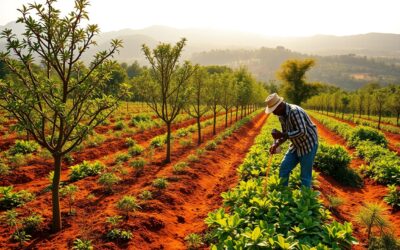
Lofia, an investor, has recently begun investing in Ghana’s cassava production. He made this decision while observing Ghana’s improved cassava production techniques. Ghana’s cassava production stands out due to its innovative techniques, which lead to a distinctive feature: their cassava cultivars are perfectly suited to particular environmental circumstances, making them a reliable choice for farmers. Experts have devised detailed instructions for farmers to follow to cultivate their crops.
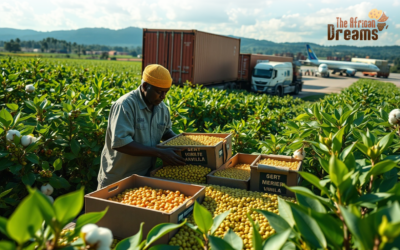
Ghana exports various items, such as food-grade flour, cassava chips, and starch, to markets outside of its own country. The surplus production of 1.7 million metric tonnes holds promising commercial potential.
Cassava is used not only as food but also as a raw material for animal feed and various industries. As Ghana shifts its focus from cultivating food crops to utilizing industrial resources, agricultural income may increase. Despite its challenges, Ghana has the potential to enter global markets by converting cassava into higher-value products like consumable flour. These manufactured commodities have economic value.
Investing in the cassava business might provide stability due to the consistent global demand for this crop. The cassava industry in Ghana includes adding value to cassava, such as producing cassava flour and starch. Investors also have the opportunity to investigate interconnected industries such as food processing or agribusiness. Like Lofia, several entrepreneurs, investors, and businesses are now exploring the potential of investing in cassava processing facilities, distribution networks, or export channels.
Conclusion
Cassava Ghana’s cassava sector presents a lucrative investment opportunity driven by government support, innovative production methods, and rising global demand for gluten-free products. With reliable supply, diverse applications, and established export markets, investing in Ghana’s cassava industry supports sustainable agriculture and promises significant returns. Join the success story of Ghana’s thriving cassava market.

0 Comments