
Introduction
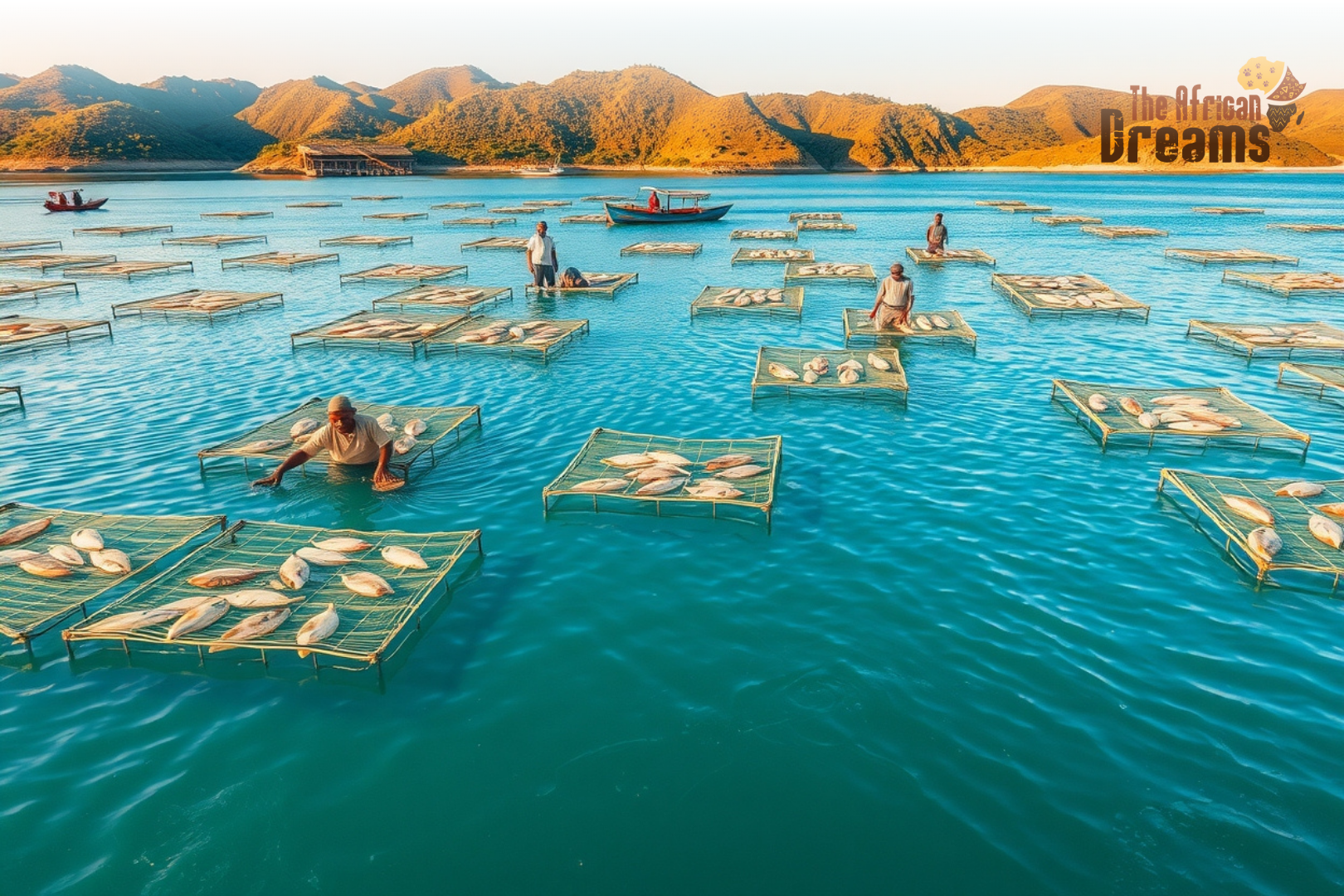
Zimbabwe is a country in Southern Africa, well known for the stunning Victoria Falls, its ethnic diversity, and its ecological legacy. The country has many lakes and rivers that support a growing fishing industry. In Zimbabwe, fish farming has emerged as one of the top investment destinations. For this, Zimbabwe is now among the top ten in Sub-Saharan Africa, having made significant progress in the fish farming sector in the past ten years. Zimbabwe’s fisheries industry plays a significant role in rural livelihoods, employment, and food security. This blog discusses the current state of the fisheries industry, identifies its primary challenges, and considers potential funding sources.
Fish Species Raised in Zimbabwe
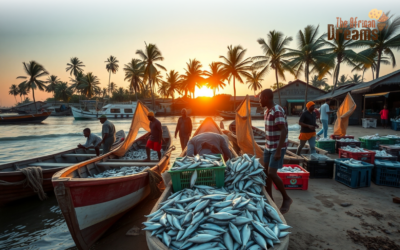
Fish is a big source of protein and essential nutrients. Therefore, Zimbabwe’s fisheries industry is an important part of the local community’s lives. Additionally, it is essential to its socioeconomic growth. The fishing industry makes about 4.1% of the country’s GDP in 2023 (World Bank, 2023).
In Zimbabwe, the demand for fish is increasing day by day. For commercial and subsistence needs, many fish species are commonly bred. The primary fish species raised for commerce are:
1. Nile tilapia (Oreochromis niloticus)
- Nile Tilapia production is more in Zimbabwe, and it accounts for about 90%. The primary source of Nile tilapia is Lake Kariba, which is located on the Zimbabwean Border of Zimbabwe.
- Neil Tilapia is better than other fishes due to its fast growth, the farmers are more interested in Nile tilapia production.
2. Rainbow Trout (Oncorhynchus mykiss)
- Based on demand in Zimbabwe, Rainbow Trout comes in second.
- Rainbow Trout is growing in the freshwater in Nyanga, which is located beside the border with Mozambique in Manicaland province of Zimbabwe.
3. African Catfish Sharptooth (Clarias Gariepinus)
- African Catfish growth is better than the growth of other fish. Because of their growth, the farmers are more interested in fishing catfish.
- The positive site of growing catfish is more because they are not affected by the low quality of water.
Zimbabwean fish farms locations:
- There are 3 types of fish farming present in Zimbabwe. They are Commercial, Industrial, and Subsistence.
- Lake Kariba is the largest place for fish production, and the fish are produced by Lake Harvest Aquaculture.
Temperature for raising fish:
- The Lake Kariba region is perfect for fish rising, and the temperature range for rising fish is around 27 to 32°C. For a perfect temperature, it is easy to cultivate Nile tilapia in Lake Kariba.
- To grow Rainbow trout, a perfect temperature is needed, and the temperature should be between 7 and 18°C.
- A temperature between 25 and 30°C is considered a perfect temperature for African catfish growth. Among these temperatures, the African catfish growth is higher than at any other temperature range.
Importance of Fisheries in Zimbabwe:
Fisheries are playing a vital role in living and providing food security. The fisheries industry will be crucial to Zimbabwe’s economy as the demand for fish rises. In addition to providing food and jobs, fish is a source of revenue for people engaged in aquaculture, fisheries, and fish trading.
Fish farming and lake and small river fishing are both considered forms of fishing in Zimbabwe. A large number of people rely on fishing to support themselves. About 40.3 million people rely on fishing for their livelihood.
Fish is a significant source of vital nutrients, particularly proteins, lipids, vitamins, and minerals. A healthy 18–20% of protein is found in fish. Fish is also a good source of all eight essential amino acids, including valine, methionine-cysteine, phenylalanine, leucine, isoleucine, threonine, histidine, lysine, and tryptophan.
Through exporting, the fisheries industry contributes to the national economy. Zimbabwe exported $1.72 billion between January and March of 2024, a 25 percent increase over the $1.38 billion it exported during the same period in 2023, according to 2024 figures. This industry will contribute to the nation’s economic growth and general well-being (Government of Zimbabwe, 2024).
Due to rising fish demand and export rates, which would have a significant impact on Zimbabwe’s economic standing, the government is attempting to boost investment in the fisheries industry. Zimbabwe’s economic situation will improve, rural residents will be able to live in security, and the country’s citizens will be able to eat safely if they invest more in fishing and fish farming. The agricultural ministry can attempt to establish a sustainable environment in the fisheries industry in light of all of this.
Investment in Zimbabwe’s Fisheries Sector
- The goal of the recently proposed Fisheries and Aquaculture Bill is to lower expenses and expedite procedures for those engaged in fish farming and associated investments. Growth and success in the industry are promoted by providing assistance and simplifying rules.
- To encourage the expansion of the fish farming sector, the government has taken action. They want to increase the sector’s profitability and accessibility for a larger group of people by lowering additional fees and taxes. It is anticipated that more investment and involvement in fish farming would result from these legislative reforms. Increased output and better living conditions for people working in the sector could follow.
- The government is trying to improve the economy and reduce unemployment. The objective is to increase economic growth and income levels by fostering important industries and generating more job opportunities. It is anticipated that these initiatives will contribute to economic stabilization and improve individuals’ quality of life. One important element in achieving long-term development is lowering unemployment.
- Through financial support, training initiatives, and market access opportunities, FISH4ACP is actively assisting Zimbabwe’s fish sector. The program seeks to improve local fishermen’s livelihoods and skill sets. It contributes to a more lucrative and sustainable future for the sector by opening up new markets. The whole growth of Zimbabwe’s fish value chain is greatly aided by this assistance.
- The population of Zimbabwe has the ability to improve rural villages’ income and food supply. Rural residents can raise their standard of living and generate more food locally by investing in agricultural and fish aquaculture. This not only lessens hunger but also opens up new business prospects. To create a more robust and independent economy, rural development must be encouraged.
- The Zimbabwe population can increase food supply and earnings for the rural people. As beef is pricier, the people who are unable to afford beef can easily use fish for their meal, which will help them to consume a large amount of protein. (Food and Agriculture Organization of the United Nations, 2023).
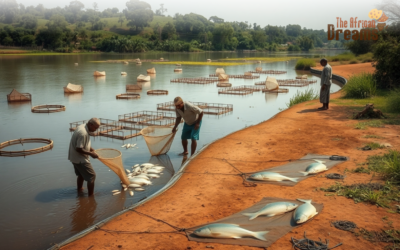
- Fish contributes to better dietary health and offers vital elements. The short harvesting season, which typically lasts six to nine months, is what makes fish farming even more alluring. This rapid turnaround promotes money generating as well as the supply of food.
- By using enough clean water and constructing sizable ponds to increase productivity, farmers can increase fish production. This helps the fisheries industry in Zimbabwe thrive overall. In order to help fishermen succeed in their endeavors, the Zimbabwe Parks and Wildlife Management Authority (ZPWMA) also provides them with free advice. It is anticipated that this assistance will boost harvest rates and fortify the sector.
- Farmers can differentiate fish species using hormones, which will aid fishermen in producing fish and increase the profitability of fish farming (The Fish Site, 2009).
Challenges & Opportunities of Zimbabwe’s Fisheries Sector
- Many individuals used to avoid eating catfish because of their cultural and religious convictions. Perceptions can, however, progressively shift with successful marketing and consumer awareness initiatives. Raising public awareness of catfish’s safety and nutritional worth can contribute to its increased appeal. This may eventually increase demand and help the catfish market expand.
- The most widely farmed fish in fisheries is tilapia; however, it has some detrimental consequences on the environment. It disrupts the natural equilibrium by competing with native fish for food and space. Local fish species are producing fewer fish as a result. Protecting local fish populations and preserving biodiversity requires more careful management of tilapia production.
- There are insufficient distribution and transportation networks. Farmers can expand their operations by investing in a distribution and transportation network. Urban water pollution is causing some farmers to abandon their farming projects. In order to improve the water quality for fish farming, some environmental regulations should be closely adhered to, and waste management should be implemented.
- Farmers failed to produce common carp in Lake Manyame between 1997 and 2008 due to low water quality. This emphasizes how crucial it is to enhance water quality prior to introducing new fish species. Furthermore, rather than operating tiny fish farms as sustainable enterprises, many farmers rely significantly on donor funding to get them started. Fostering long-term self-sufficiency is essential to the aquaculture industry’s expansion.
- The production and transportation process calls for specific expertise and tools, such as oxygen transport systems. Some training programs can be set up, and technology can be enhanced, to lessen these difficulties.
- The Zimbabwean Department of Fisheries and Aquatic Resources demonstrates that the government is concentrating on the growth of the fisheries industry. The rise of fish farming will continue to grow with increased government backing, benefiting both the nation’s economy and farmers. The government can also increase funding to develop the fishing industry. (Mabika & Utete, 2024).
Conclusion
Zimbabwe’s fisheries industry is helping to improve food security, create jobs for unemployed people, and stimulate the economy. By creating laws like the Fisheries and Aquaculture Bill, lowering additional fees or taxes, and setting up advisory programs, the government is assisting fishermen. In addition, the FISH4ACP Organisation offers fish farmers financial support and training to enhance their standard of living and the nation’s economic standing.
However, other issues, such as inadequate infrastructure, increased urban water pollution, cultural and religious beliefs, and limited market demand for certain fish species, should receive more attention. Although it is a popular fish, tilapia damages local fish. Better management is required to lessen this issue. Aside from that, enhancing transport infrastructure while closely adhering to environmental regulations and encouraging the capture of specific fish species in a given region can help resolve these problems. Overall, Zimbabwe’s fisheries industry can undergo significant change with the correct government initiative and investment, benefiting farmers and the country’s economy.

0 Comments