
Introduction
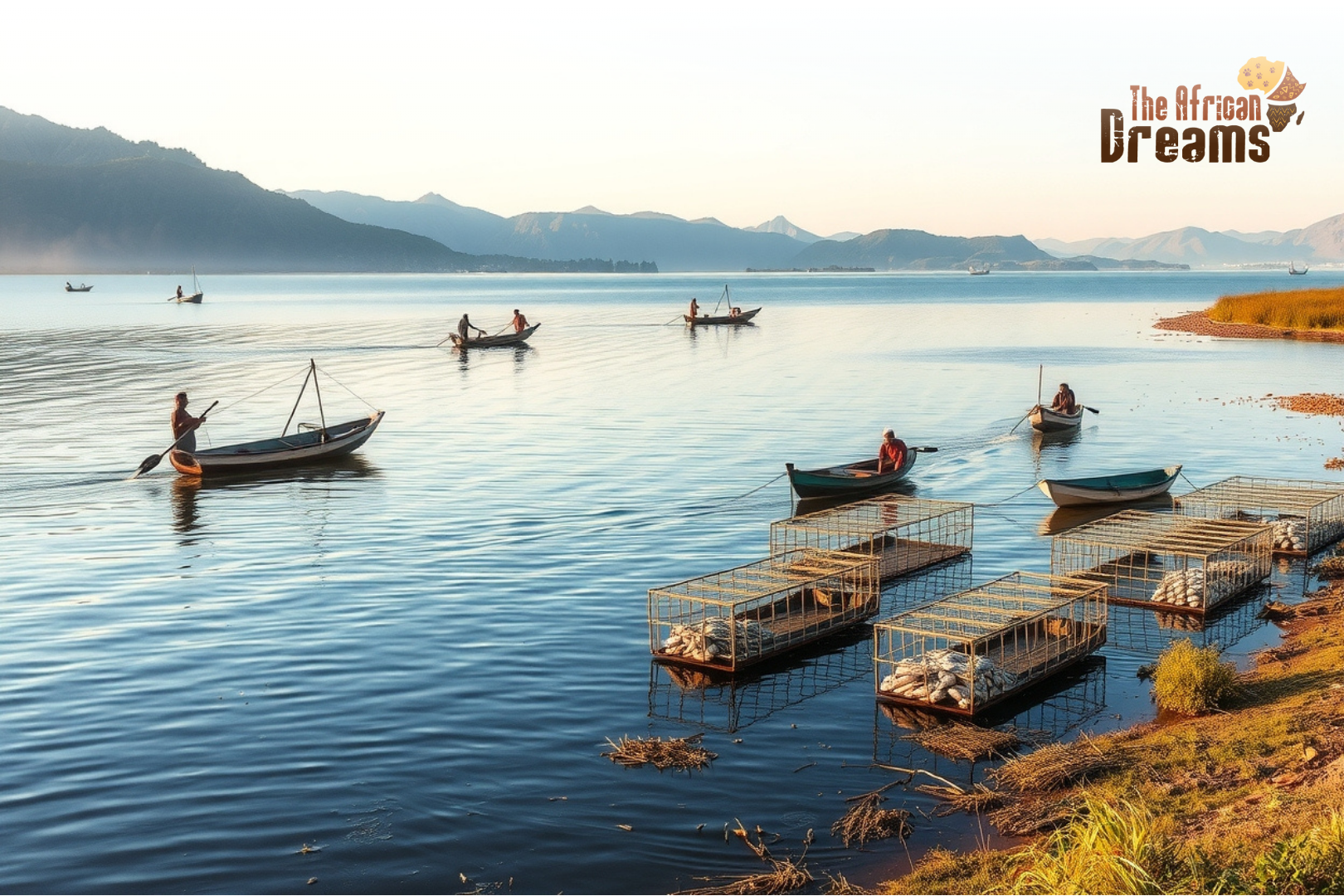
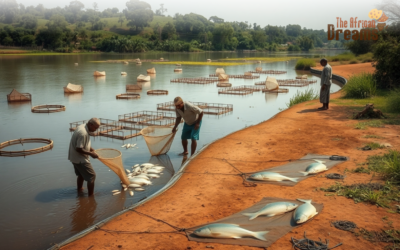
Zimbabwe, a beautiful country in Southern Africa, is rich in natural resources and has vast water bodies. Lake Kariba is one of the major fishing grounds of the country. In Zimbabwe’s economy, fisheries contribute to food security, job creation, and employment in rural areas. It covers both captured fisheries and aquaculture. To tackle challenges like overfishing and habitat loss, the government is working to make fishing more sustainable by expanding fish farming, maintaining stricter rules, and encouraging local communities to help manage and protect fish resources for the future. This blog discusses the overview of fisheries production & management in Zimbabwe, roles of institutions in fisheries development in Zimbabwe like- Zimbabwe Parks and Wildlife Management Authority (ZPWMA), Department of Research and Specialist Services (DR&SS), Department of Livestock Production (DLPD) and Rural District Councils, recommendations to the production challenges in the fisheries industry, management challenges of fisheries in Zimbabwe, challenges and recommendations in fisheries management.
Article Highlights
Overview of Fisheries Production & Management in Zimbabwe
Roles of institutions in fisheries development in Zimbabwe, like Zimbabwe Parks and Wildlife Management Authority (ZPWMA), Department of Research and Specialist Services (DR&SS), Department of Livestock Production (DLPD), and Rural District Councils
Recommendations for the production challenges in the fisheries industry
Management challenges of fisheries in Zimbabwe
Challenges and recommendations in fisheries management.
Overview of Fisheries Production & Management in Zimbabwe
Zimbabwe’s fisheries and aquaculture sector plays an important role in the country’s food security and employment. Major lakes like Lake Kariba support Zimbabwe’s commercial and traditional fishing. Kapenta and Tilapia are the key species for this sector. The Department of Fisheries and Aquatic Resources Development oversees management, research, and conservation of Zimbabwe’s fisheries and aquaculture sector. Different government initiatives like the Presidential Community Fisheries Scheme are boosting production and reducing dependence on wild stocks, which helps with the expansion of aquaculture. Like many sectors, this sector also faces challenges such as overfishing and habitat destruction that persist. Co-management, stricter regulations, habitat restoration, and aquaculture investments can be some of the solutions to ensure a sustainable and productive fisheries industry.
To know about fisheries and aquaculture in Zimbabwe, you can check Fisheries and Aquaculture in Zimbabwe
Roles of Institutions in Fisheries Development in Zimbabwe
| Name of Institution | Roles |
| Zimbabwe Parks and Wildlife Management Authority (ZPWMA) |
ZPWMA is mainly in charge of fisheries research and management within the Parks Estate. Fisheries Research Station: Lake Kariba, Lake Chivero, Sebakwe, Mutirikwi, Nyanga, and Matobo. Aquaculture Research Station: Lake Chivero and Lake Mutirikwi. Breeding: Nyanga Research Station breeds trout for stocking in dams and nearby rivers. Nutrition: Research focuses on trout production. Health: Studies ensure disease prevention and overall fish well-being, especially for trout. |
Notable water bodies for fisheries development: Lake Kariba, Lake Chivero, Lake Manyame, and Lake Mutirikwi. Government Initiative for management of fisheries: The Parks and Wildlife Act |
|
|
3. Regulations, governance, and monitoring of aquatic resources outside the Parks Estate ZPWMA controls aquatic resources and tracks native and rare fish species. The fisheries management checks include:
The ZPWMA also licenses commercial fishing operations outside the Parks Estate. |
|
|
4. Fish conservation: The ZPWMA oversees the conservation of fish. |
|
| Department of Research and Specialist Services (DR&SS) |
Fisheries Research Institutes: Henderson and Makoholi Research Institutes in Mazowe and Masvingo, respectively. Key focus:
|
Partnering with DLPD, it trains fish farmers and other stakeholders, and also spreads research outputs |
|
|
3. Fish Conservation Conserve native fish species |
|
| Department of Livestock Production (DLPD) |
Monitors and rates fishery projects |
|
2. Training Trains fishermen on sustainable misuse of fish from dams. Trains smallholder farmers on aquaculture. |
|
|
3. Building Ponds: Constructs ponds for suitable fish species. |
|
|
4. Dam stocking Conducts dam stocking, restocking, and surveys to assess fish populations, sizes, and species composition. |
|
Works with RDCs to help communities manage fisheries in small dams. |
|
| Rural District Councils |
Rural District Councils are responsible for managing fisheries in their areas. The ZPWMA works with local authorities, like RDCs, when issuing fishing licenses. |
Challenges & Recommendations for the Production Challenges in the Fisheries Industry
| Challenges | Recommendation |
| 1. Shortage of skilled human capital in both production and management. |
|
| 2. Lack of breeding stock and fingerlings |
|
| 3. Lack of efficient infrastructure of the government |
|
| 4. Lack of economic and financial support |
|
| 5. Lack of nutrition |
|
| 6. Impact of climate change on Fish Productivity |
|
| 7. Lack of marketing |
|
| 8. Lack of secure ownership rights | Develop policies and laws to ensure equal land ownership and inheritance for both women and men. |
Management in the Fisheries of Zimbabwe
In addition to production challenges identified through key informant interviews, further management issues were highlighted. However, it is important to recognize that institutions and governance play a critical role in the success of the fisheries industry.
Significance of Institutions and Governance in Fisheries Management
Previously, the state used to control wildlife conservation in Africa. But weak enforcement and agricultural expansion made the “fortress” conservation model ineffective, which led to a shift toward governance-based conservation. It involved NGOs, communities, and private firms. At the same time, public management also started to evolve, which put more responsibility on community governance. Communities became actively involved in managing water resources, sustaining fish populations, and understanding market dynamics to ensure sustainable livelihoods. As communities take on conservation roles, balancing ecological responsibility with economic sustainability becomes crucial.
Challenges & Recommendations for the Management Challenges in the Fisheries Industry
| Challenges | Recommendation |
|
1. Conflict Between Traditional Leadership and Statutory Bodies in Natural Resource Management |
|
|
2. Impact of Institutional Discoordination on Fisheries Governance |
|
|
3. Impact of Overfishing and Population Growth on Zambezi River Fisheries |
|
|
4. Illegal Fishing |
|
|
5. Water Pollution |
|
|
6. Lack of public access to information on fisheries |
|
Final Words
Zimbabwe’s fisheries sector is indeed a promising sector, contributing significantly to the country’s economy. However, the sector faces many challenges, such as overfishing, weak enforcement, and poor inter-institutional coordination. With appropriate management policies, the sector has a high potential for growth. Institutional development, improved data collection, and establishing cooperation among stakeholders can guarantee such an achievement. Investors can also help grow this sector and contribute to the development of the local community with proper guidance and strategies. With effective governance and cooperation, sustainable techniques, and sufficient resource planning, Zimbabwe can address its problems, leading to a more sustainable and productive fisheries sector.

0 Comments