
Introduction
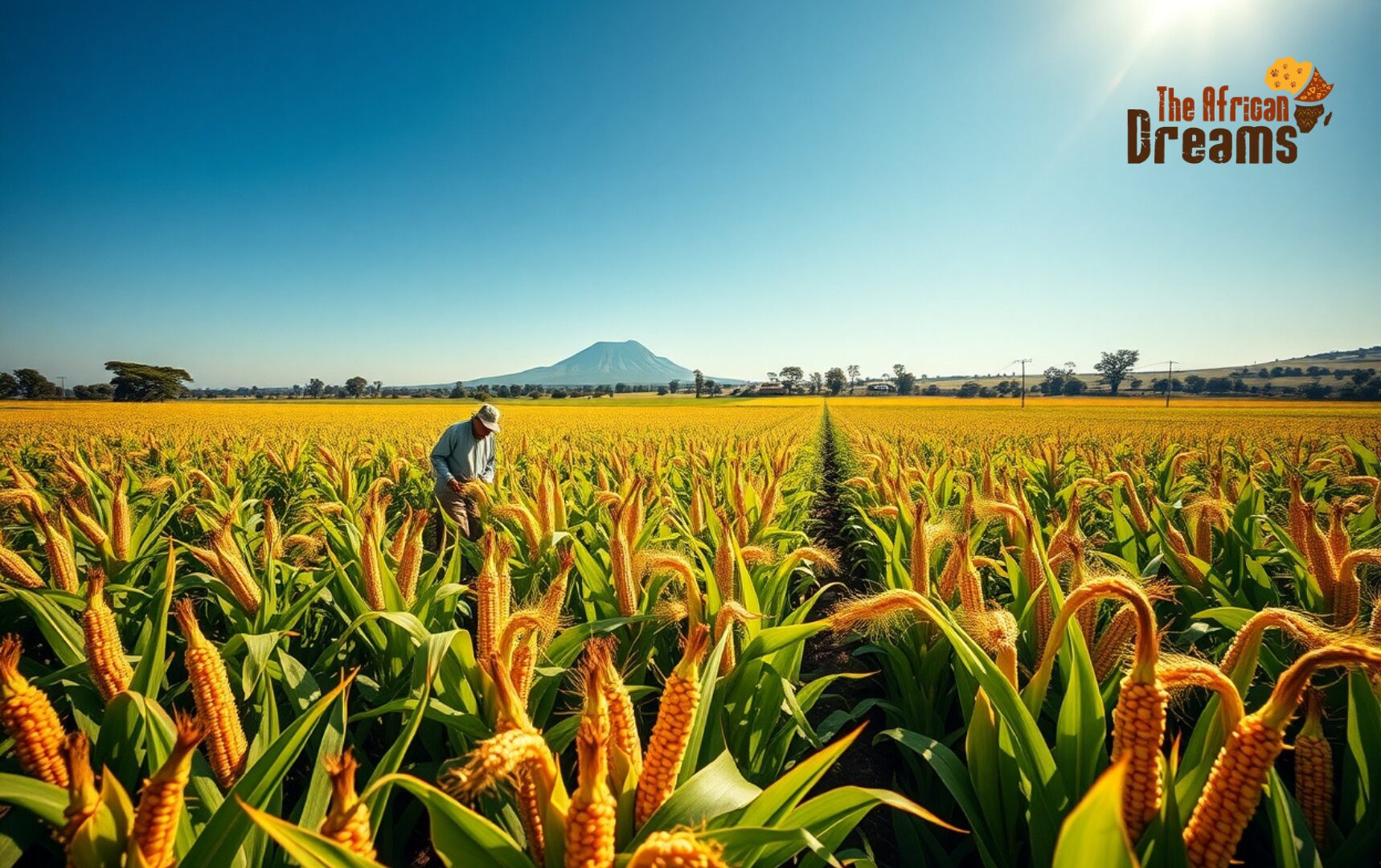
Maize is a staple food crucial to Kenya’s agricultural framework. It is a vital crop for domestic consumption and economic stability. It is the most consumed cereal in the country, with over 54 million people consuming it. Thus, this crop’s production and market dynamics are essential to Kenyan food security. Maize accounts for 3% of the annual GDP and contributes 12% to the country’s agriculture. In 2023, there was a remarkable increase in maize production, amounting to 4.2 million tonnes. 15-20% above the five-year average. (KFSSG) Favorable climatic conditions and strategic agricultural policies facilitated this surge.
The Kenyan government has taken necessary steps to boost the maize production. The government had set an annual target of 40 million bags or 3.6 million tonnes. President Ruto additionally set the target of producing 60 million bags by 2025. Ultimately, this initiative aims to decrease dependency on maize imports. By 2025, Kenya plans to achieve maize self-sufficiency, enhancing food security. The government’s investment in agricultural infrastructure and technology further supports this goal. It promises a sustainable increase in maize output. Such efforts are essential as they aim to meet the local demand and stabilize the maize market.
The Challenge
The maize industry in Kenya faces various challenges that impact its productivity. The most critical issue is the impact of climate change. This manifests in unpredictable weather patterns, including prolonged droughts and erratic rainfall. These conditions affect crop yields, making farming an unreliable income source for millions.
Another major challenge is pests and diseases like the Fall Armyworm and Maize Lethal Necrosis Disease (MLND). These pests and diseases can devastate entire crops, leading to significant production losses. The limited availability of pesticides often hampers efforts to combat these threats. The use of resistant seed varieties is also crucial for managing such infestations.
Economic factors also significantly shape the viability of maize farming. High input costs for seeds and fertilizers place a financial burden on smallholder farmers. Additionally, fluctuating market prices for maize create further economic instability. This, in turn, makes it difficult for farmers to predict their earnings and plan for the future.
The final major challenge is policy and regulatory issues. Government trade policies sometimes exacerbate market problems. For example, import policies can flood the market with cheap maize, undercutting local farmers’ prices and discouraging local production. Some government initiatives aim to support farmers. However, other policies can lead to distortions that negatively impact the agricultural sector.
The Solution
The government and various stakeholders have implemented multiple solutions to address the severe challenges facing Kenya’s maize industry and increase resilience and productivity.
There has been a significant push towards adopting modern practices to curb the impact of climate change. These include using drought-resistant maize varieties and improving irrigation infrastructure. The construction of the Thiba Dam is an example of this infrastructural development. It is expected to increase water availability for agriculture in key maize-growing areas.
The government has taken initiatives to promote pest-resistant seeds and the use of safe pesticides. These initiatives were in response to the threats posed by pests and diseases. Efforts like opening an aflatoxin testing center in Meru are also crucial. This ensures that maize products meet health and safety standards. Thus protecting consumer health and crop quality.
Subsidy programs for fertilizers and seeds have been introduced to reduce high costs. These subsidies are designed to make farming more affordable for smallholder farmers. To this end, the National Fertilizer Subsidy Program (NFSP) started in late 2022. The government has also worked to stabilize maize prices and improve market access.
Finally, on the policy front, reformations were made to support local production better. Additionally, they have helped to reduce dependency on maize imports. Through these changes, the country reduced imports from Tanzania by 42% in 2022 alone. The government aims to protect local farmers by adjusting trade policies. The export restrictions placed by the government played a big part in doing so. This encourages local production, supporting the national goal of achieving maize self-sufficiency by 2025.
Implementation
The government and stakeholders have rolled out a series of practical steps to tackle the challenges facing Kenya’s maize industry. Each step enhances maize production, quality, and market stability. Here’s a detailed look at the implementation process:
- Adoption of Climate-Smart Agricultural Practices:
- Introduction of drought-resistant maize varieties developed by agricultural research bodies distributed to farmers in arid and semi-arid regions.
- Expansion of irrigation infrastructure, such as the ongoing works at the Thiba Dam, promises to enhance water availability for irrigation in drought-prone areas.
- Pest and Disease Management:
- The government has set up aflatoxin testing centers across major maize-growing areas, including a new facility in Meru, to ensure crop safety and quality.
- Distribution of pest-resistant seeds and promoting integrated pest management training sessions for farmers to reduce reliance on chemical pesticides.
- Economic Support for Farmers:
- Implementation of subsidy programs that reduce the cost of crucial inputs like fertilizers and seeds, aiming to lower production costs and boost yields.
- Stabilizing maize prices through strategic reserves and better supply chain management ensures farmers receive fair compensation for their produce.
- Policy and Regulatory Adjustments:
- Revision of import policies to protect local maize from the influx of cheaper foreign maize, thereby supporting local farmers and encouraging domestic production.
- Legislative initiatives foster a more robust agricultural sector, including laws that facilitate more accessible access to credit for farmers and encourage investment in agricultural technology.
This structured approach ensures that each solution is implemented systematically to address the specific needs of the maize industry, from production to market dynamics. The government’s coordination with local and international partners also amplifies the impact of these initiatives, aiming for a robust and sustainable maize sector.
The Results
Implementing strategies to enhance Kenya’s maize industry has yielded significant results, reshaping the agricultural landscape and strengthening economic stability. The introduction of drought-resistant maize varieties and improved irrigation infrastructure, notably from the Thiba Dam project, has increased maize yields even in traditionally low-producing arid regions. These advancements have contributed to a rise in national production figures, with recent reports indicating a 15-20% increase in maize output compared to the five-year average.
Economic support measures, including subsidies for seeds and fertilizers, have lowered production costs for smallholder farmers, enhancing their profitability and sustainability. Government interventions have also stabilized maize prices, providing a more predictable market and enabling better financial planning and investment by farmers.
On the regulatory front, revised policies have curtailed cheap imports, protecting local maize producers and encouraging domestic production. This policy shift supports Kenya’s goal of achieving self-sufficiency by 2025, reducing import dependency, and fostering a more resilient local maize market.
Overall, these results indicate a positive trajectory for the maize sector in Kenya, demonstrating the effectiveness of targeted agricultural policies and interventions.
Final Remarks
The transformative strides made in Kenya’s maize industry underscore the pivotal role of agricultural strategic interventions. As the country moves closer to achieving self-sufficiency in maize production by 2025, the economic and social impacts are increasingly evident. Enhanced agricultural productivity not only bolsters food security but also significantly contributes to the socio-economic development of rural areas, uplifting the livelihoods of countless Kenyan farmers.
The continued focus on innovative agricultural practices, supportive policies, and economic incentives will be crucial in sustaining the gains and overcoming emerging challenges. This case study of Kenya’s maize industry demonstrates the potential for similar agricultural reforms in other sectors and regions, offering valuable lessons on integrating technology, policy, and community engagement in agriculture.
0 Comments