
Introduction: Agriculture in Uganda
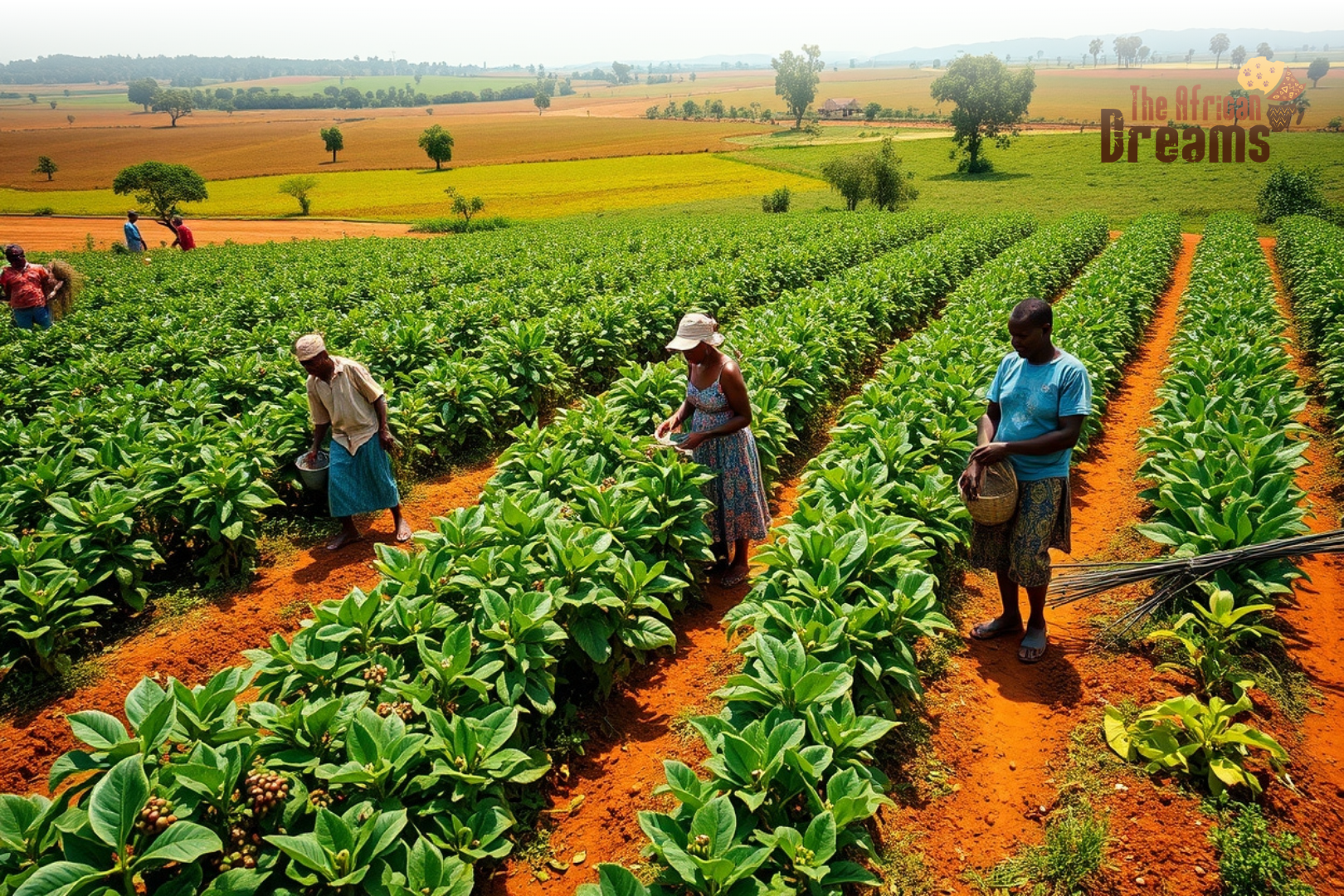
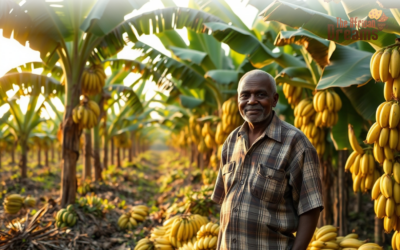
When people talk about agriculture in Uganda, it is known that it has nearly 1.5 million coffee farmers. Mogabi Yusuf is one of them. He lives in Nakaseke District, one of the country’s top coffee-growing regions.
“Before I became a coffee farmer, I only grew maize, beans, rice, tomatoes, and other vegetables.”
He found these products not profitable enough to provide for his family. After shifting to produce coffee, he planted his first coffee seeds in 2007. Among the key challenges, drought is the most fearsome. He learned about HRNS, a non-profit organization, and climate-smart farming practices. With training from the organization, he has greatly increased his production and is happily living with his family.
Article Highlights
Uganda is ranked 105th in food security, and nearly half of the population still lives below the poverty line.
The farmers were concerned about providing food for their families. However, the increased demand will lead the country into an uncomfortable situation.
Modern agriculture practices like climate-smart agriculture in Uganda can be the pathway to food security and a source of increased production.
What is Climate-smart Agriculture?
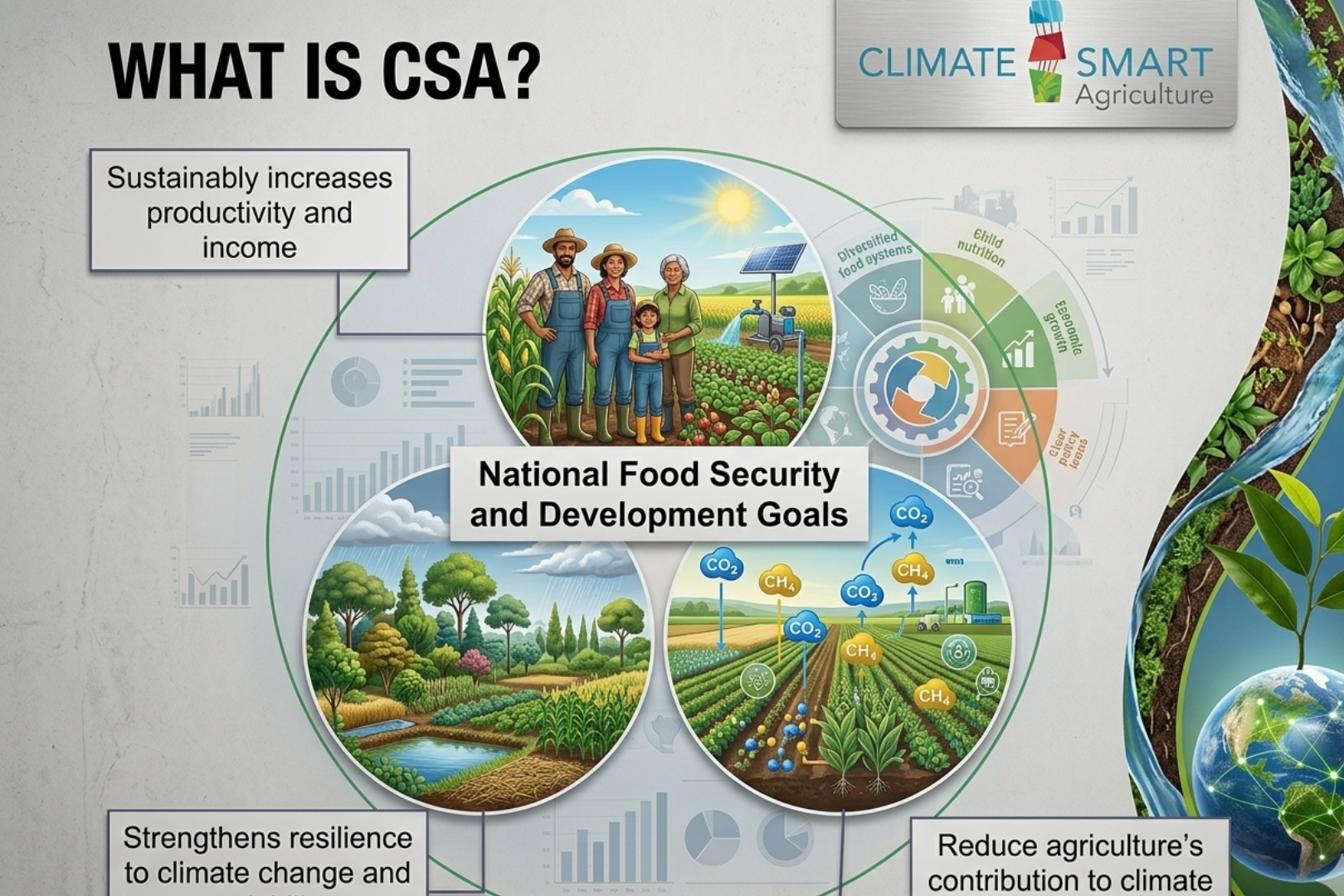
Climate-smart agriculture, in simple words, is the practice and strategy to manage and produce agricultural goods, livestock, and other products by addressing the negative impacts of climate change.
It focuses on mitigating the threats of climate change. CSA targets to increase productivity and sustainability. There are three pillars of CSA. These are productivity, adaptation, and mitigation. Climate change harms food production.
To face the issue of climate change, climate-smart agriculture is a modern adaptation of farming. It practices sustainable production growth without compromising nature. Besides, it empowers farmers and crops to adapt to changes.
However, this doesn’t mean increased production will harm the environment. Moreover, climate-smart agriculture uses fewer chemicals and elements that affect the environment.
Why Climate-smart Agriculture in Uganda is Needed?
Modern days have made our lives much easier, but they have also damaged the environmental balance in several ways. Technological advantage and climate damage run in parallel. We have heard the terms greenhouse gas and global warming. These are affecting crop production and agricultural activities in every possible way.
African countries like Uganda are among the core victims of these. These countries have little access to modern technology and cannot provide their people with the latest technology, yet they are the most affected. From agricultural land fertility to rainfall to water sources, everything is declining for them, resulting in an uncertain future.
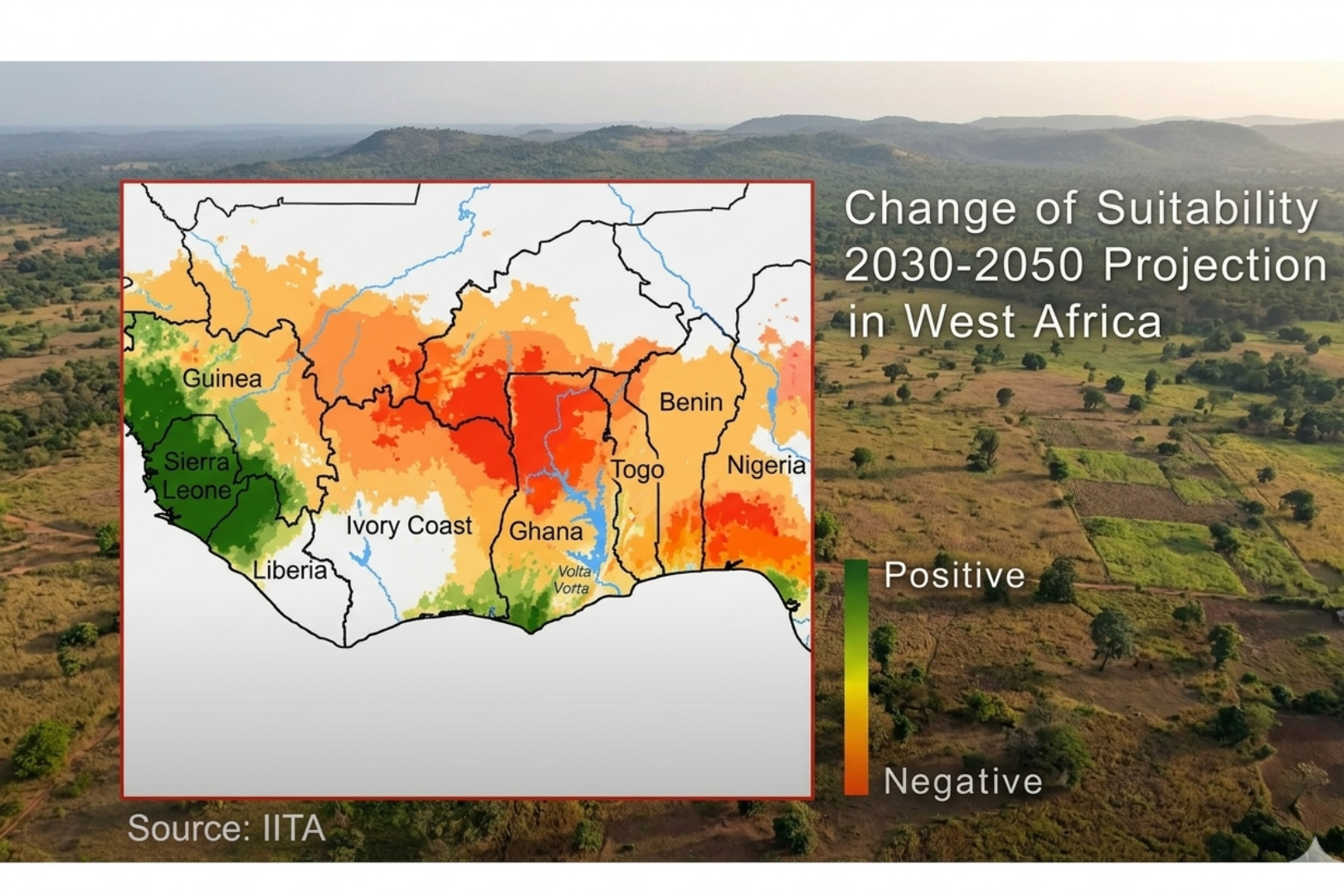
Uganda cannot escape the consequences of climate change. In 2016, the impact of El Niño was a massive disaster for all. Without rainfall, food production falls apart, and livestock die without getting enough food supply. Diseases and pests also caused the rest of the damage. So, it is obvious to be struck by climate change. The way out is by ensuring climate-smart agriculture in Uganda.
Uganda’s population is currently slightly over 50 million. The country is 105th in the global food security ranking. However, the demand for food production and supply is rapidly increasing. On the other hand, the land is continuously being affected by climate issues. Utilizing climate-smart agricultural practices can resolve the hurdles for Uganda.
Climate-smart Agriculture in Uganda: Current Practices
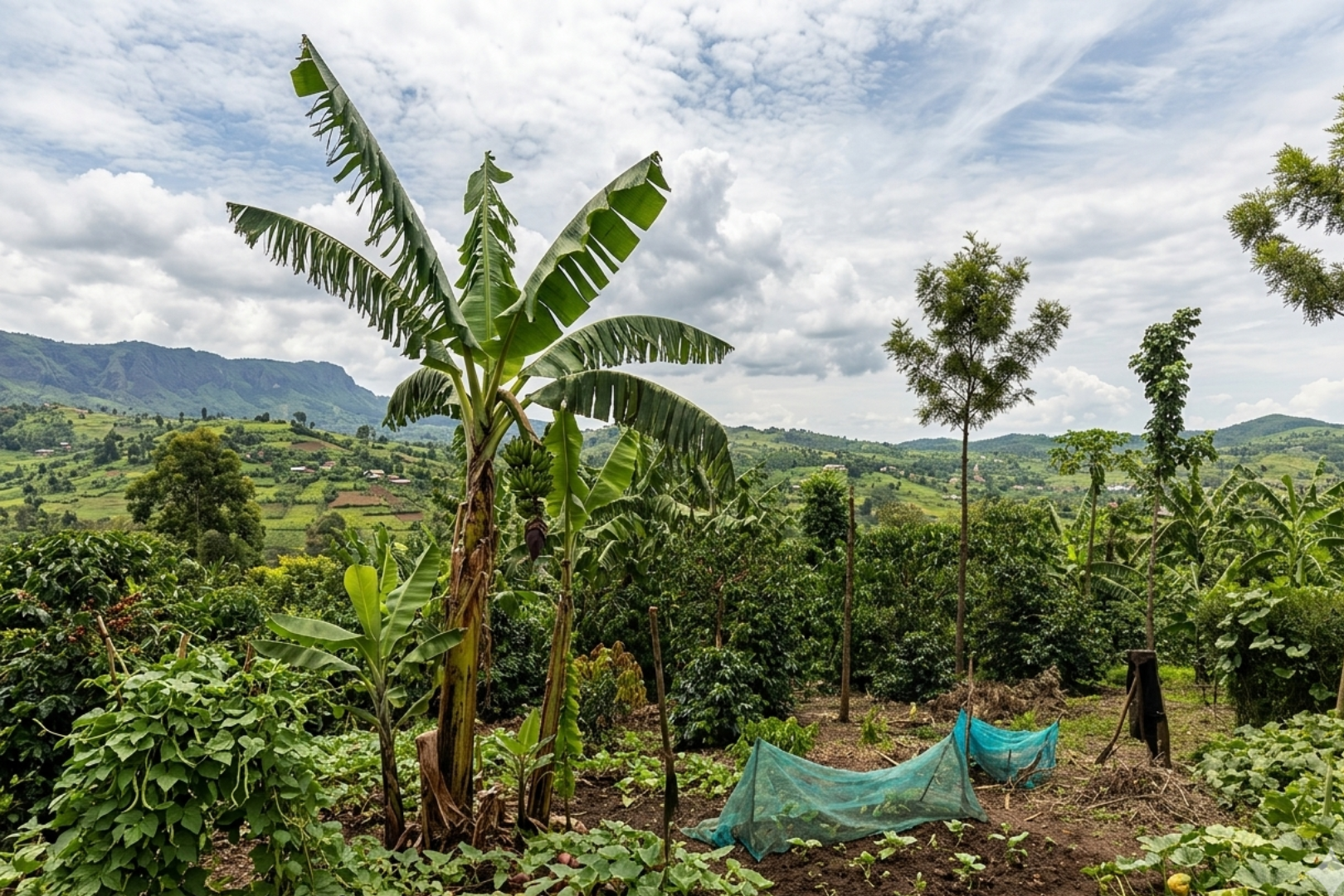
Climate-smart agriculture is a lot different from the normal way of agriculture. Feni Gard, Agriculture Officer in the Yumbe District Local Government, is a part of the Leadership, Empowerment, Access and Protection (LEAP) project in the Yumbe District by UN Women. The project promotes resilience, self-reliance, and leadership of nearly 7,500 women in Somalia and Uganda. It also provides support for best farming practices, including building knowledge of climate-smart agriculture in Uganda.
On the effectiveness of the project, Feni said that entangling the aspect of climate into agriculture is the primary concern.
“We do not receive rain like usual. But this is where you have to apply all the necessary practices to see that people can harvest during extreme weather,”
Feni said. Climate-smart agriculture enables the balance between nature and the ecosystem.
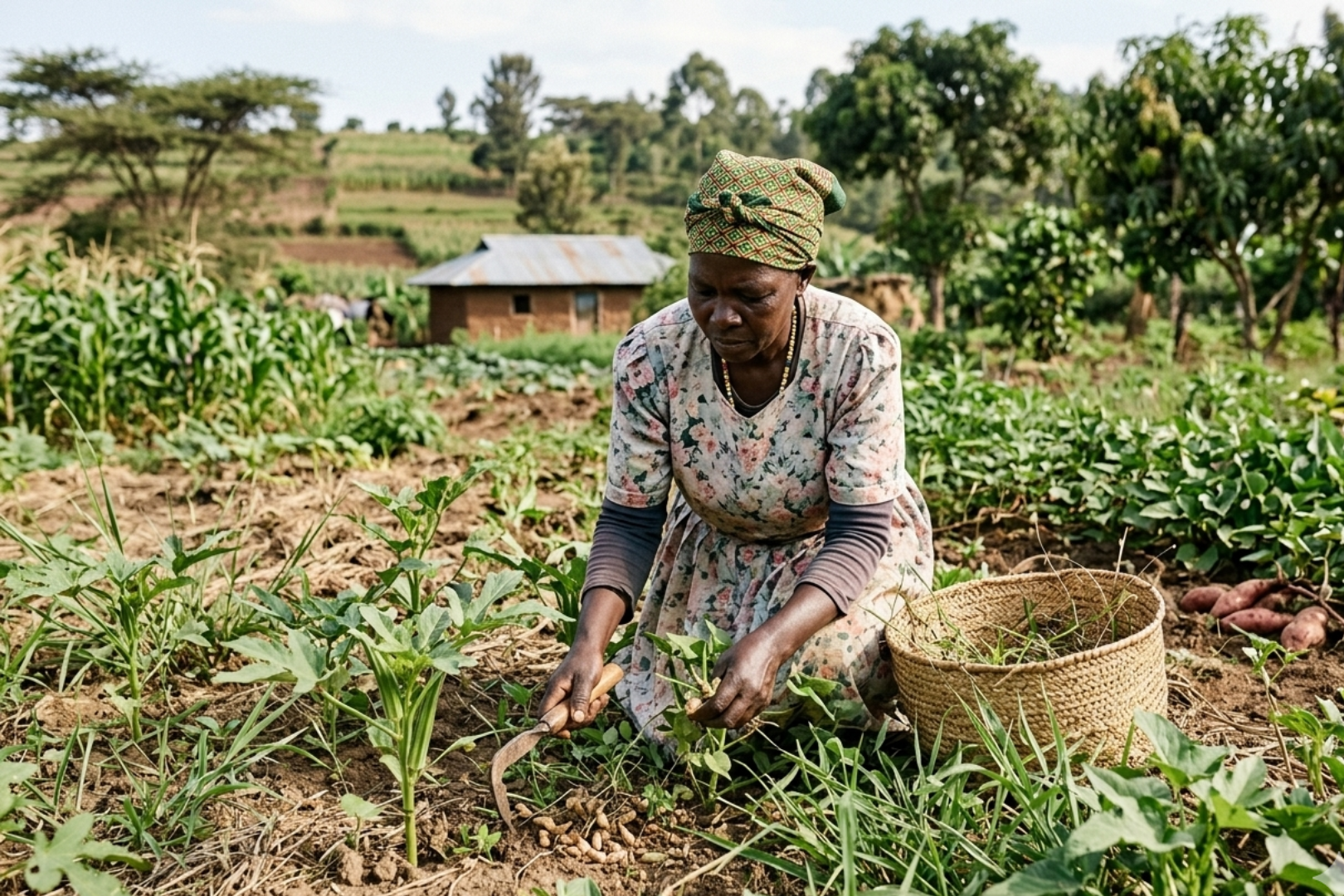
Climate-smart agriculture in Uganda is still improving food security and increasing production. One example is in the Yumbe District. The UN Women program there, led by the UN, trained over 1,400 farmers. With the knowledge and skills from the program, the women farmers are now able to improve their farming practices. Their income and harvest have both increased significantly.
Impact of Climate-smart Agriculture in Uganda
Both social and economic positivities are present in the practice. Not only does climate-smart practice increase food production and food security, but it also helps in other ways. Farmers who were in extreme poverty before can now start a livelihood. It has also increased their food security. Uganda also has fertile land, sufficient rainfall, and abundant sources of water. However, 41.3% of the population lives below the poverty line.
Climate-smart practices like drought-tolerant crops and water management can reduce the damage caused by climate change. Uganda strives to ensure food security and fight poverty. However, the challenges of this century and the coming years will severely affect agricultural production.
The major damage will come from the effects of climate change. As Uganda needs to fight this hard, incorporating climate-smart agriculture in Uganda is crucial. As smallholders are the backbone of agriculture, they should use the best practices of climate-smart agriculture here.
Final Words
Climate-smart agriculture in Uganda has a significant impact on its agricultural sector. With the upcoming climate changes, Uganda is taking steps to secure its food security and increase production through advanced technologies. These methods help Uganda address climate change and enhance resilience by embracing sustainable practices.
With proper strategies and investment, the agricultural sector will improve. With climate-smart agriculture in Uganda, it is possible to improve the country’s agricultural sector and grow the economy. As more countries move towards sustainable agricultural practices, it is high time for Uganda to join the development and promote sustainable farming throughout the country.

0 Comments