
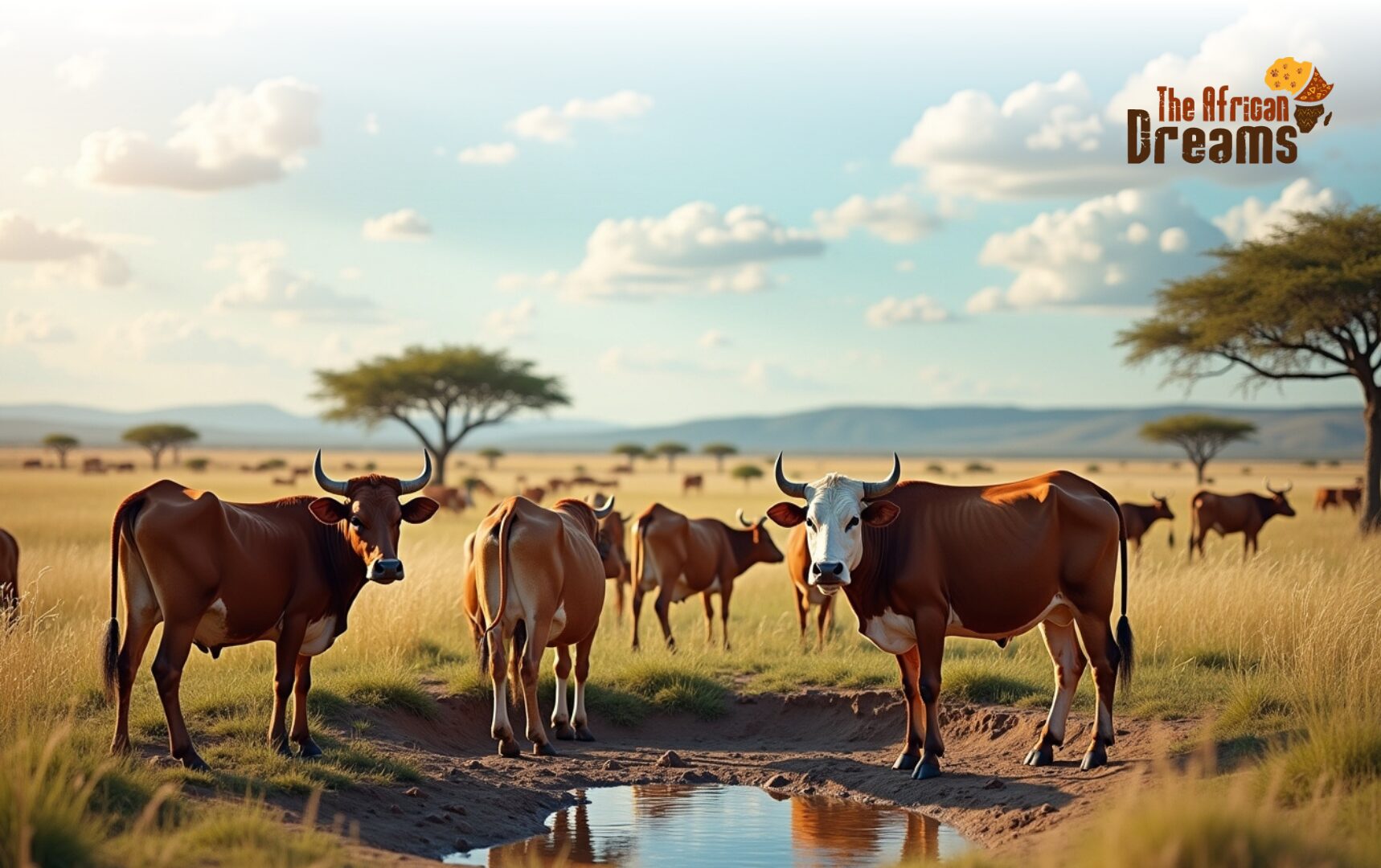
Beef production in Uganda is one of the sub-sectors of the Ugandan agriculture sector and has an important role in the economy. Most of the cattle are in the “Cattle Corridor”, a region of central and northeastern Uganda. It’s the right space to rear cattle since there are wide and expansive grasslands and suitable climatic conditions. For this reason, beef farming has gained a cultural practice among the people of Uganda as a form of Mevlana’s livelihood.
The beef industry in Uganda still faces some problems, like controlling diseases, weak supply systems, and environmental concerns. These issues need to be fixed for the industry to grow fully. Even though there are challenges, the beef market also has many chances for growth. This makes it a good opportunity for investors interested in livestock farming.
Uganda’s Growing Beef Industry
In the years of operation, the beef industry in Uganda has recorded tremendous growth. This growth is occasioned by the rising demand for beef either in Uganda or the neighboring countries. Over the years, people have increased in number and are also increasing their consumption of beef. It has become a staple food of most households in Uganda.
Furthermore, the exports of beef have other good prospects for Uganda, mainly to the neighboring countries’ markets. Uganda’s beef production has been growing at an annual rate of 2%.
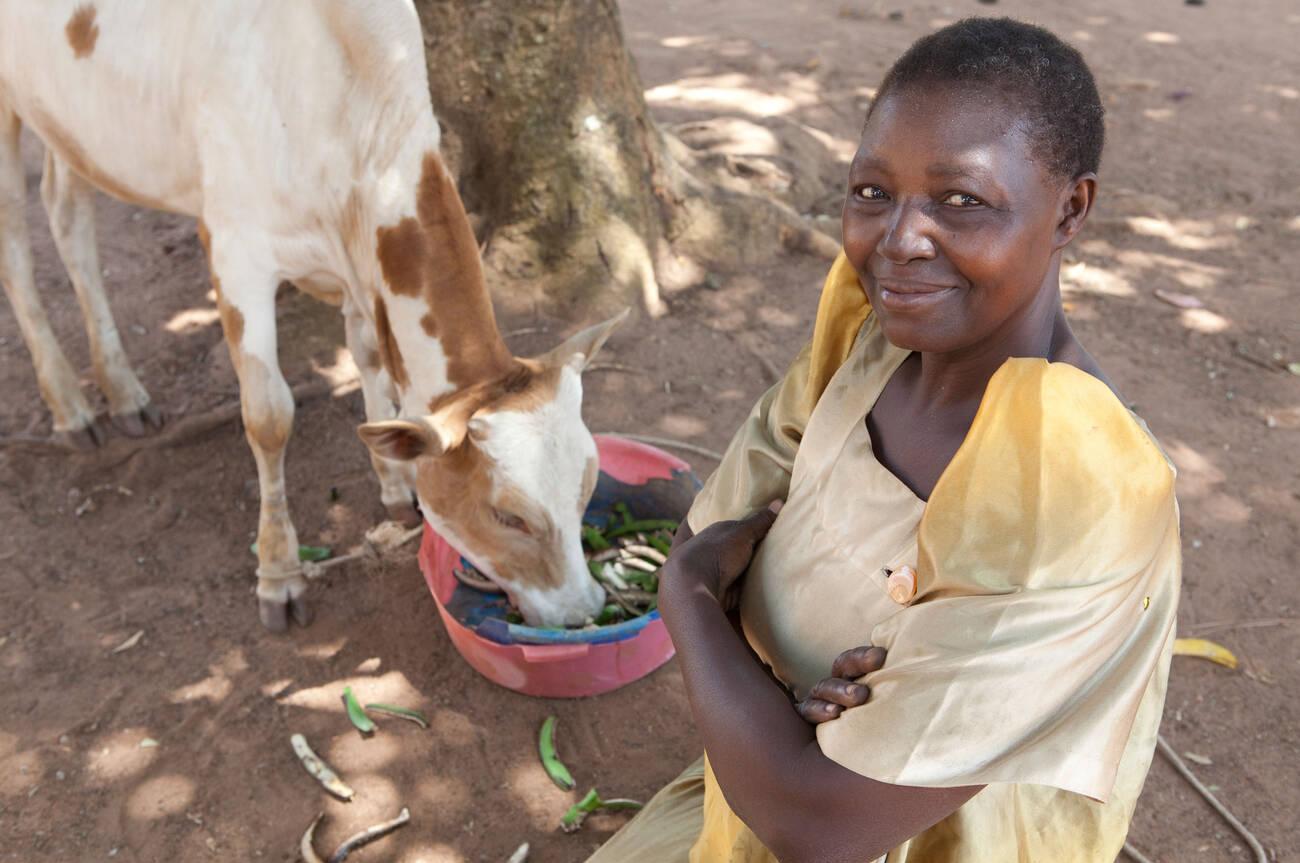
Article Highlights
Cattle Corridor Advantage: Uganda’s central and northeastern regions provide ideal conditions for beef farming, backed by cultural traditions and growing domestic and regional demand.
Key Challenges Identified: The industry faces major hurdles, including recurring foot-and-mouth disease (FMD), fragmented supply chains, and environmental concerns from intensive livestock farming.
Strategic Interventions in Action: Government-led annual FMD vaccinations, modern meat processing plants, and integrated market systems have already improved production and market access.
Sustainability Takes Root: Climate-smart livestock practices—such as improved pasture, crossbreeding, and biogas use—are helping reduce emissions and enhance productivity.
Visible Impact: FMD cases are down, beef exports are up by 10%, and environmentally friendly practices are yielding both economic and ecological benefits.
Challenges of Uganda’s Growing Beef Industry
Unfortunately, Uganda’s beef industry, despite its prospects, has been confronted with several major challenges. These challenges affect the performance, production, and profitability of beef farming, hence the degradation of farmers’ success.
Disease: One of the greatest challenges to the export of livestock is the disease regime, especially FMD or foot and mouth disease. FMD occurs regularly and always has a devastating effect on cattle health and marketability of the animals. This disease affects the movement of cattle. This reduces the local market sales and the export market. Lack of appropriate disease control prevents Uganda’s beef production from conforming to the international markets needed for export.
Disconnection of the firm’s supply chain: The second big issue relates to the disconnection of the firm’s supply chain. Uganda’s beef supply chain is not linked. Hence, it displays inefficiency in some of its aspects. There are invariably some problems with marketing infrastructure, including the execution of existing markets and a lack of market information by the farmers. This position leads to the offer of cheaper products to the market, hence lowering their overall returns.
Environmental Impact: Another problem in the company’s social responsibilities is the environment. Raising large numbers of animals can lead to animals grazing in the wrong areas, damage to plants and land, and the release of harmful gases into the air. These issues are serious and can harm the long-term future of the beef industry. It’s important to start using more eco-friendly methods.
Solutions
These are the realities that the Ugandan beef industry has to contend with, and these challenges need to be dealt with. Also, there has to be the appropriate policy and investment. To increase the role of the industry, these solutions are targeted at the growth of health and diseases, the supply chain, and environmental impact.
Health Measures to Boost Livestock Exports: As a measure of controlling diseases in livestock, particularly FMD, some health measures have been taken in Uganda. One such measure is an annual immunization campaign against FMD, which is planned with the support of representatives of the public and private sectors. This particular program aids in preventing the occurrence of FMD in cattle; hence, healthier herds are more likely to meet the export markets’ standard.
Supply Chain Optimization: Another impressive solution is the supply chain optimization. Certain measures are underway to build a modern slaughterhouse and better transport facilities. These changes are aimed at improving market access and the quality of Ugandan beef that is in the market. An integrated market information system is also being developed to present to the farmers real-time information on the market prices and better cost negotiation.
Climate-smart livestock is being practiced to improve environmental sustainability. Some of these are improved pasture, low methane emanating breeds, and techniques such as biogas technology under animal waste management. These practices are meant to reduce the effects of beef farming on the environment. While at the same time keeping the productivity of the land.
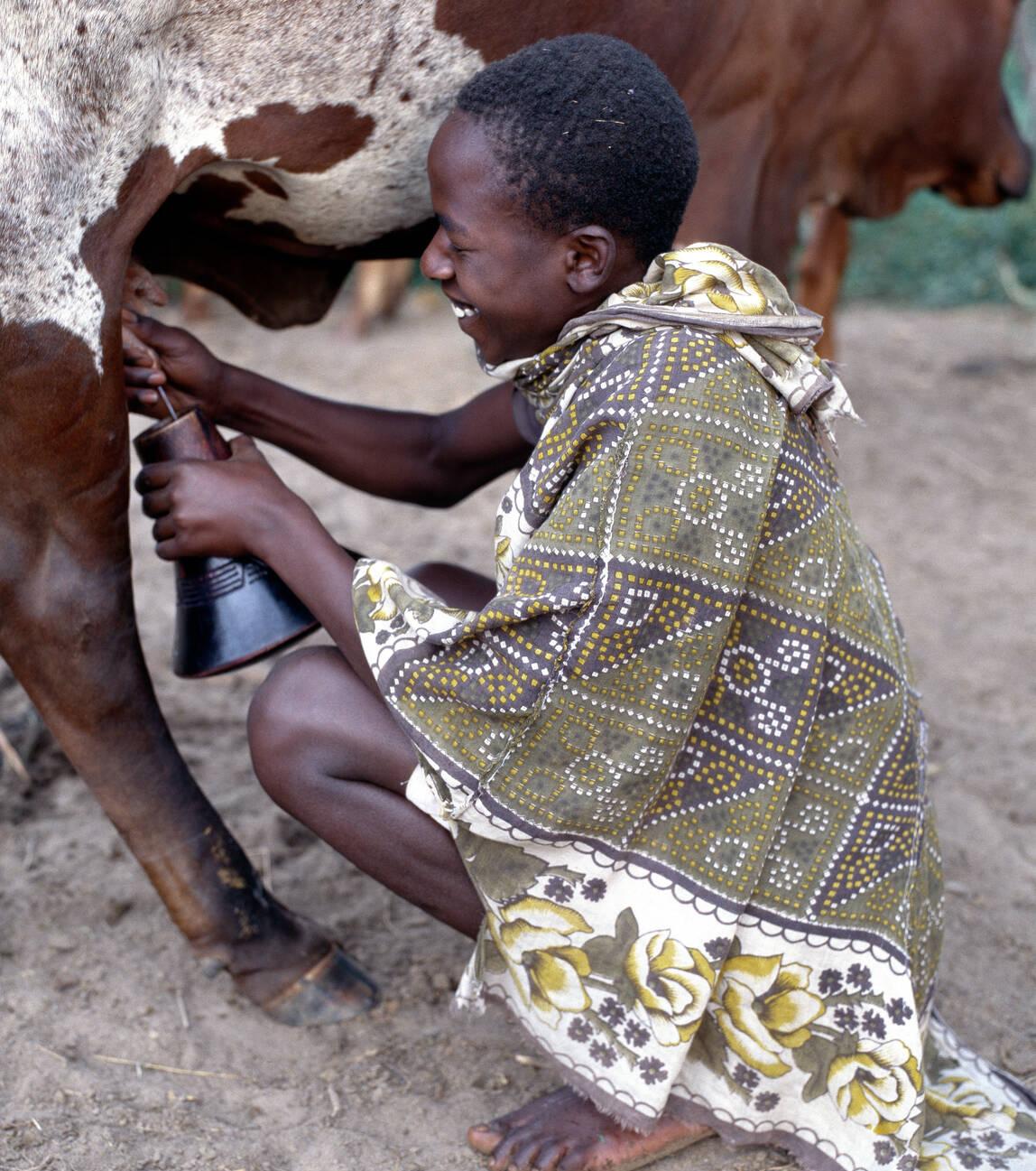
Implementation:
The following bullet points highlight how these solutions were practically implemented, with real-life examples to illustrate their impact: The following are the practical approaches to implementing these solutions. With examples showing the actual achievement:
Annual Vaccination Programs:
To deal with the issue of FMD, which had affected the country, the Ugandan government adopted the annual country-wide vaccination. For instance, in the shape of the Nakasongola and Mbarara districts, farmers were part of this program; hence, the FMD declined substantially. This program was mainly supported by the government through the provision of vaccines and supported by charges that farmers set for vaccination to avail protection to their stocks for the entire year.
Establishment of Modern Meat Processing Facilities:
To avoid these problems of the supply chain, other fashion meat processing plants were developed in strategic areas in Uganda. These facilities were started to respond to the international markets so that Ugandan beef could compete in the international markets.
Many of the plants to produce BEL cleaners were established through the assistance of the European Union in cooperation with locals. This has yet to be implemented by one of the processing facilities in the Kampala region that has already started processing beef for domestic and export markets.
Creation of an Integrated Market Information System:
However, one integrated market information system that Uganda has recently improved can be used to provide real prices and trends in the beef market. If the investors wish to assist the millions of people living in the Cattle Corridor, then this proposed system would enable the farmers to make competent decisions and negotiate for better prices. And, it also got rid of many of the fees that were ‘gray’, and sub-agents who wanted to profit from the farmers.
Adoption of Climate-Smart Livestock Practices:
In a bid to promote environmental sustainability, Uganda rolled out climate-smart livestock practices. These included the promotion of low-emission pasture varieties and improved livestock breeds. For instance, in the Mbarara district, farmers were introduced to Napier grass and Chloris Gayana, which are known for their low greenhouse gas emissions.
Additionally, crossbreeding programs were implemented, where farmers received discounted semen straws for breeds like Brahman and Boran, resulting in higher productivity and lower environmental impact.
These implementations demonstrate Uganda’s commitment to overcoming the challenges in its beef industry and capitalizing on its potential for growth. By involving both local communities and international partners, these solutions have begun to show promising results.
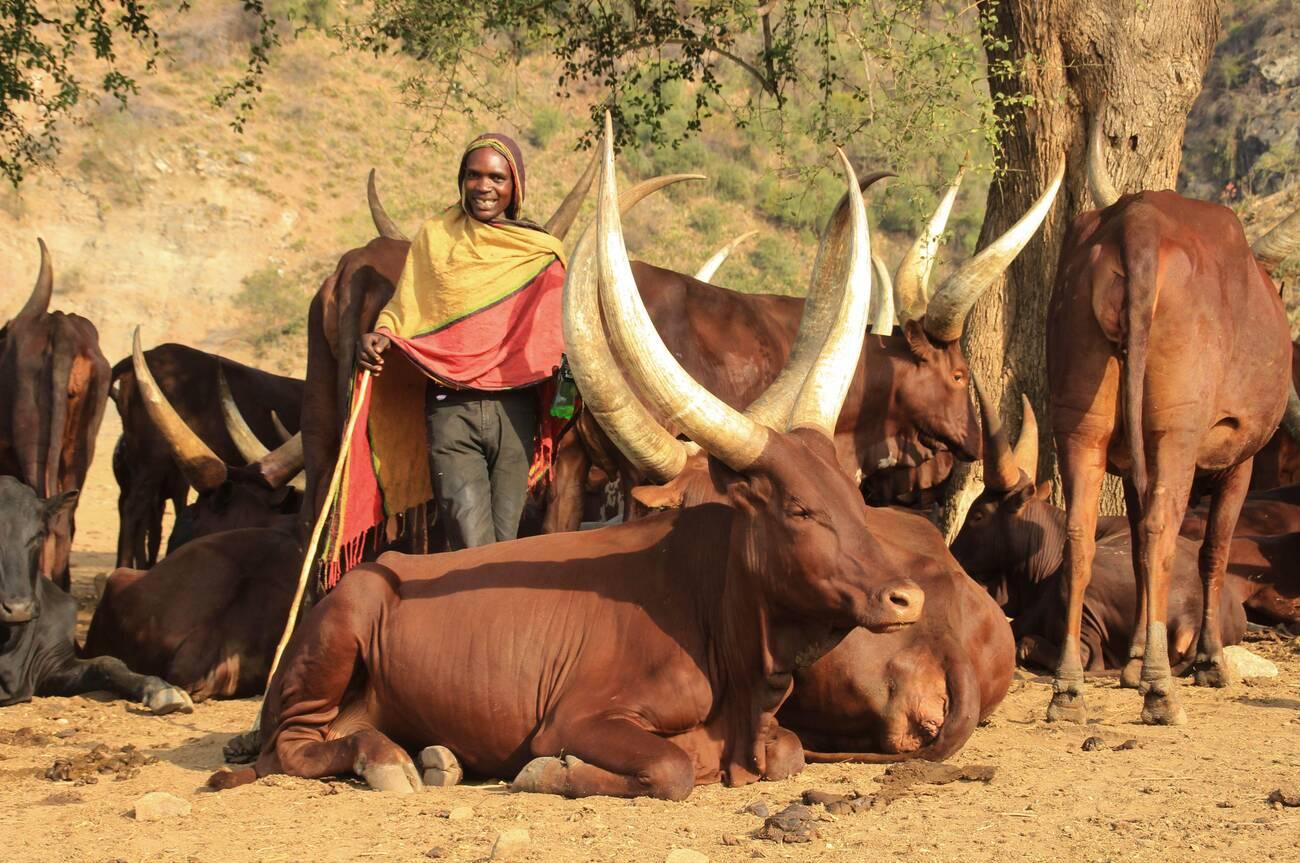
Results
The implementation of strategic solutions in Uganda’s beef industry has led to significant and measurable results. One of the most notable outcomes is the reduction in foot-and-mouth disease (FMD) outbreaks, particularly in districts like Nakasongola and Mbarara. This reduction was made possible through the annual vaccination program, which covered a large percentage of the cattle population. As a result, cattle health improved, and farmers were able to increase their productivity by an estimated 15%.
The establishment of modern meat processing facilities also yielded positive outcomes. In the Kampala region, a newly established facility processed over 1,000 metric tons of beef in its first year of operation, meeting both domestic demand and export requirements. This development has been crucial in enhancing Uganda’s position in regional markets, contributing to a 10% increase in beef exports.
Additionally, the adoption of climate-smart livestock practices has shown environmental benefits. Farmers who implemented improved pasture management techniques reported a 20% increase in pasture yield, while the introduction of low-emission cattle breeds reduced greenhouse gas emissions by approximately 12%. These results underscore the potential of Uganda’s beef industry to achieve sustainable growth with the right investments and practices.
Conclusion
The progress made in Uganda’s beef industry is a testament to the effectiveness of strategic interventions and collaborative efforts. With improved cattle health, enhanced supply chain efficiency, and sustainable farming practices, the industry is now better positioned for growth. The rise in exports and the reduction of environmental impacts highlight the sector’s potential for long-term success.
As Uganda continues to invest in these areas, the future of its beef industry looks promising, offering substantial opportunities for further development and investment, especially as global demand for sustainable and high-quality beef continues to grow.


0 Comments