
Introduction
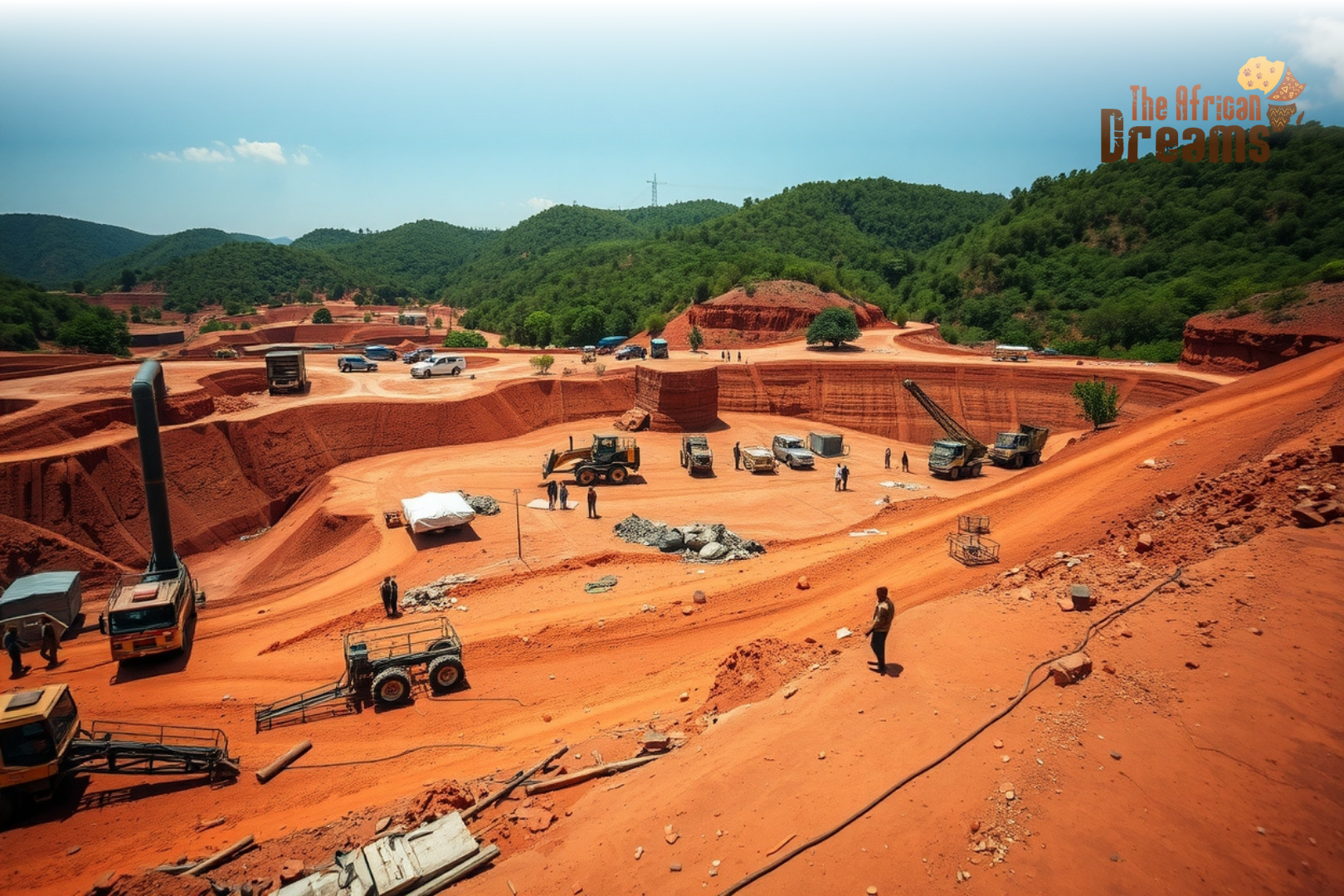
Malawi is a small country in southeastern Africa. It has no coastline, but it is full of beautiful landscapes, kind people, and peaceful towns and villages. Many people know Malawi because of Lake Malawi, which is one of the biggest and most beautiful lakes in Africa. Others think of the green hills, wildlife, and friendly atmosphere.
But there is something important about Malawi that many people don’t know: it has valuable minerals underground.
These minerals, like uranium, coal, gemstones, rare earth elements, and more, are part of Malawi’s natural wealth. Some have been used for many years, while others are just starting to be explored. Even though Malawi’s mining industry is still small, it has great potential to grow and help the country develop.
Article Highlights
History of mining in Malawi
Most important minerals found in the country
Current state of the mining sector
Laws and institutions that guide the industry
Challenges and the opportunities that come with mining
How Mining Started in Malawi
Mining in Malawi is not new. For many generations, people have been digging up things like salt, clay, and limestone for use in their homes and communities. These were simple, small-scale activities, done with basic tools.
But things began to change in the early 2000s. The Malawian government began to support mineral exploration, which means searching for valuable rocks and minerals deep in the ground. This new effort helped reveal that Malawi had much more to offer than people had thought.
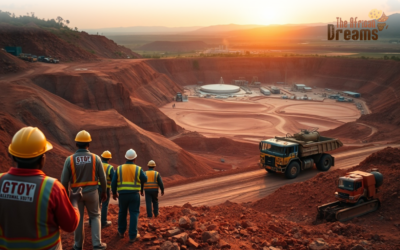
One of the most important discoveries was uranium, a mineral used to produce nuclear energy. In 2009, Malawi opened its first major uranium mine—the Kayelekera Uranium Mine—in Karonga District in the north of the country. This was a big moment. For the first time, Malawi became involved in mining at the international level.
However, mining is closely tied to global prices. When uranium prices dropped in 2014, the Kayelekera mine had to stop operating. Even so, this project showed the world that Malawi has real mining potential. Since then, the country has continued exploring and investing in other minerals.
What Minerals Are Found in Malawi?
Malawi is lucky to have many different types of minerals. Some are already being mined, while others are still being studied to see if they can be mined in the future.
Let’s look at the main minerals that are important in Malawi:
a. Uranium
Uranium is Malawi’s best-known mineral. The Kayelekera Uranium Mine in Karonga is one of the biggest places where uranium is found in Africa. Even though the mine stopped production in 2014, many people believe it could reopen in the future.
Why? Because the demand for nuclear energy is growing around the world, and uranium is needed to make that energy. If prices rise again, Kayelekera could become active once more, and that could bring jobs, money, and development to Malawi.
b. Rare Earth Elements
Rare earth elements, often called REEs, are a group of special minerals used in high-tech products. They are found in things like mobile phones, wind turbines, electric cars, and military equipment.
Malawi has these rare earth elements in an area called Songwe Hill, which is in Phalombe District. Several international companies are now exploring the site. If they find enough REEs and figure out how to mine them safely, Songwe Hill could become a very important mining area.
c. Coal
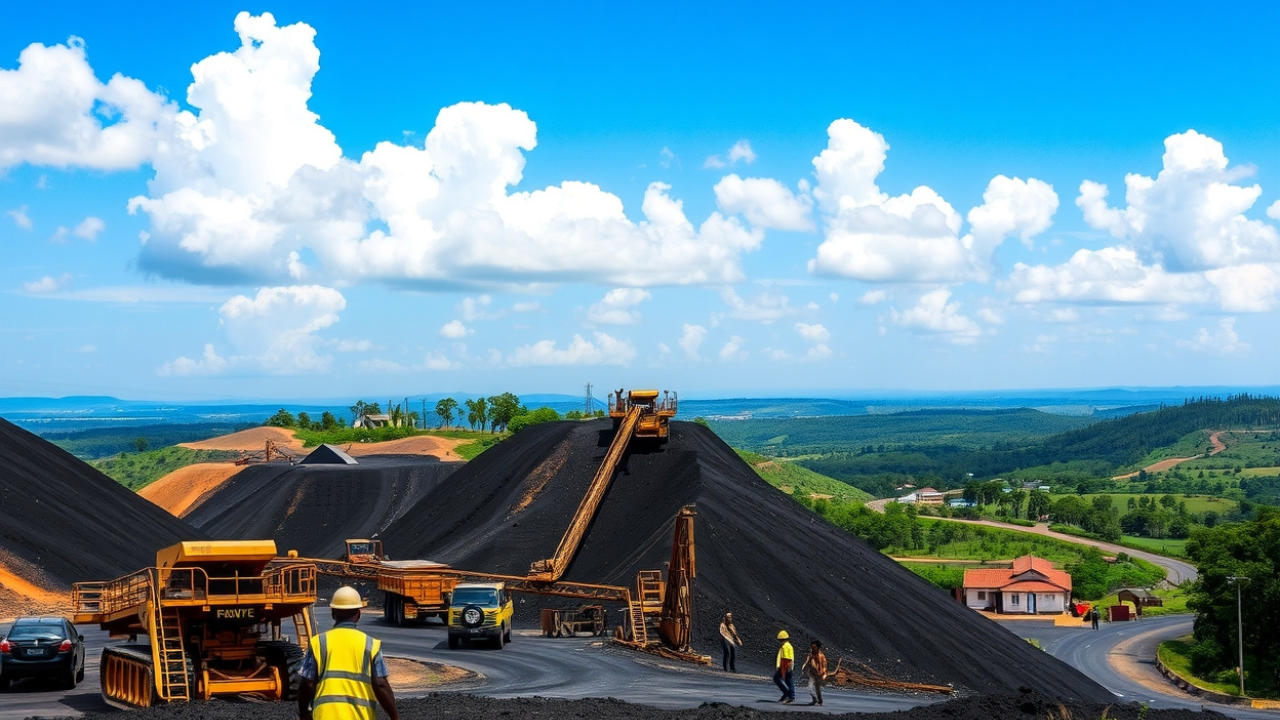
Coal is an energy source that is used in factories and for making products like cement and sugar. Malawi has coal in the northern part of the country, in places like Livingstonia, Mchenga, and Kaziwiziwi.
Right now, Malawi still imports a lot of coal from other countries. But if local production improves, the country could save money and create more local jobs by using its own coal.
d. Bauxite
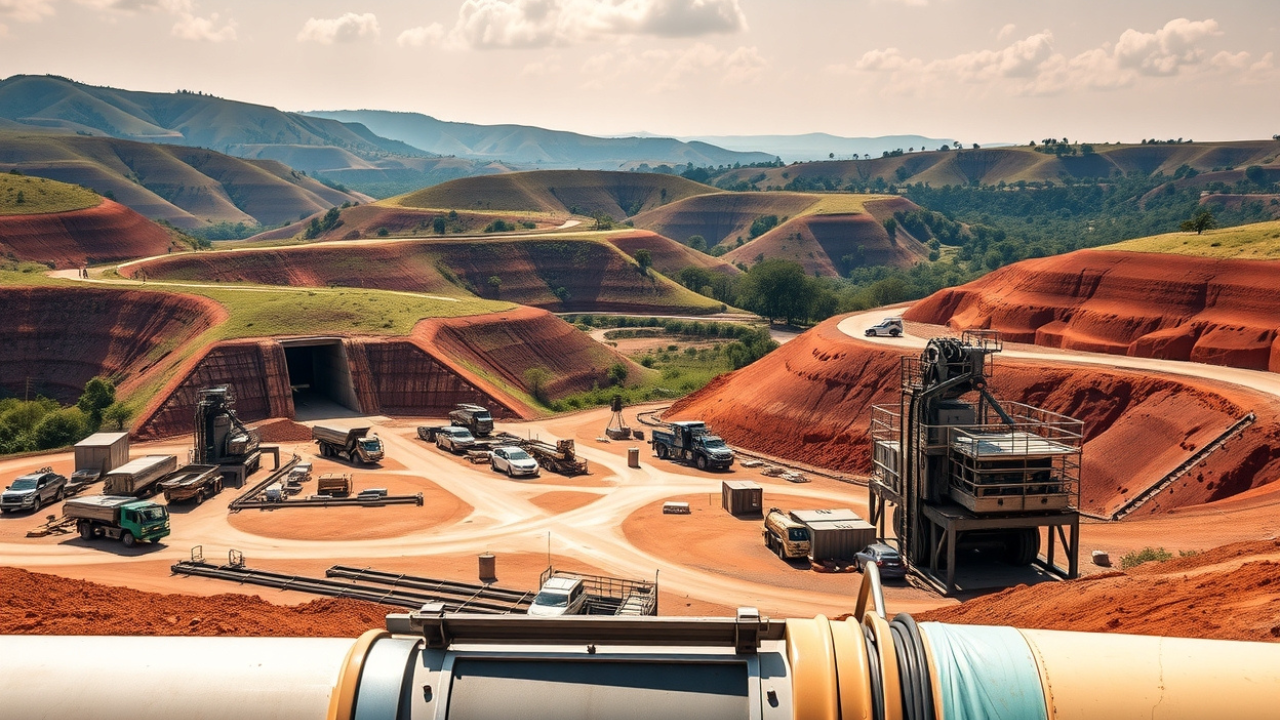
Bauxite is a mineral used to make aluminum, which is an important metal found in cooking pots, buildings, airplanes, and many other everyday items. In Malawi, bauxite is found in the Mulanje Mountain area. However, this mineral has not been mined yet.
There are a couple of reasons for this. Mining in a mountain area could cause serious damage to the environment. Also, the location is very remote, which makes it difficult to transport the heavy bauxite to other places.
Because of these challenges, the government is still looking into how bauxite can be mined safely, without harming nature or the people who live nearby.
e. Limestone
Limestone is a common mineral used to make cement, paint, and construction materials. Malawi has good limestone deposits in places like Balaka and Mangochi. Some companies and small-scale miners are already producing limestone.
It may not be a rare mineral, but it is very useful for building homes, schools, roads, and other important structures across the country.
f. Gemstones
Malawi also has beautiful gemstones, such as:
- Garnet
- Aquamarine
- Tourmaline
- Ruby
These stones are mostly dug up by small-scale miners who use basic tools. Even though the mining is not big, it helps many people earn a living, especially in rural areas. If the gemstone industry is better organized, it could become a source of tourism and export income as well.
Who Oversees Mining in Malawi?
In Malawi, several government departments and laws work together to manage the mining sector. The main one in charge is the Ministry of Mining. This ministry is in charge of giving mining licenses, making rules, and helping guide how mining should happen in the country. It plays a significant role in making sure mining is done in a way that helps the country and protects people and the environment.
Another important department is the Geological Survey Department. This group looks at rocks, minerals, and other natural materials. They make maps and reports that show where different minerals are found. These maps help the government and also help companies that want to invest in mining.
In 2019, Malawi made a big change by passing a new mining law called the Mines and Minerals Act. This new law replaced the old one that had been used since 1981. The new law is more modern and helps make things clearer and fairer. It focuses on protecting the environment, involving communities, and making sure that mining is done in a responsible way.
A critical part of the new law is that companies must now explain how they plan to reduce harm before they can start mining. They must show what steps they will take to protect nature and nearby communities. This helps make sure mining is done more safely and fairly.
The Role of Small-Scale Miners
In many villages across Malawi, people do small-scale mining to earn money and support their families. These miners often use simple tools to dig for things like sand, clay, limestone, and gemstones. They usually work without formal training and without official licenses.
This type of mining gives people jobs and income, especially in rural areas. But it also comes with challenges. Since many small-scale miners are not trained, they may work in unsafe places. The way they dig can also hurt the land, pollute water, and harm nature. Because they don’t have licenses, they often don’t get the protection or help that registered miners receive.
The government is trying to support these miners. It has started programs to train them and teach them how to work more safely. It is also helping them register so they can become legal miners. This way, small-scale miners can work in better conditions and follow the rules that protect people and the environment.
How Mining Affects Nature and Communities
Mining can help the economy by bringing jobs, money, and development. But if it is not managed properly, it can cause serious problems for both nature and local people.
In Malawi, mining has led to cutting down trees, dirty rivers, and damaged land. Some mining sites cause a lot of dust and noise, which can make people sick, especially those who live close by. Digging the land can also lead to erosion, which makes it hard for farmers to grow crops.
Mining can also create social problems. In some areas, people have been forced to leave their homes and land to make way for mining. This can cause loss of property, access to clean water, and traditional ways of living. Sometimes, people work in dangerous conditions without proper safety measures.
To stop these problems, the government now asks mining companies to carry out something called an Environmental and Social Impact Assessment before they start any project. This is a study that looks at how mining might affect nature and people. It also suggests ways to reduce the harm.
Companies must show how they will protect rivers, plants, animals, and people’s health. They must also show how they will fix the land after the mining is finished. These rules are meant to make sure that mining brings good changes and not just damage.
Challenges in Malawi’s Mining Industry
Even though Malawi has many valuable minerals, the mining industry still faces many challenges that make it hard to grow.
1. Poor infrastructure: One big problem is poor infrastructure. This means that many areas where minerals are found don’t have good roads, electricity, or clean water. Because of this, mining becomes difficult and expensive.
2.Inadequate Funding: Another problem is the lack of money. Mining needs a lot of investment, but Malawi is still trying to bring in investors who can support big mining projects. Many investors are unsure about putting money into Malawi’s mining because they worry about risks or not getting good profits.
3.Shortage of Skilled Workforce: There is also a shortage of skilled workers. Malawi needs more trained people like geologists and mining engineers. Without these workers, it is hard for companies to do the job properly. Even small-scale miners often lack basic training, which makes it harder and sometimes dangerous for them to work.
4. Dependency on Neighbouring Countries: Malawi is also a landlocked country, which means it does not have access to the sea. So, it has to depend on neighboring countries like Mozambique or Tanzania to export minerals. This makes transport slower and more costly.
All of these problems make it difficult for Malawi’s mining industry to grow. But they can be solved with careful planning and strong support.
What Malawi Is Doing to Make Mining Better
Malawi is working to improve its mining industry.
1. Laws and Regulations: One of the biggest steps was passing a new mining law in 2019. This law helps to manage the sector better. It sets clear rules for mining companies and also protects people and the environment.
2. Supportive Government: The government is also learning more about what minerals are found in different parts of the country. By studying the land and making maps, it becomes easier to show investors where they can mine. This helps to attract more companies that are interested in mining.
3. Training Programs: To help small miners, the government has started giving training. This training teaches them how to mine in safer ways and how to take care of the environment. It also helps them earn better money and avoid accidents.
4. Protecting Nature: Malawi is also focusing on protecting nature. Mining companies now have to make clear plans to prevent pollution and to fix the land after mining is done. They must show how they will care for water, trees, and animals during and after the project. This helps to keep nature safe and makes sure the land can still be used after mining ends.
5. Improved Infrastructure: Better roads, more electricity, and clean water are also being planned in mining areas. These improvements will help not only the mining industry but also the people living nearby.
How Local People Are Involved in Mining
People who live near mining areas play an important role. When local communities are involved and benefit from mining, the projects are more likely to succeed. That’s why the government now requires companies to sign agreements with local communities.
These agreements are called Community Development Agreements. They are written plans that show how the company will help the community. For example, they might build a school or a health clinic, improve roads, or provide training and jobs for local people.
The plans are made with help from the community. This means local people can share their needs and ideas. When communities feel respected and involved, there are fewer problems, and projects move forward more easily.
When mining is done without talking to local people, it can lead to protests and delays. But when companies listen and keep their promises, they build trust and strong partnerships with the community.
Final Remarks: The Future of Mining in Malawi
Malawi’s mining industry is still growing, but the future looks bright. The country now has better laws, is collecting more information about minerals, and is including local people in mining projects. These changes are helping the industry move in the right direction.
More companies are becoming interested in mining minerals like gold, coal, and rare earth elements. These are important not just for Malawi, but for the world. If managed properly, mining can help create jobs, bring in money, and improve public services like hospitals and schools.
But Malawi still has a lot of work to do. The country needs to keep building strong systems, train more workers, and protect nature. It also needs to make sure that local people are part of every step.
If all of this is done, mining can become a real tool to help Malawi grow. It can support families, help children go to school, and bring electricity and clean water to more places
Conclusion:
Mining in Malawi is about more than just digging up minerals. It is about the choices the country makes and how those choices affect people’s lives. If mining is done in the right way, with honesty, fairness, and care, it can bring significant benefits.
The government, mining companies, and communities must all work together. Both parties need to treat each other well and take care of the land. With good planning and teamwork, the minerals under Malawi’s soil can help build a better life for everyone.
Malawi has already started making changes. If it keeps going in this direction, its mining sector can become strong and fair. And the country’s natural resources can help create a brighter and more united future for all.


0 Comments