
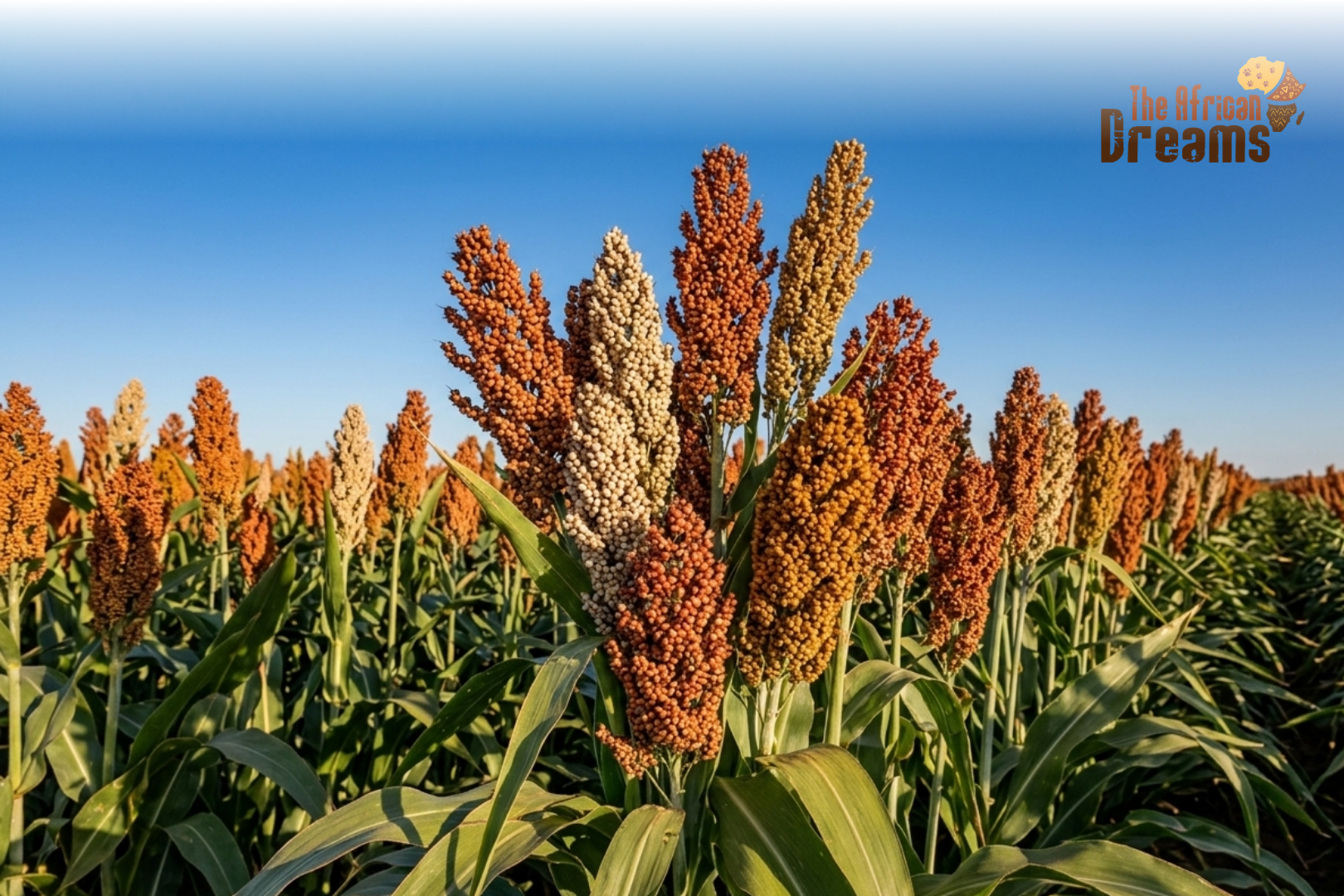
Sorghum is a cereal that grows in Tanzania. It is Tanzania’s most widely cultivated and consumed cereal, holding the 8th largest exporter position globally. Tanzania’s sorghum is also widely famous for its demand and nutritional value. In 2022, this staple crop was Tanzania’s 72nd most exported product.
Recently, Tanzanian farmers have faced some challenges in cultivating sorghum. Thus, farmers are looking for new light from newcomers through new initiatives. This blog will discuss Tanzania’s sustainable sorghum industry’s investment opportunities and the initiatives that boost productivity and climate resilience.
Nutritional Advantages of Sorghum
This cereal is a powerhouse of all the human body’s dietary needs. They include carbohydrates, proteins, vitamins, and minerals. A high amount of dietary fiber aids digestion and promotes gut health. It’s rich in B vitamins like niacin, thiamine, and riboflavin. In addition, it is abundant in minerals like iron, magnesium, phosphorus, and potassium. Antioxidants, mainly phenolic compounds, can help the body combat oxidative stress and inflammation.
Sorghum is an excellent option for people who don’t eat gluten-containing foods. This gluten-free item is for people with gluten intolerance. Besides, it also helps in heart health by reducing cholesterol and improving blood circulation. The glycemic index is low in sorghum. Therefore, it helps manage blood sugar levels and will be very helpful for diabetic patients.
Various Uses of Sorghum
Sorghum has been used as food in multiple ways.
- It can be – whole-grain sorghum, sorghum flour, sorghum syrup, etc. It also has a versatile cooking method.
- Boil sorghum, much like rice or quinoa. Like popcorn, heat sorghum grains in a dry pan until they pop. This gives a crunchy snack or topping.
- Sorghum flour can be used in baking bread, muffins, and pancakes. As a nutritional approach, sorghum may be consumed as porridge; mostly, it is consumed for breakfast.
- Cooked sorghum grains can be added to salads for that extra filling and nutritional boost.
- Besides, it can be used in biofuel production, animal feed, building materials, soil conservation, carbon sequestration, and cosmetics.
Challenges Faced by Sorghum Farmers in Tanzania
Farmers cultivate a lot of sorghum annually, but now encounter many problems and difficulties regarding harvesting it.
- Most regions are susceptible to frequent and prolonged drought, considerably impacting sorghum yields. Although the varieties are drought-tolerant, the high-intensity drought conditions reduce yield. Rainfall patterns are rare. It is difficult for farmers to strategize and determine the actual time of planting and harvest. Most regions have poor soil fertility, limiting sorghum varieties’ growth and yield.
- Farmers have limited access to improved sorghum seeds that are drought-tolerant and have high yields. Birds have been reported as one of the major pests affecting sorghum crops. Farmers often need to learn about the diseases affecting sorghum and how to manage them.
A solid commercial market for sorghum is necessary for farmers to invest in better management practices. Training and extension services must be extended to farmers to teach them good agricultural practices and the benefits of improved varieties.
To solve these problems, many organizations are coming forward to help them, but still, there is a need. In contrast, organizations like Farm Africa work for small-scale farmers.
Organizations Supporting Sorghum Farmers
Farm Africa trains farmers to boost production, income, and climate resistance. These value-added services include drought-tolerant seeds, climate-smart agriculture training, financial services, and guaranteed sale contracts. This will focus on empowering women and smallholder farmers, better agricultural practices, and promoting sustainable farming.
So, to meet the demand of the newcomers means the new investors with new initiatives can take steps. Researchers are focusing a lot of focus to improve the problem. New ideas can be taken from the researchers’ research or model. This paper, Building a Resilient and Sustainable Sorghum Value Chain in Tanzania’s Lake Zone Region, suggests a sustainable idea [1]. It highlights the importance of improving sorghum varieties, training farmers on good agricultural practices, and promoting mechanized threshing for high-quality sorghum. It also emphasizes the need for sustainable projects, climate resilience, policy support, and community involvement in the value chain development process. These measures aim to enhance the strength and sustainability of the sorghum value chain, build climate resilience among farmers, and ensure long-term sustainability. The study calls for the active involvement of local communities in the value chain development process.
Why Invest in Tanzania's Sorghum Industry?
Now, the reasoning part arises: Why should one invest in the sorghum industry in Tanzania? An approximation of the number of farmers involved in sorghum production. Notably, the major producing regions of Dodoma, Singida, Shinyanga, Mwanza, and Mara run into millions. About 83% of the produced sorghum is from subsistence farming. These farmers are experts, as they have long traditional cultivation periods.
The retail prices of sorghum in Tanzania range from TZS 862.89 to TZS 1,842.39 per kilogram. Sorghum contributes significantly to the agricultural sector and the livelihoods of smallholder farmers. In 2018- 2019, Tanzania produced approximately 731.9 000 metric tons of sorghum, a figure that has gradually increased.
In 2022, Tanzania exported US$12.6 million worth of sorghum and was ranked the 8th largest exporter of sorghum globally. The main export markets included Kenya, South Sudan, Rwanda, Burundi, and China. The export amount was Kenya: $4.82 million, South Sudan: $3.6 million, Rwanda: $2.66 million, Burundi: $1.3 million, and China: $186,000.
Conclusion
iven the domestic and global demand for its crop, the investment opportunities in sorghum production in Tanzania are enormous. Farmers face many challenges in accessing the entire value chain. However, such efforts by organizations like Farm Africa have a ripple effect. They are working to make resilience and sustainability feasible in sorghum production.
Investment in better seeds, modern farming, and value-chain development will strengthen Tanzania’s sorghum leadership. Then, it will be able to be positioned to bring more economic and environmental benefits. It will enable investors to drive positive changes whereby one can capitalize on the growing demand for this versatile, nutritious crop.
0 Comments