
Introduction: Agriculture in Burundi
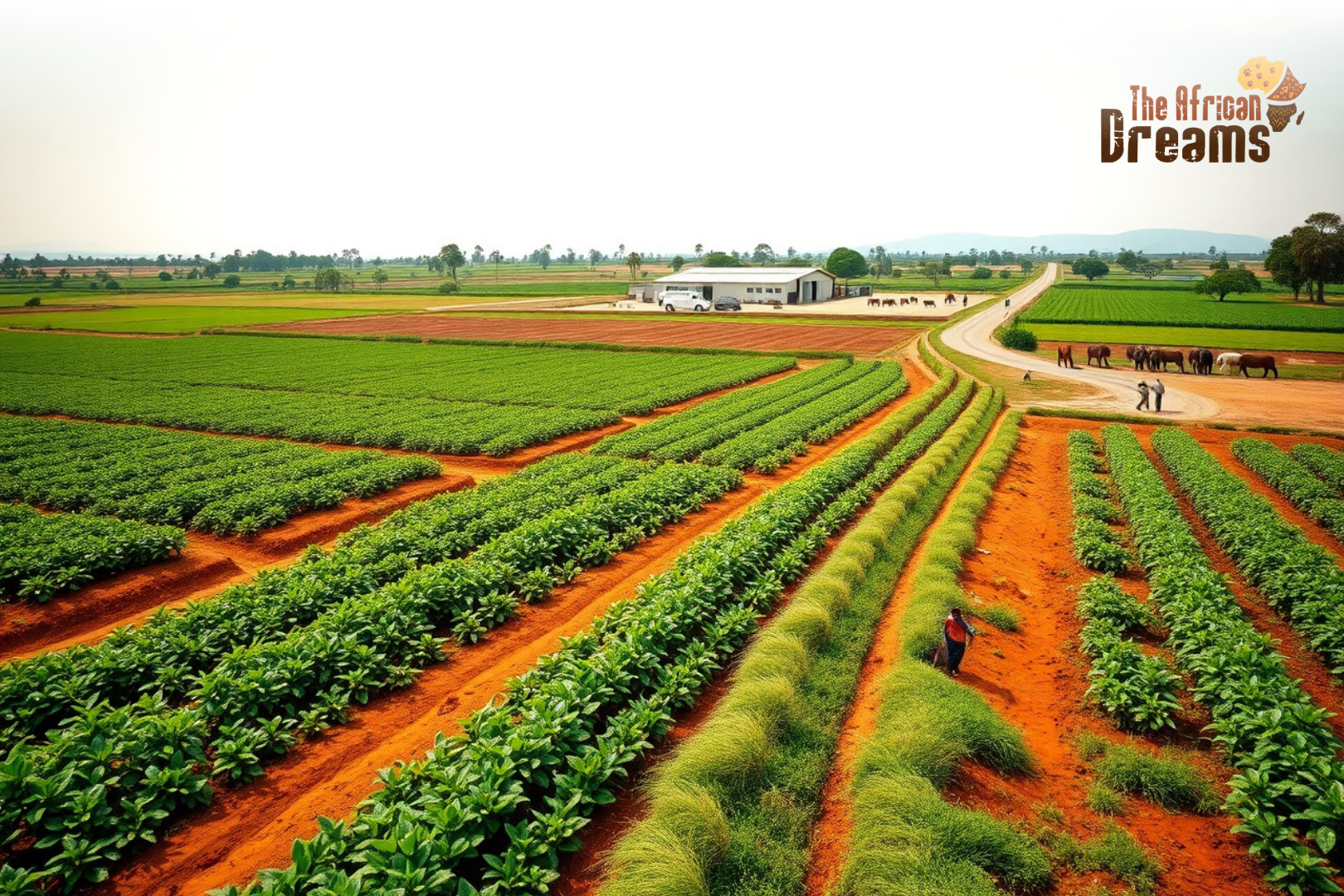
Burundi is a resource-rich country located in East Africa. Agriculture in Burundi is the primary source of livelihood for much of the population and contributes nearly 40% of the country’s GDP. Four out of five people in Burundi are engaged in agriculture, with most working as smallholder farmers.
Although agriculture in Burundi is the backbone of the economy, the sector continues to face several challenges that limit its productivity and commercial potential.
Despite these challenges, Burundi’s favorable climate, fertile soil, and abundant agricultural resources create significant opportunities for agricultural activities. To unlock this potential and generate greater economic value, commercialization is key. Therefore, Burundi needs investment to develop its agricultural sector and improve its production and market systems.
In this article, we explore the major investment opportunities in agriculture in Burundi, along with the challenges investors may face and the government policies that can support investment.
Article Highlights
Agriculture in Burundi contributes nearly 40% of the country’s GDP and remains a major source of employment.
The country has significant opportunities to make better use of its fertile soil and abundant agricultural resources.
Investors can contribute to several areas of agriculture in Burundi and support the country’s economic growth and development.
Crop production, agro-processing, livestock farming, irrigation, infrastructure, agricultural technology, and agricultural inputs are among the key areas that investors can explore.
Investment Opportunities in Agriculture
The agricultural sector is one of the most important parts of Burundi’s economy. Agriculture in Burundi provides around 70% of total employment and remains a major contributor to the country’s GDP.
With fertile land and a favorable climate, agriculture in Burundi has the potential to expand in the coming years. This potential has attracted the attention of international investors, including both individual and corporate investors. Government efforts to improve the investment environment can also support greater participation in the sector.
Investment opportunities in agriculture in Burundi cover a wide range of activities. Some of the key areas are as follows:
1. Crop Production
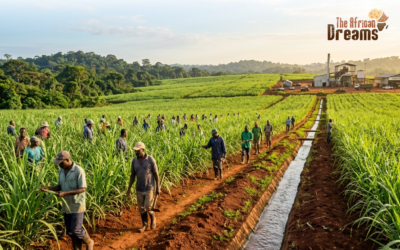
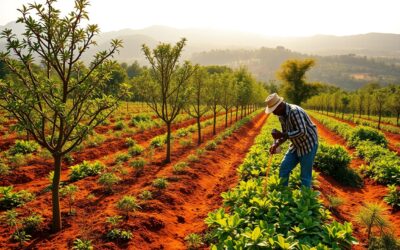
Crop production is one of the most direct ways to invest in agriculture in Burundi. Although the country is largely dominated by subsistence and smallholder farming, there is potential to expand commercial agricultural production.
Investors can explore the production of export-oriented crops, particularly products such as coffee and tea. Developing commercial farms for these crops can help increase production, improve quality, and create opportunities for both domestic and international markets.
The development of commercial crop production can also help Burundi move from primarily subsistence-based agriculture toward a more market-oriented agricultural system.
2. Agro-Processing
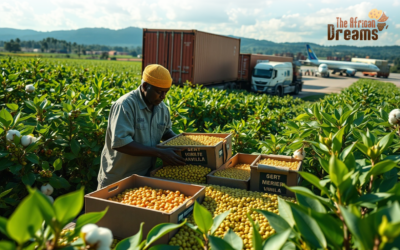
Agro-processing is another important opportunity within agriculture in Burundi. The country has limited agro-processing capacity, which means that much of the value generated from agricultural products can be lost before products reach higher-value markets.
Developing agro-processing facilities can add value to locally produced raw materials. Instead of exporting or selling raw agricultural products, investors can process them into higher-value products and potentially increase their market value.
According to Afro Discovery, strengthening agro-processing can help Burundi capture more value from its agricultural production.
For investors, this creates opportunities in food processing, packaging, storage, and other value-added agricultural activities.
3. Infrastructure Development
Infrastructure development is another significant investment opportunity in agriculture in Burundi.
The agricultural sector requires better irrigation systems, storage facilities, roads, transportation networks, and other supporting infrastructure. Developing these systems can help reduce production and transportation costs while improving farmers’ access to markets.
Better rural infrastructure can also reduce post-harvest losses and make it easier for agricultural products to reach domestic and international markets.
Therefore, investors can explore agricultural infrastructure as both a standalone investment opportunity and as an important supporting sector for agriculture in Burundi.
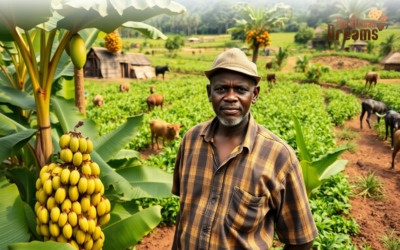
4. Livestock Farming
Livestock farming represents another area of potential investment in agriculture in Burundi. According to the Burundi Livestock Industry Outlook 2022–2026, the livestock sector was projected to experience growth during this period.
Growing demand for meat and dairy products can create opportunities for commercial livestock farming, animal feed production, veterinary services, and related businesses.
Investors can also explore opportunities to improve livestock production through better breeding, feeding, animal health, and farm management practices.
Developing commercial livestock operations can help meet domestic demand while potentially creating opportunities for exports.
5. Irrigation and Water Management
Irrigation and water management are important areas for the development of agriculture in Burundi.
Many agricultural activities remain dependent on rainfall. Limited irrigation infrastructure can restrict production and make farmers more vulnerable to changes in weather conditions.
Investment in both small- and large-scale irrigation projects can help farmers maintain production beyond the limitations of seasonal rainfall. Improved water management can also support more efficient use of agricultural land and increase productivity.
For investors, irrigation systems, water-management infrastructure, and related agricultural services can therefore represent an emerging opportunity within agriculture in Burundi.
6. Agricultural Technology
Technology is another area that remains relatively underdeveloped in agriculture in Burundi.
Many farmers continue to rely on conventional agricultural practices and traditional methods. Introducing modern agricultural technologies, machinery, equipment, and tools can help improve productivity and efficiency.
Agricultural technology can be applied to several areas, including irrigation, crop monitoring, farm management, production, storage, and processing.
Investors can explore technology-based agricultural businesses that provide farmers with modern equipment and services while helping to modernize agriculture in Burundi.
7. Seeds and Fertilizers
High-quality agricultural inputs are essential for improving crop production. Therefore, seeds and fertilizers represent another potential investment area in agriculture in Burundi.
Limited access to high-quality seeds and agricultural inputs can affect productivity. Establishing facilities and businesses that provide reliable seeds, fertilizers, and other agricultural inputs can support farmers and commercial agricultural operations.
Such investments can also complement other agricultural projects by improving access to the inputs needed for higher and more consistent production.
8. Other Investment Opportunities
The potential of agriculture in Burundi extends beyond crop and livestock production. Other areas that investors can explore include agricultural research and development, agricultural financing, supply-chain services, storage, marketing, and export-market development.
Improving access to finance can help farmers and agricultural businesses expand their operations. Similarly, creating stronger connections between producers and international markets can increase the commercial potential of Burundi’s agricultural products.
As a result, investors interested in agriculture in Burundi can explore opportunities throughout the agricultural value chain rather than focusing only on primary production.
Challenges for Investors
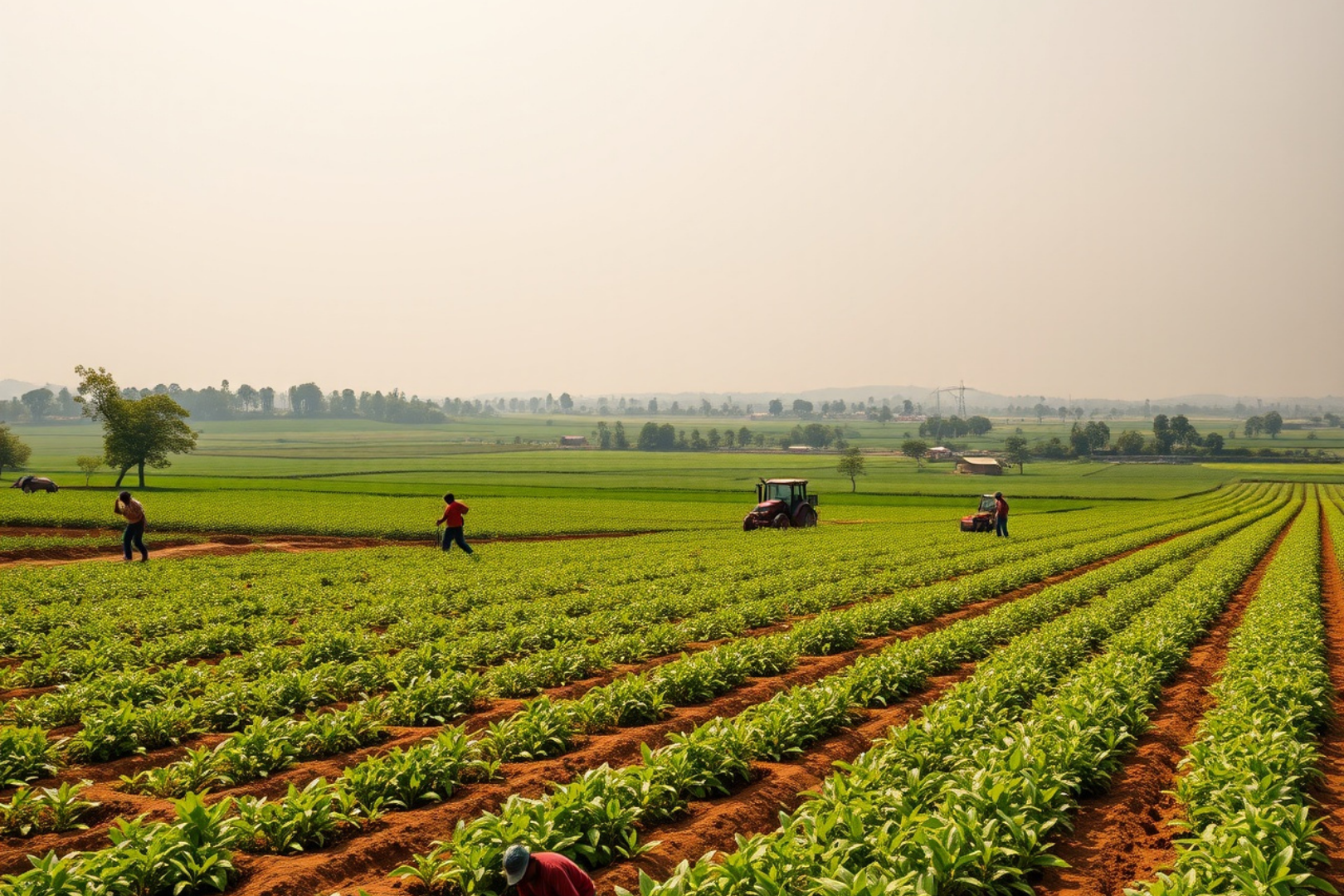
Every investment opportunity comes with challenges, and agriculture in Burundi is no exception.
Many of the obstacles faced by agricultural investors are connected to the same issues that limit agricultural productivity in the country. Understanding these challenges is important before entering the market.
1. Legal and Land-Related Issues
Land access and land tenure can be important considerations for investors in agriculture in Burundi.
Foreign investors may face restrictions and legal requirements related to land ownership and use. Burundi’s land policies regulate land use and tenure, while land disputes can also create difficulties for agricultural projects.
The USAID report on Burundi highlights land-related issues as an important concern within the country’s agricultural and economic environment.
Therefore, investors should carefully assess land regulations, ownership arrangements, and tenure conditions before starting an agricultural project.
2. Limited Infrastructure
Limited infrastructure is both a challenge and an investment opportunity for agriculture in Burundi.
Poor transportation networks, insufficient storage facilities, and limited irrigation systems can increase production and distribution costs. These challenges can make it more difficult for agricultural businesses to connect producers with markets.
At the same time, infrastructure development can help address these limitations and create opportunities for investors.
The government has also taken steps to improve the investment environment and encourage economic development.
3. Insurance and Financial Constraints
Access to finance and insurance can also present challenges for investors and agricultural businesses.
Agricultural projects can be exposed to risks related to weather, production, markets, and infrastructure. Limited access to appropriate financial and insurance products can make it more difficult for businesses to manage these risks.
Developing agricultural finance and insurance services could therefore support both investors and farmers while creating additional opportunities within agriculture in Burundi.
4. Other Challenges
Other challenges that investors may encounter include skills gaps among agricultural workers, limited financing, the role of intermediaries, policy changes, and broader political and economic conditions.
These factors can affect the cost, management, and profitability of agricultural projects.
However, many of these challenges can be addressed through partnerships, investment in infrastructure, training, technology, and better agricultural value chains.
Government Incentives and Policies
The government of Burundi has introduced policies and reforms intended to improve the investment environment and support economic development.
For investors interested in agriculture in Burundi, understanding these policies is important because government support and regulatory conditions can influence the cost and feasibility of agricultural projects.
Burundi has introduced tax-related measures and investment incentives intended to reduce barriers for businesses. These can include measures related to corporate taxation, value-added taxation, and other investment incentives.
The country has also undertaken legal and institutional reforms aimed at improving the regulatory environment for investors.
According to the East African Community investment guide, investors should consider Burundi’s legal, regulatory, registration, and operating requirements when establishing a business in the country.
These reforms and incentives can contribute to a more supportive environment for agricultural investment.
For agriculture in Burundi, government support can be particularly important because the sector requires investment not only in farms but also in infrastructure, processing, technology, finance, and market development.
Why Agriculture in Burundi Matters for Investors
The importance of agriculture in Burundi goes beyond its contribution to GDP.
The sector provides livelihoods for a large share of the population and plays a central role in food production, employment, rural development, and economic activity.
Investment can help transform agricultural production by introducing modern technologies, improving infrastructure, developing processing facilities, and connecting farmers with larger markets.
For investors, this means that opportunities can exist at different stages of the agricultural value chain.
An investor may focus on primary crop production, while another may develop a processing facility, irrigation system, agricultural-finance business, or logistics network.
This wide range of opportunities makes agriculture in Burundi a sector with several possible entry points for both local and international investors.
Final Words: Developing Agriculture in Burundi
Burundi has a diverse range of agricultural opportunities to explore and develop. As one of the country’s key economic sectors, agriculture in Burundi offers investment opportunities across a broad range of activities.
Crop production, livestock farming, agro-processing, irrigation, infrastructure development, agricultural technology, seeds, fertilizers, and agricultural financing are among the areas that investors can explore.
The sector also faces important challenges, particularly around land access, infrastructure, financing, insurance, skills, and market systems. However, these challenges also create opportunities for businesses capable of providing solutions.
With the right investment, partnerships, technology, and infrastructure, agriculture in Burundi can become more productive, commercialized, and connected to domestic and international markets.
For investors looking at East Africa, agriculture in Burundi offers a range of opportunities across the agricultural value chain, from production and processing to infrastructure, technology, finance, and export development.
0 Comments