
Introduction: More Women Entrepreneurs in Libya
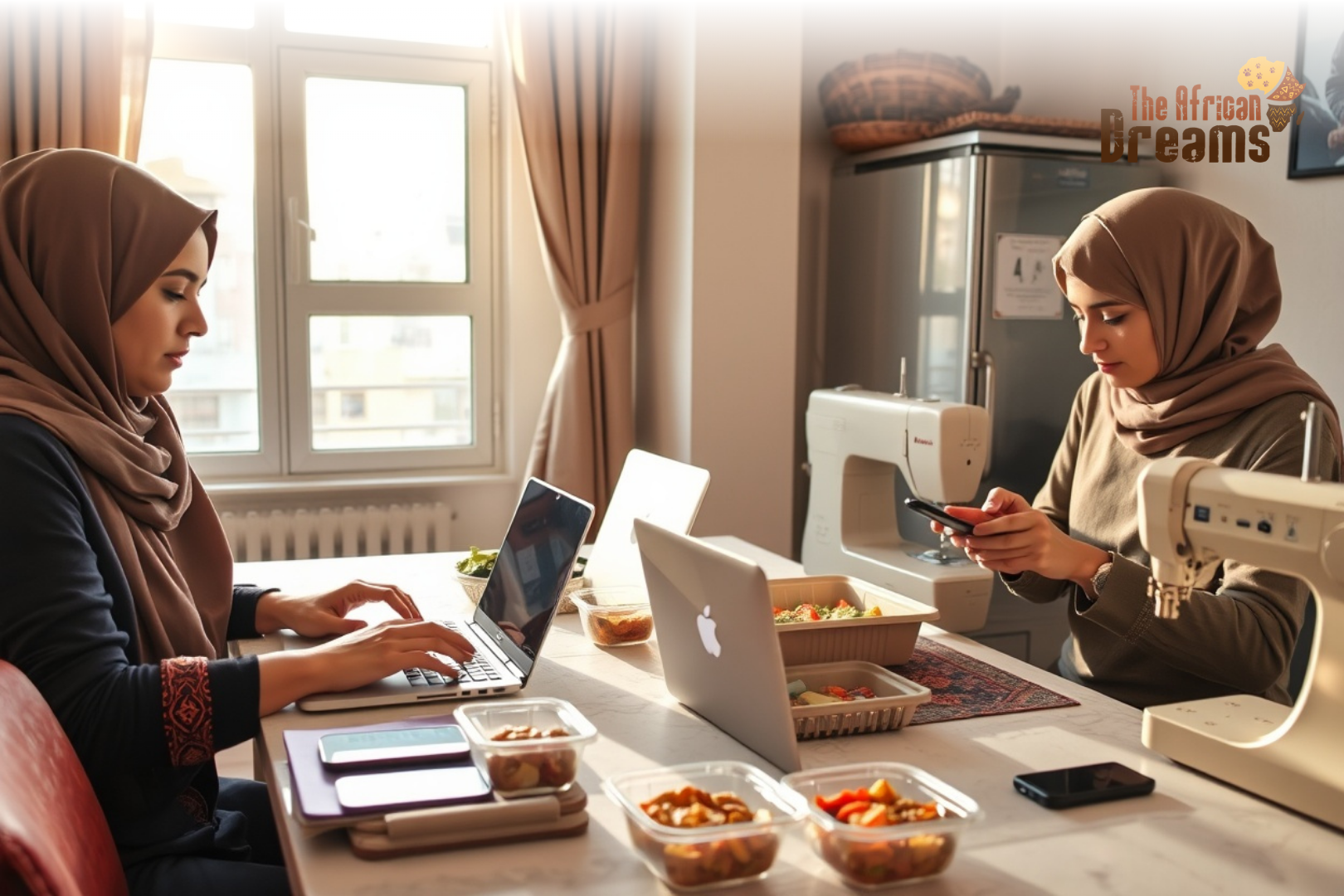
More Libyan women are now starting their own businesses. Some of them run small shops, some of them cook food from home, and others are trying digital startups. Even though the country still has a lot of problems, these women are working very hard to build something of their own.
Women doing business in Libya was a very rare sight for a very long time. Many families were not very supportive. There were also not enough jobs, training, or money for women to start. But now, things are slowly getting better.
With mobile phones, social media, and small support groups, more women are finding ways to earn. Some get a bit of help from NGOs or small programs. Others start with very little and grow step by step.
Libya’s women are now entering markets, creating jobs, and changing lives, even though the path is still quite difficult. Their work shows real strength, and their success is starting to get more attention. This article shows how investors can help and why this is a strong time to support women entrepreneurs in Libya to do business.
Current Situation of Women Entrepreneurs in Libya
Types of Businesses Women Run
Many women in Libya run small and simple businesses. These Libyan businesswomen sell clothes, makeup, or handmade things. Others cook food at home or offer beauty services. Some of them are also trying basic online shops using social media. These businesses are still quite small. But these small businesses help women earn money and contribute to their families. This boosts their confidence.
Where These Businesses Are Based
Most women work from home in cities like Tripoli, Benghazi, and Misrata. These places have better internet and more people. Women from smaller towns have also started to join small businesses.
How Social Media and Mobile Help
Phones and apps help a lot. Many women use WhatsApp or Facebook to post products, talk to buyers, and take orders. This makes it much easier to run a business from home. Even without a shop, some women now earn through their phones. Many women entrepreneurs in Libya are now doing business online.
Support from NGOs and Small Programs
Some small programs and NGOs are giving help. They give short training or a little money to start. The help is still not enough, but it gives women a small push to try something. A few used this to grow a bit faster.
Slow But Positive Change in Society
In some places, people are starting to think differently. More families now say yes to women working, mostly from home. It is still not easy for many. Some women still face problems. But things are slowly changing, and more women feel brave enough to try.
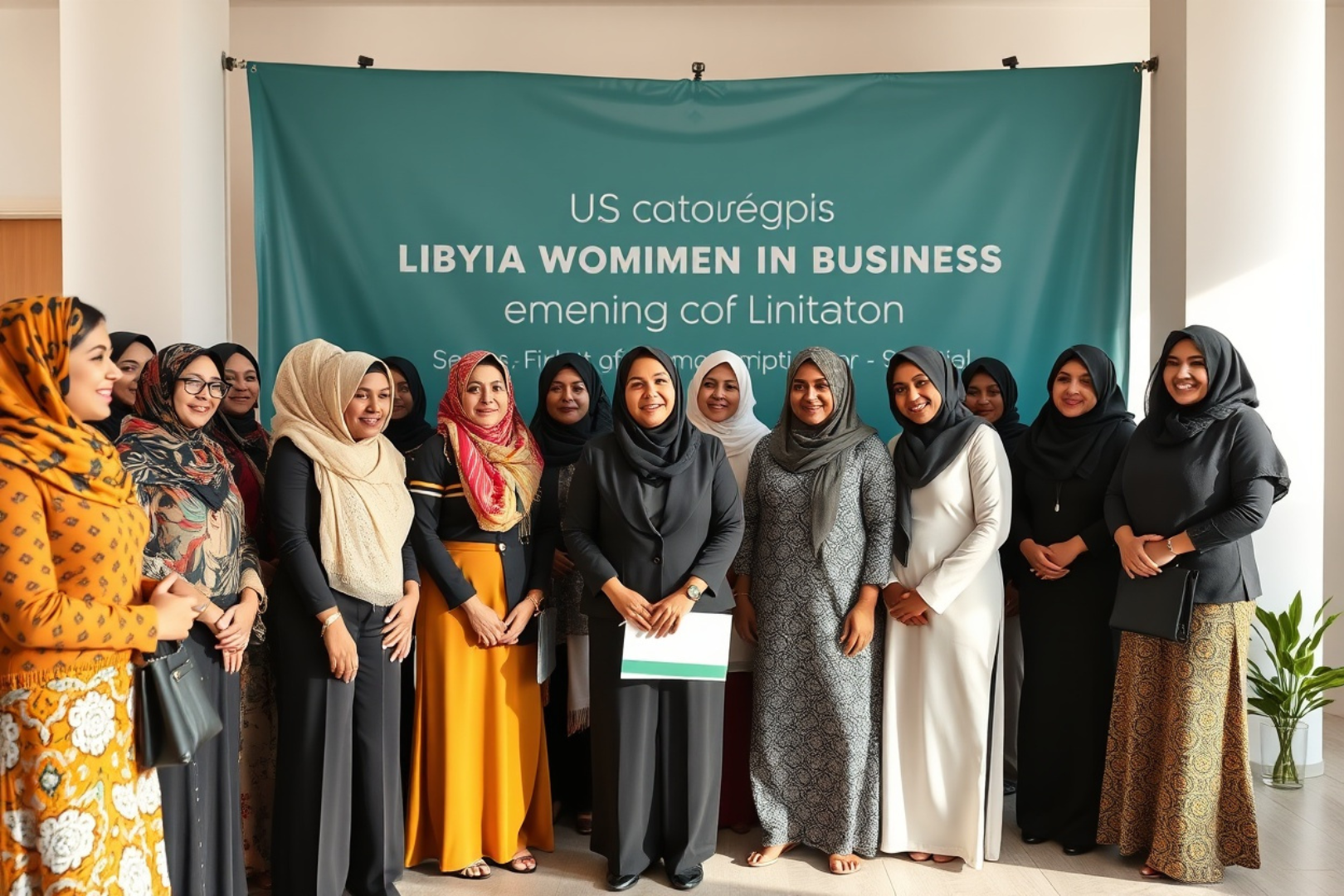
Photo: Launch of Libyan Women in Business Committee
Challenges Faced by Women Entrepreneurs in Libya
Lack of Access to Finance
Getting money to start or grow a business is still pretty difficult for most women. Some of the bank rules are very complicated for the new business owners. Some Libyan women try to get help from their families, but that is not always enough. Without money, many good ideas stay small or never even get started.
Family and Social Pressure
Some families still think women should stay at home. Even now, many women get a lot of pressure when they try to work. Some people say bad things or try to stop them. This makes it very hard to grow a business. A few women even work in secret, just to avoid problems.
Safety and Mobility Issues
Going outside for work is still not easy in many places. Some areas are not very safe, and public transport is not good either. Many women do not have cars. Because of this, they feel less free to meet people or grow their work outside the home.
Few Business Training Options
Business requires formal training. Most Libyan women do not receive any of the required formal training. Without getting trained, it is really hard to grow any business.
No Legal or Policy Support
There are still not enough clear rules to support women in business. Registering a business is often very confusing. Some women don’t even try because it feels too risky or too hard. Many small businesses stay informal and cannot grow properly.
Barriers Women Have Overcome
Many women in Libya start with almost nothing at all. Some do not get much support from their families. Others face fear, low confidence, or very harsh words from people around them. Still, they try. And slowly, step by step, they move forward. Some women deal with strict rules at home. They are told not to work or even talk to people outside. Just going out can feel pretty hard. But many still find small ways to earn money through their phone, from a room in their house, or with a little help from a friend or neighbor. Most women also begin with no training. They don’t know how to price things, save money, or grow a business. They teach themselves. Some watch basic YouTube videos, and some ask for tips in WhatsApp groups.
Even when they get judged or feel like giving up, they still keep going. These women fight fear, pressure, and doubt almost every day. And with every small move, they build something very real, not just for themselves, but for others around them too.
Investment Opportunities: Supporting Women Entrepreneurs in Libya
Microfinance and Small Loans
Getting a loan is still very hard for many women in Libya. Most banks ask for full documents and big collateral. But many women do not own land or property, so they cannot qualify. In fact, only about 12% of land and homes are owned by women in Libya. Because of this, a lot of women with good ideas cannot grow their businesses.Some small programs, like Libyan Women’s Economic Empowerment (LWEE), have already helped by providing training and easier access to money. Investors can help more women by supporting microloan programs with low or no collateral. These loans can be small, but they can make a big change.
Digital Tools and E-commerce Platforms
Phones and social media are already helping women quite a lot. Many are now selling clothes, food, or services through Facebook, WhatsApp, or Instagram. But these tools are still pretty basic. If women entrepreneurs in Libya had better e-commerce apps made for Libya, they could maybe sell more and reach a few more people.
Training Programs and Mentorship
Most women do not get formal business education. They often learn from YouTube, friends, or small online posts. That’s not always enough to grow a real business.
Some programs, such as She Leads, already offer short training and support in Tripoli and Sabha. These efforts are a good start, but they reach very few people. With more support, these trainings can grow and give women the tools they need — like how to price, market, or save money.
Partnering with Local NGOs and Women’s Groups
There are some strong local groups in Libya that help women. Voice of Libyan Women (VLW) is one of them. Investors who work with these groups can understand local needs better and give support in a way that really works. Partnerships can also build more trust with the local community.
Home-based Business Expansion
Many women still work from home because it is safer and more accepted by families. They cook, sew, sell makeup, or offer simple services. But most of them use very basic tools.
With small machines, better packaging, or small delivery help, these businesses could grow a lot. Some just need a sewing machine or oven. Others may need a delivery partner to reach more customers. These are small things, but they can help many women entrepreneurs in Libya grow from their homes.
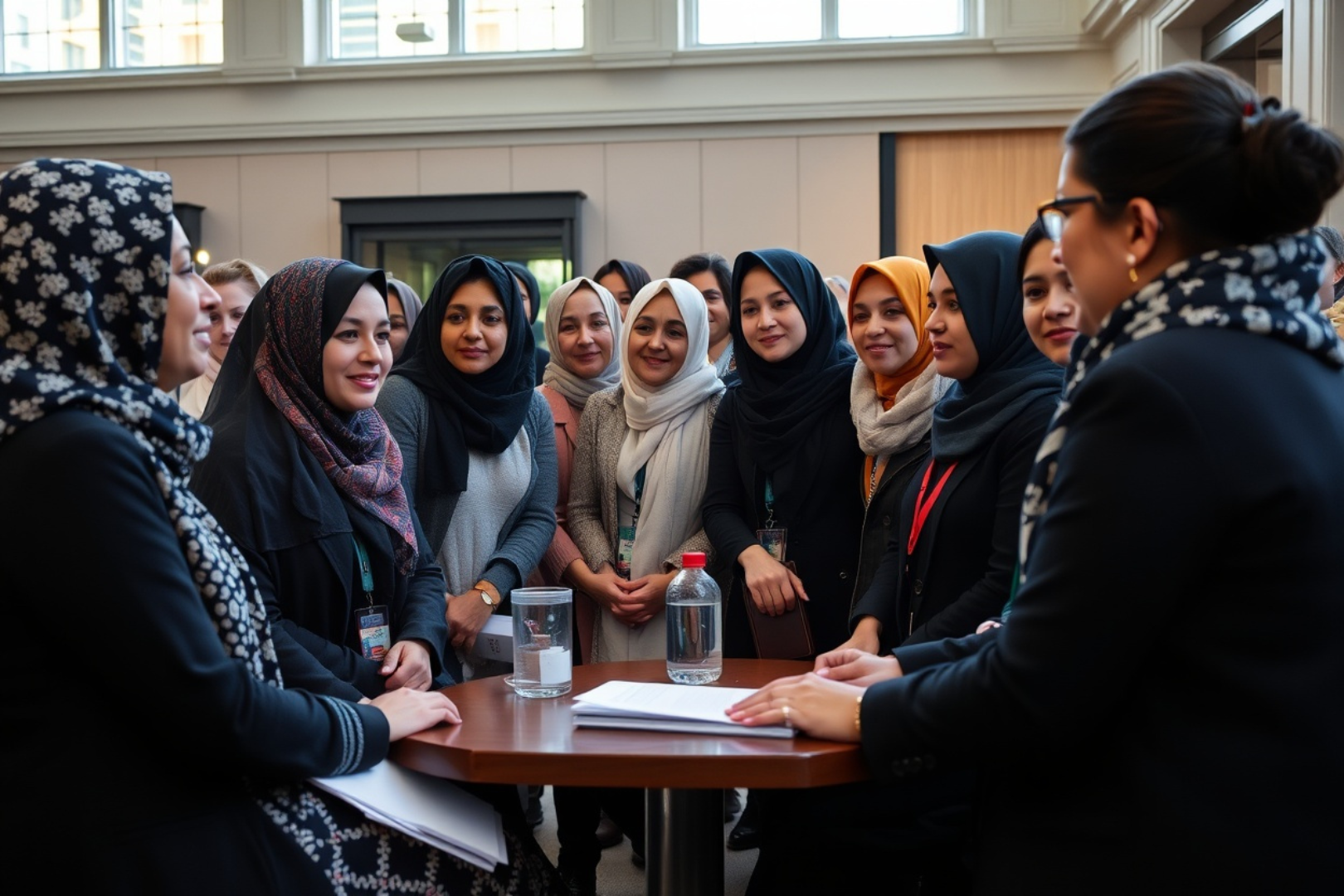
Photo: Women’s Working Group visiting Helsinki in 2018.
Success Stories
Asma from Tripoli
Asma from Tripoli started cooking in her small kitchen. She had no team or plan for the future. She just loved cooking. At first, she sold meals to neighbors and friends. Then she began posting pictures of food on Facebook. Orders started coming in slowly.
Later, she joined a short free training course from a local NGO. It showed her how to price meals, reply to messages, and plan deliveries. That one training helped her grow very fast.
Now, Asma cooks for weddings, offices, and events. She has two helpers and a busy kitchen. Her business is still small, but it is growing fast. With a little support, she built something very strong.
Nisreen from Benghazi
Nisreen owned a small beauty salon in Benghazi. She had big dreams but very few tools. Then Nisreen got a small loan from a local program that supports women. She bought better supplies and more products.
She used her phone to post pictures of her work on Instagram. More people followed her page. Then she opened another page to sell beauty items and clothes. Orders came from both inside and outside Benghazi.
Now, Nisreen earns from her salon and her online store. Her business is still small, but her reach is very wide. Just one phone, one loan, and one strong idea changed everything.
She Codes Libya
She Codes is a program that teaches tech to girls and young women in Libya. Many of them had never used a laptop before. But after the training, they could build websites, design logos, and do freelance work online. The program has already trained over 100 women. Some now work from home and earn money by helping local businesses. Others are building their own small services.
She Codes proves that girls in Libya can do very well in tech if they get the tools and training. This is a great chance for investors who want to support women in digital jobs.
Final Words
Women entrepreneurs in Libya are trying really hard to change their lives through small businesses. Many of them start with almost nothing. Some work from home, some sell online, and others run small shops or offer services. Even with many problems around them, they keep going.
They still face pressure, fear, and daily challenges. But they continue to grow, even if it’s just step by step. Some are now running businesses that help their families and even support others in their communities. Their stories show a lot of strength and real effort.
For investors, this could be a very strong time to take a closer look. The market is still wide open. The need is very clear. Even a little help with tools, training, or small loans could make a huge difference. Women entrepreneurs in Libya are not just working to lessen their financial burden. They are trying to secure their future. And they are doing it with almost no support. With the right help, proper guidance, strategy, and investment, they could grow very fast and go much further. The chances are clear, and the impact is real.
FAQs
- Are women in Libya starting more businesses now?
Yes, more women are starting small businesses in Libya. Many work from home or use phones to sell things online. The number is growing slowly but steadily. - What kind of businesses do most women entrepreneurs in Libya run?
Most women run food, beauty, tailoring, or small online shops. Many also offer services like tutoring or delivery from their home. - What is stopping more women from doing business?
The biggest problems are a lack of money, family pressure, safety concerns, and no training. Many women want to work but need support to get started. - How are women learning business skills?
Some learn from YouTube or friends. Others join short training from NGOs or local groups. Even small programs help a lot. - Can women in Libya use tech for business?
Yes, many use phones, WhatsApp, and Facebook to sell products. Some also learn digital skills to build websites or do freelance work. - How can investors help women entrepreneurs in Libya?
Investors can support training, give small loans, or build easy tech tools. Even small help can grow a woman’s business in a big way.






0 Comments