

Introduction
Libya is slowly opening up after many years of conflict. The country now wants to grow its economy and hopefully bring in more foreign money. One sector that might need the most support is banking and financial services in Libya.
Right now, many people in Libya still do not fully use banks. Most payments are made in cash. There are banks, but a lot of them are old, and it can be hard for small businesses to get loans. Many banks usually ask for 100% security, which is very difficult for most people.
At the same time, this sector has quite a few chances. Libya does not really have many digital banking options yet. Mobile banking, online payments, and smart tools could help a lot. Investors who slowly bring these services might grow over time.
The government of Libya is trying very hard to fix the rules and slowly reconnect with global banks. This could help the banking sector to grow by a very big margin. That means more services for people, more business support, and more trust in the economy.
For investors, Libya’s banking and finance sector offers a chance to build something new. The competition is not that high, and the need will keep on growing.
Current State of Banking in Libya
Low Use of Formal Banking
Many people in Libya still do not use banks. Most adults do not have a bank account. Some do not trust the system. Others think the banks are too slow or not useful. This makes it hard for banks to grow.
Cash-Based Economy
Libya mostly runs on cash. People pay in cash for food, rent, and even big things like cars. Businesses also prefer cash. This is risky and not safe. It also makes it hard to track money and grow the economy.
Problems with Lending and Credit Access
Getting a loan in Libya is very hard. Banks often ask for 100% security before they give money. Small businesses cannot give that, so they do not get loans. This stops them from growing and hiring more people.
Outdated Banking Systems
Many banks in Libya still use old systems. Some do not offer online banking. Others do not even have mobile apps. People wait in long lines to do simple things. This wastes time and makes banking feel hard.
Lack of Financial Inclusion
Women, young people, and people in rural areas often have no access to banks. They have no savings account, no loan, and no insurance. This keeps them out of the economy. If more people join the system, the country can grow faster.

Investment Opportunities in Libya's Banking Sector
1. Digital Banking and Fintech
About 88% of people in Libya used the internet in January 2024. That means more than 6 million people are online. But most banks in Libya do not have apps or online services. People still go to banks and wait in line.
This is a great chance for investors. They can bring mobile apps, online banking, and faster systems. Investors can use this strong internet base and enter the growing market of Libya
2. Islamic Banking Services
With a very large Muslim population, Libya has a strong demand for Sharia-compliant financial products. Even though some banks already offer Islamic services, the market is still far from full. Investors have a great chance to bring products like Murabaha (cost-plus financing) and Ijara (leasing) to more people who prefer faith-based banking.
3. SME Financing Solutions
Small and medium businesses are very important for Libya’s economy. But banks ask for 100% security to give loans. This is very hard for small business owners. So, they cannot grow.
Investors can bring better loan options. These can be things like credit support or money based on business income. This can help small businesses grow very fast and make the economy stronger.
4. Microfinance Development
Many people in rural Libya still have no access to banks. Microfinance services can help them very much. Small loans and local support can create jobs, boost small businesses, and improve daily life. This sector has very high potential for impact and profit, especially in areas where no formal banks exist.
5. Public-Private Partnerships in Banking Infrastructure
The government of Libya is very interested in upgrading banking systems. Partnerships with private investors can bring in new tech, safer systems, and faster services. Projects can include better core systems, cybersecurity, and large payment networks. These steps can build very strong trust in the banks and make the system run smoothly.
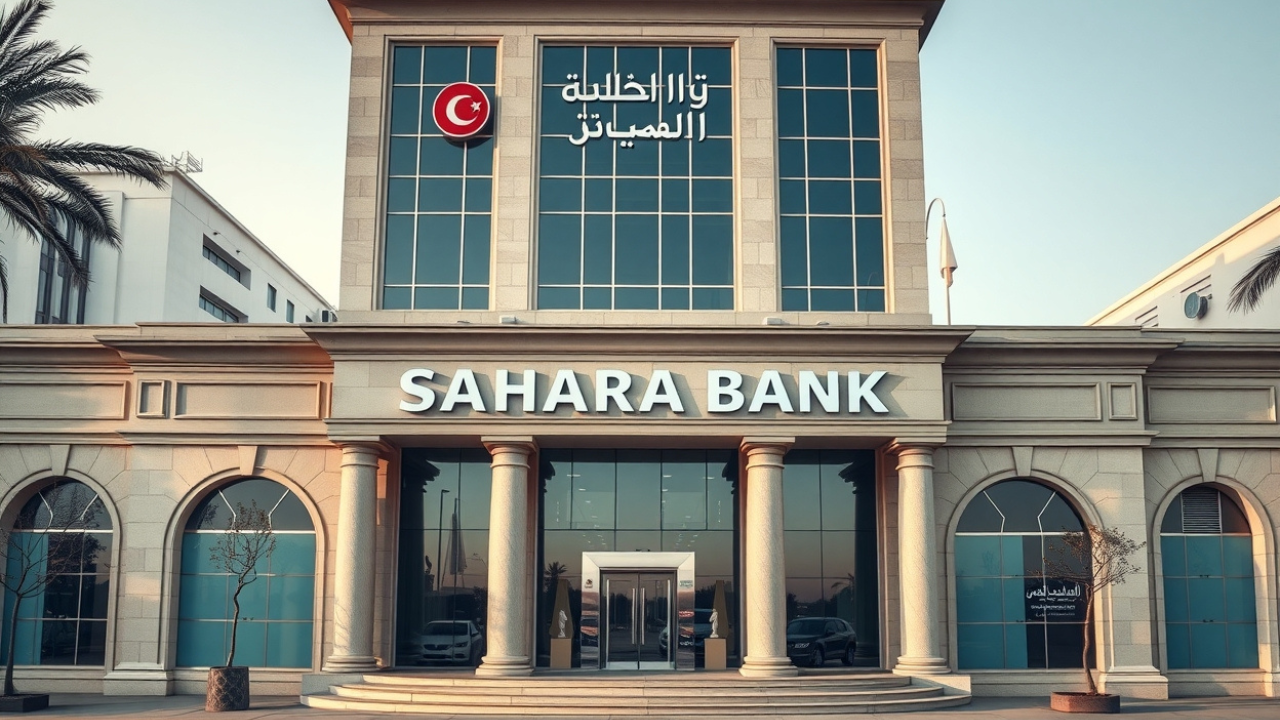
Challenges in Libya’s Banking Sector
- Weak Digital Systems: Most banks in Libya still use very old systems. Many of them do not have mobile apps or online banking. People have to visit the bank for even very simple things. This takes a lot of time and makes everything move very slowly.
- Lack of Trust in Banks: Many people in Libya still do not trust banks. They worry their money is not safe at all. This is because of past problems like sudden bank closures, very long wait times, or no cash when needed. Trust is still very low, and this keeps a lot of people away from using banks.
- Cash-Heavy Economy: Libya still uses cash for almost everything. Shops, rent, and even big deals happen in cash. This is very risky and hard to track. It also slows down banking growth. People do not feel the need for bank accounts when cash is still the main way to pay.
- Hard Rules for Getting Loans: Getting a loan in Libya is very difficult. Banks ask for 100% collateral. That means people have to give something of full value before getting any money. Small business owners cannot do that, so they do not get loans. This stops many from growing their business.
- Poor Global Connections: Right now, Libya’s banks are not fully connected to the world. It is very hard to send or receive money from outside. This makes it tough for global trade and also scares off foreign investors. Stronger links to the global system are very important for future growth.
Government Support and Reforms
- Steps to Fix the Banking System: The Libyan government is now trying to fix the banking system. Many banks still follow old ways. The government wants to bring in better rules and better systems. This can help banks work faster and serve more people.
- New Financial Laws and Rules: There are new plans to update money laws. These changes can help banks follow modern steps. They can also make it easier for foreign banks to work in Libya. This is very helpful for investors who want clear and simple rules.
- Work with Foreign Partners: The government wants to work with other countries and global banks, which can help Libya reconnect with the world. If this happens, it will be easier to move money in and out of the country. This can also bring in very strong support from outside.
- Plans for Digital Banking: Libya is also planning to bring in more digital tools for banks. The goal is to move away from paper and use smart systems. The government wants banks to offer mobile apps, online payments, and digital wallets. This will make banking much easier and faster.
- Support for Small Businesses: There are also small steps to support new and small businesses. Some local banks are slowly starting to give better loans. The government also wants to help with training, faster bank accounts, and business tools. These steps are still early, but show very good signs.
Regional Links and Future Growth
- Libya’s Location: Libya is in a very strong spot. It sits between Africa, Europe, and the Middle East. This makes it a very good place for trade and money flow. With better banks and payment systems, Libya can really help connect all three regions.
- Trade with Neighboring Countries: Libya shares borders with six countries. These countries are Egypt, Tunisia, Algeria, Niger, Chad, and Sudan. It already does a lot of trade with Egypt and Tunisia. With better banks, it can do even more business with all of them.
- Connection to African Free Trade Area (AfCFTA): Libya is part of a very big trade group in Africa called AfCFTA. This group wants to make trade much easier between African countries. If Libya upgrades its banking system, it can be a very strong part of this group. This can bring a lot more trade and money into the country.
- Chance to Become a Regional Finance Hub: If banks in Libya improve, the country can become a very important finance hub. Other countries might use Libyan banks to send money and support trade. This can bring very good profits and create many new jobs. But Libya still needs smart tools and very strong support to make this work well.
- Need for Stronger Cross-Border Systems: Sending and receiving money in Libya is still very complicated. The system is very slow and pretty outdated. That is why Libya needs a modern system. A modern system can help Libya become a very big part of world trade.
Success Stories
ATIB and Temenos Partnership
Assaray Trade and Investment Bank (ATIB) is a local bank in Libya. It worked with a global software company called Temenos. This deal helped ATIB grow very fast.
The bank added online banking, mobile money, and easy fund transfers. Because of these new tools, ATIB’s customers and money both grew by 40%. This is a very strong result for a local bank in Libya.
Banco Espírito Santo and Aman Bank
In 2009, a big bank from Portugal called Banco Espírito Santo bought 40% of Aman Bank in Libya. This helped Aman Bank grow its services and reach more people.
The foreign bank brought smart tools and new ideas. This made Aman Bank work better and gave it a very strong push in the Libyan market.
Ahli United Bank and UBCI
Ahli United Bank from Bahrain also joined the Libyan banking market in 2009. It bought 40% of a local bank called United Bank for Commerce and Investment (UBCI). This deal helped UBCI learn new ways to work and give better service. It also made the bank stronger and more trusted. This was a very good result for both sides.
ATIB and Temenos Partnership
Assaray Trade and Investment Bank (ATIB) is a local bank in Libya. It worked with a global software company called Temenos. This deal helped ATIB grow very fast.
The bank added online banking, mobile money, and easy fund transfers. Because of these new tools, ATIB’s customers and money both grew by 40%. This is a very strong result for a local bank in Libya.
Banco Espírito Santo and Aman Bank
In 2009, a big bank from Portugal called Banco Espírito Santo bought 40% of Aman Bank in Libya. This helped Aman Bank grow its services and reach more people.
The foreign bank brought smart tools and new ideas. This made Aman Bank work better and gave it a very strong push in the Libyan market.
Ahli United Bank and UBCI
Ahli United Bank from Bahrain also joined the Libyan banking market in 2009. It bought 40% of a local bank called United Bank for Commerce and Investment (UBCI). This deal helped UBCI learn new ways to work and give better service. It also made the bank stronger and more trusted. This was a very good result for both sides.
Final Words
Libya’s banking and financial sector is still growing. There are still many problems investors might face. These problems include old systems and very complicated loan rules. But the country’s banking and financial sector is also changing for the better. The government is taking steps to fix the banks and make them stronger.
People in Libya really want easier ways to save, send, and use money. This shows there is a very big need for a better banking system. Investors can help by bringing modern systems and advanced banking concepts. They can invest in these areas and help the sector grow very fast.
Some foreign investors have already joined and done very well. More banks are now ready to work with global partners. This shows that the market is slowly opening up.
Libya may still have some risks. But it also has very strong potential. Investors who come early and bring real solutions can grow with the country and earn great returns in the future.
FAQs
1. Can foreign investors work in Libya’s banking sector?
Yes, foreign investors are allowed to work in Libya. They can partner with local banks or start new services. The government is also giving support to bring in more foreign investment.
- Is there demand for better banking in Libya?
Yes, the demand is very high. Many people still do not use banks. Businesses also need faster and safer ways to move money. So, the need for better banking is growing every day. - What is the biggest problem in Libyan banks?
The biggest problem is that many banks still use very old systems. Most of them do not offer mobile apps or online banking. This makes banking slow and hard for customers. - Are there any success stories?
Yes, some foreign investors have already done very well. For example, ATIB worked with a global company and grew by 40%. Other banks also got help from foreign partners and improved their services. - Is it safe to invest now?
There are still some risks, but things are slowly getting better. The government is making new rules and opening the market. Many investors who start early can get good results later.






0 Comments