
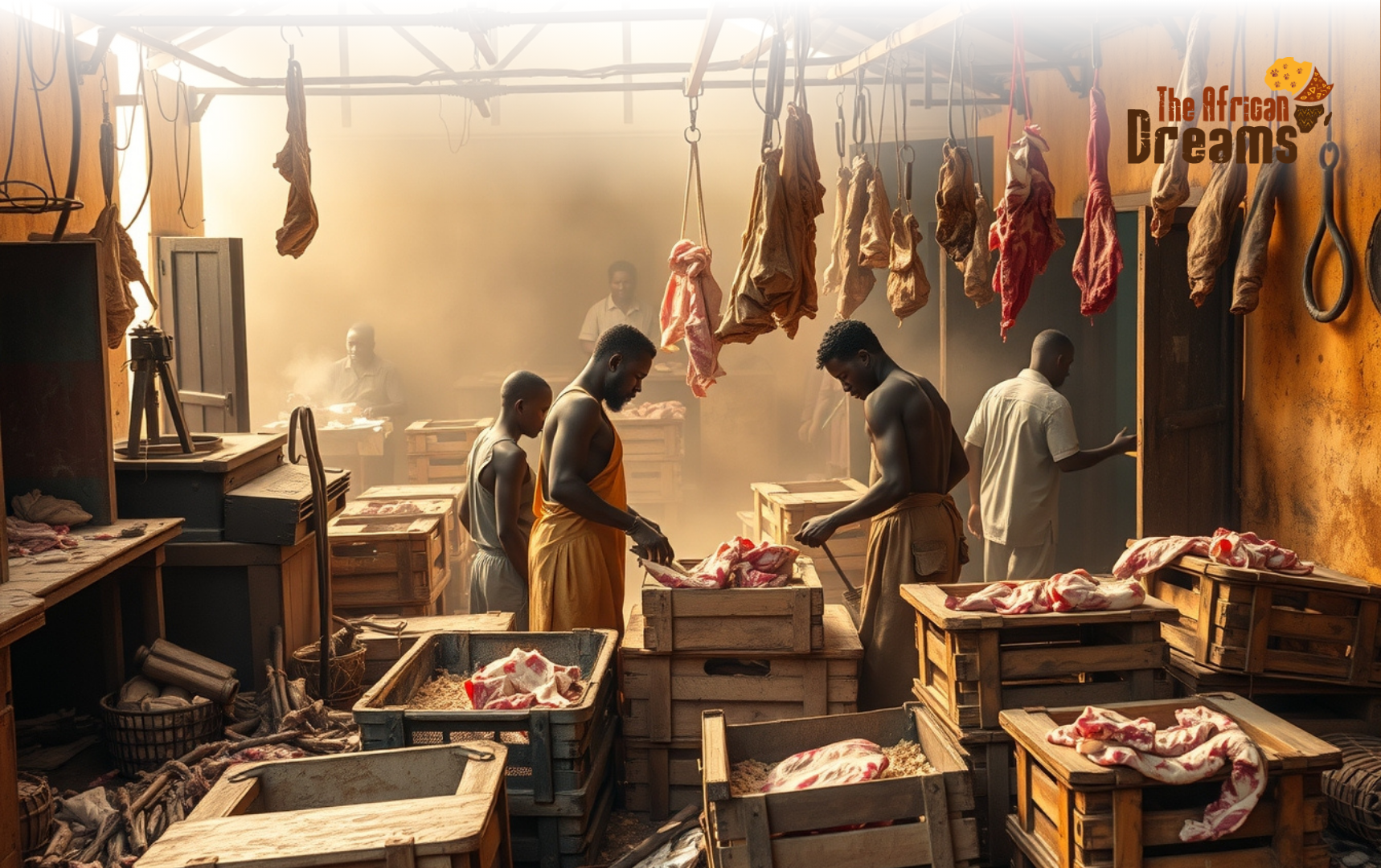
Uganda’s meat industry is an important part of its agricultural sector. It provides livelihoods for millions of Ugandans. The meat industry contributes to the country’s food security and nutrition. As the population continues to rise, the demand for high-quality meat also grows. The meat industry offers many business opportunities for local and international investors. It is expected to grow annually by 11.33% from 2024 to 2029. In this blog, we will learn why investing in Uganda’s meat industry is beneficial.
Livestock Sector of Uganda in Economy
The livestock sector of Uganda makes up about 17% of agricultural value added. It also
contributes 4.3% to the GDP. Cattle are the most crucial part of the livestock sector. Uganda has 14.2 million cattle. Among these, 11.9 million are raised for meat.
Other than dairy products and eggs (USD 80 million), meat and meat products (USD 6.2 million) are also among animal products exports.
The export market for Ugandan meat products is also growing. Uganda generates USD 3 million in export revenue from slaughtered meat per year. Around 30% of this volume comes from beef.
The Democratic Republic of the Congo is the top importer of Ugandan fresh meat exports. It accounts for 55% of the total exports.
Now let’s take a look at why you should invest in the livestock sector of Uganda!
- Uganda’s meat industry has great potential for investors to meet the growing demand for quality protein. For example, the average beef consumption in Uganda is only 6 kgs per capita. This is below 50 kgs, which is recommended by the FAO. The demand for processed beef products is growing due to a 3.4% annual population increase and rising incomes.
This is an opportunity for investors to explore this industry as beef consumption is increasing along with the income of people. - Another reason to invest is the meat industry’s export potential. While neighboring countries face challenges due to a lack of land and poor weather, Uganda is full of resources. It is one of the most fertile countries in the world because of its rich soil and abundant water supply.
- Uganda’s meat is famous for its good taste and flavor. Uganda’s beef is fifth best worldwide because of its yellow fat, as it is cholesterol-free. Investors can market this quality attribute.
- Uganda is in the Great Lakes Region. It is ideal for supplying the growing regional markets in Kenya, Tanzania, Southern Sudan, Congo, and Rwanda. The region has more than enough land for production and processing, and its climate and soils are favorable for poultry feed production.
- Uganda’s beef is prepared halal by independent, non-governmental organizations that examine it. Halal certification is a quality assurance standard that ensures the meat is produced while maintaining Islamic dietary laws. Marketing it in the Middle East and Arab Countries would be beneficial.
- Uganda’s beef is organically produced with no grain feeding and nutritional supplements. Organic beef is a great option for investors to capitalize on.
- The government of Uganda is supportive and encourages private investment. They reserved land in the cattle corridor of South Western Uganda for beef processing. They are promoting the setting up of meat processing units near cattle-producing areas. They ensure that meat processing enterprises meet quality assurance systems such as ISO.
Uganda has also set aside land for industrial development at Namanve Industrial Park through UIA. It has land available for investors in the cattle corridor areas of Soroti, Mbarara, Nakasongola, and Masindi. Many local and international commercial banks offer financing for viable projects. - Uganda supplies enough power. It is also cheaper than neighboring countries. The cost of labor and production is low, so investors can save by investing here. Uganda offers enough supply for skilled and unskilled labor. The labor rates are usually low. Minimum wages range from $2 to $2.50 per day. In addition, university graduates in food technology can easily adapt to new technology. Universities like Makerere and Kyambogo have 30-40 graduates in food science and technology each year.
- Improved infrastructure is another reason why investors should explore Uganda’s meat industry. Uganda is landlocked but has good road connections to neighboring East African countries. Road networks all over the country ensure chicken delivery to processing plants on time. It also ensures that finished products are delivered to the domestic and regional markets. Air transport also helps to export poultry products.
- Uganda’s steady supply of water is also noteworthy. It helps with processing, cleaning, and waste disposal. Lakes and rivers ensure the water supply for local and industrial development.
- Uganda is on the Equator. Its tropical climate allows animals to be raised year-round for beef processing. The country also has a favorable climate for growing crops that can be used as poultry feed.
- Uganda has a good supply of raw materials. It is home to 11 million cattle, according to the livestock census conducted in 2008. The country has a stable supply of cattle for slaughter. About 500 cattle are slaughtered every day in Kampala. The number of large-scale and small-scale poultry farmers is also growing. These provide broilers for slaughter and processing. There are also organized contract farming schemes that supply the processing companies
Final Words
So, what are you waiting for? Investing in Uganda’s meat industry is beneficial for the investors, locals, and the country. The meat industry offers vast opportunities, and it’s time for investors to dive into this sector. With the growing market demand, the meat industry is about to flourish. Uganda’s strategic location and cooperation with government investors can take a step forward and explore this industry. Investors can play a major role in the growing industry by investing now. They can contribute to the country’s economy and ensure food security.





0 Comments