
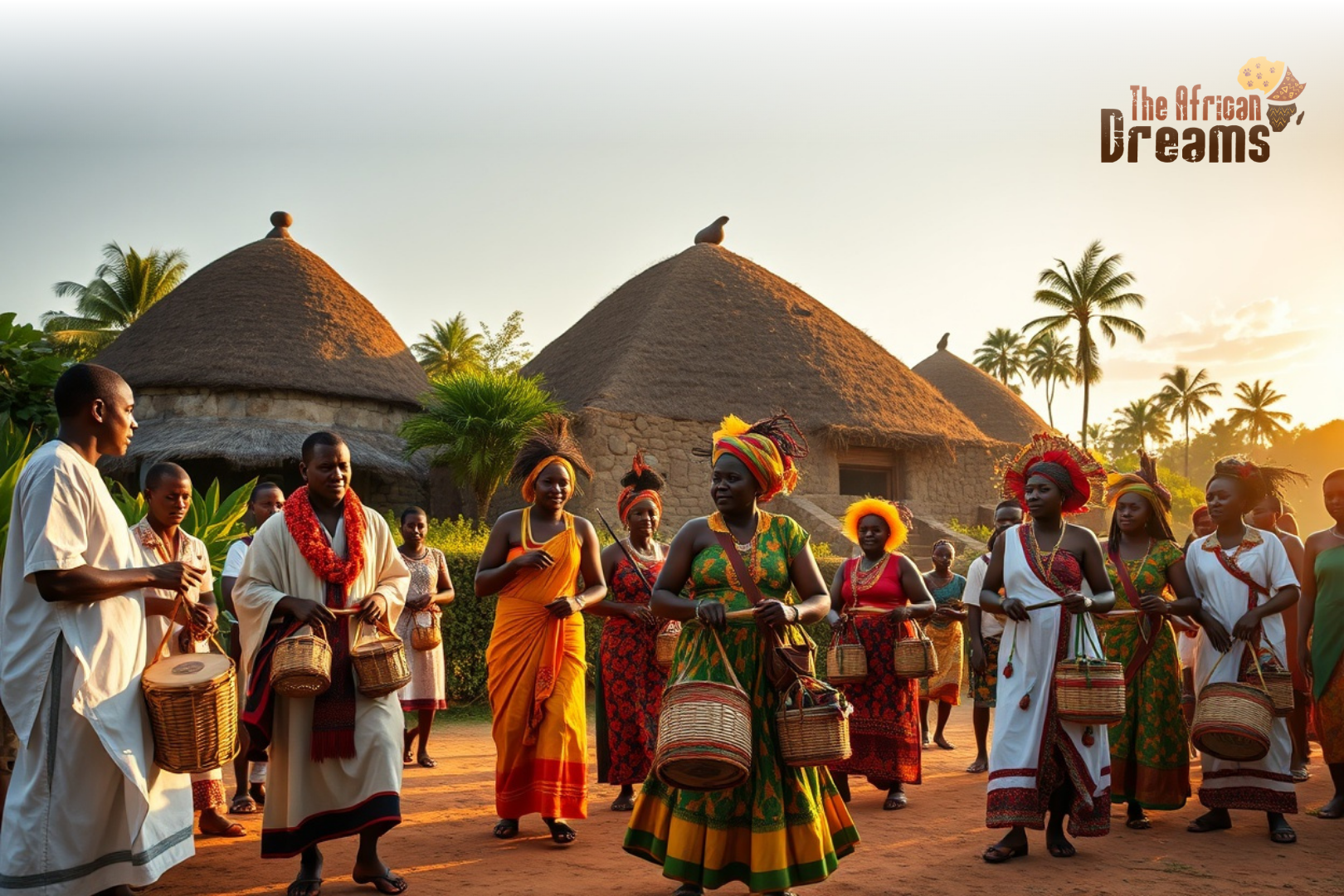
Introduction: Cultural Tourism in Uganda
Uganda has a rich heritage of historical sites and traditions. More than 65 indigenous communities are living in different parts of the country. Their traditions are what shape the aspect of cultural tourism in Uganda.
The cultural heritage expands through centuries of traditional kingdoms. For example, the Buganda monarchy established its role as the architect of modern Uganda. To this day, tourists can experience a variety of authentic cultures. The cultural tours include visiting historical sites and participating in traditional ceremonies. You get to be a part of the tribes’ community interactions. In this article, let’s explore the amazing cultural tourism in Uganda and its offerings.
Article Highlights
Uganda has major ethnic groups and tribes, all with their cultural practices and norms.
Kasubi Tombs, Bigo bya Mugyenyi, and Namugongo Martyrs Shrine are top picks for cultural tourists.
There are traditional dance performances, local cuisine tastings, and all sorts of tribe-specific activities to choose from.
Winter and Autumn are the two best seasons when cultural tourism thrives in the country.
Cultural Tourism: Visiting the Ethnic Groups
The landscape of cultural tourism in Uganda has a mix of different ethnic communities. The population, however, falls under four categories:
- Bantu
- Nilotic
- Hamites
- Nilo-Hamites (Central Sudanic)
Uganda’s population is dense with the Bantu-speaking people. They live across the central, southern, and western regions of the country. Most of the people in the country are Bantu-speaking. The Baganda is the largest ethnic group with 16.7% of the population.
The Basoga people are 8% in number. The Nilotic people live in the northern regions of the country. The Acholi-Langi and Iteso groups account for 155 and 8.1% of the population, respectively. The major ethnic groups based on the region are:
- Northern: Acholi, Langi, and Alur
- Central: Baganda and Basoga.
- Eastern: Iteso and Karamojong.
- Western: Banyankole, Batoro, and Banyoro.
The Buganda kingdom became Uganda’s most powerful kingdom in the 19th century. It is as old as the 14th century. But it has struggled to claim power over the years. The Kabaka’s leadership kept power and control centralized. They appointed local chiefs to rule areas. The multilayered societal structure in the western region was built by the kingdoms of Bunyoro, Nkore, and Toro.
There are lots of varieties of tribes and cultures, but where Uganda’s people agree on is the traditional customs. Women wear the “Gomesi”, and Men choose the “Kanzu” during ceremonies. Each tribe has its specific culinary heritage. For example, the Baganda people are proud of their Luwombo, while the Banyankole cherish millet-based dishes. Overall, the tribes and their many traditions and ceremonies are a major part of cultural tourism in Uganda.
Cultural Tourism in Uganda: Must-Visit Places
Uganda has actively tried to preserve the historical landmarks and open them to visitors. These are evidence of rich heritage and cultural tourism in Uganda. Here are some places that everyone should visit to get a full-fledged cultural tourism experience in Uganda:
1. Kasubi Tombs: The Kasubi Tombs are the final resting place of the Buganda Kingdom’s royalty. The tombs rest peacefully in the heart of Kampala city. It is a recognized UNESCO World Heritage Site. It covers 27 hectares along the Kasubi hillside. The main tomb building is the Muzibu-Azaala-Mpanga, which has exceptional architectural designs.
It was built in 1882. The whole structure is built with organic materials like wood, thatch, and reed. Four Buganda kings, including Mutesa I, Mwanga II, Daudi Chwa II, and Mutesa II, lie within these grounds.
2. Uganda Museum: The Uganda Museum is the oldest in the Easter portion of Africa. It is 115 years old. The museum was once at Fort Lugard. A small Sikh temple was its first home. The museum was moved to Kitante Hill in 1954.
There are extensive ethnological collections, natural-historical exhibits from the early Buganda kingdom era, and archaeological artifacts from different parts of the country. The museum was designed by a German architect named Ernst May.
3. Namugongo Martyrs Shrine: The Namugongo Martyrs Shrine is a powerful tribute to the Uganda martyrs who were executed for converting to Christianity. They are a group of 22 Catholic and 23 Anglican converts and were subject to execution by the orders of Mwanga II.
The basilica has 22 copper pillars that are 100 feet tall each. Most traditional architecture reaches for the sky, and the shrine is no different. The scenic beauty of the basilica is astounding.
Not to mention the historical importance of the shrine to remember the martyrs. Devoted pilgrims visit the sacred site to honor St. Charles Lwanga and the martyrs. They hold a commemoration ceremony on June 3rd. That is when the attendance of pilgrims is at its peak.
4. Bigo bya Mugyenyi: The Bigo bya Mugyenyi is the largest ancient monument in Uganda. Its origins date back to AD 1300-1500. It is a magnificent archaeological site about 50 kilometers from the Sembabule town center in Mawogola County. The earthworks here stretch over 10 kilometers along a single road.
The outer ditches are 10 meters wide and have different depths between 1.5 and 4 meters. This was taken in as an expansion site by the Uganda Development Board to contain 300 hectares of land. There are four connected enclosures and three major mounds.
Cultural Experiences in Uganda You Shouldn’t Miss
Cultural tourism in Uganda allows visitors to participate in local traditions and customs. Yes, you heard it right. You won’t just be watching from afar. The people have over 40 different languages, each unique to the tribe or population. They are welcoming of travelers, and they can tuck into the authentic cultural experiences.
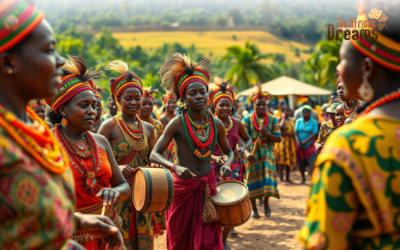
Ugandan traditional dances are their cultural identity. The people believe they are showcasing the community’s beliefs and customs through the movements. The Bunyoro-Kitara and Tooro kingdoms all have courtship dances during weddings. The royal Amakondere dance is presented to the King to signify his honor. The Bakiga tribe celebrates with their Kiga dance to bring the members together.
After dances and other ceremonies are done, comes chow time. Uganda has hosted food experiences with nine regional dishes. The features are the eshabwe, malewa, and chicken luwombo (curry) from the western, eastern, and Buganda populations, respectively. Locals in Kampala, especially families, host cooking classes to teach visitors the art of making Ugandan cuisine.
Local artists hold four-hour art workshops where tourists participate and learn about their crafts. Female artisans do jewelry-making to promote their cultural practices. The participants are then asked to create a unique piece of their own. They learn how these products help support the artisan family’s needs and income.
Community tourism has become quite popular recently. After the borders opened, the locals started managing community tours. The Batwa Cultural Experience is a half-day or full-day activity. They show traditional bows and arrows used for hunting game. They also allow you to visit the Batwa homesteads to learn about medicinal plants. Ride 4 a Woman is a charity program where tourists can enjoy Bakiga cooking, dancing, and basket weaving.
Final Thoughts: Promoting Cultural Tourism in Uganda
Cultural tourism in Uganda is best enjoyed during the winter and autumn, more specifically, from December to February and June to August. The weather is pleasant, and the conditions stay most favorable during this time.
By experiencing cultural tourism in Uganda, travelers can learn about the cultural heritage through traditional dances and craft workshops like the UCOTA artisans. The Kasubi Tombs and Uganda Museum in Kampala are UNESCO World Heritage Sites that tourists can enjoy.
Uganda is filled with historical landmarks, traditional ceremonies, and artifacts that are the heart of cultural tourism. The tribal people are very nice, to say the least. Their hospitality will get you questioning what people in other parts of the world are fighting over. The serenity of cultural tourism in Uganda is mesmerizing, and you will have the time of your life during your visit.

0 Comments