
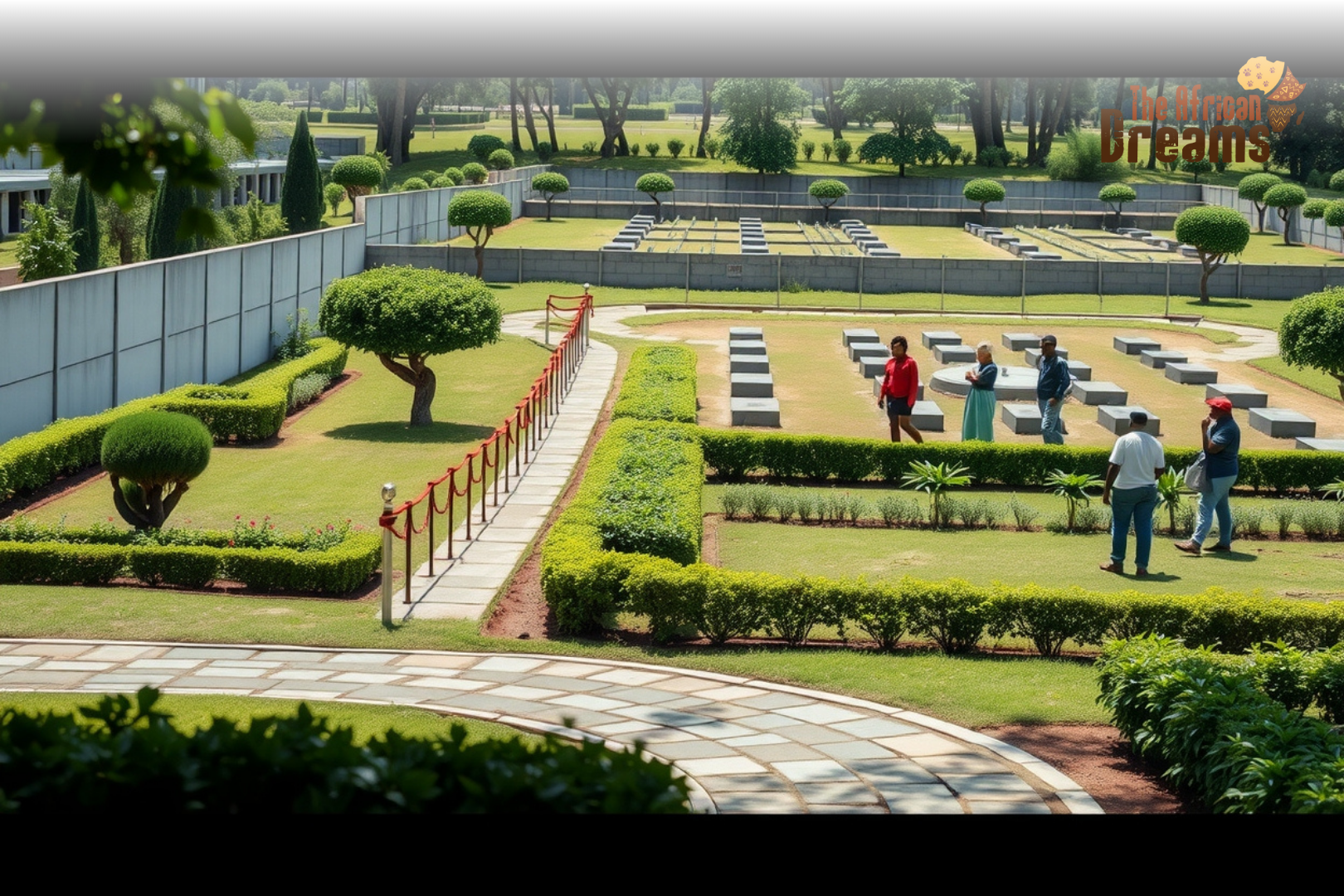
The Kigali Genocide Memorial is one of those places that makes one forget the world. The incident is a reminder of one of the darkest chapters in human history. This is a site in Gisozi, a village in Kigali, the capital city of Rwanda. It was established to remember more than 250,000 victims of the Genocide against the Tutsi in 1994, whose bodies are buried here. This genocide occurred between April and July 1994. An estimated 1,074,017 people were killed, as stated by the National Commission for the Fight Against Genocide. It was one of the fastest genocides in history, during which nearly 10,000 people were killed every day.
Memorial was established in 2004, on the 10th anniversary of the genocide. This site aims not only to be a burial ground but also an institution for learning, forgiving, and healing. Located in Kigali and run by the Aegis Trust, the site has displays that detail Rwanda’s pre-colonial past. It also has programmes that can educate the world against hatred and genocide at large. It is an educational experience to be taken through the Kigali Genocide Memorial and learn lessons that are relevant to the whole world.
By preserving the memories of those who perished, the Kigali Genocide Memorial ensures their legacy contributes to a global commitment to “Never Again.”
Understanding Visitor Etiquette
People who plan to visit the Kigali Genocide Memorial are required to do so with dignity and decorum. As a burial site and a place of reflection, certain etiquette must be observed:
- Modest Dressing: People are advised to wear decent clothes that would show respect to the victims and the site in general.
- Quiet Behavior: As a rule, the territory of the memorial is designated for recalling the tragic events, so being loud is prohibited.
- Restricted Access for Children: Children under 12 years of age are not allowed into the site. Some of the exhibits show graphic images of various types of violence.
- Photography Restrictions: No photography is allowed indoors. While photography inside the memorial gardens and entrance is allowed.
- Food and Drink Prohibited: Since the memorial has to be kept neat and tidy, food and beverages are prohibited in the gardens and exhibition areas. Coffee and tea are served at the on-site café.
- Respecting Cultural Norms: It is an object of Rwandan history and tradition. Thus, people are advised to come with an open mind and respect Rwandan culture.
By following these guidelines, visitors can guarantee that their visit pays tribute to the lives that were lost.
Unique Aspects of the Memorial
The Kigali Genocide Memorial stands out in its architectural work and mission. Providing the visitor with all the necessary information about the 1994 Genocide against the Tutsi. Its unique features make it an essential place for remembrance and education:
The Main Exhibition (‘Jenoside’):
- Describes the history of Rwanda, the genocide, and its consequences.
- Uses pictures, movies, and personal items to reduce the abstraction of the scale of the disaster.
- Bears witness to the survivor’s strength and how the process of reconciliation was pursued.
The Children’s Room (‘Tomorrow Lost’):
- This book is dedicated to the youngest victims of the genocide.
- Offers graphic elements such as photographs of the children and brief descriptions of their lives, age, hobbies, and last moments.
Mass Graves and the Wall of Names:
- There are mass graves in the memorial, and more than 250,000 victims are buried in them.
- The Wall of Names is intended to include everyone who died, but this is a continuous project because there are many victims.
The Wasted Lives Exhibition:
- Other genocides and mass atrocities around the world are discussed, and similarities and differences are identified.
Memorial Gardens:
- Provide a platform where people can pay tributes to their loved ones buried around neatly created gardens.
- Represent hope for the unity of people on the territory of the future United States.
These features help make sure that visitors leave with improved knowledge and understanding of genocide and its consequences.
Essential Information for Visitors
To ensure a smooth and meaningful visit to the Kigali Genocide Memorial, it is important to plan. Here are the key details visitors should know:
1. Operating Hours:
-
-
- Open daily from 9:00 am to 5:00 pm.
- The last entrance is at 4:00 pm to allow sufficient time for exploration.
- On the last Saturday of each month, hours are adjusted to 1:00 pm–5:00 pm due to Umuganda, Rwanda’s community service day.
-
2. Closures:
- The memorial is closed on Christmas Day, New Year’s Day, and the morning of April 7th, the National Commemoration Day for the genocide.
3. Guided Tours:
- Guided tours are highly recommended for a deeper understanding of the exhibits.
- Booking is advised for groups larger than 15 people.
4. Ubumuntu Package:
- An optional package includes an audio guide, a rose for the burial site, and additional materials to enhance the visitor experience.
5. Online Resources:
- Visitors are encouraged to check the official website or social media channels for updates on closures or special events before planning their visit.
These details help visitors maximize their experience while respecting the memorial’s significance.
Tips for an Enriching Experience: Making the Most of Your Visit
A visit to the Kigali Genocide Memorial can be emotionally profound and deeply educational. Here are some practical tips to help visitors have a meaningful experience:
1. Allocate Sufficient Time:
-
- Plan to spend 2 to 3 hours to fully engage with the exhibits and explore the serene memorial gardens.
2. Prepare Emotionally:
-
- The exhibits contain graphic and emotional content; visitors should approach the experience with mental readiness for the gravity of the subject matter.
3. Visit During Quiet Hours:
-
- Morning visits are often less crowded, offering a more intimate and reflective experience.
4. Utilize Guided Tours or Audio Guides:
-
- Guided tours provide detailed insights, while audio guides allow self-paced exploration. Both options enrich the experience significantly.
5. Spend Time in the Memorial Gardens:
-
- The gardens offer a peaceful space for personal reflection, allowing visitors to process their emotions after viewing the exhibitions.
6. Visit the Café:
-
- The café provides a tranquil setting to decompress and discuss your visit with companions over refreshments.
7. Support the Memorial:
-
- Donations and purchases from the gift shop directly support the site’s maintenance and educational programs.
8. Check for Updates:
-
- Confirm operating hours, closures, or special events through the memorial’s official website or social media channels before your visit.
By following these tips, visitors can gain a deeper understanding of the memorial’s significance while honouring its purpose.
Conclusion:
The history will overwhelm you as you tour through the Kigali Genocide Memorial. It is a history of genocide, suffering, and death, but it is also a history of the survivor. Before you, there is the Wall of Names, and you might see a rose left there by a mourning family member or just a passerby who has also come to mourn. In the tranquillity of the memorial gardens and listening to the chirping birds above the soil that has embraced those who were killed unceremoniously, here, you can.
The Kigali Genocide Memorial Centre is not just a place where a Genocide is commemorated, but it is also a rallying point. It makes us remember that hatred, if it is not controlled, is capable of turning into the worst. It challenges each one of us to be actively in support of peace, against division, and to embrace recovery from the Rwanda experience.
Your visit may make you sad, but at the same time will fill your heart with hope and desire for “Never Again.” The memory of the victims is not only kept alive but is also continually served as an example to others.






0 Comments