
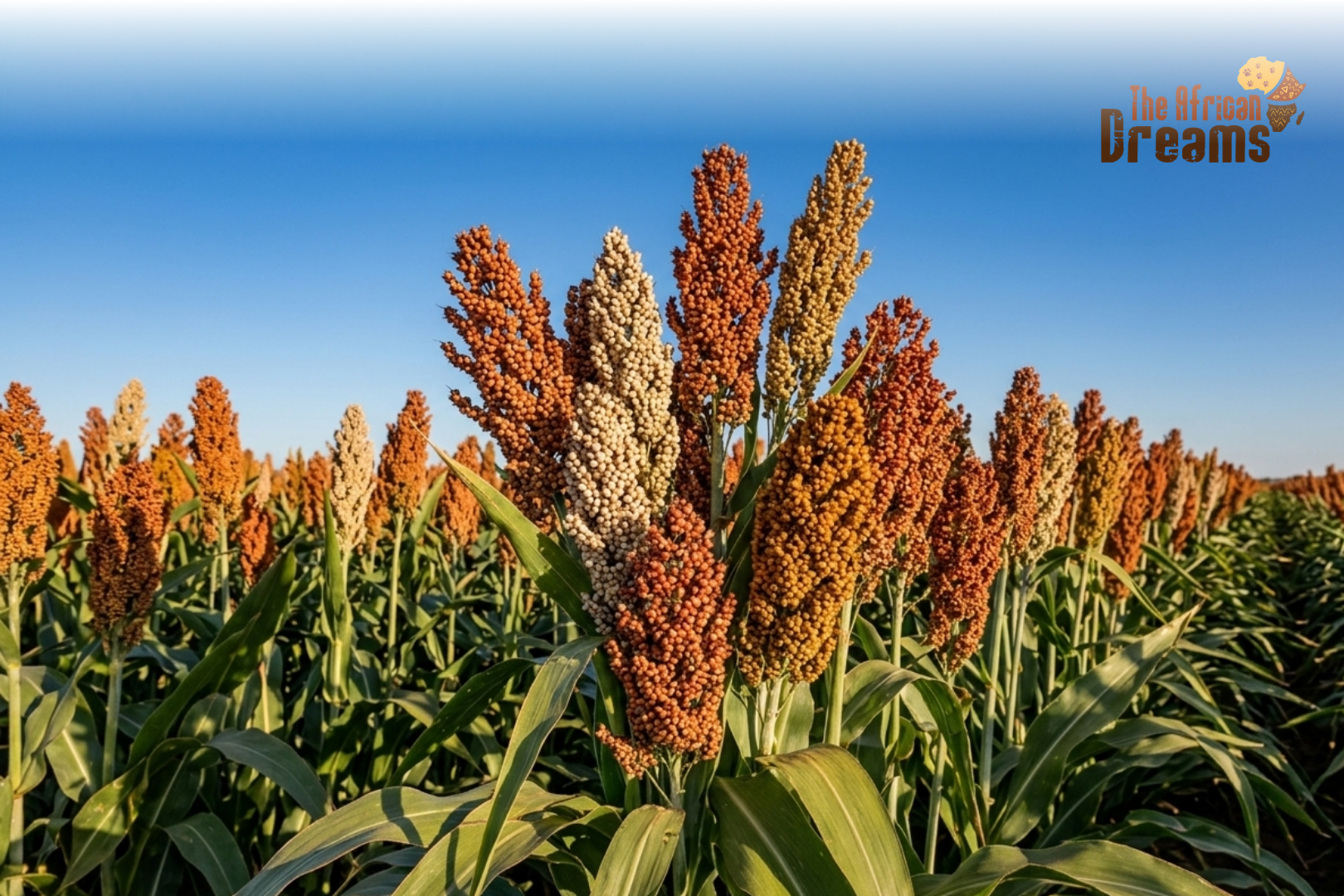
Introduction to Sorghum Farming in Sudan
Sorghum, often called “the grain of the tropics,” is pivotal in Sudan’s agricultural landscape. As one of the world’s largest producers, Sudan relies heavily on this crop for food security and economic sustenance. Sorghum is deeply embedded in Sudanese culture, serving as a staple food for millions. Historical records reveal that sorghum has been cultivated in Sudan for centuries, forming the backbone of rural livelihoods.
Geographical Distribution and Production Areas
Key Production Regions
Sudan’s diverse agro-ecological zones make it ideal for sorghum farming. The primary production area is Gadarif State, where mechanized agriculture dominates. This region accounts for over 60% of the country’s sorghum production. Other key regions include the Blue Nile, Kordofan, and Darfur states. These regions are critical not only for national consumption but also for export-driven production.
Climate and Soil Conditions
The soil in these areas is predominantly clay, which offers excellent water retention. Annual rainfall ranges between 400 and 800 millimeters, creating suitable crop growth conditions. However, challenges such as erratic rainfall and soil degradation have begun to threaten this balance. Additionally, climate change has led to unpredictable weather patterns, forcing farmers to adapt to shorter growing seasons and more frequent droughts.
Regional Specialization and Crop Diversification
While sorghum is the dominant crop, farmers in some regions have begun diversifying by growing complementary crops such as millet and sesame. This diversification helps manage risks associated with climate variability and market fluctuations.
Agricultural Practices and Techniques
Traditional vs. Mechanized Farming
Sorghum farming in Sudan employs both traditional and mechanized methods. Traditional practices rely on manual labor and simple tools, often yielding lower productivity. In contrast, mechanized farming, introduced in the mid-20th century, revolutionized agriculture in regions like Gadarif. Tractors, combine harvesters, and advanced irrigation systems have significantly boosted yields. However, mechanized farming remains limited to certain regions, leaving many farmers reliant on labor-intensive methods.
Farming Calendar and Key Activities
The agricultural calendar begins with sowing in June, which coincides with the rainy season. Farmers monitor weed growth and pests, such as the sorghum midge, which can devastate crops. Harvesting occurs in November when the grains have matured. Yet, farmers face obstacles like outdated machinery, limited access to quality seeds, and inadequate financial support. Post-harvest losses, often due to poor storage facilities, remain significant.
Challenges in Agricultural Practices
Farmers in Sudan face numerous challenges, including
- Insufficient access to fertilizers, poor rural infrastructure, and
- Lack of financial services tailored to their needs.
Addressing these issues is crucial to improving productivity. Additionally, farmers often struggle with limited knowledge of modern farming techniques, which could otherwise increase yields and sustainability.
Role of Cooperatives in Modernizing Practices
Agricultural cooperatives are emerging as vital players in Sudan’s farming landscape. By pooling resources and knowledge, these cooperatives enable small-scale farmers to access modern tools, better seeds, and market collective bargaining power. Organizations like the Agricultural Bank of Sudan have started supporting cooperatives to enhance productivity.
Economic Impact of Sorghum Farming
Contribution to GDP and Employment
Sorghum is a cornerstone of Sudan’s economy, contributing substantially to its GDP. Agriculture employs over 70% of the population, with sorghum providing income for millions of rural households. Data from the Food and Agriculture Organization (FAO) indicates that Sudan produces approximately 4.5 million metric tons of sorghum annually, making it Africa’s second-largest producer after Nigeria. Sorghum farming directly supports over 1.5 million households in Sudan.
Sorghum Exports and Trade Dynamics
Exporting sorghum has become a growing priority. In 2022, Sudan exported nearly 500,000 metric tons of sorghum, primarily to countries like Saudi Arabia and Yemen, generating an estimated $200 million in revenue.
Locally, sorghum accounts for over 60% of cereal consumption, underscoring its role in food security. However, logistical challenges include inadequate transport networks and port facilities, and export potential remains underutilized.
Challenges in the Economic Sphere
Despite its importance, the sector faces challenges. Rising production costs have strained farmers, exacerbated by inflation and fuel shortages. Additionally, international sanctions have limited Sudan’s ability to attract foreign agricultural investment. Limited access to global markets also constrains the potential for exports. The lack of value-added processing facilities means that much of the sorghum is sold as raw grain, reducing its market value.
Recent Developments and Future Prospects
Impact of Conflict on Sorghum Farming
Recent conflicts, including disruptions caused by armed groups, have had severe implications for farming. For instance, the Rapid Support Forces (RSF) have reportedly hindered farming activities in Gadarif, reducing output by an estimated 20% in 2023. This has deepened fears of famine, especially in conflict-affected regions. Displaced farmers have lost access to their lands, further diminishing production capacity.
Technological Innovations in Sorghum Farming
Technological innovations offer hope. Research institutions have developed drought-resistant sorghum varieties, enabling farmers to adapt to climate change. These advancements are particularly vital as Sudan faces increasing erratic weather patterns. Mobile technology is also being introduced to disseminate real-time weather updates and market prices, empowering farmers to make informed decisions.
Government Policies and International Support
Government initiatives like the Green Agriculture Project aim to enhance sustainability through modern irrigation techniques and soil conservation practices. International organizations, including the African Development Bank, are interested in financing projects to modernize Sudan’s agricultural sector. Strengthening public-private partnerships could play a critical role in driving growth. The government is also exploring export incentives to encourage more farmers to participate in international trade.
Strategies for Sustainable Growth
Looking forward, improving infrastructure, providing subsidies, and fostering market access have the potential to grow sorghum farming sustainably. Enhanced access to global markets and better storage facilities could further support this vital industry. Establishing agro-processing units can add value to the sorghum supply chain, creating jobs and increasing export revenues.
Conclusion
Sorghum farming in Sudan is more than an agricultural activity; it is a lifeline for millions and a crucial pillar of the national economy. Its impact is undeniable, from feeding the population to generating export revenue. However, realizing its full potential requires addressing challenges such as resource constraints and political instability. By embracing innovation and fostering collaboration, Sudan can secure a brighter future for its sorghum industry.

0 Comments