
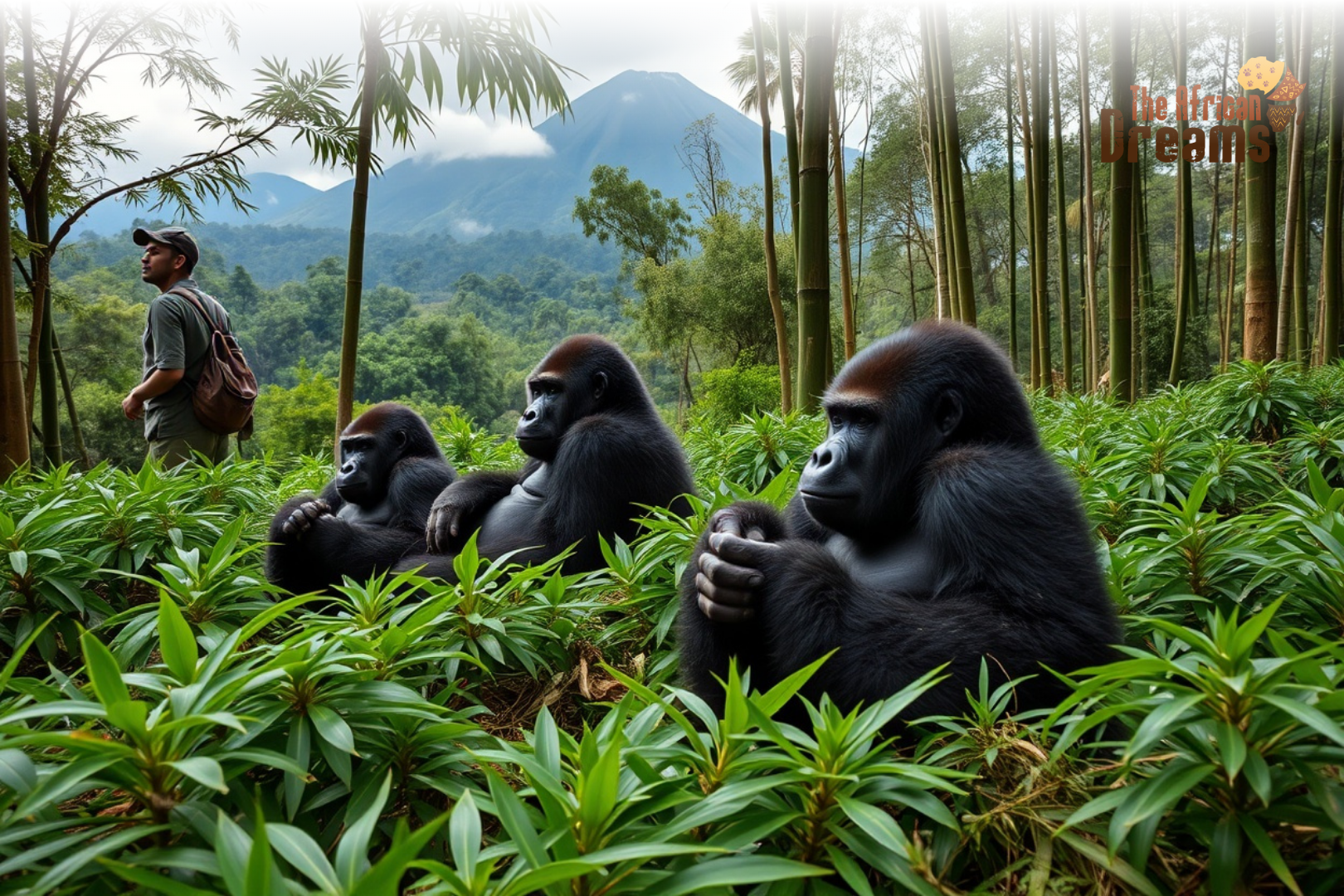
Introduction: Rwanda's Volcanoes National Park
Are you looking for a travel experience that combines adventure, beauty, and culture? For you, there is a place with stunning landscapes, unique wildlife, and welcoming people: Rwanda. The country is as modern as you can get, from the streets of Kigali to the serene shores of Lake Kivu. You can explore markets, try local dishes, or visit museums that tell the story of the nation’s progress.
Rwanda’s Volcanoes National Park is a must-see for nature lovers. A place of the world’s rare mountain gorillas and trails through thick bamboo forests. Rwanda has something for you if you’re a wildlife enthusiast or just love breathtaking views. Rwanda’s locales are sure to welcome you, and its landscapes are breathtaking.
This beautiful country awaits with open arms, with many possibilities. In this article, we will tell you why you should visit Rwanda’s Volcanoes National Park, including how to properly enjoy gorilla trekking here.
Rwanda's Volcanoes National Park and its Legacy
The endangered mountain gorilla is found in the sanctuary of Rwanda’s Volcanoes National Park. The park is located in northwestern Rwanda. It is Africa’s first national park, founded in 1925.
The park spans approximately 160 square kilometers. There are five of the eight volcanoes in the Virunga Massif: Bisoke, Karisimbi, Muhabura, Gahinga, and Sabyinyo.
The landscape is so diverse that it serves as a large habitat for different wildlife species, such as golden monkeys, buffaloes, and 178 bird species.
In the 1960s, primatologist Dian Fossey started pioneering research here. She raised the profile of mountain gorillas in that precarious struggle for survival. These efforts laid the groundwork for continuing conservation projects.
Today, the park is a model of successful conservation and eco-tourism. Strict regulations limit daily visitor numbers to cut human impact on wildlife. Revenue from gorilla trekking permits supports conservation projects and benefits local communities.
Rwanda’s Volcanoes National Park is an example of how conservation can protect species with tourism and community.
Understanding Gorilla Etiquette
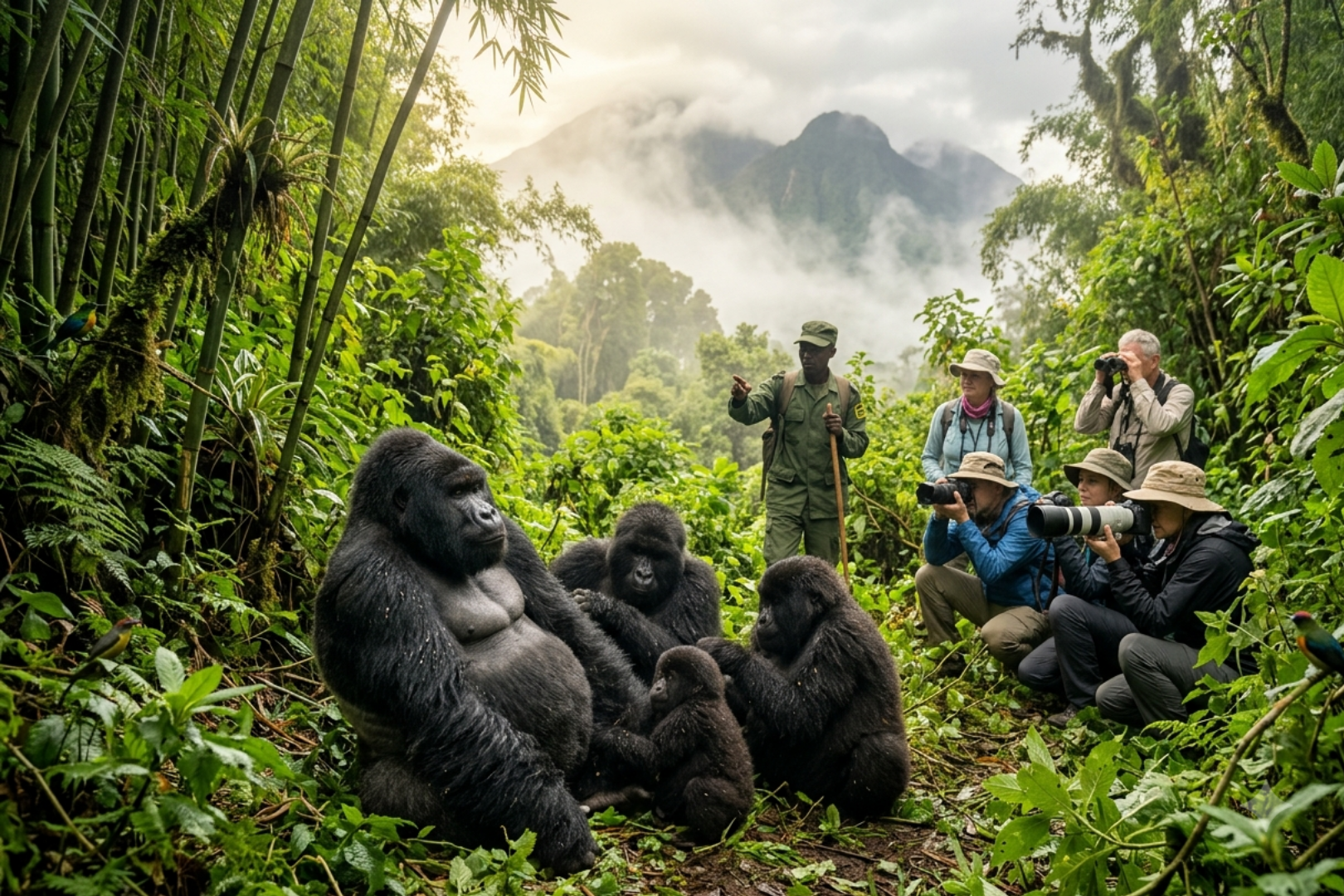
Gorilla trekking in Rwanda’s Volcanoes National Park comes with a set of rules to protect both visitors and the gorillas:
1. Keep Your Distance: To stop the spread of disease. Gorillas are susceptible to human illnesses, and visitors must keep a distance of at least seven meters.
2. Stay Quiet and Composed: Trekkers are asked to keep their voices low. Flash photography is prohibited. The gorillas are calm if you can avoid sudden movements.
3. Health Protocols: The advice is for anyone who feels unwell to stay back. Even a common cold can have serious consequences for gorilla populations.
Why Gorilla Trekking in Rwanda's Volcanoes National Park is unique
1. Intimate Encounters: Get close-up with habituated mountain gorillas in their everyday lives.
2. Limited Permits: The park limits tourists to only 96 permits issued daily. It allows the trekking to be as serene as possible.
3. Rich Biodiversity: The park is also home to species other than gorillas. Golden monkeys, over 178 bird species, and diverse flora make trekking a whole adventure.
4. Conservation Success: Trekking permits provide for conservation efforts and help local communities make a living to protect endangered species.
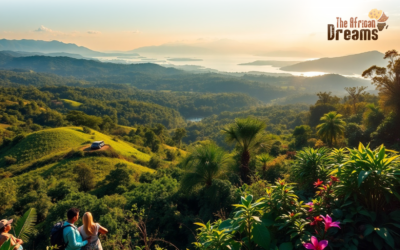
5. Scenic Landscapes: Visit lush rainforests and bamboo groves against the Virunga volcanoes, with spectacular views.
What You Need To Know
1. Securing a Permit: Buy a gorilla trekking permit from the Rwanda Development Board or through an authorized tour operator. Permits are $1,500 per person, and there are only 96 per day available, so book early.
2. Optimal Timing: Rwanda’s dry seasons, from mid-December to early February and from June to September, are the best times to trek.
3. Physical Preparation: Gorilla treks can last from 1 to 4 hours, and they are challenging. Do regular cardio and strength exercises that increase endurance and stability.
4. Health Precautions: Make sure vaccinations are up to date. Talk with your healthcare provider about malaria prophylaxis. Carry a personal first-aid kit and any necessary medications.
5. Travel Documentation: Verify that your passport is valid for at least six months beyond your intended stay. Apply for a visa through the Rwanda eVisa portal or upon arrival, depending on your nationality.
6. Local Currency: The currency is the Rwandan Franc (RWF). Credit cards are accepted in most large stores, but it’s best to have cash on hand.
7. Cultural Sensitivity: Study some basic Kinyarwanda phrases and get to know some local customs. That can go a long way toward showing respect and making the most of your visit.
8. Environmental Responsibility: In leaving no trace, minimize waste and single-use plastic. Help support eco-friendly accommodations and tour operators who practice sustainable practices.
Trekking Adventure Tips
For those planning a gorilla trek in Rwanda’s Volcanoes National Park, here are a few additional tips:
1. Travel Lightly and Respectfully: Don’t leave waste behind and stay on designated trails.
2. Capture Memories carefully: Remember to take photos without disrupting the wildlife. As the experience is more important than the pictures.
3. Stay Updated on Regulations: Make sure there are no changes to trekking rules or conservation needs.
Investment Opportunities of Rwanda's Volcanoes National Park
1. Eco-Lodges and Accommodation: The growing number of tourists visiting the country is driving the development of eco-friendly lodges. With 8.1% of GDP, the sector has so much to offer and is expected to grow by 4.9% annually, which makes it a very lucrative market for such investments.
2. Tour Operations and Guiding Services: Establishing tour companies that lead treks around the country. The demand for pre-planned tours is increasing. Rwanda’s nature-based tourism has quadrupled in the last 20 years, generating around 80% of its tourist revenue.
3. Community-Based Tourism Initiatives: Being in projects that include the local community. For example, cultural centers or handicraft markets. This increases the tourists’ experience and works as support for local market economies. For every $1 million invested in nature-based tourism, an estimated 1,328 new jobs are created, benefiting local communities.
4. Conservation and Research Facilities: Funding conservation centers or research stations contributes to the preservation of mountain gorillas and attracts tourists interested in conservation efforts. Rwanda’s commitment to conservation has led to a 23% increase in gorilla habitat, reflecting the nation’s dedication to wildlife protection.
5. Transportation Services: Providing reliable transport options. Such as shuttle services from Kigali to the park. This will enhance accessibility for tourists. Improved infrastructure supports the growing tourism industry and facilitates visitor movement.
Final Words: Visiting Rwanda's Volcanoes National Park & Gorilla Trekking
Rwanda’s gorilla trekking industry has come a long way. Conservation, community development, and tourism are the focus of the organization. This has developed into a model for wildlife protection. Thanks to careful management, the mountain gorilla population has increased. Also, Rwanda’s Volcanoes National Park’s habitat has expanded by 23%. Given the achievements, Rwanda has shown a commitment to conserving its special natural resources.
The industry’s growth has also brought economic benefits to local communities. Revenue from gorilla trekking in Rwanda’s Volcanoes National Park supports schools, healthcare, and job creation. As visitor interest rises, Rwanda continues to improve its infrastructure, offering safe and enriching experiences.
Looking forward, Rwanda aims to strengthen conservation efforts and enhance visitor experiences. Sustainable practices and community engagement remain central to its vision. By balancing tourism with conservation, Rwanda’s gorilla trekking industry is on a promising path. The country is offering experiences and a bright future for wildlife and communities.
FAQ
1. What is the age limit for gorilla trekking?
15 years of age. A child who is at least 15 years of age has the maturity and capacity to listen and is less prone to infectious diseases. In order to avoid all these circumstances, children under 15 years old are not allowed to trek to the Mountain Gorillas.
2. How to book gorilla trekking?
UWA permits can be purchased directly; however, the most convenient method is to work with a reputable tour company. In most cases, the price of a Uganda gorilla safari includes the purchase of a permit to see the endangered mountain gorillas. To guarantee availability, book at least six months in advance.
3. Is gorilla trekking safe?
Yes – gorilla trekking is safe both for you and this most majestic animal, provided that certain considerations are made.
0 Comments