
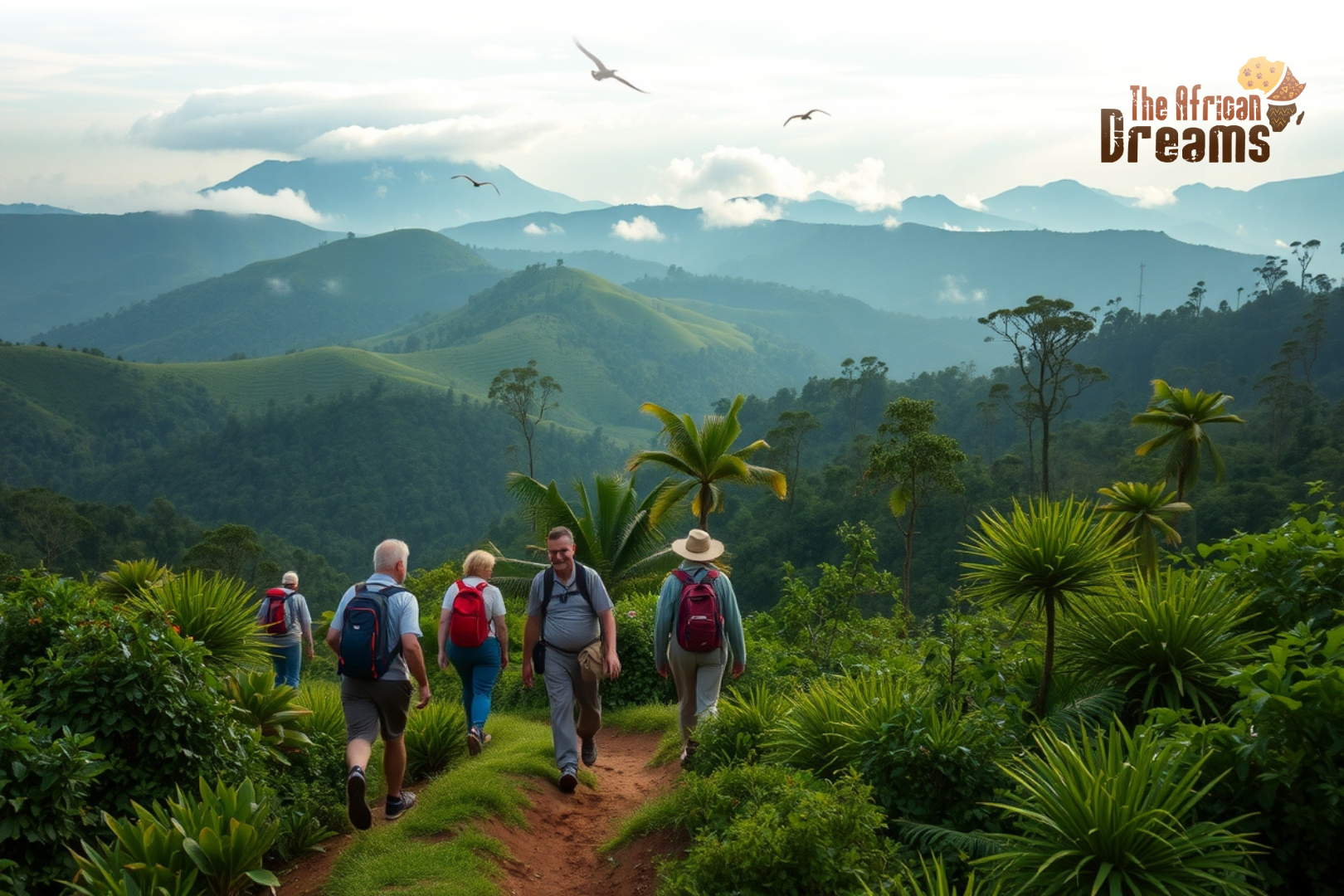
Imagine waking up from a nap in Kigali, Rwanda, the capital, with green hills stretching out for miles. It’s fresh air, positive energy, and the warmth of welcome will calm your mind. You can see the city’s inviting, smiling faces as you step outside. The country is ready to offer the incredible wildlife and the rhythmic life of its cities.
Rwanda is a place of misty mountains and torn savannas. A country that’s modern, yet traditional. It’s a chance for a first-time visitor to see breathtaking landscapes. And feel the pulse of a nation with a history, culture, and resilience.
Using this guide, you will find yourself navigating Rwanda’s treasures. With practical tips and insights, you will make the most of every moment of your journey.
Rwanda’s Geography and Climate
Rwanda’s geography is as diverse but stunning. Rwanda lies just south of the Equator. The temperatures are cooler, which makes for a special environment for wildlife.
Best Time to Visit: The gorilla trekking season falls in two main dry seasons. June to September and December to February are also the best times to carry out wildlife activities in Rwanda. The lush greenery is prevalent during the rainy seasons (March to May and October to December), and birdwatching is excellent. But mud on the trails can make some parks and rural areas inaccessible during travel.
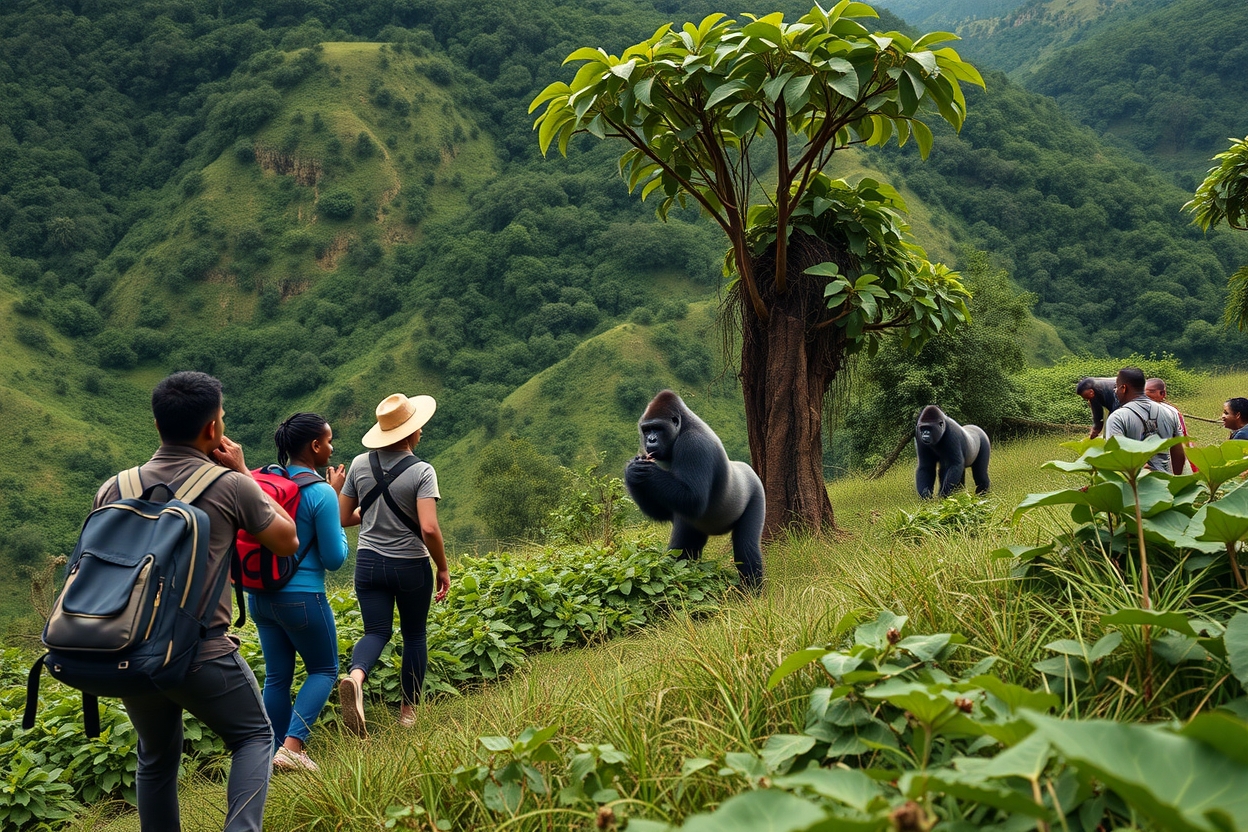
Figure: A guided group treks through Rwanda’s lush hills for an unforgettable encounter with endangered mountain gorillas.
Preparing for Entry
For most travelers, it is easy to fulfill visa requirements. For most nationalities, Rwanda gives a 30-day visa on arrival for around $30. It’s advisable to ensure that your passport is valid for at least six months from the date of entry.
For travelers who plan to visit many East African countries, the East Africa Tourist Visa offers extended access to Rwanda, Uganda, and Kenya, multi-country travel. Double-check on official government websites for the latest visa policy. Things can turn on a dime, so always be careful.
Health and Safety Precautions
Rwanda is a relatively healthy travel destination. But like any place, it does need a bit of preparation to make sure you are safe. A Yellow Fever vaccination is not necessary but is recommended unless arriving from an endemic country. They suggest you are also vaccinated for Hepatitis A and B, Typhoid, and Rabies. Rwanda is endemic to malaria. So travelers should discuss malaria prophylaxis with their healthcare providers.
Other health tips are drinking bottled or filtered water. Also, bring insect repellent and a small medical kit just in case. Reliable healthcare facilities are available in Kigali, the capital. But travelers traveling into the rural areas should be more careful.
Managing Money: ATMs, Currency, Cash Essentials
Rwanda Franc (RWF) is the official currency in Rwanda. In larger establishments in Kigali, credit cards are accepted. But credit cards are useless in rural areas, where cash is the main currency. ATMs are available in major cities, and international debit cards are often accepted. But it’s advisable to carry enough cash when exploring remote regions.
Tipping is customary but not obligatory. A small tip is generally appreciated, particularly in tourist areas or when receiving exceptional service.
Language and Communication
Rwanda has Kinyarwanda as its main language. Yet French and English are both official languages. English is much more common in cities. Most Rwandans are welcoming and accommodating. Learning a few phrases in Kinyarwanda, such as “Murakoze” (thank you), will go a long way to making interactions smoother and more respectful of the local culture.
In cities, many tour guides and young locals outside of cities speak English quite fluently. But basic French (or Kinyarwanda?) phrases might make rural interactions smoother.
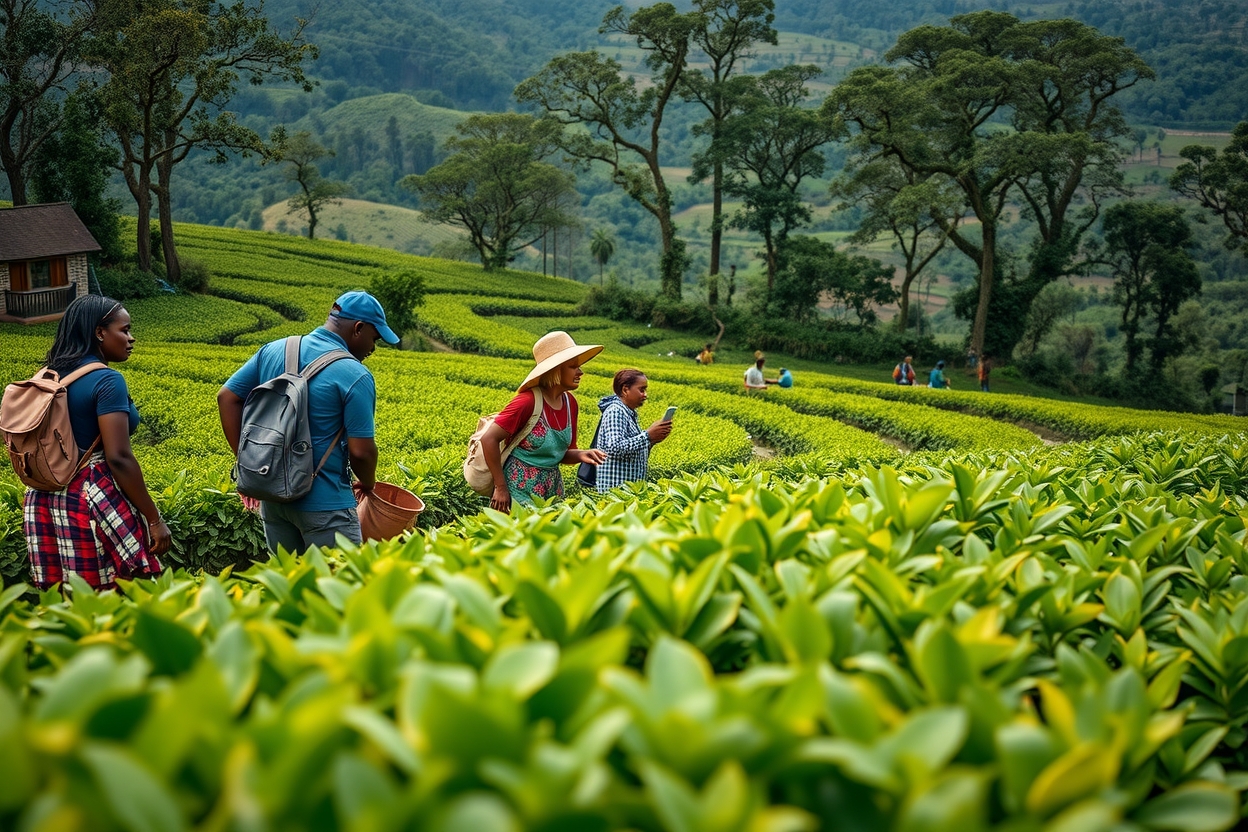
Figure: The-image-showcases-visitors-engaging-with-local-tea-pickers-in-Rwandas-scenic-tea-fields
Transportation Tips
Rwanda has a well-maintained network of roads (meaning self-driving is easy for adventurous travelers). If you don’t want to get lost in the navigation, hiring a car with a driver or guided tours is recommended. Buses are available, but schedules are irregular in less accessible parts of town.
The main entry point is Kigali International Airport, and there are flights to big, popular destinations like Volcanoes National Park. Moto taxis are a common way to travel around Kigali, but it’s safer to use regular taxis.
Must-Visit Attractions
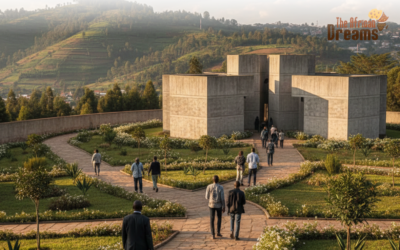
- Kigali Genocide Memorial: It is a somber, but essential look at Rwanda’s history, and this site is a good place to start. It combines a memorial to the 1994 genocide and a marker of Rwanda’s path to peace and reconciliation.
- Volcanoes National Park: This park is famed for its gorilla trekking, popular because it is home to the endangered mountain gorillas. There are permits, which are limited and costly, but that’s an unforgettable encounter.
- Nyungwe Forest National Park: Nyungwe is known for its diverse population, and is the only place in East Africa where you can walk in the shade.
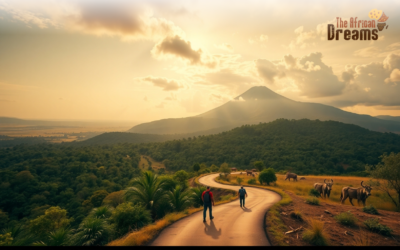
- Akagera National Park: A haven for safari enthusiasts. Akagera offers the chance to see the Big Five and is Rwanda’s answer to the savannas of East Africa.
Each of these destinations reflects Rwanda’s dedication to conservation and offers unique insights into its biodiversity
Tips for a Secure Visit
It is widely known that Rwanda is one of the safest countries in Africa. Yet, travelers should still practice standard safety measures. Don’t walk alone at night, stay up to date on local news, and keep valuables safe. Getting a guide for navigating around and learning what is going on locally, in rural areas, is preferable.
Cleanliness and security are at the heart of what the government is trying to achieve. Visitors can expect well-maintained public spaces and help from local authorities if that becomes necessary.
Rwandan Cuisine
The staple foods of Rwanda are beans, potatoes, rice, and plantains. Locally, there are the maize-based ‘ugali’ and ‘brochettes’ – skewered grilled meat. Freshly brewed Rwandan coffee is world-renowned.
Trying local food while traveling enriches the experience. It helps local businesses and leaves a lot of memories.
Conclusion
Leaving Rwanda is hard after an incredible journey in this country. From a past marked by deep challenges, Rwanda has emerged as a leader in innovation, conservation, and sustainable tourism. The efforts to protect endangered species, including the iconic mountain gorillas. Rwanda is committed to its heritage and the future of its natural wonders.
Rwanda’s clean streets, plastic bag bans, and eco-friendly policies are all a vision of responsible tourism. This policy looks after the land and its people. Rwanda’s cities are embracing modernization in vibrant cities like Kigali. While rural areas are still keeping the tradition alive and offering visitors a glimpse into the heart of Africa, while supporting positive change.
Rwanda’s future looks promising. The country is investing in conservation and community-centered tourism. This means more opportunities for travelers to explore, connect, and learn in the Land of a Thousand Hills.
FAQ
1. What should I know before traveling to Rwanda?
Here is a list of things that could get you in trouble if you’re not careful while on your travels.
-
Don’t Bring Plastic Bags.
-
Don’t Expect Everyone To Speak English.
-
Don’t Make Any Disrespectful Talk About The Genocide.
-
Don’t Wear Your Safari Clothes As Daily Attire.
-
Don’t Take Pictures Of People Without Their Consent.
2. What is the best way to travel around Rwanda?
Rwanda has a well-surfaced road network linking the major towns, and the most convenient way to travel the country is by car.
3. Is it safe to walk around Kigali, Rwanda?
Truly, Kigali is one of those few cities in Africa where an individual can stroll in the night and not have to worry too much about their safety, unlike most capitals with the loudest sounds of crimes going on at night.

0 Comments