
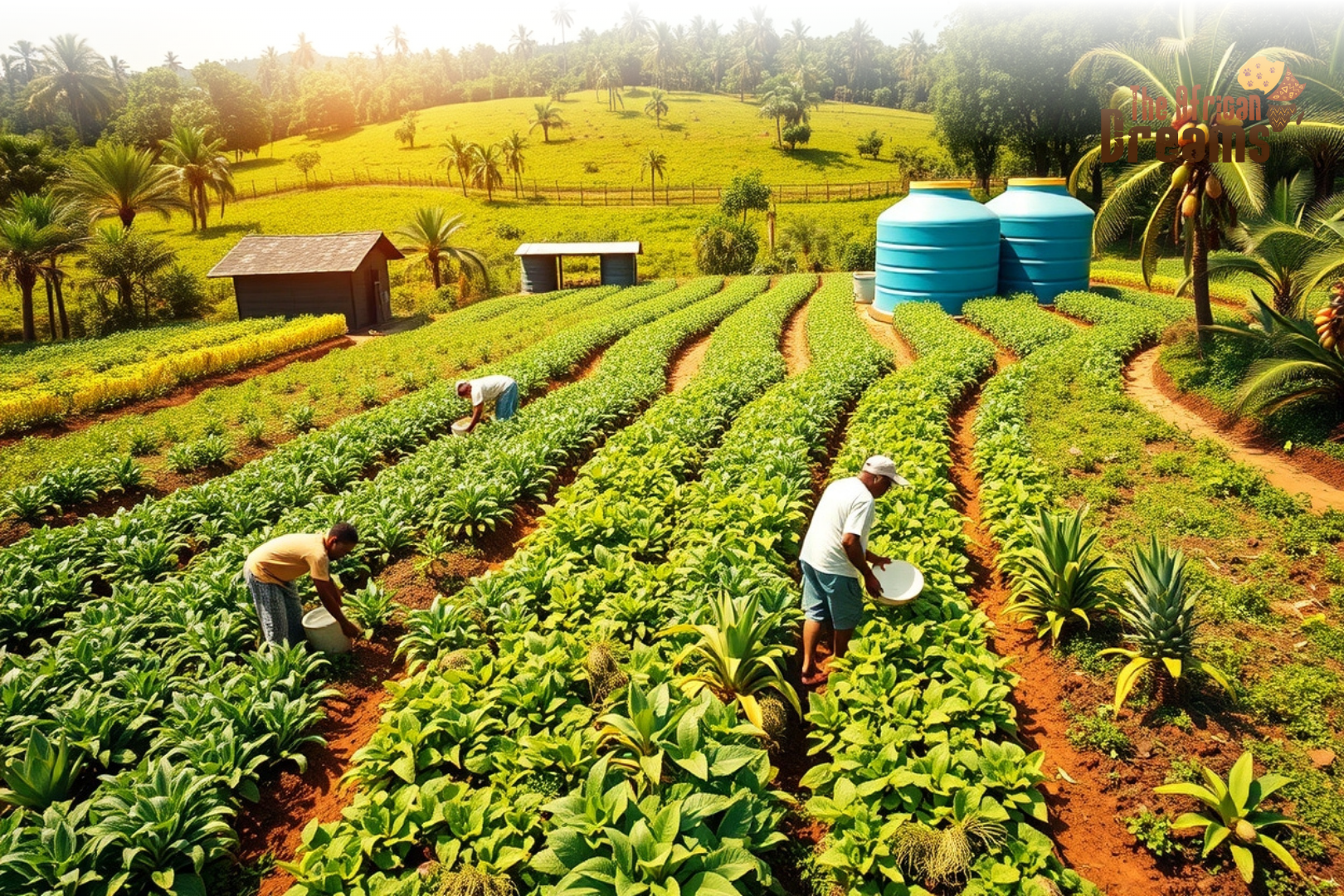
Did you know that in 2022, the global farming process achieved significant sustainability by designating 20 million hectares for organic farming?
Organic farming, which focuses on sustainability, environmental protection, and increasing farmers’ income streams, is gaining popularity globally. Additionally, organic farming practices have impacted most sub-sectors of Ghanaian agriculture, leading to successful farming. For those who have not adopted these practices, there remains the potential to earn substantial profits. This blog will discuss what organic farming is and why Ghana is practicing it for its future benefits in agriculture, as well as creating inspiring stories for farmers.
What is "organic farming"?
Agriculture is a key driver of the economy; for many countries, it is the primary source of GDP. However, it has been observed that there is an ongoing decline in the GDP due to agricultural disasters. Sometimes it happens due to natural calamities and other factors. Farmers are concerned about climate change because it causes many natural hazards, including extreme weather, temperature changes, droughts, and other environmental impacts. Using organic farming techniques can help mitigate many of these effects.
“Organic farming” emphasizes using only natural resources in food production and livestock or poultry farming. Some of the core practices of this approach include promoting soil health through composting, crop rotation, and cover cropping; controlling pests and weeds through biological and mechanical methods such as weeding, planting, or companion cropping; and managing nutrients through the use of green manures, animal manures, and natural fertilizers. It also includes water management methods that can help to conserve this element by incorporating more efficient irrigation systems and rainwater harvesting.
Feeding the animals with organic food also enhances the health of organic farming. Organic farming also involves adhering to licensing regulations, including regular inspections. Before laying the crops, the farmers must plan the farm’s structure and treat the soil with organic material. In these cases, they must use proper seeds and breeds, use organic farming methods, monitor the situation, and make necessary corrections or improvements.
Why should farmers practice organic farming methods?
Farmers benefit from enhanced income opportunities, as these organic products command higher prices.
- This organic farming process relies on all kinds of natural manure, whether animal or green, so farmers can save money by avoiding synthetic fertilizers and pesticides. Farmers save money and reduce their health risks by avoiding synthetic fertilizers and pesticides.
- Harmful chemicals increase health risks; therefore, the chemical-free organic farming process ensures the best health outcomes for both farmers and customers who consume the food.
- This organic farming method contributes to the production of organic foods and has a significant impact on the environment, economy, and society, all of which are beneficial.
- The most beneficial impact on the environment is increased resilience to climate change. Organic farming helps mitigate climate change by increasing carbon storage in the soil. It also enhances soil structure and fertility, leading to improved crop yields.
- Efficient water management is also beneficial in organic farming processes, and biodiversity helps with pest control, thereby improving ecosystem stability.
Ghana’s Organic Farming: Ghana has already implemented organic farming methods in many specific industries. Ghana has grown many organic vegetables, including cabbage, lettuce, beetroot, pepper, carrot, and cucumber. Organic methods are also used to cultivate many crops, including moringa, a nutritionally rich crop with significant market demand.
Organic cocoa production is currently one of the most popular methods, and numerous companies help farmers by promoting the value and purity of organic products. Ghana’s organic farming of mangoes and pineapples has gained international recognition. The demand for these organic products is increasing daily in local and export markets. People are adopting poultry and livestock to raise animals humanely using organic feed in the livestock industry.
Success stories of organic farming in Ghana
Karnaiya, a poor woman, is deeply grateful to Three Mountains Cocoa Farm for the improvements it has made to her life. Three Mountain Cocoa encourages cocoa-growing farmers to adopt organic farming practices. By reducing chemical exposure, almost all farmers who switched to organic farming claimed a considerable improvement in health.
Karnaiya, unfamiliar with organic agriculture, owned a small cocoa farm. Her use of chemicals and harmful substances not only hindered her ability to produce high-quality cocoa but also put her life at risk. Fortunately, she learned about organic farming from Three Mountains Cocoa. Another critical aspect of change was biodiversity renewal, driven by increased numbers of birds and insects. This has added fertility to the land structure, improving its ability to hold water and supply nutrients, resulting in healthier cocoa trees and higher yields.
Another successful story is about Mohammed Ibrahim, an Accra-based vegetable farmer and a member of the Korle-Bu Vegetable Growers and Marketing Society. He produces and sells cabbage, lettuce, beetroot, pepper, carrots, and cucumbers to the Agbogbloshie Market. Mohammed received training from workshops organized by the Food and Agriculture Organization (FAO) on how to scale up production and apply organic fertilizers. It has helped him and other smallholder farmers access organic inputs at a lower cost, resulting in cheaper farm production and improved food security.
Challenges faced in organic farming
Some problems limiting organic farming adoption in Ghana include
- High input prices
- Limited market access and a need for increased government support are key challenges.
- Farmers experience a great deal of anxiety due to their lack of awareness and training in organic farming techniques.
- The certification of organic produce is further complicated by the hauntingly lengthy procedures and resulting high costs, as well as the challenges of accessing necessary resources such as water, safe storage, and transportation.
Initiatives such as EOAP-G and training, on the other hand, contributed to raising awareness and efforts to improve organic farming practices in the country.
Why and where more organic farming activities should be taken
Many sectors in Ghana should practice organic farming methods. Organic rice and cereal farming can help reduce reliance on chemical fertilizers and pesticides for healthy soil and water systems. Another potential application of this approach is catering to a niche organic grain market. Ghana has varying climatic conditions that are suitable for cultivating various organic herbs and spices. The store also produces other high-value medicinal products, such as ginger and turmeric, which are in high demand in the organic market.
Organic coffee and tea farming practices, flavors, and origins can attract premium prices, particularly for those with health awareness. Organic aquaculture would ensure sustainable fish farming with less pressure on the natural water bodies and offer healthier fish to consumers.
Conclusion
Establishing more private-based organizations that uphold proper techniques and incorporate the latest methodologies and technologies can benefit farmers and prove profitable. The demand for organic farming is highly valued now. Ghana can explore these lucrative export markets to increase agricultural exports and enhance farmers’ earnings. Therefore, such investments in organic farming may positively impact corporate social responsibility enhancement by showing health, environmental sustainability, and welfare concerns.
0 Comments