
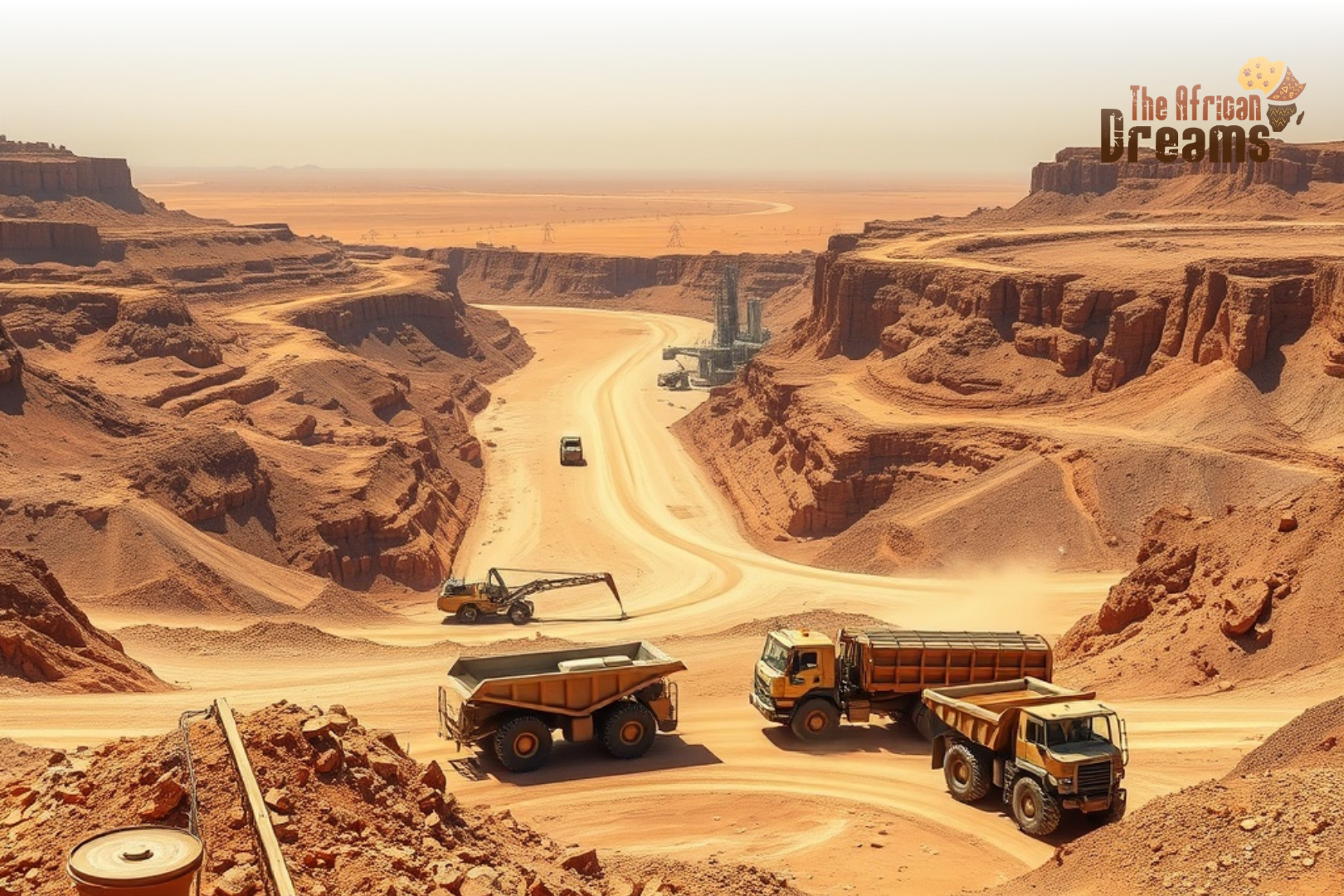
Introduction: Mining Industry of Libya
Libya has various natural resources, but most people only know about its oil industry. The mining industry of Libya also has huge potential. The country has iron ore reserves, gypsum, potash, and phosphate rock. But these minerals are not fully used yet. Some investors are now looking at investing in the mining industry of Libya, as the country wants to grow beyond just oil and gas. If the right steps are taken, Libyan mining opportunities could bring big changes to the economy.
One of the most important mineral resources in Libya is iron ore. It is found in Wadi ash-Shati’. Libya also has limestone, salt, and sulfur. These are very important for many industries. But the mining industry of Libya has not grown much. There are many reasons for this, including political problems, poor infrastructure, and not enough exploration. Despite these issues, demand for raw materials is growing worldwide. Some foreign investors see a chance for change in Libya’s mining industry.
This article will explain the current state of mining industry of Libya and its investment opportunities. It will also look at the challenges faced by the sector. We will also highlight success stories of mining businesses that have done well. Understanding these points will help investors decide if Libya’s mining industry has a good future and if it is worth investing in.
Current State of the Mining Industry of Libya
Overview of Major Mining Activities
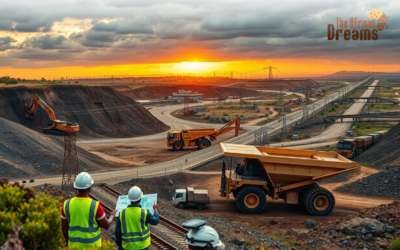
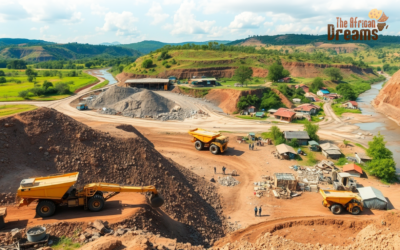
Libya has a large amount of minerals, but mining is still a very small industry. The country has iron ore, gypsum, limestone, and salt. But most of these natural resources are not fully used. Iron ore mining is the most important part of the industry. The Wadi ash-Shati’ region has some of the largest iron ore reserves in North Africa. Even though these reserves were discovered many years ago, there has been very little mining.
Apart from iron ore, Libya also produces gypsum, which is used to make cement. The country produces around 150,000 tons of gypsum per year. This is mostly used inside Libya. Other minerals like phosphate rock and potash have also been found. But mining operations for these minerals are very small or do not exist yet.
Most of Libya’s mining work happens on a very small scale. The country does not have large mining companies like in other African nations. The mining industry of Libya is mostly controlled by government agencies. There are some private businesses involved, but they do not have the technology or money to start big projects. Because of this, the mining industry has not grown much.
The mining industry of Libya could become much bigger, but it needs more investment and better technology. Right now, the country is still focused on oil and gas. But with the right planning and funding, Libya’s mining sector could become an important part of the economy.
Government Involvement in the Mining Industry of Libya
The mining industry of Libya is mostly controlled by the Libyan government. Unlike other countries where private companies lead the industry, Libya’s mining sector is still under the government’s control. The government owns most mineral resources and decides how they can be used. But there are not many laws or policies to help the industry grow.
In the past, Libya always focused on its oil and gas industry. The government has never seriously considered mining on a large scale. Some of the government agencies have tried to develop the sector, but progress has been very slow. There have been very few foreign investments because of the political problems Libya faces. Many businesses do not feel safe investing in the industry.
The Libyan government has decided to make new laws and policies to attract investors. The application of these laws has been a little slow, but they will be fully applied very soon.
For now, mining remains small, and most mineral resources are still unused. But if the government supports the mining industry of Libya, the sector could have a strong future.
Existing Infrastructure and Production Levels
The mining industry of Libya is still growing, but the country already has some important infrastructure that can help it expand. Iron ore mining areas like Wadi ash-Shati’ are well-known, and there is basic transportation to move minerals. The cement plants of Libya use gypsum. Libya already has some mining projects at smaller scales. With proper investments, these projects can grow into larger operations.
Right now, mining production is limited, but this is expected to change soon. The government is working on clearer rules to help foreign investors feel safe and confident about starting projects. With these changes, the investment environment will be stronger than ever. More businesses will be able to bring in modern technology and start mining on a larger scale.
Infrastructure for transportation and exports is also improving. Libya has ports and highways that can be used to move raw materials. With better policies and funding, these systems will become more efficient, helping mining companies export minerals even more easily.
Libya always focuses on economic growth. The mining industry of Libya has a bright future and a huge potential to boost the economy. With strong mineral reserves, upcoming policies, and growing interest from investors, mining could soon become a major part of the country’s economy.
Right now, mining production is limited, but this is expected to change soon. The government is working on clearer rules to help foreign investors feel safe and confident about starting projects. With these changes, the investment environment will be stronger than ever. More businesses will be able to bring in modern technology and start mining on a larger scale.
Investment Opportunities in the Mining Industry of Libya
Libya has huge mineral reserves, but many of them are not fully used yet. The country is very rich in iron ore, gypsum, limestone, and phosphate rock, but only a small part of these resources has been mined. Wadi Ash-Shati has one of the largest iron ore deposits in North Africa. However, mining activity in this region is still very limited. If the right investments come in, these reserves could help Libya’s economy grow fast.
One reason why these resources have not been fully developed is that past efforts focused only on oil and gas. Now, as Libya looks for new ways to grow its economy, the mining industry of Libya is getting more attention. Many mining areas still need proper exploration, meaning investors can be the first to explore new areas. Exploring new opportunities can secure healthy financial returns.
Some minerals in Libya are already being taken out and used. The country produces about 150,000 tons of gypsum every year. Most of it is used to make cement. Libya also has phosphate rock and potash deposits. These are very important for making fertilizers. As Libya grows its industries, these minerals will become even more useful for both local and foreign markets.
Libya’s location is a big advantage. It is close to Europe, the Middle East, and Africa. This makes it very easy to send minerals to other countries once production grows. With better roads, ports, and mining rules, Libya’s mining industry can become much bigger. It could help the country’s economy grow for many years.
Growth Potential and Market Trends
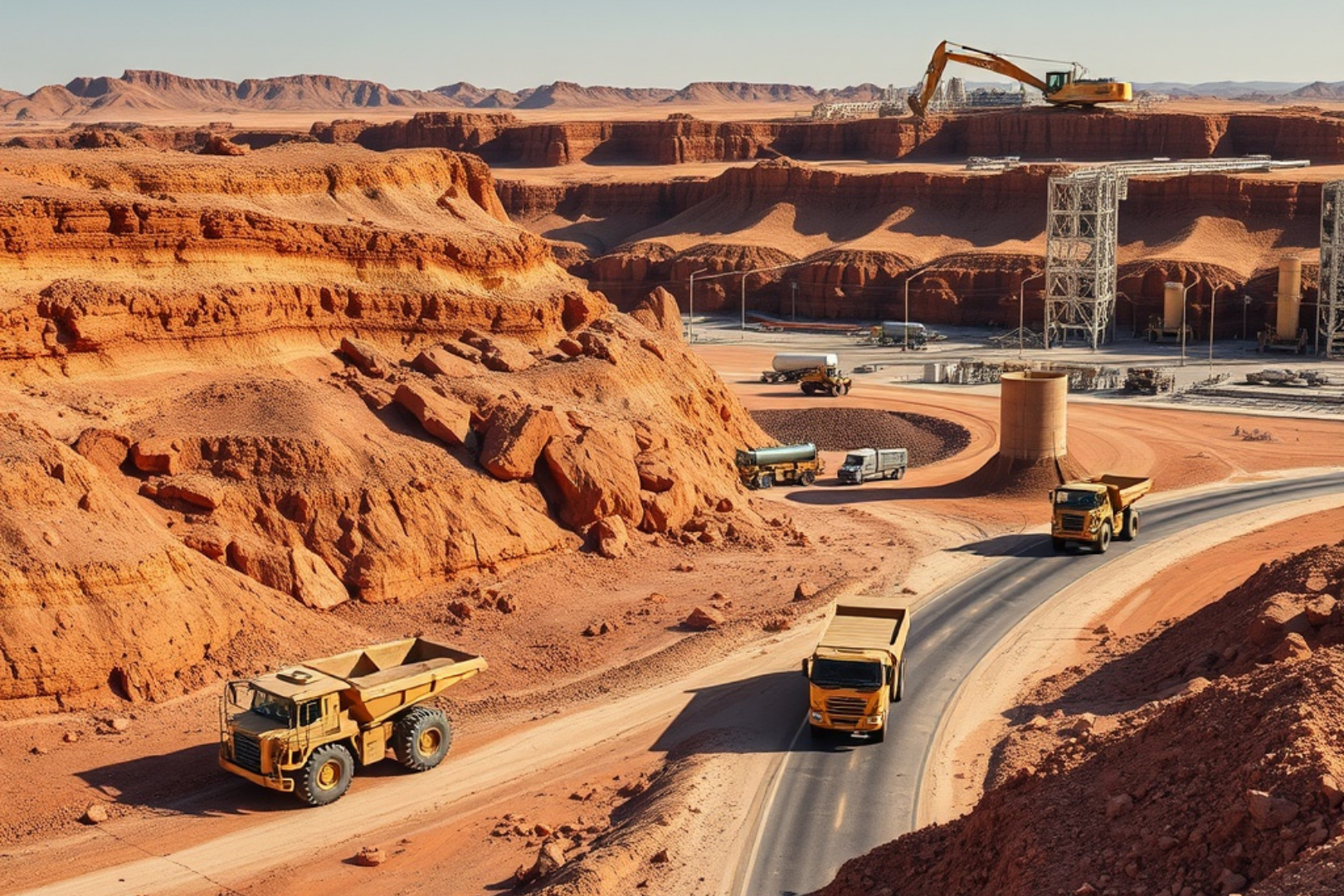
The mining industry of Libya has a very high potential to grow very quickly. The country has large amounts of minerals that have not been fully used yet. As global demand for raw materials is always increasing, Libya can become a very strong supplier. Many industries around the world need iron ore, gypsum, and phosphate, and Libya has these in large quantities.
One major advantage is that more foreign businesses are showing interest in the mining industry of Libya. Countries in Europe and the Middle East are looking for new sources of minerals. If Libya improves its laws and infrastructure, mining investments will rise sharply.
Technology is also changing the global mining industry. New equipment makes mining faster, cheaper, and safer. If Libya brings in modern mining technology, it can increase production and reduce costs.
The government is working on making better rules and policies for the mining industry of Libya. New rules will make it easier for companies to start mining operations. These rules will make it easier for investors to invest in the right operation.
With strong mineral reserves, better policies, and rising global demand, the mining industry of Libya is expected to grow rapidly. The country has a chance to become a major mining hub in North Africa, attracting big investments and creating new jobs.
Success Stories in the Mining Industry of Libya
Even though mining in Libya is still growing, some businesses have done well. These success stories show that good investments can bring big results.
Sirte Oil Company’s Expansion
Sirte Oil Company (SOC) started as an oil and gas business. Later, it expanded into petrochemicals. It built factories near Brega that make methanol, ammonia, and urea. These products are used in different industries. This move helped Libya’s economy grow in new directions. It also proved that companies in Libya can expand beyond oil.
Libyan Investment Authority’s Mining Ventures
Libya’s Investment Authority (LIA) has invested in mining projects in other African countries. It has invested in companies that mine steel, diamonds, and gold. These projects have given Libya valuable experience in mining. If Libya starts similar projects at home, the mining industry can grow fast.
These stories show that Libya has strong potential in mining. With the right investments and modern technology, the mining industry of Libya could become a major industry in the country. More businesses will follow as the industry keeps growing.
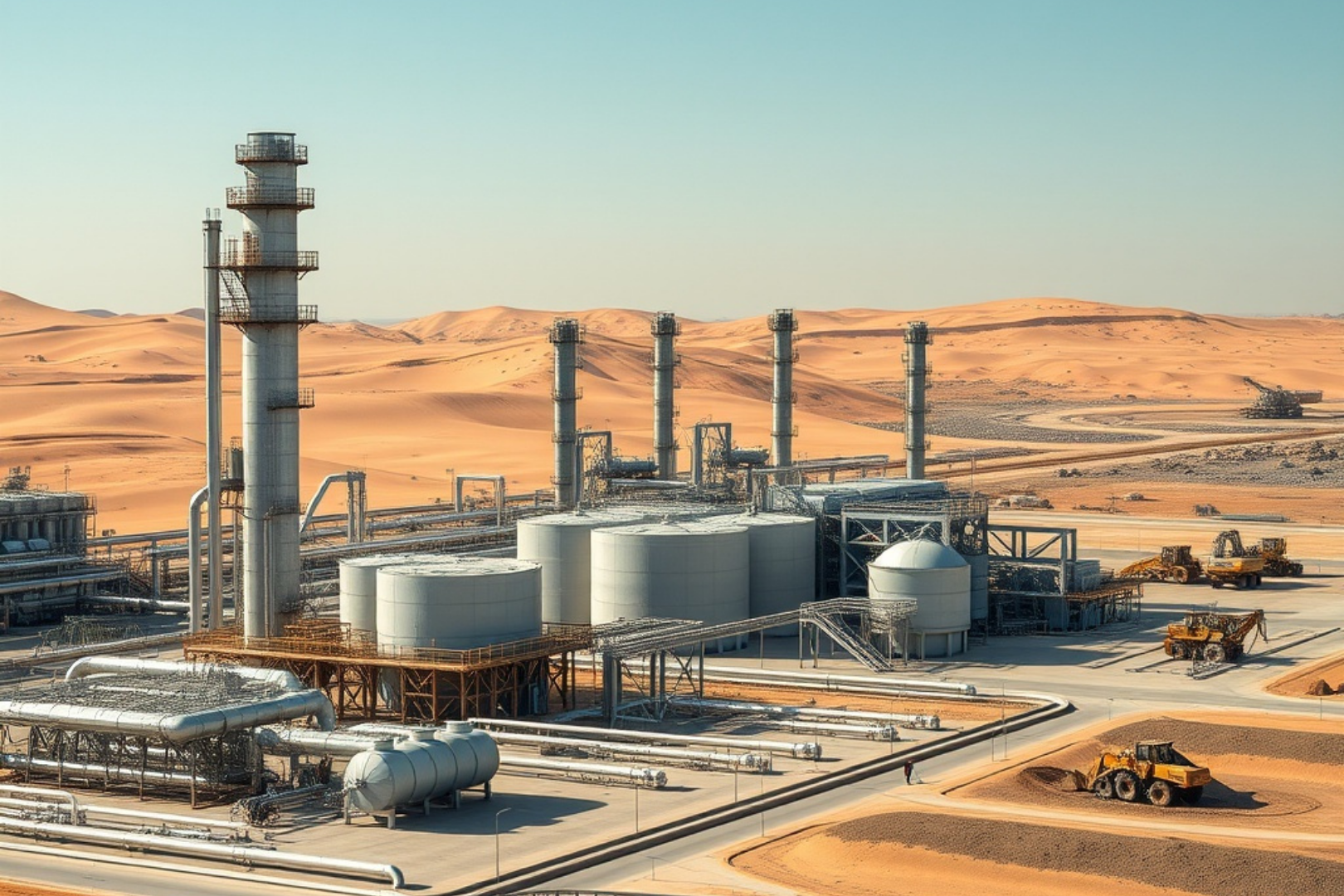
Challenges Facing the Mining Industry of Libya & Solutions
Political and Legal Issues
Libya has big mining potential, but various political conflicts have slowed things down. Libya has had many government changes. This slowed down long-term projects. But things are getting better. New laws will soon make it easier and safer for investors to invest in this sector.
Right now, some mining rules are still unclear, but the government is trying hard to fix them. Once new laws are in place, investors will find it very easy to invest in the mining industry of Libya.
Infrastructure and Transport Issues
Mining requires good roads, ports, and electricity. Some of the areas in Libya don’t have these. Moving minerals takes more time. But new projects will improve roads and ports, making exports very fast.
Power is also a very serious problem in some places. But the Libyan government is planning energy projects to help support the mining industry of Libya. These changes will make mining run very smoothly.
Environmental and Social Concerns
Mining can affect land and water. If done wrong, it can hurt nature. That’s why new safe mining methods are important. These will protect the environment while allowing businesses to grow.
Mining should also help local people. More training programs will teach Libyans mining skills, so they can get jobs and benefit from the mining industry of Libya.
Final Words: Developing the Mining Industry of Libya
Libya has huge mineral resources. These resources can help strengthen the economy of Libya. Libya used to focus only on its oil and gas industry. But this is changing slowly. The mining industry of Libya is slowly becoming a priority. Libya has large iron ore reserves, gypsum, and other valuable minerals. As the government is constantly working on making better rules and policies, investing in the mining sector is getting easier day by day.
Many challenges, such as political conflicts and infrastructure limits, remain, but things are improving fast. Libya’s location gives it an advantage, making it easy to sell minerals to Europe, Africa, and the Middle East. The future of mining industry of Libya looks bright, and investors who join early can benefit the most.
FAQs
1. What minerals are found in Libya?
Libya has iron ore, gypsum, limestone, phosphate rock, and potash. These minerals can be used in industries like construction and manufacturing.
2. Is Libya a good place for mining investment?
Yes. The country has large mineral reserves, and new government policies will soon make investing easier and safer.
3. What challenges does the mining industry of Libya face?
Some problems include political issues, weak infrastructure, and unclear mining rules. But things are improving, and new projects will help the industry grow.
4. Can Libya export minerals easily?
Yes. Libya is close to Europe, Africa, and the Middle East. As roads and ports improve, exporting minerals will become faster and cheaper.
5. What is the future of mining in Libya?
The future looks very bright. With better policies, more investment, and modern technology, mining will become a very important part of Libya’s economy.

0 Comments