
Introduction: Malawi’s Mining Business
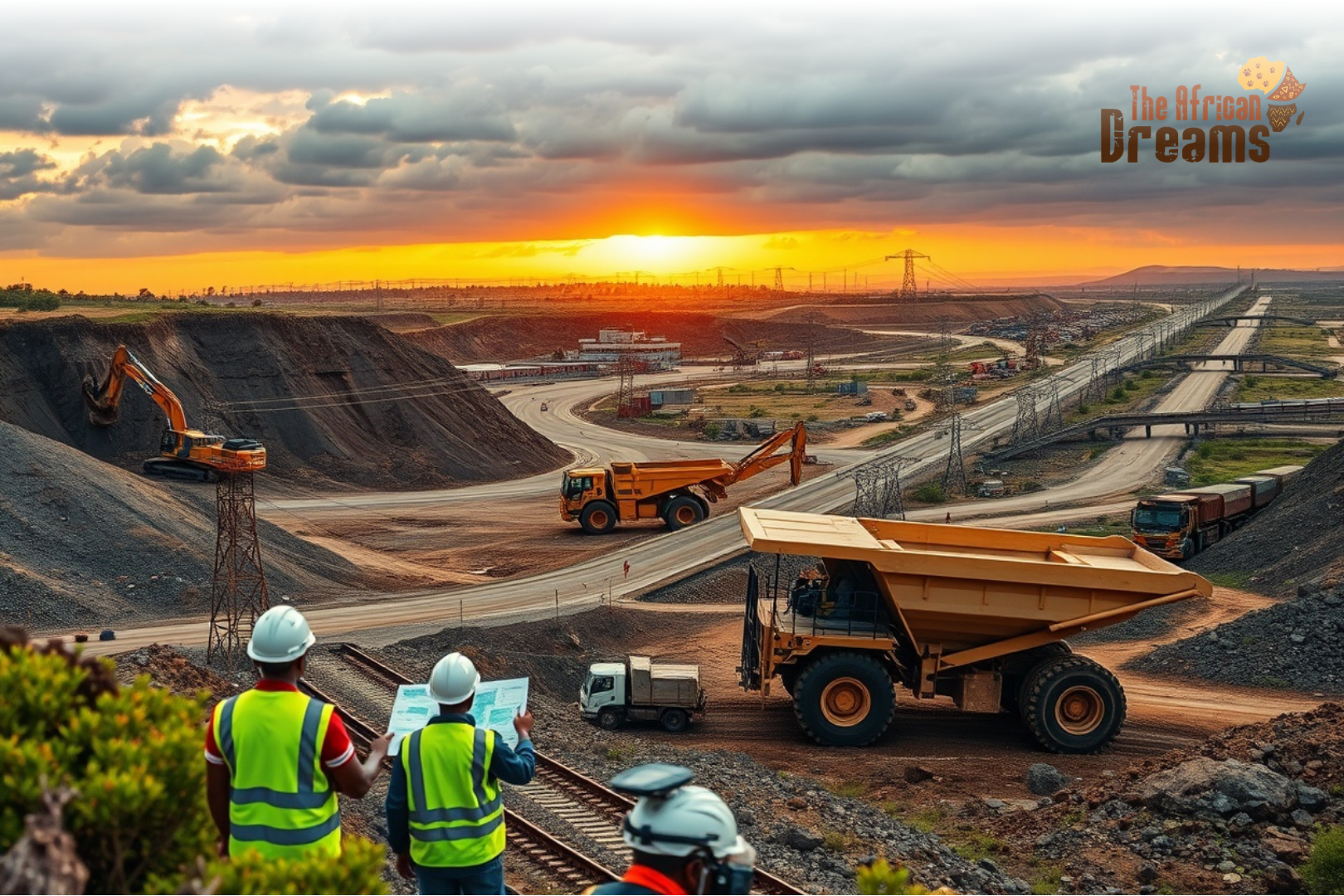
Malawi is a country in southeastern Africa with no coast. The country faces many economic problems. Its economy is struggling because of rising debt, a falling currency, and more people out of work. It is dependent mostly on farming and aid from other countries. These characteristics are what make it weak when weather changes or world markets shift. In this complicated situation, the Malawi government wants to find new, efficient ways to grow the economy and create and develop more jobs. A great option could be mining, as Malawi’s mining business has shown significant potential in recent years.
Malawi has many valuable natural resources that are not yet being used. The country has large amounts of special minerals like rare earths, uranium, coal, bauxite, limestone, and precious stones. These minerals are needed by many countries, especially because of the growth of clean energy tools like electric cars and wind turbines.
Rare earth minerals are very important for modern-day gadgets and clean, sustainable, and efficient energy equipment. If Malawi’s mining business is done well and utilized to its full potential, it could become a main source of money and foreign investment for Malawi. The government has already started to make several plans and implement different ideas to help Malawi’s mining business grow. They are developing new rules and regulations to get more investors.
Malawi is also working efficiently on building better roads and power supply, fixing mining laws, and making things more open and clear. These steps aim to make Malawi a good and attractive place for mining companies to come and work. But there are still some challenges and problems Malawi needs to overcome to address these problems and challenges. Bad roads, insufficient electricity, and a shortage of skilled workers have proven that they can slow mining growth tremendously. Protecting the environment and respecting local people’s rights must be handled carefully to avoid problems later.
However, with good planning, support, and efficient hard work, the country of Malawi has a real chance to turn its mining potential into steady economic growth. In short, growing Malawi’s mining business can reduce poverty, earn foreign currency, and make the country more self-reliant.
As the country tries to fix its economic troubles, mining is a main area for investment and change. The way forward may be hard, but the rewards could be great for the country and its people. This article talks about Malawi’s mining business, the problems it faces, and what needs to be done to improve it.
Article Highlights
Current Status of Malawi’s Mining Business Sector
Challenges of the Mining Sector of Malawi
- Challenge 1: The perception of Malawi as an inexperienced mining jurisdiction
- Challenge 2: Limited institutional capacity to manage the mining sector
- Challenge 3: Inadequate energy and transport infrastructure
- Challenge 4: Unrealistic stakeholder expectations
- Challenge 5: Price volatility in the global metal markets
- Challenge 6: Human capital deficit for an emerging mining sector
Pillars of Malawi’s Mining Sector
- Pillar 1: Enabling the mining sector’s growth
- Pillar 2: Social and environmental protection
- Pillar 3: Benefit realization and management
Current Status of Malawi’s Mining Business Sector
Even after the government continues to make progress, the mining and quarrying sector remains in its early stages, accounting for just 0.7 percent of GDP in 2023.
Lately, there has been some growth and changes in small-scale mining, with its annual contribution to the government revenue rising from 2.6 percent in 2022 to 3.5 percent in 2023. The government is confident that this sector will keep expanding and hit 10 percent of GDP by 2063, reflecting its performance back in 2013, when the Kayelekera large-scale mining project was still operational.
Challenges in Malawi’s Mining Business
The new Mining Sector Diagnostic (World Bank 2025b, forthcoming) shows that Malawi’s industrial mining sector has made limited progress. The main challenges in Malawi’s mining business are:
- Malawi is seen as inexperienced and high-risk,
- There is limited institutional capacity to manage mining.
- Energy and transport infrastructure are weak.
- Some stakeholders expect immediate social and economic benefits, which is unrealistic,
- Commodity markets are volatile, and
- There is a lack of skilled workers for the growing mining sector.
Challenge 1: The Perception of Malawi as an Inexperienced Mining Jurisdiction
Malawi needs more foreign investment in mining to grow the sector. Without it, new deposits won’t be found, and mine development will slow.
Finding more minerals will attract investment and help diversify mineral exports. Governments in Malawi must compete to attract investment, as geological potential alone isn’t enough. Investors also tend to focus on large, hard projects in places with unreliable institutions and murky or unstable regulations.
The lengthy, complex process of obtaining mining licenses and approving MDAs creates uncertainty for investors. Delays can lower investment and reduce profits. Slow MDA signing raises risk concerns. Even worse situations are created by unclear legal and fiscal rules. The government’s unlimited free carried interest adds more uncertainty about its role.
Successful resource-rich countries attract investment by offering clear, consistent, and stable legal frameworks. Their laws perfectly define roles for both government and investors, supported by logical decision-making.
In recent years, the Malawi government has worked to attract investment by supporting data acquisition programs. Malawi now has regional geological data, including airborne geophysical data and detailed 1:100,000-scale geological maps.
The country has also built a GIS-based cadastral system, is moving toward a digital geological data system, and joined the Extractive Industries Transparency Initiative, which are all positive steps forward.
Moving forward, Malawi’s laws, policies, and regulations must balance attracting investment in Malawi’s mining business with ensuring long-term benefits for the country and its people.
Challenge 2: Limited Institutional Capacity to Manage the Mining Sector
The government must strengthen its ability to start, oversee, tax, regulate, and close large-scale mining projects. The Ministry of Mining, Geological Survey Department (GSD), MMRA, and MEPA lack sufficient budgets, equipment, staff, and resources to meet their roles.
Other related departments- the Ministry of Finance and Economic Affairs, the Ministry of Justice, the Malawi Revenue Authority, and local district governments- also have limited capacity to handle MDAs, environmental monitoring, tax collection, revenue management, and mine closure. Experience shows that building this capacity is very hard without active mines.
The Malawi Revenue Authority faces hard times with limited capacity due to low staff training, old systems, and the lack of technology. Shortages of storage spaces, warehouses, depots, weighbridges, and gates slow down the handling and clearance of minerals for export. Unreliable customs procedures and inadequate storage cause delays and bottlenecks at border posts. Fixing these problems is important to improve trade, increase mineral exports, and unlock the full economic benefits of Malawi’s mining sector.
Additionally, the lack of accredited laboratories weakens the government’s ability to properly evaluate the mineral samples. The Malawi Bureau of Standards does not have a national mineral accreditation program. The GSD lab is poorly funded, unaccredited, and equipped.
Accredited laboratories are important for verifying mineral quality and value, boosting trust with foreign buyers, and securing fair market prices. They also help make sure compliance with environmental rules is done, trade agreements are initiated, and safety standards are followed, all of which are key to a reliable and sustainable mining sector.
It’s not always easy for governments to identify the actual value of exported minerals, especially when it comes to intermediate products or concentrates. For example, prices for rare earth concentrates aren’t always stated or clear, and some metals are sold through long-term deals without open market rates.
To fix this, Malawi needs to build up the skills and systems in GSD and MMRA. They should be able to track market prices, check how much is really being mined, and make sure the right taxes and royalties are paid. Addressing these challenges will help grow Malawi’s mining business.
Challenge 3: Inadequate Energy and Transport Infrastructure
Malawi is a landlocked country. Hence, it depends on crucial ports like Beira, Nacala, and Dar es Salaam for any process of trade. But these ports often face challenges like delays, congestion, and high transport costs. These slow down exports and make shipping more costly. The lengthy distance between various mining sites and these ports is added as an extra challenge to the existing problem.
Limited storage and logistics facilities at the ports also make it hard to transport goods properly. Smooth trade is important for Malawi’s mining business. Therefore, better structure developments would help lower costs and support exports.
Most roads in Malawi are not in good shape, especially near mining areas. Big trucks and heavy machines can’t use them easily. This makes transport slower, more expensive, and hard on vehicles. Poor roads also stop people from reaching new mining places. Some companies must fix roads themselves, which adds cost. If roads were better, it would be easier to transport goods, start new mines, and lower transportation problems. Good roads can help the mining sector grow and save money.
Malawi’s railways are mostly old and not well linked to the main mining zones. Even though trains are cheaper for moving heavy stuff, most mines can’t use them. Some railway lines are broken or don’t connect to ports or mining areas. This forces companies to increase the usage of trucks, which cost more. The main railway to other countries isn’t used much either. If Malawi improves its rail lines, it will be easier to move minerals, lower costs, and reduce traffic at the ports.
To grow Malawi’s mining business, the industry will need around 60–100 MW of power in the medium term and up to 160 MW in the long term. Today, power mostly comes from hydropower, which is great but risky during droughts.
To address this problem and bring improvements, the government is working with partners to build the Mpatamanga Hydropower Storage Project. Good planning is needed to connect this with mine development and power lines. Giving mines priority access to electricity could reduce risk and encourage more foreign investment in Malawi’s mining business.
Challenge 4: Unrealistic Stakeholder Expectations
Many people expect the mining sector to quickly enhance and create jobs, build roads, and raise government income. Unfortunately, this isn’t always realistic. Mining is a long, complex process that needs permits, faces technical problems, and depends on global prices. When progress is slow, people may get upset, lose trust, give up, etc., making it harder for the government and companies to work together.
Managing expectations and completing the task with full effort early helps to address confusion, doubt, fear, etc. They also keep the public informed about both the challenges and benefits of Malawi’s mining business.
The case of the Kayelekera mine shows both the promise and problems of mining. The Kayelekera mine was expected to run for 9 years, but closed after just 4 years when uranium prices fell after the Fukushima nuclear plant disaster. It brought in good earnings from exports while active, but the early shutdown led to job losses and unmet hopes in the local community. This scenario is pretty common in Malawi’s mining business, where price drops can shut down operations. It’s important to help people understand these risks to prevent fear, doubt, and confusion.
Challenge 5: Price Volatility in the Global Metal Markets
Managing money from Malawi’s mining business is tough because mineral prices often change quickly. These changes come from things like global demand, geopolitics, new technology, or market cycles. Sudden drops in price can leave the government short on funds, forcing cuts or delays in public services and projects. Price booms may cause overspending or inflation. These ups and downs can also hurt the exchange rate. To plan well, the country needs steady rules to deal with these changes and protect its budget goals.
Some risks are linked to who controls certain minerals. For example, China leads in the processing of rare earths, which limits market options. This makes it harder for countries like Malawi to get funding and keep projects going. It also raises risks for long-term success. Acting early, building good business ties, and promoting Malawi’s minerals as reliable can help reduce these issues and make the country look like a strong and steady supplier.
To handle price fluctuations, smart fiscal tools are needed. Things like stabilization funds help fair income generation during good and bad years. Hedging and contracts can lock in fair prices. The central bank can help by managing currency and adjusting interest rates.
Rules should be clear, understandable, and flexible. This is so they don’t harm the economy when prices shift. Using a good mix of saving, planning, and wise spending can help Malawi’s mining business achieve stable growth.
Challenge 6: Human Capital Deficit for an Emerging Mining Sector
Malawi’s mining industry faces a big shortage of skilled workers because there are few running industrial mines and limited mining courses at universities. This causes a lack of trained experts in geology, engineering, mineral processing, and environmental management. Companies want to hire locals to avoid high costs, but the skills gap makes it hard to find good staff, slowing growth. Over the next decade, training opportunities such as apprenticeships and internships will be important for growing a strong workforce.
High staff turnover fuels the problem even more. Many workers from the Ministry of Mines and universities leave for better-paying private jobs. This damages government capacity and lowers knowledge at schools.
To keep a consistent number of skilled workers, the government, universities, and private companies need to work closely together. Building and keeping a skilled, stable team will be key to the future of Malawi’s mining business.
Pillars of Malawi’s Mining Sector
Pillar 1: Enabling the mining sector’s growth
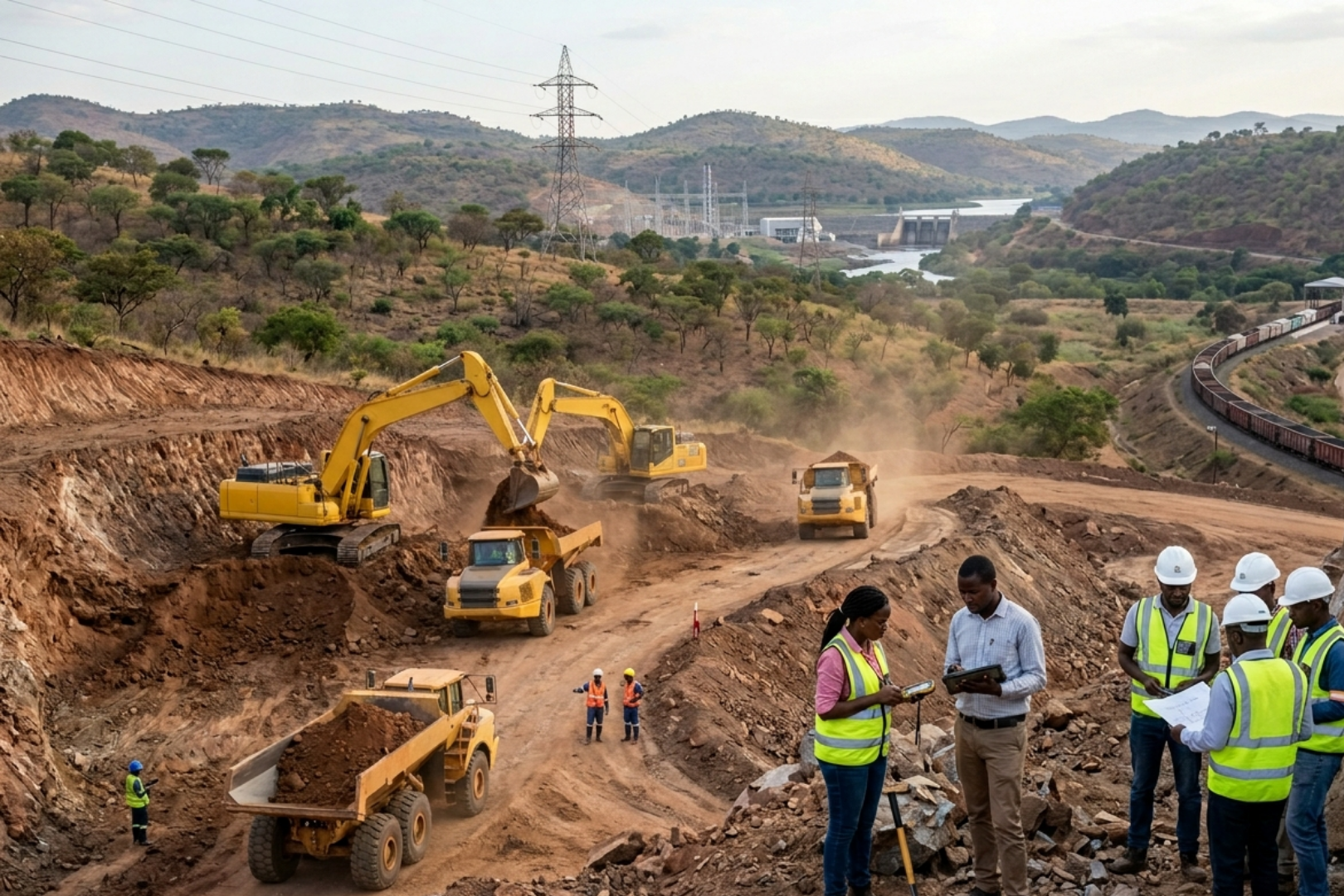
To increase swiftly in the ranks, the government’s primary focus should be on getting projects started by speeding up MDA negotiations and finalizing mining permits. Bringing in independent legal and transaction experts can help make sure deals are fair. From experience, negotiating MDAs is complex and takes time. Disagreements between governments and mining companies often happen and can lead to arbitration, so careful management is needed.
The government needs to keep building skills to negotiate MDAs well. This requires knowledge in many areas like geology, mineral processing, mine engineering, law, and financial modeling. According to the Mining Sector Diagnostic, officials don’t feel confident negotiating good deals. Getting help from transaction advisors can also train government teams on the job. This method has worked well in other countries to strengthen contract negotiation skills.
The government should keep promoting investment in mineral exploration and Malawi’s mining business. Initiating at the very least one medium or large mine would present to investors that mining in Malawi can work well. This 1st project would help investors understand, observe the risks, and build confidence in the sector. It also lets the government test and improve its rules and systems, learning by doing. Clear geoscientific data, smooth permitting, and solid investment plans are key to reducing risks and attracting investors.
To monitor big mining projects well, the government must fully run the MMRA and strengthen local offices. Better teamwork across agencies will help with land, permits, and supervision. Organizing and managing natural resources like water properly should be part of the permit process, with the right government bodies involved to protect the environment and communities.
Making an ETM Roadmap will help the government see what infrastructure gaps exist and find chances to diversify mining-related industries. This includes regional cooperation and creating value chains with neighbors. Crucial steps are evaluating logistics like ports, cross-border transport, and renewable energy. Fixing roads and improving access to energy are vital to attracting more investment in Malawi’s mining business.
The government should also identify skill gaps and plan how to train people to support Malawi’s mining business. Regulating better mining laws and strengthening the MMRA will help bring more stability in the short to medium term. The ETM Roadmap will show the government a profound vision in shaping a long-term scenery where mining supports broad economic growth and transformation.
In 2023, the Mines and Minerals Act was updated to create the MMRA. New regulations for medium and large mines and community development agreements are under review. Well-crafted rules, built with input from all sides, reduce the need for constant changes and help build trust. The act must align with other laws across government levels. Conflicts or unclear rules cause confusion and hurt sector management, so a full review is necessary to improve clarity and transparency.
In the short to medium term, setting up accredited laboratories is key to supporting mining. National labs, accreditation, and standards are crucial and needed from exploration to tax collection. Without accredited labs, the government cannot properly or effectively check mineral quality or tax exports justly. The Malawi Bureau of Standards lacks a national accreditation program, and the GSD lab is not funded properly and not accredited. Addressing this gap is really important to protect mineral export quality, increase competitiveness, and ensure Malawi’s mining business growth lasts long-term.
Pillar 2: Social and Environmental Protection
MEPA needs more funding, equipment, and staff to initiate and complete tasks as per its role effectively. It already supports agriculture and other sectors. The added responsibility of monitoring mining operations, along with even more tasks encompassing environmental compliance, resettlement, and mine closure planning, is stretching and testing its capacity.
To ensure responsible mining, MEPA must be properly resourced. Also, publishing all mining-related documents can improve trust, confidence, and clear doubts, confusion, etc. It will also increase support for community monitoring efforts. These steps would reassure investors about regulatory oversight and reduce environmental risks early in project development, improving Malawi’s mining business.
An entire, deep review of Malawi’s OHS and Welfare Act is vital to align with international standards and regulations for Malawi’s mining business. While national compliances are common, existing local laws aren’t really categorized as global safety benchmarks, and lack clear accountability. This develops a reputation risk for foreign mining products.
Showing the importance of worker safety and human rights over quick, short profits is essential. Regulating OHS results to meet or exceed global regulations to protect workers, make sure stakeholder confidence is always high, and put Malawi’s mining business for long term international success and recognition.
Local content policies must clearly explain how communities near mining sites will be informed of their rights. Since Malawi’s mining business is new to many Malawians, information gaps can lead to conflict or delays. Government and mining firms should hold regular outreach sessions with locals and civil society to build awareness and trust. Formal public-private dialogues, led by the Ministry of Mining, Chamber of Mines, and NGO Council, can encourage open conversation, reduce resistance, and strengthen stakeholder relationships for smoother operations.
In the short term, Malawi should set up a clear and effective platform where everyone involved in mining can talk and work together. The country is part of the Extractive Industries Transparency Initiative (EITI), which brings together government, mining companies, and civil society to improve openness and trust. Malawi can use this multi-stakeholder group to help make mining more transparent and inclusive. For investors, this means better communication, fewer problems, and a more stable place to do business.
Pillar 3: Benefit Realization and Management
The government must value mineral exports using fair prices for raw and refined minerals precisely. Malawi’s mining business generates tax revenue, dividends, investment, local jobs, and skills development. As mining exports grow, they’ll become a primary source of public revenue and foreign exchange. To get the right amount of tax and royalty payments, the government needs the capacity to track production and mineral reserves properly. This will help ensure Malawi benefits fairly from its mining industry.
To improve tax collection from Malawi’s mining business, the government should train customs officers in global export practices, use automated customs platforms, and set up electronic tracking systems. Investing in border infrastructure, like weighbridges, storage, and gates, can speed up exports. Better coordination among customs, mining regulators, and agencies, plus regional cooperation, can solve border delays. Streamlining export rules, rewarding compliance, and doing regular audits will help. Partnering with mining firms can boost customs efficiency and support infrastructure growth.
To attract long-term investment and benefits, Malawi’s mining business must improve its policy framework. Doing a fiscal competitiveness study and a tradeoff analysis on state participation can guide better policies. For example, the current rule granting the government an unlimited free stake in mining firms raises concerns among foreign investors. Possible reforms should be identified and carefully considered to create a more predictable, investor-friendly environment while still protecting public interests.
A full skills-gap observation is crucial to check where expertise is present and absent in Malawi’s mining business. This should involve the Ministry of Mines, universities, and the private sector. Results can guide the launch of university mining programs, accredited training centers, and more internships and apprenticeships. This makes young people gain experience, knowledge, and reduces turnover. A long-term plan focused on education, practical training, and retention is crucial to building a skilled workforce that can support the growth of Malawi’s mining business.
Local-content policies can increase the economy’s potential and growth by encouraging mining companies to hire locals, buy from Malawian suppliers, and work with local firms. These processes and steps can help local businesses grow and create good jobs. They also support value addition, lowering dependence on raw mineral exports. With the right incentives and processing plant development, Malawi can add value locally, skyrocket its role in global markets, and build a stronger, more powerful, and more diverse economy.
Mining firms must follow global human rights standards like the Voluntary Principles, UN Guiding Principles, ILO best practices, IFC standards, and the OECD Due Diligence Guidance. These rules ensure that child labor is treated as a serious abuse, never accepted or used. The government should require companies to follow these rules to build a responsible, ethical, and sustainable mining sector that respects both workers and local communities over the long term.
Since mineral prices go up and down, Malawi should protect its economy by organizing and making sure it is stable in how mining revenue is used. A stabilization fund with clear and understandable rules for both saving and spending revenue can help lower sudden budget fluctuations. Rules should say how much to save and when to use it. As mining exports rise, Malawi should also build up foreign-exchange reserves to help keep the exchange rate steady, supporting macroeconomic stability over the medium term.
Final Thoughts: Malawi’s Mining Business Growing Economy
Malawi has many important minerals, but Malawi’s mining business remains a small part of the economy. In 2023, Malawi’s mining business accounted for only 0.7 percent of the country’s total income. This is lower than expected, even though the government is trying to make things better. Most mining in Malawi is small, and big mining projects are still rare.
The country mostly produces coal, limestone, iron ore, and gemstones, but the money made from these is still not much. One main problem is that it takes a very long time to start mining after finding minerals. Usually, it takes 27 years to go from discovery to production. This is because of slow government deals called Mining Development Agreements. There are 8 big mining projects that could be beneficial for the future. These projects focus on energy transition minerals. These minerals are needed for electric cars, clean batteries, and other green energy tools. But none of these projects has started yet.
The Kayelekera uranium mine may reopen by 2026, and the other projects might start by 2031 if they secure funding and permits on time. If everything goes as planned and is executed properly, Malawi’s mining business could bring in up to 43 billion US dollars in exports by 2040. This money could help Malawi pay its debts and build more roads, schools, and hospitals.
But there are still many challenges to address. The rules and regulations governing Malawi’s mining business sector are not yet clear or properly enforced. Getting a license takes too long. The country has poor, unfinished roads, weak electricity and frequent outages, and old railway lines. Also, there are not enough skilled workers. Many people seek quick results, but when a delay happens, they get disappointed and stop trusting the process. Hence, affecting investor confidence and trust. To fix this, Malawi’s mining business needs to change. Malawi needs to change the mining laws, train more workers, and build better roads, stronger power systems, and faster railways.
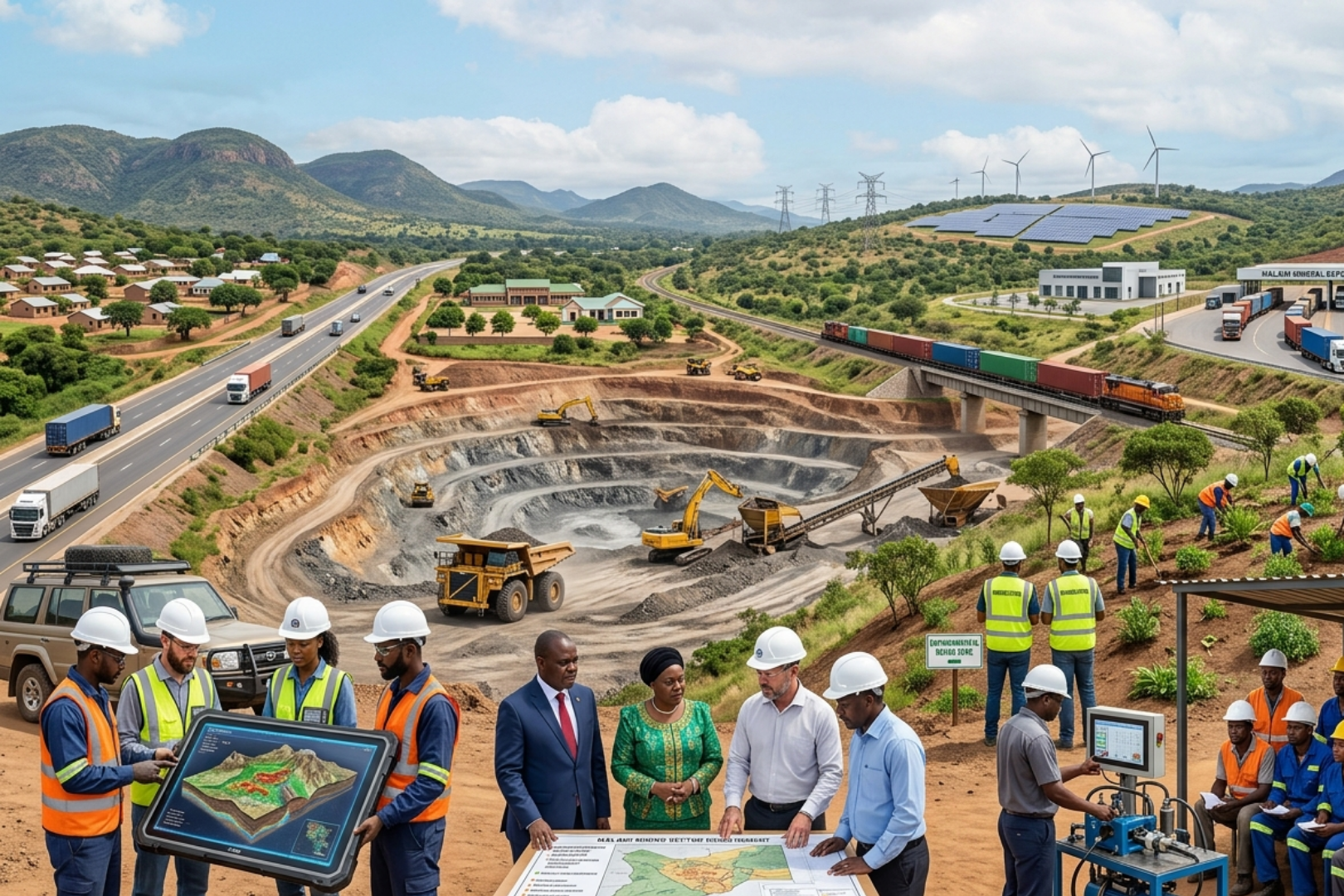
The government of Malawi is working on a new plan called the ETM Roadmap. This plan focuses primarily on 3 goals. These are: Growing the mining sector, keeping people and nature safe and secure, and making sure the country benefits. The plan also wants to make getting permits faster, collect fair taxes, set good mineral prices, and make government offices stronger. A special fund could help protect the economy when mineral prices fluctuate. If Malawi gets the right support and follows the plan well, Malawi’s mining business can become a strong part of the economy. It can create new jobs, generate revenue, and help the country grow in a safe and fair way for everyone.



0 Comments