
Rwanda, often referred to as the “Land of a Thousand Hills,” boasts breathtaking landscapes, vibrant wildlife, and a rich culture. Yet, beneath this beauty lies a profound, tragic history marked by the genocide that occurred in 1994. In a mere 100 days, an estimated 800,000 people—primarily Tutsis and moderate Hutus—lost their lives in a horrific wave of violence. The Kigali Genocide Memorial stands as a poignant reminder of this history, serving not only to commemorate the victims but also to promote healing and education for future generations. For anyone visiting Rwanda, this memorial is an essential stop to understand the complexity of its cultural heritage and the resilience of its people.
The Significance of the Kigali Genocide Memorial
The establishment of the Kigali Genocide Memorial was a vital step in Rwanda’s efforts to cope with the aftermath of the genocide. It acts as a site of remembrance, providing a space where families can mourn their loved ones. More importantly, it serves as an educational tool, helping both Rwandans and international visitors comprehend the impact of hatred and the consequences of ignoring the signs of rising violence.
Visiting the memorial is not merely an act of tourism; it is a journey into the heart of a nation that is confronting its past. The memorial plays a crucial role in Rwanda’s healing process, encouraging dialogues about forgiveness, reconciliation, and unity. In a country that has faced such profound trauma, the memorial represents both sorrow and hope, demonstrating how Rwanda is rising from the ashes to build a more harmonious society.
Exploring the Kigali Genocide Memorial
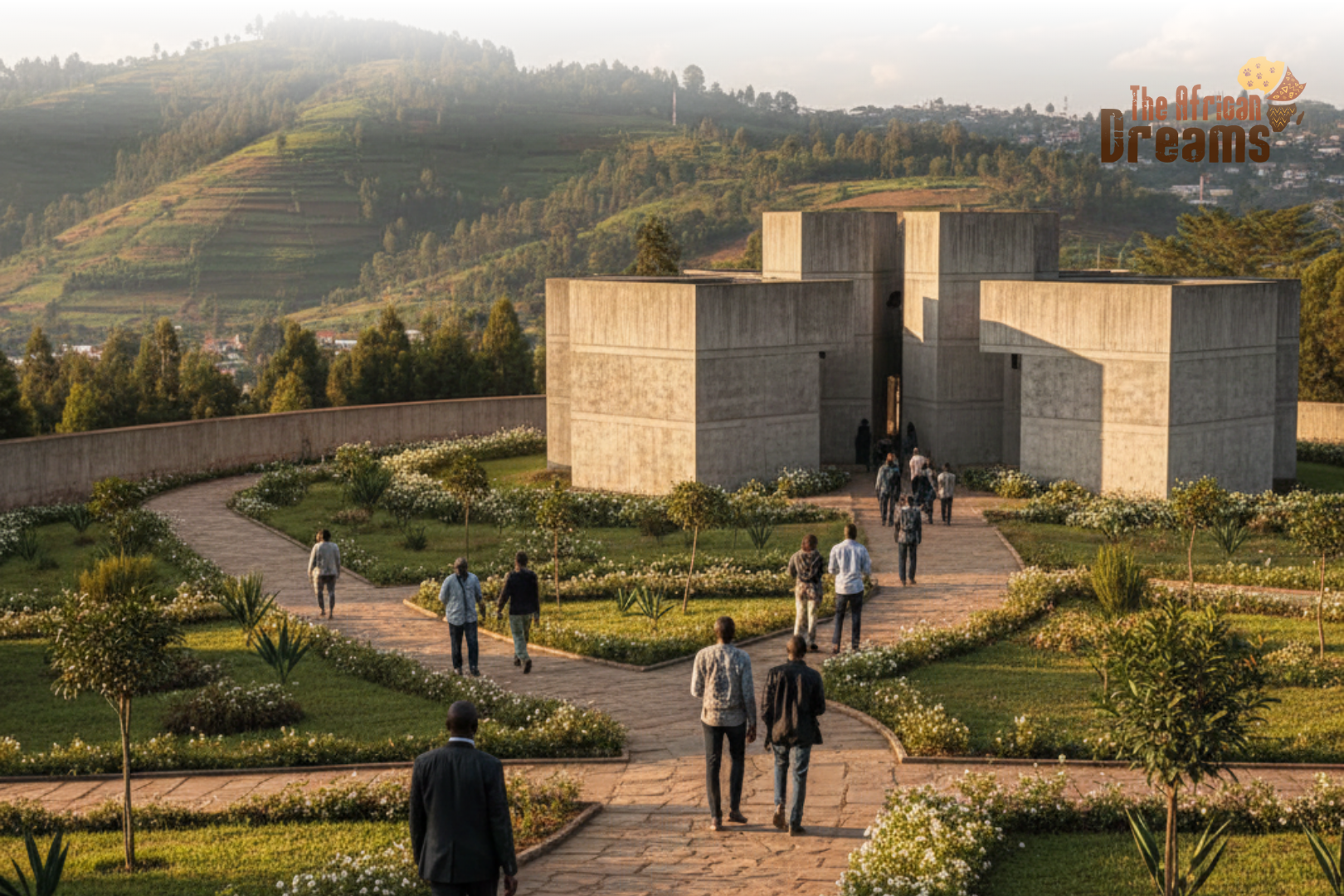
Upon arriving at the Kigali Genocide Memorial, one is immediately struck by its peaceful surroundings. The memorial is located in the Gisozi neighborhood of Kigali and is surrounded by beautiful gardens. This serene environment is intentionally designed, inviting visitors to reflect on the lives lost while also providing a space for contemplation and remembrance.
The memorial complex includes several critical areas: the museum, the gardens, and the mass graves. Each section is distinct, yet they work together to tell a cohesive story about the events of the genocide and its aftermath. The architecture of the memorial is modern yet respectful, with features that encourage visitors to pause and reflect. It is a space that embodies both the pain of loss and the promise of renewal.
The Memorial Museum
As visitors enter the museum, they are confronted with a powerful narrative of the genocide. The exhibitions contain a wealth of information, including photographs, video footage, and poignant displays featuring personal stories of victims. Throughout the museum, the visitor is guided through the events that led to the genocide, allowing them to grasp the gravity of the situation.
One of the museum’s primary objectives is to educate visitors on how propaganda fueled the violence. The displays illustrate how misinformation and hate speech played a critical role in escalating tensions between the Hutu and Tutsi communities. This discussion is particularly relevant today, as issues of misinformation and prejudice persist globally. Understanding these themes is crucial for grasping not only Rwanda’s past but also its present challenges.
Along with historical accounts, the museum emphasizes the need for education and awareness as tools for prevention. A central message is that by remembering the past, humanity can work towards a more peaceful future. The memorial also hosts educational programs aimed at schools and local communities, further reinforcing its mission as a learning hub.
Personal Stories and Testimonials
One of the most powerful aspects of the Kigali Genocide Memorial is the personal narratives that are shared. The museum features videos and written testimonies from survivors who lived through the horrors of the genocide. Listening to these accounts humanizes the statistics and makes the events feel real and immediate.
Survivors tell stories of loss, fear, and unimaginable courage. They share their experiences of hiding from attackers, losing family members, and finding ways to cope with their trauma. These narratives highlight the resilience of the human spirit, showcasing how individuals can emerge from darkness and work towards healing. Witnessing these stories can be an emotional experience, prompting reflection on themes of suffering, survival, and forgiveness.
The memorial acknowledges that understanding personal experiences is key to grasping the full scope of the genocide. By inviting visitors to engage with these testimonies, the memorial fosters empathy and encourages dialogue around these difficult subjects.
Remembering the Victims
A significant area of the memorial consists of the mass graves where thousands of victims are laid to rest. Over 250,000 bodies are interred at the memorial, marking it as a sacred site of mourning. The graves are surrounded by beautifully landscaped gardens, which provide a tranquil setting for remembering those who perished.
This part of the memorial serves not only as a burial site but also as a place for families and communities to gather in remembrance. The presence of mass graves emphasizes the human cost of genocide, turning abstract numbers into lived experiences. Visitors often feel a sense of solemnity and connection when standing at the graves, prompting them to reflect on the fragility of life and the importance of honoring the victims.
The memorial also hosts annual commemorative events, such as candlelight vigils and remembrance ceremonies. These events provide an opportunity for Rwandans and visitors alike to come together in solidarity, fostering a sense of community and shared purpose.
The Impact of the Memorial on Rwandan Society
The Kigali Genocide Memorial has had a profound impact on Rwandan society, shaping the nation’s identity and promoting a narrative of resilience. It functions as a symbol of national commitment to addressing a dark past while fostering peace and solidarity among citizens. By engaging with their history, Rwandans have built a foundation for reconciliation, focusing on unity rather than division.
Internationally, the memorial serves as a crucial educational resource. It attracts many visitors from around the world who come to learn about the genocide and the lessons it holds. By sharing Rwanda’s story, the memorial hopes to raise awareness about the dangers of hatred and prejudice, inspiring individuals to stand against such ideologies in their own communities.
Additionally, the memorial has inspired other nations to confront their histories of violence and oppression. As visitors leave the memorial, they are often moved to reflect on their own experiences and the importance of remembrance, making it a significant site not just for Rwanda but for humanity as a whole.
Visiting the Kigali Genocide Memorial
For those wishing to visit the Kigali Genocide Memorial, it is important to note several practical aspects. The memorial is open daily from 8 AM to 7 PM, and while entry is free, donations are encouraged to support the site’s maintenance and educational initiatives. Guided tours are available and can enhance the experience by providing deeper insights into the exhibits and messages conveyed.
It is advisable for visitors to approach the site with a mindset of respect and reflection. Visiting the memorial can be an emotional journey, and taking the time to process the information presented is essential. Engaging with the material thoughtfully allows for a deeper understanding of the events and their implications.
To prepare for a visit, potential travelers should research the memorial’s history and the context of the genocide. Familiarity with these topics can lead to a more enriching experience. Visitors should also consider allowing ample time to explore the different sections of the memorial, as there is much to absorb.
Conclusion
Visiting the Kigali Genocide Memorial is an essential part of understanding Rwanda’s complex heritage and journey toward healing. The memorial serves as a powerful reminder of the consequences of hatred and division while highlighting the strength and resilience of those who survived. Through education, remembrance, and dialogue, the memorial fosters a deep understanding of the past and encourages visitors to engage with their shared humanity.
Rwanda’s story is one of pain, but it is also one of hope and renewal. By embracing their history, Rwandans are paving the way for a future that values peace and unity. For anyone visiting Rwanda, the Kigali Genocide Memorial offers not just a chance to learn more about this impactful history but also an opportunity to reflect on the importance of remembrance in shaping a better world for all.




0 Comments