
Kenya’s fishery sector is vital for economic growth and food security. Its inland and marine fishery resources play a critical role in livelihoods. However, the sector faces hurdles that limit its potential. This article explores the opportunities and challenges in Kenya’s fishery industry and highlights paths to sustainable development.
Kenya’s Fishery Sector Overview
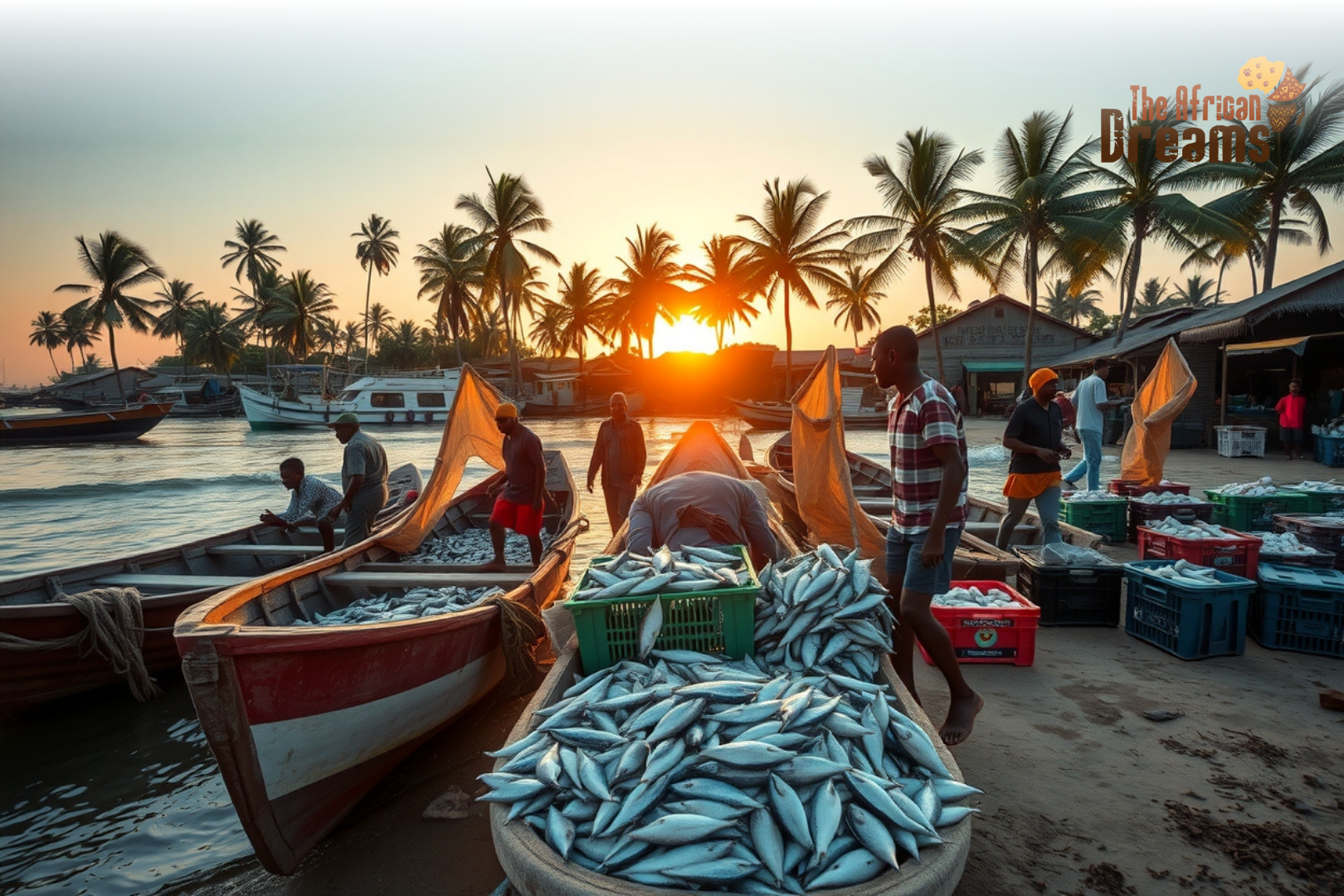
Kenya’s fishery sector contributes 0.5% to the national GDP. Approximately 60,000 fishers depend directly on it, and 1.2 million people are indirectly engaged through supply chains and trading activities. Major fishing zones include Lake Victoria, Lake Turkana, and Lake Naivasha, and a 640-kilometer coastline along the Indian Ocean.
In 2022, Kenya produced approximately 150,000 metric tons of fish, with freshwater fisheries, particularly Lake Victoria, accounting for over 80% of this output. Despite its significance, the sector’s full potential remains to be tapped due to systemic challenges.
Opportunities in Kenya's Fishery Sector
Untapped Marine Resources
Kenya’s Exclusive Economic Zone (EEZ) has vast potential, with an estimated capacity of 150,000 to 300,000 metric tons annually (KEFS). Yet, only 8% of this capacity is utilized. Investment in modern deep-sea fishing vessels and cold storage infrastructure could unlock these resources.
Growing Aquaculture Industry
Aquaculture offers a solution to declining wild fish stocks. In 2021, Kenya produced 21,500 metric tons of farmed fish, primarily tilapia and catfish. Favorable climates, accessible water resources, and increased government incentives make aquaculture a lucrative avenue.
International and Local Support
Programs like the European Union’s “Go Blue” initiative promote sustainable fisheries in coastal areas. Kenya’s Big Four Agenda also emphasizes blue economy development, aiming to create jobs and increase export earnings.
High Demand for Fish Products
Fish consumption in Kenya is rising, with an average per capita intake of 4.5 kilograms, projected to increase by 20% by 2030. This rising demand creates opportunities for investments in processing and export-oriented ventures.
Challenges Facing the Fishery Sector
Overfishing and Environmental Degradation
Overfishing is a significant issue in Lake Victoria, which provides 90% of Kenya’s freshwater fish. Species like the Nile perch and tilapia are overharvested, threatening biodiversity. Additionally, agricultural runoff and domestic waste pollution worsen the lake’s ecological health.
Post-Harvest Losses
An estimated 25% of the total fish catch is lost post-harvest due to inadequate storage and transport facilities. Only 4% of landing sites have cooling infrastructure, forcing anglers to sell quickly at low prices and reducing profitability.
Weak Regulatory Framework
Illegal, unreported, and unregulated (IUU) fishing is prevalent, especially in coastal regions. The lack of enforcement of fisheries regulations and overlapping institutional mandates has led to inefficiencies. For instance, in 2022, Kenya lost an estimated KES 10 billion due to IUU activities.
High Costs of Fishing Gear and Inputs
Small-scale fishers struggle to afford quality fishing gear and modern equipment. High import taxes and a lack of credit facilities exacerbate this challenge, limiting the adoption of advanced technologies that could increase productivity.
Sustainable Practices and Innovations
Community-Led Conservation Efforts
Along the coast, local communities spearhead conservation through no-take zones, called tengefu. These zones allow fish stocks to regenerate, boosting biodiversity and fishery yields. Coral reef restoration projects have also shown promise in improving marine ecosystems.
Advancements in Cold Storage
New cold storage solutions, such as solar-powered freezers, are reducing post-harvest losses. Companies like SokoFresh provide mobile cold storage units, improving fish quality and enabling fishers to access better markets.
Digital Market Platforms
Innovative platforms like M-Kilimo and FishMarket Kenya connect fishers directly to buyers, cutting out middlemen and ensuring better prices. These technologies also improve market visibility and traceability, promoting fair trade practices.
The Way Forward: Unlocking Kenya’s Fishery Potential
Policy and Regulatory Reforms
Strengthening regulatory frameworks and ensuring robust enforcement are critical. The government should enhance monitoring systems to combat IUU fishing. Comprehensive stock assessments and sustainable management plans will ensure resource longevity.
Investment in Infrastructure
Building more cooling facilities and upgrading landing sites will reduce post-harvest losses. Transport networks connecting fishing zones to markets must be improved, facilitating efficient fish distribution.
Capacity Building for Fishers
Training programs focusing on sustainable fishing methods and financial literacy can empower fishers to maximize returns. Collaborations with NGOs can provide tools and resources, fostering long-term growth.
Promoting Aquaculture Expansion
Subsidies and grants for fish farmers can drive aquaculture growth. Research into resilient fish breeds and innovative farming techniques will further enhance productivity, supporting both domestic and export markets.
Conclusion
Kenya’s fishery sector holds immense potential to drive economic growth and ensure food security. By addressing challenges like overfishing, inadequate infrastructure, and regulatory inefficiencies, the sector can thrive. Sustainable practices, coupled with investments in technology and education, will unlock this potential. Collaborative efforts from the government, private sector, and local communities are crucial to achieving a sustainable and prosperous future for Kenya’s fisheries.



0 Comments