
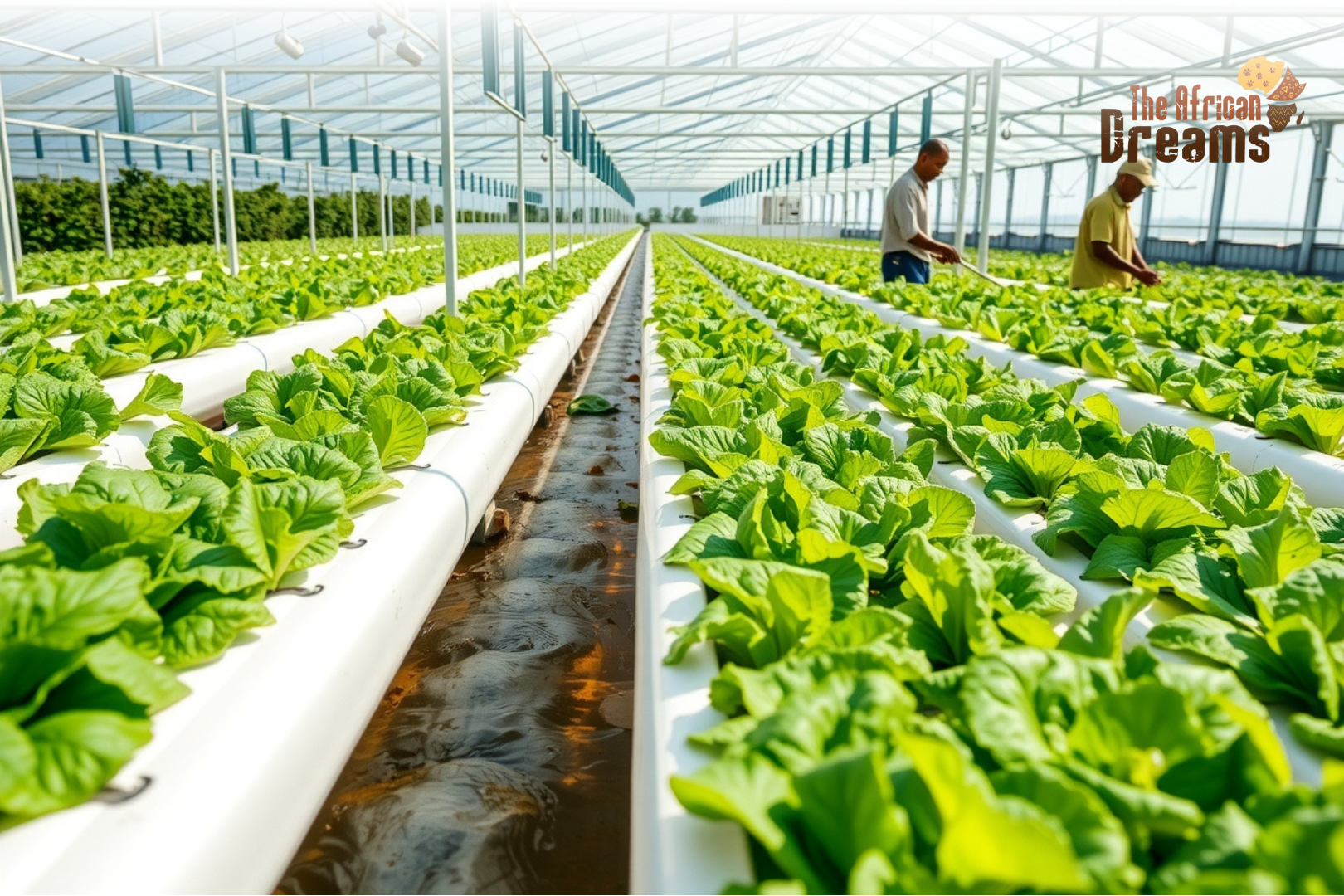
Hydroponic farming is rapidly gaining traction in Kenya, offering a sustainable and innovative solution to food production challenges. By eliminating the need for soil, hydroponics enables crops to grow in nutrient-rich water, providing higher yields while conserving resources. With Kenya’s growing population and dwindling arable land, this modern farming method is a beacon of hope for farmers and entrepreneurs alike.
Why Hydroponic Farming is Relevant in Kenya
Kenya faces significant agricultural challenges, including erratic weather patterns, limited fertile land, and water scarcity. Traditional farming methods often fail to meet the demand for food, especially in urban areas. Hydroponics addresses these issues by using 80-90% less water than conventional agriculture and requiring less space, making it ideal for urban and semi-urban settings. According to the World Bank, Kenya’s urban population is expected to grow by 5% annually, increasing the demand for innovative agricultural solutions.
Setting Up Your Hydroponic Farm
Choosing the Right System
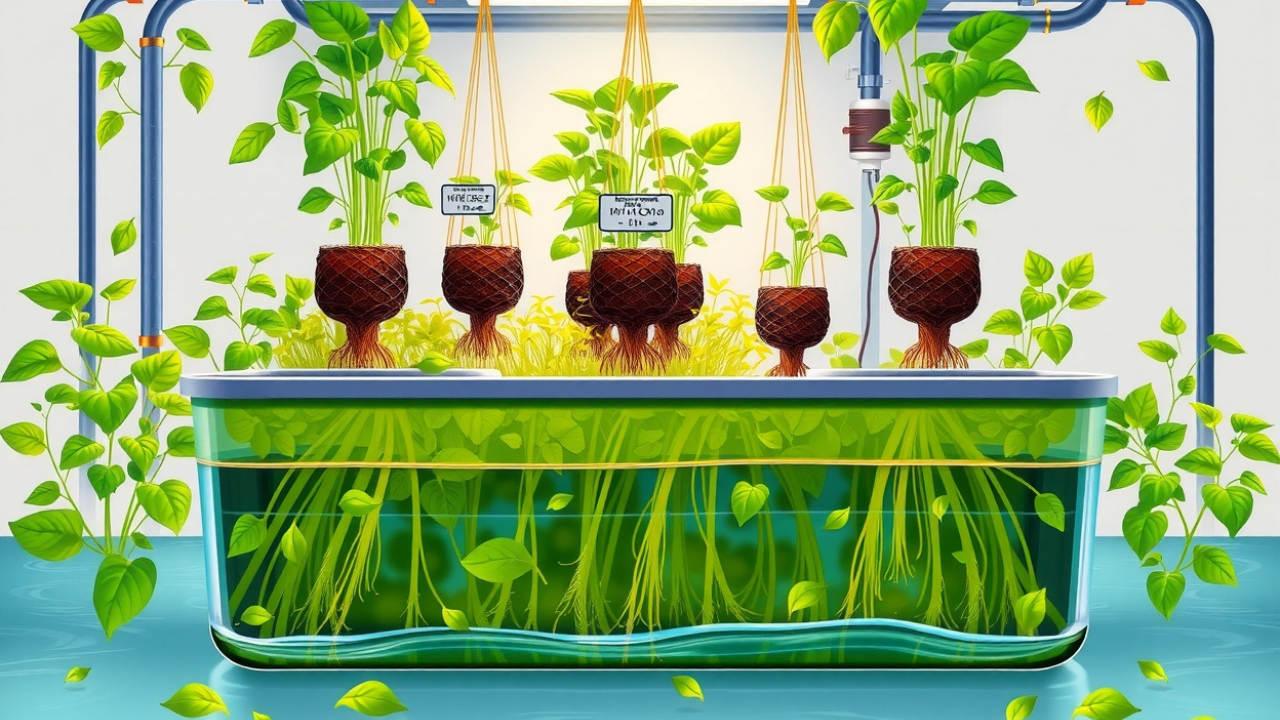
Hydroponic systems include Nutrient Film Technique (NFT), Deep Water Culture (DWC), and drip systems. The drip system is particularly popular for beginners in Kenya due to its simplicity and efficiency. NFT systems, where plants are grown in shallow streams of water, are also suitable for leafy greens like lettuce and spinach.
Choosing the Right System
Hydroponic systems include Nutrient Film Technique (NFT), Deep Water Culture (DWC), and drip systems. The drip system is particularly popular for beginners in Kenya due to its simplicity and efficiency. NFT systems, where plants are grown in shallow streams of water, are also suitable for leafy greens like lettuce and spinach.
Local suppliers like Hydroponics Kenya and Vertical Gardens Kenya offer affordable starter kits tailored for small-scale farmers.
Site Selection and Space Utilization
Urban areas like Nairobi and Mombasa provide excellent opportunities for hydroponic farming. Rooftop spaces, balconies, and backyards can be converted into productive farms. Proper ventilation and access to sunlight are crucial for outdoor setups, while indoor farms may require supplemental lighting.
Selecting Suitable Crops
Best Crops for Hydroponics in Kenya
Certain crops thrive in hydroponic systems, offering quick returns on investment. Popular choices include:
-
Lettuce
-
Spinach
-
Kale
-
Strawberries
-
Herbs like basil and mint
A study by Egerton University found that leafy greens grown hydroponically yielded 25% more than those grown traditionally.
Market Demand Considerations
Kenya’s demand for fresh vegetables and fruits is rising, driven by health-conscious consumers and the hospitality industry. Urban markets, supermarkets, and restaurants are lucrative outlets for hydroponic produce. Export markets, particularly for strawberries and herbs, also present significant opportunities.
Opportunities in Hydroponic Farming
Water Efficiency
One of hydroponics’ standout benefits is its water efficiency. In a country where 41% of the population lacks access to clean water (UNICEF, 2023), hydroponics’ ability to use 80% less water than soil farming is revolutionary. Recirculating systems ensure minimal wastage, making it a sustainable choice for arid regions like Turkana and Garissa.
Year-Round Production
Hydroponic farming allows for continuous crop production regardless of seasonal changes. Farmers can consistently meet market demand with controlled environments, avoiding the fluctuations common in traditional farming.
Urban Agriculture Potential
With 27.5% of Kenyans living in urban areas (World Bank, 2022), space-efficient farming methods like hydroponics are vital. Urban farmers can grow crops on rooftops and small plots, turning underutilized spaces into profitable ventures.
Challenges and Considerations
Initial Investment Costs
Setting up a hydroponic farm can be capital-intensive. A small-scale system costs KES 50,000 to 150,000 (approximately $350 to $1,000). While this may deter some, grants and loans from organizations like the Agricultural Finance Corporation (AFC) are available to support farmers.
Technical Expertise Requirements
Hydroponics requires a solid understanding of nutrient management, water quality, and system maintenance. Training programs offered by organizations like Hydroponics Africa and NGOs like TechnoServe provide valuable knowledge to aspiring farmers.
Maintenance and Monitoring
Successful hydroponic farming requires continuously monitoring pH levels, nutrient concentration, and water temperature. Advanced systems equipped with sensors can automate these processes, but they are expensive.
Real-Life Success Stories
Several Kenyan farmers have embraced hydroponics with remarkable results. For instance, John Kariuki, a farmer in Kiambu County, shifted from traditional farming to hydroponics 2018. By growing lettuce hydroponically, he increased his yield by 40% and reduced water usage by 70%. His produce now supplies major supermarkets in Nairobi, earning him an annual revenue of over KES 1 million.
Similarly, Jane Njeri, an entrepreneur in Mombasa, transformed her backyard into a thriving hydroponic farm. She specializes in basil and mint, caters to local restaurants, and exports to the Middle East. Her success underscores the potential for hydroponics to empower small-scale farmers and entrepreneurs.
Conclusion and Future Outlook
Hydroponic farming in Kenya is more than a trend—it’s a transformative solution to the country’s agricultural challenges. While the initial investment and technical expertise required may pose barriers, the long-term benefits of sustainability, productivity, and profitability are undeniable. With increasing support from government and private sector initiatives, the future of hydroponics in Kenya looks promising.
For aspiring farmers, hydroponic farming offers a chance to innovate and thrive in a competitive market. By leveraging this technology, Kenya can move closer to achieving food security and sustainable development.


0 Comments