
Introduction: Guinea-Bissau’s Fishing Industry
In Guinea-Bissau, in their leisure time, some people like to sit alone and have quality time with themselves, and some do the same thing but engage in lure fishing in the middle of the sea or beside the river. Sport or Lure fishing has gained popularity and will be more popular in Guinea-Bissau. Guinea-Bissau’s fishing industry also contributes to its GDP, leading to economic development.
Guinea-Bissau has the Bijagos Archipelago- a group of 88 islands– home to various marine species. That’s why, approximately hundreds of species are found in Guinea-Bissau. These include fish, crustaceans, mollusks, and other aquatic life. Much of the population’s income depends on Guinea-Bissau’s fishing industry. Moreover, there are facilities for fishing trips, and new investors play a substantial role in this sector, leading to a profitable business.
Article Highlights:
Fishing Industry Contribution: Guinea-Bissau’s fishing industry contributes around 3% to GDP and 15% to government revenues, with significant exports to Europe and Asia.
Investment Opportunities: Potential investment areas include aquaculture infrastructure, fish feed manufacturing, training programs, sustainable fisheries, and eco-tourism.
Export Growth: Guinea-Bissau’s fishing industry exports include shrimp, tuna, and octopus, which are being exported to major markets like Ghana, Spain, Portugal, and China.
Bijagos Archipelago: The Bijagos Archipelago is a significant marine biodiversity hub and a potential hotspot for eco-fishing and adventure tourism.
Investment in Sustainability: Investment in sustainable practices will ensure long-term growth and economic development of Guinea-Bissau’s fishing industry.
Guinea-Bissau’s Fishing Industry Overview
Guinea-Bissau has rich biodiversity and marine ecosystems. It hosts unique ecosystems that support a variety of marine life. Bijagos Archipelago is A UNESCO Biosphere Reserve. It features mangroves, wetlands, and coral reefs, which support marine animals like sea turtles, manatees, and fish. The islands support a variety of fish species and serve as substantial breeding grounds for aquatic species.
Besides, Mangroves provide a functional nursery for young fish and other marine life. They are shrimp and other seafood nurseries, contributing to the mangrove habitat’s crucial role in Guinea-Bissau’s fishing industry.
Moreover, Guinea-Bissau’s coastal waters are richly provided with fish resources and contain various estuaries where fresh water enters the sea, ideal for most fish species to grow. Tidal flats and rivers offer breeding habitat for shrimp and fish.
Key Fish Species & Their Locations in Guinea-Bissau
1. Big Game Fish, known as Sport Fishing Species, is often targeted by sport fishermen using lures or live bait in Guinea-Bissau’s fishing industry. It has been primarily found in Offshore waters, deep-sea fishing spots in the Atlantic Ocean, such as Tuna (Yellowfin Tuna, Bluefin Tuna, Bigeye Tuna), Marlin (Blue Marlin, Black Marlin), Sailfish, Wahoo, Barracuda, and Sharks (including Hammerhead Sharks, Tiger Sharks)
2. Inshore Fish are primarily found in Guinea-Bissau’s Nearshore waters, coastal regions, reefs, estuaries, and mangrove areas such as -Snapper (e.g., Red Snapper, Mangrove Snapper), Sea Bass, Groupers (e.g., Nassau Grouper, Goliath Groupe), Mackerel (e.g., Spanish Mackerel), Jacks (e.g., Jack Crevalle), Tilapia (common in rivers and lakes), Catfish (also found in rivers and ponds), Parrotfish (common in coral reefs), Angelfish (in reef areas), Wrasse (in coral reefs)
3. Pelagic Fish are usually found in the Open ocean, deep waters far from the coast, and are often fished using trolling or deep-sea fishing methods. Pelagic Fish include Mahi-Mahi (Dorado), Flying Fish, Kingfish (King Mackerel), Bonito, and Skipjack Tuna.
4. Crustaceans and Mollusks are generally found in Shrimp-Nearshore areas, mangrove swamps, coral reefs, and estuaries. Specifically, shrimp and crabs are abundant in estuaries and shallow waters, such as Shrimp (Penaeid Shrimp), Lobster (e.g., Mud Lobster, Spiny Lobster), Crabs (e.g., Mud Crab, Blue Crab), Octopus, Squid, Clams, and Oysters.
5. Freshwater Fish are found in Rivers, lakes, and inland ponds, which are common targets for artisanal fishing, such as Tilapia, Catfish, Freshwater shrimp, Eels, Carp, and freshwater bass.
6. Reef Fish: These species are found near snorkelers’ Coral reefs, mangrove areas, and shallow coastal waters. It is often targeted by snorkelers, divers, and shallow-water fishermen. Reef fish include Parrotfish, Damselfish, Wrasse (including Cleaner Wrasse), Angelfish, Triggerfish, Clownfish, and Surgeonfish.
7. Benthic Fish (Bottom-Dwelling Species) are mainly found on the sea floor or in sandy or muddy areas near the coast. These include Flounder, Sole, Scorpionfish, Stingrays, Skates, etc. These tend to live in sandy or muddy environments and are often bottom dwellers.
8. Marine Mammals and Other Marine Species are found in Coastal waters and protected marine areas, such as: Dolphins (e.g., Spinner Dolphins), Whales (e.g., Humpback Whales), Manatees (particularly around Orango Island), Sea Turtles (e.g., Green Turtles, Loggerhead Turtles)
Guinea-Bissau’s Export and Consumption of Fish
Guinea-Bissau’s fishing industry has the potential capacity to produce up to 300,000 tons of fish per annum. However, this capacity can vary due to ecological problems and overfishing. In 2023, exports of non-fillet frozen fish were estimated at USD 13.3 million, and fish oil exports were estimated at USD 13.5 million. In 2016, exports were worth USD 4.7 million, while imports were about USD 3 million. Usually, fish consumption is approximately 2.3 kg per person each year.
Guinea-Bissau’s fishing industry exports several fish and seafood products to regional and international markets. Ghana took the highest share of its exports of fish fillets in 2021, with approximately $162,000 worth of frozen fish fillets. Spain, Portugal, Italy, and China are other significant markets for Guinea-Bissau’s fish products, where it exports shrimp and tuna. Guinea-Bissau also exports fish fillets, octopus, and cephalopods to West Africa, Europe, and Asia.
Guinea-Bissau’s fishing industry is a significant pillar of the economy, contributing approximately 3% of Gross Domestic Product (GDP) and some 15% of government revenue. The sector provides a basic livelihood to thousands of people directly as fishermen and indirectly as fish processors and exporters.
European Union (EU) in Guinea-Bissau’s Fishing Industry
The European Union (EU) is a very commanding actor in Guinea-Bissau’s fishing industry through the Sustainable Fisheries Partnership Agreement (SFPA). This allows European fleets to fish for other stocks like tuna, cephalopods, and shrimps. The EU, in return, provides funds to the country’s fishing sector, enhancing its infrastructure and sustainability levels. The EU’s fishing agreements are of the most significant value in sustaining the fishing industry of Guinea-Bissau and its export capacity.
The good thing is that China has already invested in Guinea-Bissau’s fishing industry. China is a growing market for Guinea-Bissau shrimp exports as seafood demand rises in Asia. The country has been boosting its trade with the Asian markets, which has propelled overall export revenue growth. There are available resources for fishing, so they are more enthusiastic about investing in Ponds, Freshwater, and rivers.
1. Ponds and Freshwater Resources: Guinea-Bissau has freshwater lakes and ponds, where fish can be cultivated. There are a few tilapia farms in the interior regions, but the business is yet to take off.
2. Rivers: Rivers like the Geba and Cacheu contribute to inland fisheries and provide fish species like tilapia, catfish, and other freshwater fish. They also support the country’s biodiversity, providing fishermen with a complete resource.
Generally, there are many ways to do fishing methods & practices in Guinea-Bissau’s fishing industry. Methods like:
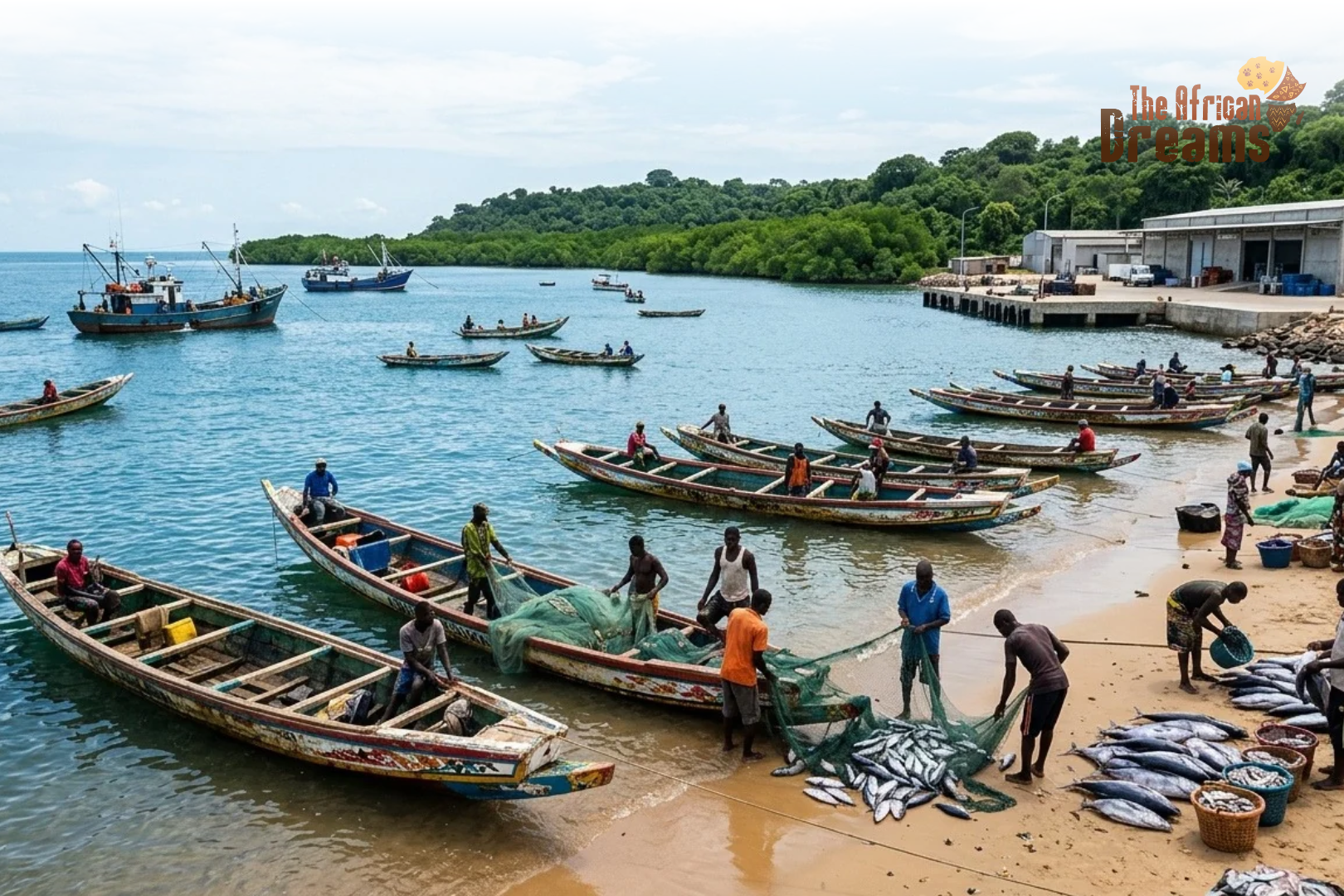
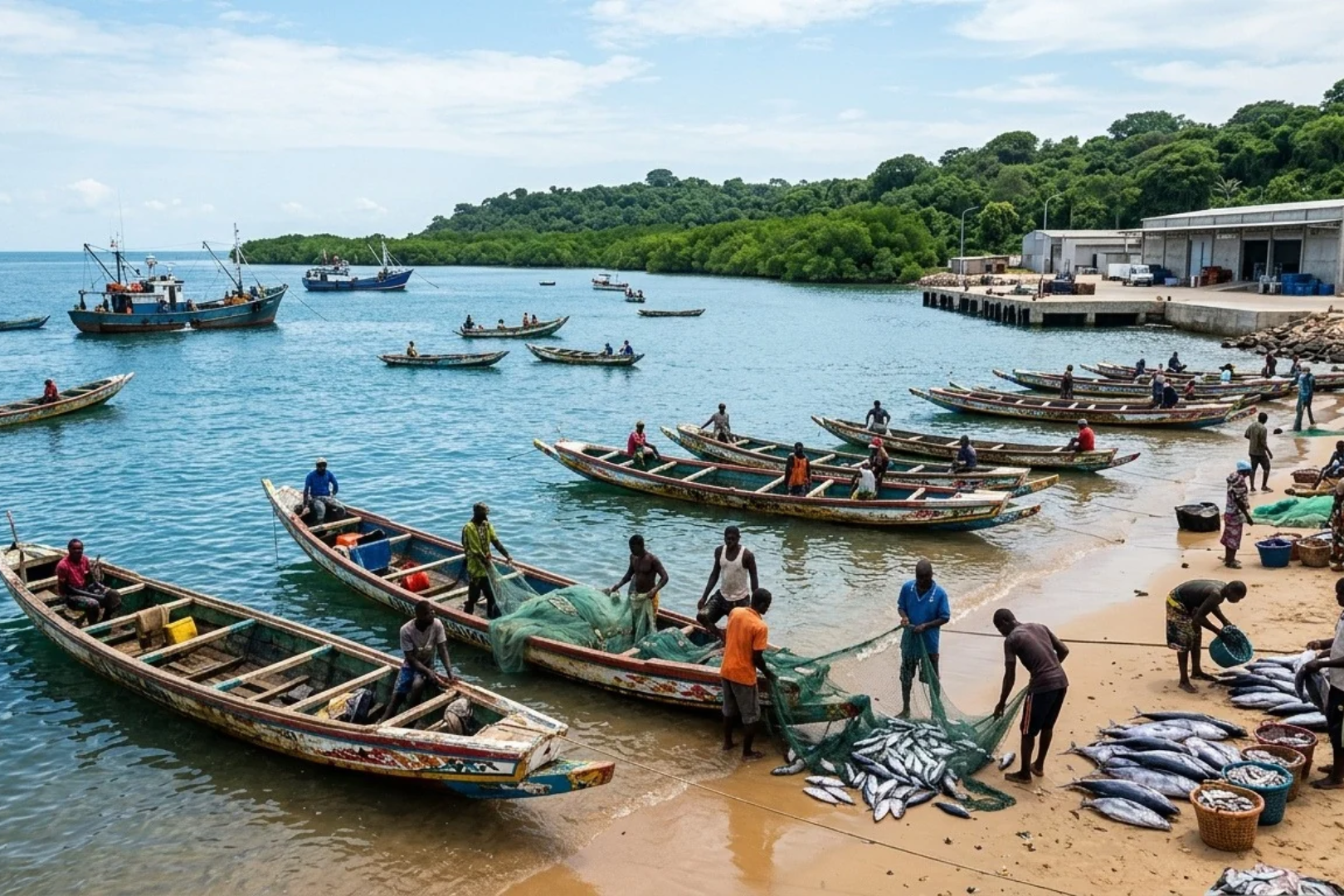
1. Artisanal Fishing: Most fishing is done by local fishermen on a small scale using traditional methods. Small boats and canoes are used near the shore. This provides a livelihood to thousands of local families.
2. Industrial Fishing: Commercial fishing vessels target offshore waters for valuable fish species like tuna and shrimp. Guinea-Bissau waters harbor European and Chinese fleets. The government attempts to regulate the action so as not to overfish.
3. Aquaculture (Fish Farming): This industry is still nascent in Guinea-Bissau but has enormous potential. Tilapia and catfish are some species that are being cultured in ponds. Aquaculture can boost local production and help meet domestic demand.
Challenges Facing Guinea-Bissau’s Fishing Industry
Though Guinea-Bissau’s fishing industry has enough resources and varieties of fish, there are still challenges like –
1. Limited Infrastructure: The country has limited modern fish farming facilities, such as high-quality fish hatcheries, processing units, and cold storage. This hampers fish farming’s production level and causes issues with storing and exporting fish in bulk.
2. Limited Access to Quality Feed: One of the most significant issues is the shortage and expense of good-quality fish feed. Fish farmers often can’t afford high-quality products, making production expensive and limiting farm expansion, especially for small-scale producers.
3. Lack of Technical Expertise: Most local fish farmers lack proper training in modern aquaculture techniques, including appropriate water handling, fish health care, and environmentally sustainable farming practices. While foreign organizations and domestic programs provide them with training, there is still a lack of trained professionals.
4. Poor Water Management: Water quality management is necessary to ensure consistent quality assurance, yet most farms suffer from water pollution, low oxygen levels, and poor temperature control. Because they do not know how to manage water quality efficiently, degradation causes disease and reduces fish survival rates.
5. Financial Constraints: Most small-scale fish farmers lack access to credit and finance to expand operations, purchase modern equipment, or improve infrastructure. Banks and financial institutions are hesitant to provide loans to the aquaculture sector due to perceived risk and a lack of collateral.
6. Overfishing and Depletion of Marine Resources: Guinea-Bissau’s wild fisheries are overfished. This affects the supply of fish for artisanal fishing and can limit the supply of fish for fish farming. As a result, the pressure on wild fish stocks can lead to reduced catches, making it harder for fish farmers to find broodstock and quality fish for aquaculture.
Investment Opportunities in Guinea-Bissau’s Fishing Industry
Investment can significantly solve these problems and raise Guinea-Bissau’s production to a higher level. As previously mentioned, China has invested here, but there is still a need for investment to educate the farmers about proper farming methods and to utilize their full capacity. Besides, there is an empty and new sector where investors have the chance to build a profitable business.
First, to solve the problems, they can integrate and implement in various fields like –
1. Establishment of Modern Aquaculture Infrastructure: Modern fish farming infrastructure, including a processing plant and cold storage facilities, will facilitate increased production capacity, adequate storage, and export.
2. Development of Local Fish Feed Production: Investment in local manufacture of low-cost, quality fish feed will reduce reliance on imports, lower production costs, and increase access to fish farming by small-scale farmers.
3. Training and Capacity Building: Farmers must be educated to build a skilled workforce to manage sophisticated aquaculture operations. Training programs in sustainable agriculture, water quality management, and fish health will enhance farm productivity and sustainability.
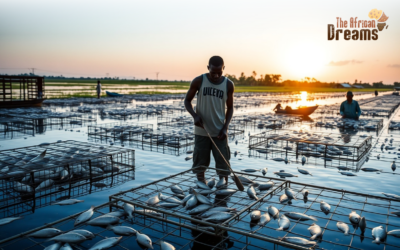
4. Improving Water Management Systems: Investing in water treatment technologies, sustainable water management, and aquaculture systems like floating cage farming ensures good water quality, prevents pollution, and promotes sustainable fish farming.
5. Financial Support to Farmers: Investors can collaborate with local banks and microfinance institutions to create customized financing packages for fish farmers. This would improve access to capital, enabling farmers to expand operations and invest in new machinery.
6. Managing Overfishing and Supporting Sustainable Fisheries: Investment in sustainable fishing businesses and developing a certification system for sustainable fisheries could relieve pressure on wild fish resources, ensure the long-term health of marine ecosystems, and provide enough resources for fish farming.
Eco-Fishing Opportunities
Secondly, Guinea-Bissau can provide extra attention to fishing trips. They have the Bijagos Archipelago, which contains many islands. Investors can invest significantly here by creating eco-fishing trips or adventure-lure fishing facilities for tourists or foreigners. They have a variety of fish and an Atlantic coastline.
Hence, investors can use blue ocean strategies by creating a unique approach. Moreover, they must devise a proper plan for where and how to invest.
Why Invest in Guinea-Bissau’s Fishing Industry
As there is a need for investment, it has invested in enhancing the infrastructure of Guinea-Bissau’s fishing industry. In May 2023, the China-supported Alto Bandim Fishing Port was inaugurated, significantly improving the utilization of local marine resources. The port has a capacity for 250 to 300 smaller fishing vessels and two semi-industrial fishing vessels. Adjacent to the port, CNFC completed a 4,000-square-meter seafood processing and storage facility, the largest modern fisheries processing plant in Guinea-Bissau, supplying affordable seafood to residents.
This is all a sign of the potential for a profitable business. Besides, they already have connections for exporting fish to neighbouring countries, and to solve that problem, it’s possible to make a strong country for fish exportation.
Furthermore, the 2021 and 2023 data statistics emphasize the need for domestic consumption. According to the World Bank, over 60% of small-scale farmers in developing countries lack proper training and resources to improve productivity. Investors can consider all the factors and look into a specific area.
Final Words: Development of Guinea-Bissau’s Fishing Industry
Guinea-Bissau’s fishing industry has shown so much potential. At the same time, all the numbers show the importance of improving fishing practices in Guinea-Bissau’s fishing industry. Investors can help the farmers while ensuring a profitable business for them. There are a variety of opportunities for them, including the chance to create unique competitive advantages by establishing fishing trips or more lure fishing facilities for foreigners.
Key investment areas include building modern fish farm complexes, fish feed production at the local level, improving water management, farmer training schemes, and creating eco-tourism in the Bijagos Archipelago. In a nutshell, investors can help Guinea-Bissau’s fishing industry as well as the whole nation by integrating new approaches.
FAQs
1: Which fish species are found in the most significant quantities in Guinea-Bissau waters?
Guinea-Bissau is home to a variety of fish species, including tuna, snapper, mackerel, shrimp, tilapia, catfish, and octopus, as well as marine mammals, including dolphins and manatees.
2: What are the major export markets for Guinea-Bissau fish products?
Guinea-Bissau’s fishing industry exports fish and seafood to European, West African, and Asian nations. The main markets are Ghana, Spain, Portugal, Italy, and China.
3: How many fish does Guinea-Bissau export annually?
In 2023, Guinea-Bissau exported non-fillet frozen fish worth USD 13.3 million and fish oil worth USD 13.5 million.
4: What is the problem confronting Guinea-Bissau’s fishing industry?
The primary problems are scarce infrastructure, lack of contemporary fish farms, expensive feed, inadequate training, inadequate water quality management, and overfishing.
5: Why would investors be interested in Guinea-Bissau’s fishing industry?
Investors can invest in an untapped market, reap potential growth, and create innovative solutions for sustainable aquaculture and fishing. Guinea-Bissau, the EU, and China have strong international cooperation.
6: What is the economic importance of Guinea-Bissau’s fishing industry?
The fishing industry contributes 3% of Guinea-Bissau’s GDP and 15% of government revenue, providing essential livelihoods for thousands of local families.
7: What are the investment prospects in Guinea-Bissau’s fishing industry?
Key investment areas include building modern fish farm complexes, fish feed production at the local level, improving water management, farmer training schemes, and creating eco-tourism in the Bijagos Archipelago.



0 Comments