
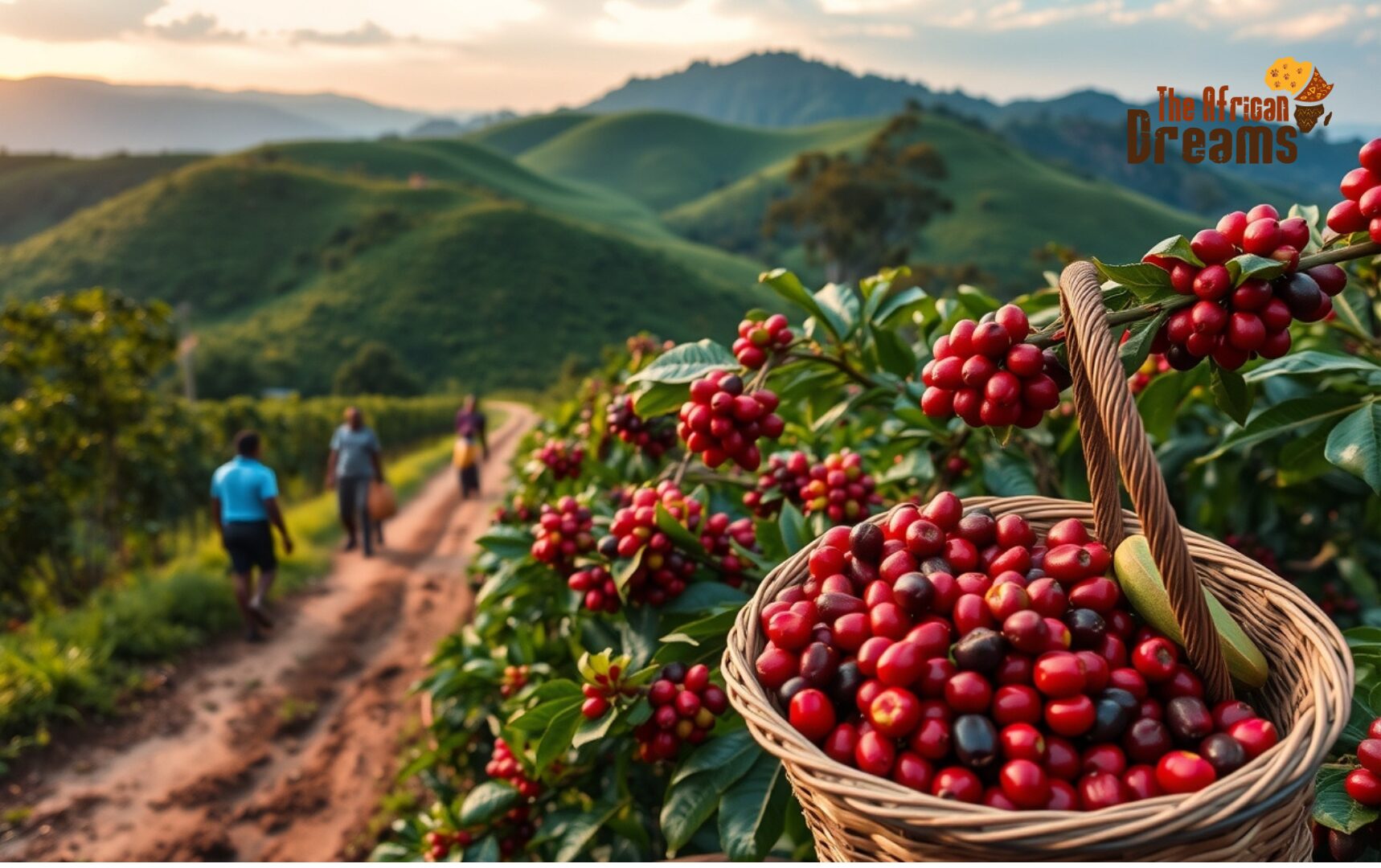
Have you ever thought about how a small investment could completely turn around an industry in a country on the brink of collapse? This happened in the Democratic Republic of Congo’s (DRC) coffee industry. The coffee industry that had once thrived fell into disrepair and was then revitalized by a group of fearless investors. The Democratic Republic of Congo can produce agricultural products, like coffee. It is also known as a wealthy country due to its abundant natural resources. However, this potential lay untapped for many years due to political turmoil, neglect, and corruption.
The Investment and Its Impact
The Congolese coffee industry has great potential, thanks to its ideal climate and fertile soil for high-quality Arabica beans. With renewed efforts to address past challenges, there is hope for revitalizing the sector and attracting international buyers once again.
The investors saw potential in the Congolese coffee industry and took risks to drive positive change. Despite past conflicts and poor management, the unique environmental conditions in the eastern Kivu provinces can produce some of the best coffee beans in the world.
Building better infrastructure—The investors started making partnerships with local farmers. The first thing was to make better roads. The farmers were traveling miles with their coffee beans. The roads were in pitiful condition, and there were barely any storage facilities to save the commodity from spoiling. The thought was to develop innovation to improve operations here so that there would be multiplier effects for all the users of this value chain.
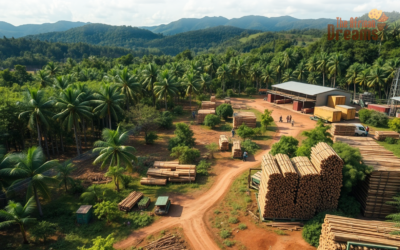
They funded the repair of roads in key coffee-growing regions, ensuring that farmers could transport their beans to processing centers without losing time or quality. They also built modern coffee processing facilities and warehouses, allowing farmers to store and process their beans under optimal conditions. This reduced waste and ensured the coffee beans retained their freshness and flavor.
Capacity development and education- Changing the coffee business environment means developing the infrastructure and the coffee production business for the investing partners. The investors organized workshops and training programs that taught farmers sustainable farming techniques, how to improve the quality of their beans, and how to manage their farms more efficiently.
Challenges in the way
Lack of access to finance- One of the major obstacles these farmers faced was a lack of access to finance. Without financial backing, their businesses remained in a cycle of low productivity and poverty. The investors partnered with the local banks and microfinance institutions to offer cheap loans to the farmers. Having the possibility of approaching the necessary financial resources, the farmers invest in their farms, buying better tools and expanding production.
Weak governance—For years, the coffee industry in the DRC has been a victim of weak governance. Middlemen and corrupt officials have been stealing profits. The investors worked with local authorities to improve transparency and implement fairer regulations. They also encouraged the formation of farmer cooperatives. This allowed smallholder farmers to pool their resources and have a stronger collective voice in negotiations.
Despite these efforts, investors had to tackle many problems. They negotiate the complex political environment and work in remote locations.
The End Result
Investors persistence paid off. The coffee industry boomed, with approximately 10,000 tons a year advancing to above 20,000 tons. Furthermore, the projections displayed that the country could produce up to 120,000 tons later. As a result, some farmers said they have even seen an increase of 47% in earnings, from about $1,045 to almost $2,000 per month. This was life-changing for families living in one of the world’s poorest countries.
The most remarkable change was the quality of the coffee itself. Congolese beans, which used to be overlooked, began to receive high marks in international competitions. The DRC’s coffee was being served in high-end cafes worldwide, and the country’s reputation as a coffee producer was on the rise.
For the investors, the financial returns were impressive, but the social impact was even more significant. Thousands of new jobs were created in rural communities. The infrastructure upgrades resulted in a favorable situation for the farmers. They were able to market their products swiftly; the education courses made them proficient enough to succeed.
Furthermore, the changes in the government’s policy-making that were implemented finally resulted in the farmers having a fairer deal.
The Core Message
This story is about the investors in Nespresso, which now operates in 80 countries. This success story is a powerful reminder that minor investments may produce lucrative dividends even within the most difficult circumstances. The transformation of the DRC’s coffee industry shows that even a sector that seemed beyond hope can be brought back to life with the right support.
For future investors, the story of Congo’s coffee industry offers some valuable lessons. First, infrastructure matters. Good roads, storage facilities, and processing plants are needed to make even the most fertile land reach its full potential. Second, education is the most important. Farmers need to learn new methods and acquire tools and education from the best in the field to implement the best methods and get the highest quality of output.
Third, access to finance is necessary. Small companies can’t grow if they don’t have the money to grow. Finally, good governance is central. So, it would be great to collaborate with the government to create a fair and transparent system.
Is it profitable for investors?
Going forward, the coffee sector in DRC still has not reached the peak of its potential. This is just the beginning. The country has the potential to become a leading player in the coffee market worldwide, especially if the investment is continuous and the support does not fade away. Investors in this sector will earn a financial return and contribute to the lives of thousands of people.
Final Words
At its core, Congo’s coffee industry’s transformation is about more than profit. It’s about rebuilding an industry, creating jobs, and giving people the tools they need to succeed. And for the farmers in the DRC, that small investment has made all the difference. It can be a significant advantage, especially when the investors work with the locals. This is the moment for you to be a part of a change.

0 Comments