
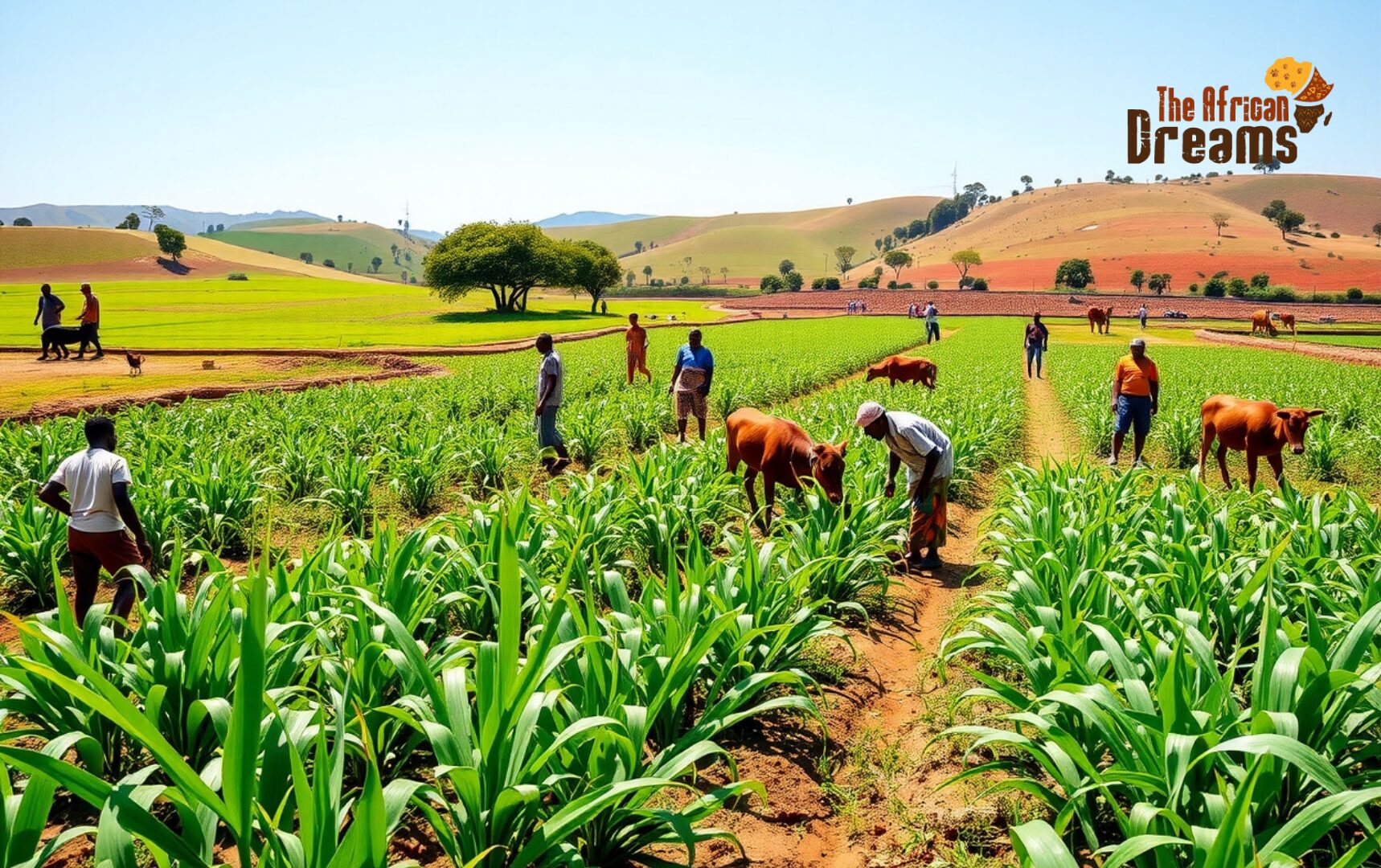
Angola has large areas of farmland and a great climate for growing crops. However, only 10% of its 35 million hectares of usable land are being farmed. The country is working to improve its farming sector. Angola’s diverse climate and fertile land offer great opportunities for growth and investment. In this blog, we will explore the success story of Manuel, a farmer from Huambo that shows the great potential of Angola’s agriculture.
Article Highlights
From Struggles to Success: The Story of Manuel
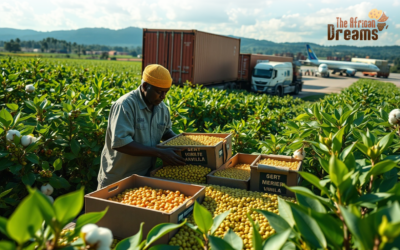
Manuel starts his day before sunrise, working on his maize and cassava fields. These crops have helped feed his family for many years. In the past, things were hard for him. Poor roads, no access to money, and old farming techniques made his life difficult. But things are getting better.
The government is helping farmers like Manuel by providing them with financial support and training. Manuel is part of the Angola Commercial Agriculture Development Project (PDAC), which allows farmers to improve their farming practices and access loans. Thanks to this, Manuel’s life is improving, and many investors are looking for the opportunity to invest in Angola’s agriculture.
Angola’s Agricultural Landscape
Key Crops and Livestock
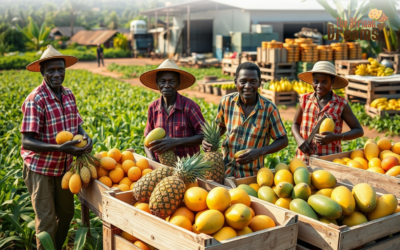
Angola is blessed with various crops that thrive in its tropical climate. The country’s primary crops include maize, soybeans, cassava (also known as manioc), rice, and a wide range of tropical fruits like bananas, pineapples, and mangos. These crops form the backbone of Angola’s food supply and have significant potential for both local consumption and export.
Additionally, Angola’s livestock sector holds great promise. The country has vast tracts of grazing land suitable for raising cattle, goats, and sheep. The poultry sector is also growing. The government sees livestock farming as a key area for development and is offering strong support for both poultry and cattle farming.
Government Support
The Angolan government wants to unlock the country’s agricultural potential. They have launched several programs to help farmers:
PLANAGRÃO (National Grain Plan): This plan aims to grow more maize, wheat, soybeans, and rice. The goal is to reach 6.1 million tons by 2027.
PLANA PECUÁRIA (National Livestock Plan): This plan focuses on increasing the production of poultry and eggs to reduce the need to import food.
PDAC (Angola Commercial Agriculture Development Project): Co-financed by the World Bank, this project helps farmers by building partnerships between banks and small farmers.
These government initiatives create an environment where smallholder farmers and large investors can thrive. The government’s dedication is evident in its budget allocation for agriculture and efforts to partner with international organizations. They aim to bring technology and expertise to modernize Angola’s agricultural practices, making it a fertile ground for investments.
Investment Opportunities in Angola’s Agriculture
Crop Production
Angola has rich soil, which is suitable for growing many crops:
Staple Crops: These are the primary food crops like maize and soybeans. They are important for local food supplies and exports.
High-Value Crops: Fruits like kiwi are in high demand and are sold at reasonable prices in the market.
The diversity of crops ensures that Angola can supply both local and international markets with fresh produce. For instance, the country’s fruit exports are growing steadily, and demand for tropical fruits such as pineapples and mangos is increasing globally.
Livestock Farming
Angola’s rising population and increasing urbanization are driving demand for animal protein. It makes livestock farming, particularly poultry and cattle, a profitable investment opportunity. Angola has vast areas of land suitable for raising livestock, and the government is actively supporting this sector with initiatives like PLANAPECUÁRIA.
Investors can consider setting up poultry farms to produce chicken meat and eggs, or cattle farms to meet the growing demand for beef and dairy products. Livestock farming also provides opportunities for creating value-added products like processed meats and dairy items sold locally or exported.
Agro-Processing
Agro-processing is another area ripe for investment. Agro-processing involves turning raw crops into finished products, such as maize, into flour or producing fruit juices from Angola’s abundant tropical fruits. Investing in agro-processing facilities can add value to raw agricultural products, reduce post-harvest losses, and create jobs in rural areas.
For example, an investor could establish a maize milling plant to produce flour for both local consumption and export. Similarly, a juice processing facility could use the country’s surplus tropical fruits to produce bottled juices for domestic and international markets.
Navigating Challenges and Solutions in Investing
Infrastructure Problems
Bad roads and a lack of storage have made it hard for farmers to get their products to market. However, the government is working with other countries and organizations to fix this. In Manuel’s village, new roads have made it easier and cheaper for him to sell his crops.
Limited Access to Loans
Like many small farmers, Manuel struggles to get a loan. New programs like PDAC make it easier for farmers to borrow from banks and invest in their farms.
Political and Bureaucratic Challenges
While the Angolan government is improving its policies, investors work with local officials to avoid bureaucracy. Building strong relationships with community leaders helps ensure smoother operations.
Why Invest in Angola’s Agriculture?
Investing in Angola’s agriculture can bring both profits and positive social impacts. Investors can benefit from:
Diverse Opportunities: There are many options, from crop production to agro-processing.
Government Support: The government is committed to supporting agriculture through programs like PLANAGRÃO and PDAC.
Sustainability: Sustainable farming practices can help investors ensure long-term success and support local communities.
Manuel and many other farmers now have the support they need, thanks to government programs. With these changes, Angola’s agriculture is becoming crucial to the country’s economy.
Final Words
Manuel is now proud of his maize fields. He has learned how to raise cattle alongside growing crops, helping him face challenges like bad weather.
For investors, the message is clear: Angola’s agricultural sector is full of potential. With large areas of farmland, strong government support, and opportunities in different sectors, Angola offers unique opportunities for growth and development.
Investing in Angola’s agriculture is not just about making money—it’s about unlocking the potential of a country and its people. Like Manuel, Angola’s agricultural sector is ready for a brighter future.
0 Comments