
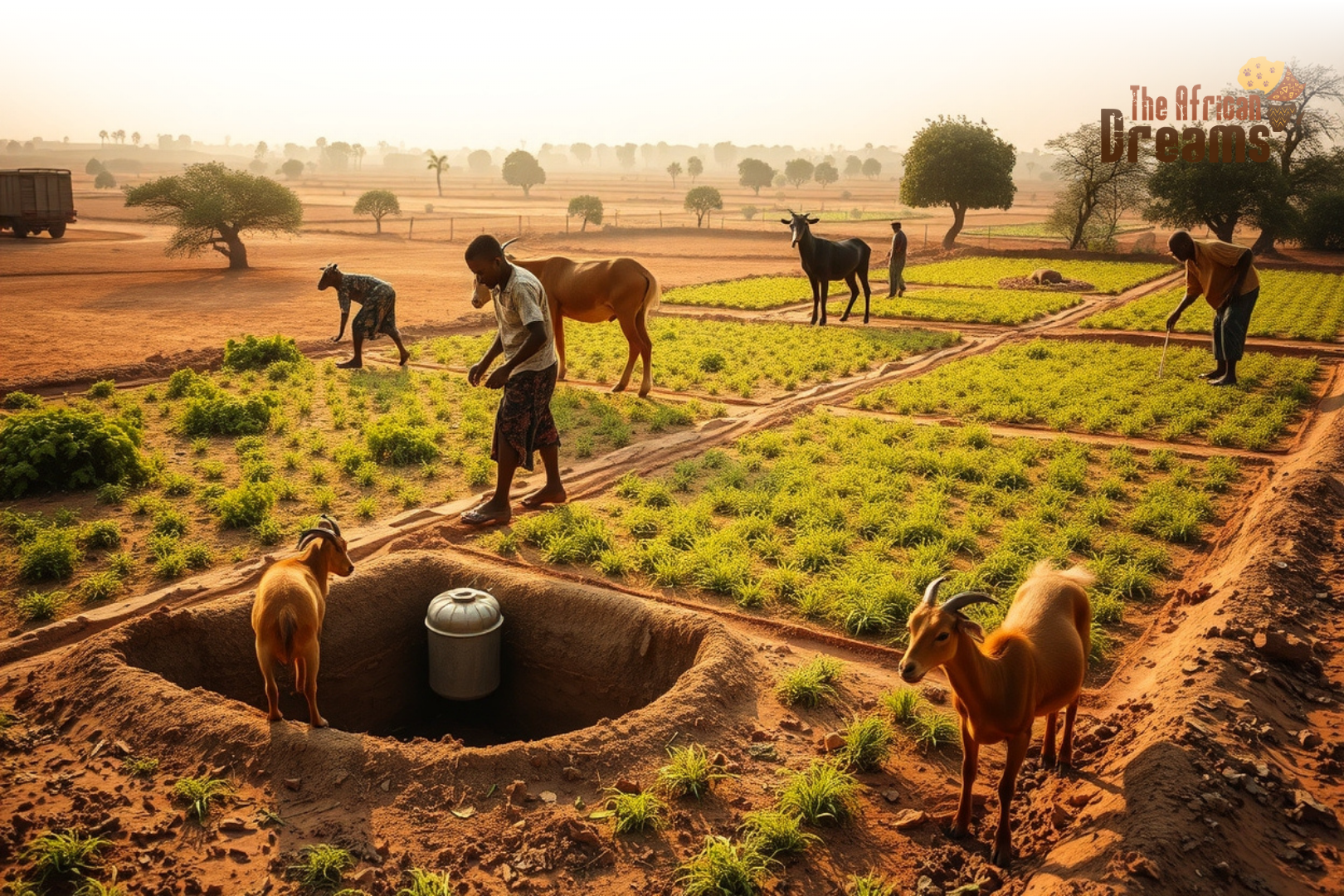
A silent revolution is happening at the core of Sudan. Farmers are sowing the seeds of hope for a sustainable future in the enduring fields of hard work and perseverance. This goes beyond planting crops. It is about transforming their cultivation practices for a greener future. The tale of sustainable farming in Sudan is a glowing reflection of the Sudanese work ethic. This is their journey of revival, resilience, and renewal. This blog will explore Sudan’s sustainable farming practices with some case studies.
Why Sustainable Farming is Necessary
Because farming is not a mere profession; it is the economic backbone of the country. Millions of people rely on farming to earn their livelihood and support themselves. Traditional farming can harm resources and threaten sustainability. Old agricultural practices deeply rooted in culture can sometimes lead to overuse. This damage is long-term. Soil erosion and the overuse of chemical fertilizers and pesticides deplete these resources. It results in lower productivity. The farmers in Sudan, with the help of some international and local organizations, have realized this dilemma. They are adopting sustainable farming to preserve the environment for future generations. Side by side, ensuring food security and economic stability. Let’s take a closer look at the key pillars that make sustainable farming successful.
Strong Foundation for Agriculture
Success in sustainable farming involves three elements. They are environmental, economic, and social sustainability. This approach promotes holistic farming management. It benefits the environment and its economic merits, leading to improved quality of life. It is our responsibility to look after and keep a healthy environment that produces our food. This encompasses methods like conservation tillage, agroforestry, and integrated pest management (IPM).
Sustainable farming practices are good for the planet and the economy. Imagine yourself as a farmer who wants to cut the production cost and gain more profit. The use of chemical fertilizers and pesticides means a decrease in the amount spent on their production. The emphasis on high-yielding crop species allows you to continue harvesting produce in harsh conditions.
Sustainable farming is locally oriented and represents the basis of the existing society. For Sudan, this would mean increased access to resources. It includes clean water and education, the promotion of gender equality, and the strengthening of smallholder farmers, who are the most vulnerable. Everyone benefits when sustainable farming strengthens and makes communities more resilient. When sustainable farming strengthens communities, the impact is seen firsthand in places like Malakal, where resilience and innovation are driving change.
Field Story: Malakal Sustainable Agriculture
This is a model of sustainability in practice observed on the ground in Malakal, Upper Nile State, South Sudan. It is one of the driest regions in West Africa, yet it experiences annual flooding. It presents issues related to a changing climate for agriculture. Thanks to Malakal and sustainable farming techniques! It includes community engagement and has become a successful model in Sudan.
- Until the 1980s, most insecticides for field corn were broad-spectrum pyrethroid and carbamate products. Today’s IPM (Integrated Pest Management) focuses on natural solutions. Genetic resistance has developed in many species to standard chemical applications in commercial agriculture. As a result, it can be less effective than earlier traits.
IFM (Integrated Freelance Management) in Malakal has been a critical example. Chinese farmers here have figured out how to fight pests with a mix of biological, cultural, and mechanical methods. It will reduce the use of chemical pesticides. This not only reduces production costs but also minimizes environmental damage and the negative health effects associated with pesticide use.
For example, Farmers plant pest-resistant crop varieties and practice crop rotation to break pest life cycles. They also deliberate on using natural predators, such as ladybugs, to manage large numbers of aphids. Those strategies have worked in recommendations for healthier plants with more manufacturing.
- The Malakal area has long experienced soil erosion, particularly when heavy rain washes away topsoil. Farmers, in response to this problem, have shifted towards conservation tillage. These practices reduce soil disturbance. This helps to keep the soil moist, leading to improved soil fertility over time. It has also changed the landscape, converting vast tracts of barren land into arable soil. This soil moisture, in turn, makes plants more resistant during dry periods, helping prevent crop failure.
- Agroforestry- A Green Way of Farming Ahead
The Malakal area has also adopted agroforestry to improve environmental sustainability. It enhanced transmission to economic security. Shades help reduce wind erosion and increase the organic matter content of the soil by decomposing leaves (for trees). It provides extra income from the sale of fruit and nut flavors as well as timber. In Malakal, farmers have been planting trees such as acacia and neem in their plots. The trees not only shelter the crops but also produce marketable resources. It is generating more income for rural families.
- Water Harvesting – The Transformative Power of Making a Virtue Out Of Necessity
Malakal is experiencing severe water scarcity as the wet season begins. Farmers, in response, have adopted water-harvesting techniques. It captures and stores rainwater for future use when the weather is dry by building small dams, tanks for rainwater, and pits, which will help in the process of infiltration.
This provides relief to smallholder farmers. A steady water supply helps them maintain agriculture during droughts. It increases their resilience and food security.
- In Malakal, integrating livestock into farming systems is an important strategy for sustainability. Symbiotic cultivation of crops and livestock can reduce risk in agriculture. Meanwhile, it increases family farming revenue. Goats, cattle, and poultry provide food and manure for crops. It is used to fertilize the land, reducing chemical use in farming.
A comprehensive food security resilience program has contributed to the ability of families in Malakal to earn a steady wage even when they face challenges such as fluctuating crop prices and climate change.
To sum it up, the significant benefits of sustainable farming in Malakal have established a successful model. It should be replicated across Sudan. They have significantly enhanced agricultural production and resilience in local communities by prioritizing environmental stewardship, economic viability, and social responsibility.
Final Words
Sudan is still dealing with climate change and economic fragility. There is a lot to learn from Malakal. As Sudan works to leave wealth and betterment for future generations, it must consider the impact of climate change. The country should ensure a healthy environment in agriculture, not just for the local community, but for those who come after them. By adopting sustainable farming, Sudanese farmers protect their future and the environment. Malakal’s farmers show how community innovation can overcome challenges. Hopefully, Sudan will ensure a legacy of hope and sustainability for generations to come.
0 Comments