

Introduction
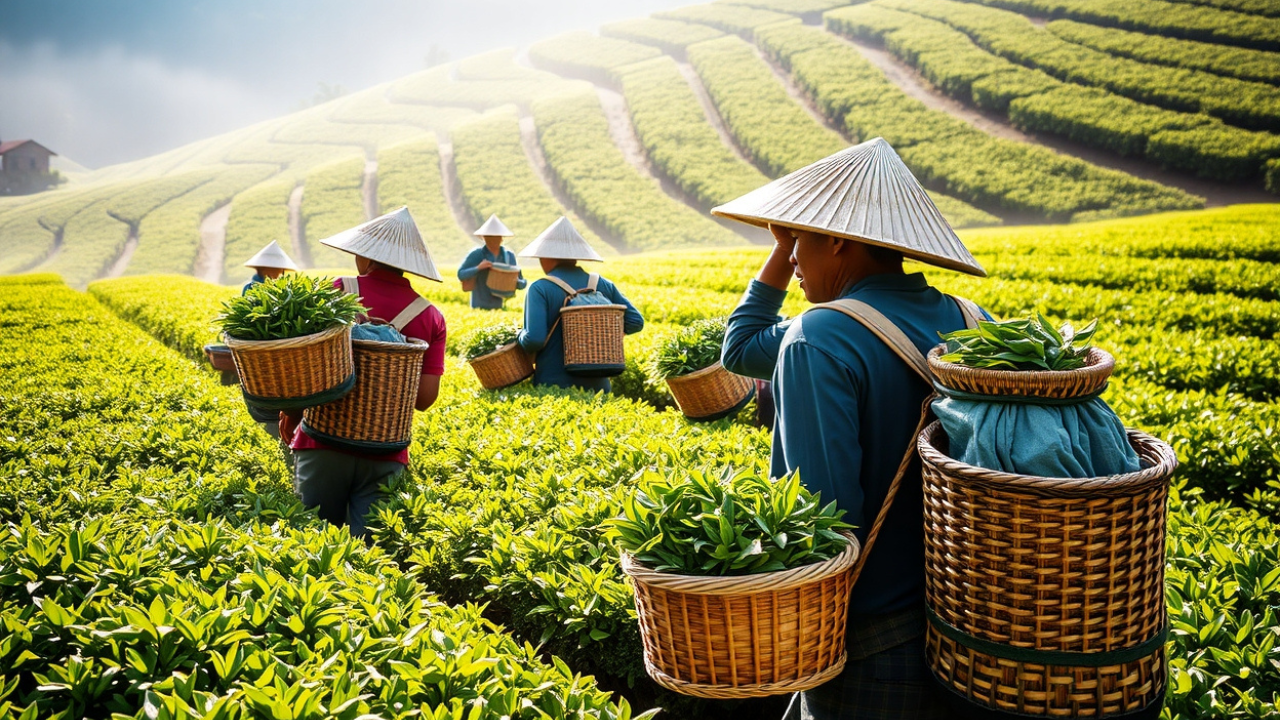
Renowned for its vibrant landscapes, Kenya thrives as a global leader in tea production, significantly impacting its economy. As of 2023, the tea industry remains a cornerstone of Kenya’s agricultural exports, contributing around 23% to the nation’s foreign exchange earnings. The sector supports the livelihood of millions and stimulates economic activity across various regions. This blog will discuss the development of the Tea industry in Kenya.
Growth of the Tea Industry in Kenya
From 2022 to 2023, Kenya witnessed a substantial growth in tea exports, with export volumes increasing by 19%.
This increase is due to growing demand in both well-known and new markets. The industry also earned more from exports. Export earnings rose to about USD 1.4 billion in 2023, up from $950 million the year before.
This growth shows efforts to improve the quality of Kenyan tea. It also reflects a push to expand its presence around the world. Steps have been taken to reach more markets and focus on sustainability. These efforts aim to ensure long-term growth for this important sector.
If you want to know the best businesses in Kenya, you can read the Top 10 Businesses in Kenya.
The Challenges faced by the Kenyan tea industry
The Kenyan tea industry faces a pressing challenge from climate change, which poses the most severe threat to its sustainability.
- Increased frequency of drought and unpredictable weather patterns has led to fluctuating tea yields, directly impacting farmers’ livelihoods and the sector’s overall economic stability.
- Another significant challenge is the technological disparity across smallholder farms. Many farmers in critical regions like Kericho and Nandi are operating below their potential due to outdated farming techniques and a lack of access to modern agricultural technology, which hampers productivity and efficiency.
- Market volatility also presents a considerable challenge, with global tea prices subject to dramatic fluctuations due to political unrest in significant buying countries and changes in international market demand. This volatility makes it difficult for producers to forecast earnings and plan for the future.
- Lastly, the rising production costs, especially labour, strain the industry. The escalating cost is driven by inflation and the increasing need for sustainable wage practices, which, while necessary, place additional financial pressure on tea producers.
The Solutions
To combat the severe impacts of climate change, Kenya’s tea industry has implemented comprehensive environmental sustainability programs. These initiatives include promoting biodiversity conservation, sustainable land management, and restoration projects in key tea-growing areas like the South West Mau Forest to ensure the health and longevity of tea farming environments.
Technological improvements are also crucial in addressing the efficiency gaps on smallholder farms. With support from the Kenya Tea Development Agency, farmers are gaining access to modern farming technologies and comprehensive training programs designed to enhance agricultural practices and boost productivity.
The industry is diversifying its export markets and boosting local consumption in tackling market volatility. Strategic efforts such as branding and direct marketing initiatives have been developed to create new international markets. Establishing the Kenya-China Tea Trade Centre is a notable effort to increase the Asian market share.There has been a push towards mechanisation and implementing sustainable wage practices to manage rising production costs. These measures are intended to reduce reliance on manual labour, thereby increasing efficiency and reducing the financial strain caused by high labour costs.
Implementation
Implementing strategies within Kenya’s tea industry involves a series of targeted actions designed to tackle identified challenges effectively. Each step is illustrated with specific examples to provide clarity on how these strategies are being put into practice:
- Environmental Sustainability Initiatives:
- The partnership with the Initiative for Sustainable Landscapes (ISLA) by The Sustainable Trade Initiative – IDH is steering restoration efforts in the South West Mau Forest ecosystem. This project aims to promote biodiversity conservation and sustainable land management practices.
- Technological Upgrades for Smallholder Farms:
- Deployment of precision agriculture tools and training programs by the Kenya Tea Development Agency to enhance yield and efficiency. This includes introducing drone technology for aerial surveillance and data collection, allowing farmers to make informed decisions about crop management.
To know more about the technology sector in Kenya, you can read, Technology Sector of Kenya: Africa’s Next Big Thing in Innovation.
- Market Diversification and Branding Efforts:
- Launching the Kenya-China Tea Trade Centre facilitates direct trade and marketing of Kenyan tea in China, increasing its footprint in Asian markets.
- Branding campaigns that include the creation of a distinct mark of origin for Kenyan tea to improve its recognition and acceptance in new and existing markets.
- Cost Management through Mechanization and Sustainable Wage Practices:
- Introduction of mechanised tea plucking and processing equipment in regions like Kericho to reduce dependency on manual labour and enhance production efficiency.
- It implements sustainable wage models that align with international labour standards to ensure fair compensation for workers, thus improving workforce morale and reducing turnover rates.
Each implementation step is critical in transforming Kenya’s tea industry, helping it achieve economic growth and environmental sustainability.
The Results
The strategic implementations within Kenya’s tea industry have led to tangible, positive outcomes. These implementations also enhance the sector’s economic footprint and sustainable practices.
- The introduction of environmental sustainability programs has significantly increased the preservation of critical habitats and biodiversity areas. This is crucial for maintaining the ecological balance for tea cultivation. This secures long-term productivity and quality.
- Technological advancements have markedly increased efficiency on smallholder farms. With modern farming technologies, such as precision agriculture, smallholders have reported higher yields and improved quality of tea. This translates into better market prices and enhanced livelihoods.
- The efforts to diversify markets have paid off with a 19% surge in tea export volumes in the first quarter of 2024, highlighting the success of entering new markets like China and strengthening the presence in traditional markets.
- Additionally, branding initiatives have successfully raised the profile of Kenyan tea globally. These initiatives contribute to its recognition as a premium product on the international stage.
These results highlight the effectiveness of the adopted strategies, showing Kenya not just as a leading tea producer but also as a model for sustainable agricultural practices in the global tea industry.
Final Remarks
The Kenyan tea industry’s journey toward sustainable growth and market expansion illustrates a proactive approach to overcoming global challenges. The strategies implemented have stabilised the industry and set a benchmark for others to follow.
As Kenya continues to lead in tea production, the focus on sustainability, technological integration, and market diversification remains crucial. These efforts ensure that the tea sector survives and thrives in the face of global economic shifts and environmental concerns.
The industry’s ability to adapt and innovate will be vital to sustaining its growth and maintaining its global market position. The ongoing success of these initiatives promises a robust future for Kenyan tea, making it a model of resilience and sustainability within the international agricultural landscape.
To start a business in a country, you need to have a primary idea of starting the business. And we are here for you to help. Check out the Top 10 reasons to invest in Kenya

0 Comments