
Uganda’s Smallholder Farmers: Contributing to the Food Security
Uganda’s smallholder farmers are the pipeline of food security for minor communities there. In a country that relies heavily on income from agriculture, every farmer counts. However, the reality is that these smallholder farmers are somewhat neglected in the long run to digitalize and develop agriculture in Uganda. They face many challenges that reduce their ability to contribute to sustainable agriculture and improve their communities’ livelihood.
These challenges impact overall rural poverty and food security situations. Addressing these problems and getting Uganda’s smallholder farmers out is necessary for the country’s development.
With limited land and mostly relying on raising livestock or fish, these farmers have struggled to earn a living in the economy. What are the challenges that smallholder farmers face and the ways out? Let’s talk about it.
Article Highlights
Discussing the literacy and resource challenges of Uganda’s smallholder farmers.
Identifying the policy and institutional barriers that create the environment to neglect these farmers.
Pointing out the financial challenges
Advising on how to empower Uganda’s smallholder farmers to maximize their utility in the economy.
Uganda’s Smallholder Farmers: What do They Produce?
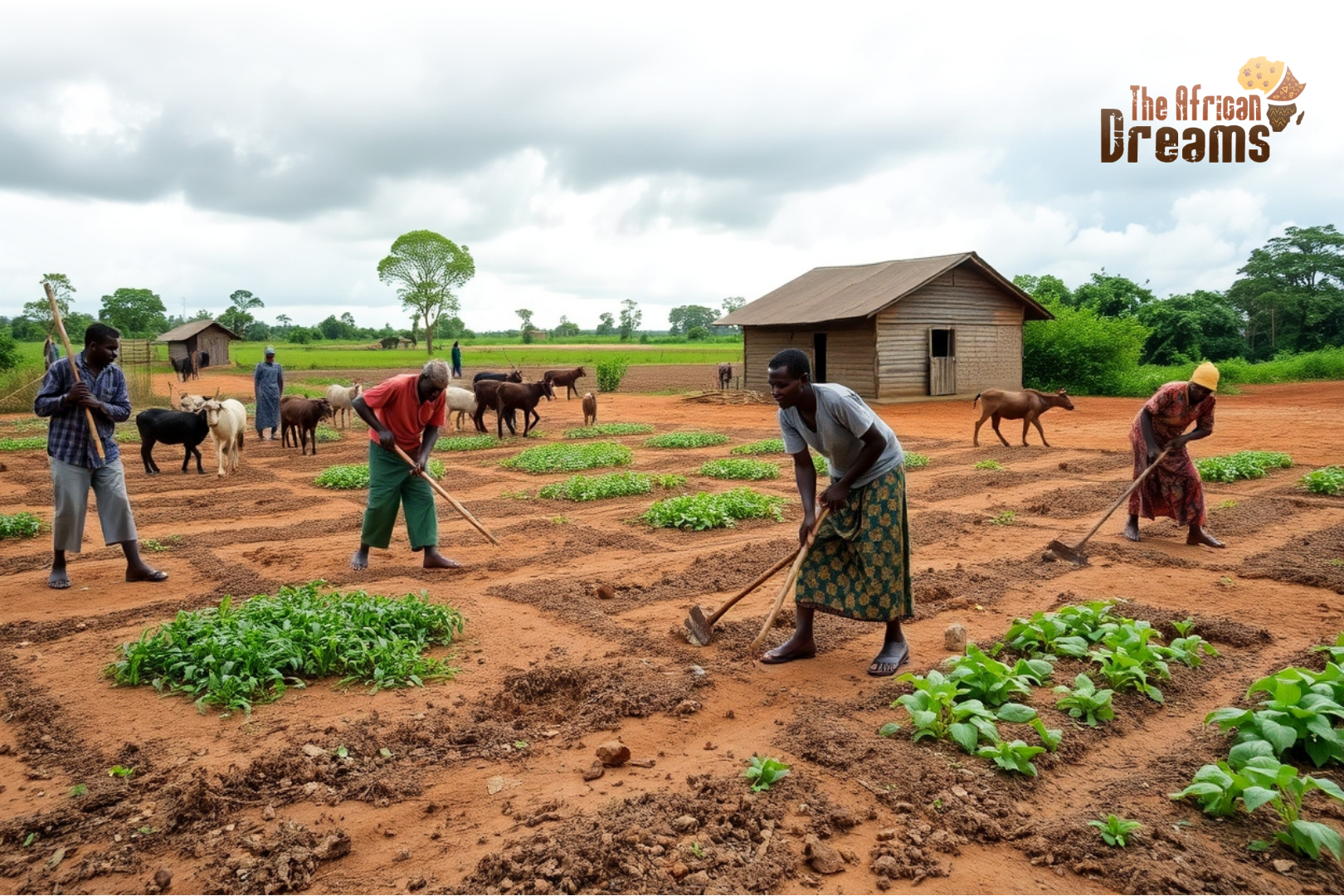
A large number of Ugandan people work in agriculture. More than 70% of the population relies on farming for their livelihood. The number of family farms in the country is above three million. However, many smallholders are among the poorest communities of the country.
These farmers and their relative community are the ones who suffer from hunger because they live under the poverty line, which is 1.25 dollars per day. Uganda’s smallholder farmers are those who farm on small family land that has been passed down through generations. Their main produce is raised animals, fish, vegetables, and often fruits.
They mostly use traditional tools like hoes and machetes and rely on rainfall to water their crops.
Despite facing many challenges, they work hard to provide food for their community, even amid unpredictable weather and market conditions. They are the heroes of small communities and people who live in remote areas.
Challenges Faced by Uganda’s Smallholder Farmers
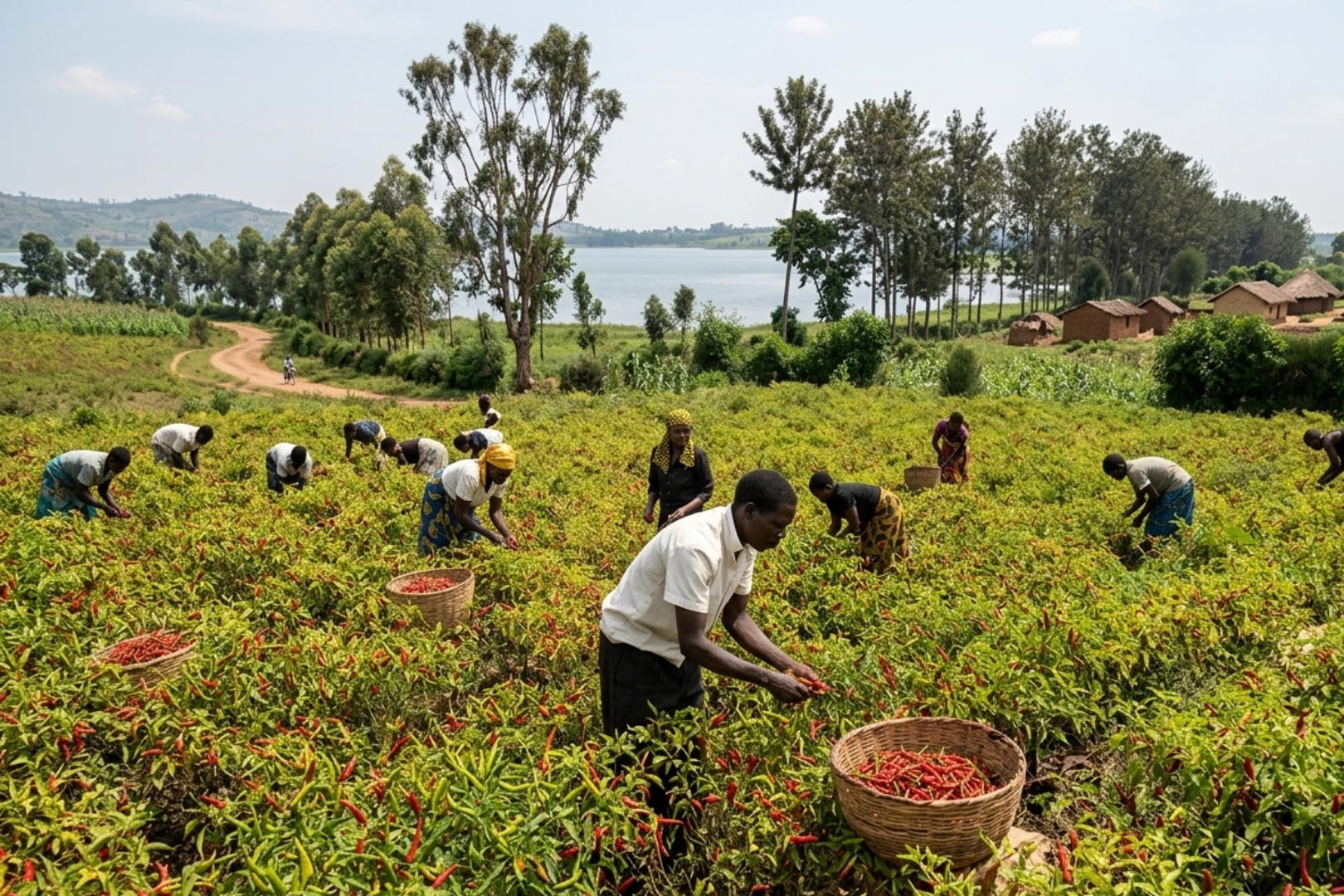
Uganda’s smallholder farmers not only face environmental constraints but also lack resources and financial stability. So what are these challenges that plague smallholder farmers?
1. Limited Resources and Reliance on Nature: The first problem that these farmers face is resource constraints. It is no secret that Uganda’s smallholder farmers mainly farm on their family land, which is insignificant compared to the land agribusinesses acquire. The land tenure system is also at fault. Policies in the land distribution system in larger agribusiness whose faces are these farmers are also questionable.
2. Lack of Modern Fertilizers and Hybrid Seeds: The lack of seeds and fertilizers for their crops is another blunder. Uganda’s smallholder farmers lack access to modern fertilizers and hybrid seeds that can withstand the toughest conditions. The use of fertilizer is very low among them. Even if they are financially capable of acquiring fertilizers and seeds, the retail market produces an average quality of these items.
3. Inadequate Equipment: Uganda’s smallholder farmers also lack enough access to equipment for production, processing, and storage. The high cost of irrigation equipment within the country makes farmers helpless to rely on traditional ways to produce crops.
4. Climate Change: In recent years, climate change has made weather patterns unpredictable. These weather conditions make it difficult for farmers to maintain a steady planting and harvesting cycle. This reduces their yields and affects the income and food security of these communities
5. Land Degradation: Uganda is a country that is mostly made up of arable land. But the land degradation of forests and croplands back in the day still impacts over 15% of the national population. Farmers and agribusinesses have yet to make up for the diminished agricultural productivity.
6. Pest and Disease Outbreaks: Pest and disease outbreaks are also of concern for Uganda’s smallholder farmers. Using hazardous pesticides puts their communities at health risk. On the other hand, they are forced to use these to produce enough to feed their families and communities.
7. Market, Financial, and Policy Barriers: Price fluctuations are serious issues for smallholder farmers. Smallholder farmers are often forced to sell their crops or produce during harvest season at low prices. Since most of them do not own any storage equipment, they cannot store any produce to sell during planting season and rely on backyard produce as their main food source.
There are producer organizations in the country that seek to provide profitable markets for farmers. But only about half of them get to use their services. Market accessibility needs to be open for these smallholder farmers because most of them still sell to traders and middlemen at lower prices before their produce starts to rot.
These farmers’ lack of access to credit is a discernible situation. Mobile and agent banking services are not friendly enough towards agricultural work. Farmers face a lot of hurdles when trying to get a formal loan.
There’s also little incentive to expand insurance. Insurance systems in Uganda are unpopular among farmers because they mostly fail to get a payout.
The Ways Out: Empowering Uganda’s Smallholder Farmers
Over the years, many agencies and international companies have come forward with a vision to empower Uganda’s smallholder farmers.
Organizations like AGRA provide goods and services to smallholder farmers to increase their productivity and income. They train workers and community-based agents to meet the need for extension workers. This is important not only for Uganda but also for the greater African region. These agents work as liaisons to ensure technologies and innovations reach smallholder farmers.
What the smallholder farmers need the most is a farmer association that does not discriminate. They will be able to address challenges and enter markets that they previously could not collectively address. They will also be able to share information and equipment to foster the needs of the collective.
To address the resource constraints, the government needs to make organizations adhere to their policies. The Micro-Scale Irrigation Program is a prime example. They give out partial subsidies and access to information.
Developing water resources in remote areas is also important. Kawacom and Taylors of Harrogate have installed clean water taps in 16 villages. They also put hand-wash stations in schools for coffee farmers in the Sipi region. The project’s focus is clean water, sanitation, and hygiene.
Market accessibility needs to be open for these smallholder farmers so they can get their desired prices. Mobile and agent banking services need to be designed to encourage smallholder farmers to use them.
To address the environmental challenges, the government needs to strengthen the warning systems for extreme conditions. This can play a huge role in reducing the impact of both floods and droughts. They can also take the initiative to promote crop diversification and constant rotation.
With the support of government, local communities, and organizations, Uganda’s smallholder farmers stand strong with their utmost dedication. They are contributing relentlessly ensuring food security and market growth.
Final Words: Uganda’s Smallholder Farmers Paving the Way
The challenges Uganda’s smallholder farmers face certainly impact the livelihood of a majority of Uganda’s agricultural sector. Addressing these issues at this stage of the country’s development is something they cannot ignore.
Although Uganda is on a good path to reaching self-sufficiency, for a country to truly prosper, it needs to uplift the remote and neglected communities. Uganda’s smallholder farmers fall in that category and need outside intervention and help to prosper and provide for the development of the country.
However, recent developments have created exciting improvements and opportunities in the agricultural sector. The Ugandan government and international partners have launched initiatives to modernize farming practices, enhance value addition, and improve infrastructure. These efforts aim to attract both local and foreign investors. It can help Uganda’s rich agricultural resources while contributing to the sector’s growth.
It is clear that Uganda’s agricultural sector has excellent potential, thanks to smallholder farmers and the collective efforts of local communities and governments. All of these will result in business growth and positive social change.





0 Comments