

Introduction
Fishing is a really important part of the Comoros’ economy. Comoros is surrounded by the Indian Ocean, and as a result, the country has a long coastline of 427 km. More than 8,000 people in the Comoros depend on fishing. Seafood is also a big part of the local diet of the people of Comoros. But the fishing sector in Comoros is still growing. Fishermen use traditional boats and simple tools to catch fish. This simply means that Comoros does not fully use its ocean resources. Because of this, fish exports are low compared to other coastal nations.
There is a huge potential to grow the fishing sector with better boats and modern equipment. Investors can help develop better fish farms and expand commercial fishing. They can also invest in better processing plants for fish and set up seafood export businesses. The government is offering incentives for foreign investors, making it easier and more profitable to invest in this sector.
With the right investments, Comoros can easily become the leading seafood exporter in that region. This could create jobs and ensure food security for local people.
Current State of the Fishing Industry in Comoros
Fishing secures food for the local people of Comoros. Fishing also helps the people of Comoros to earn a living, and this makes the industry an important part of the economy of Comoros.
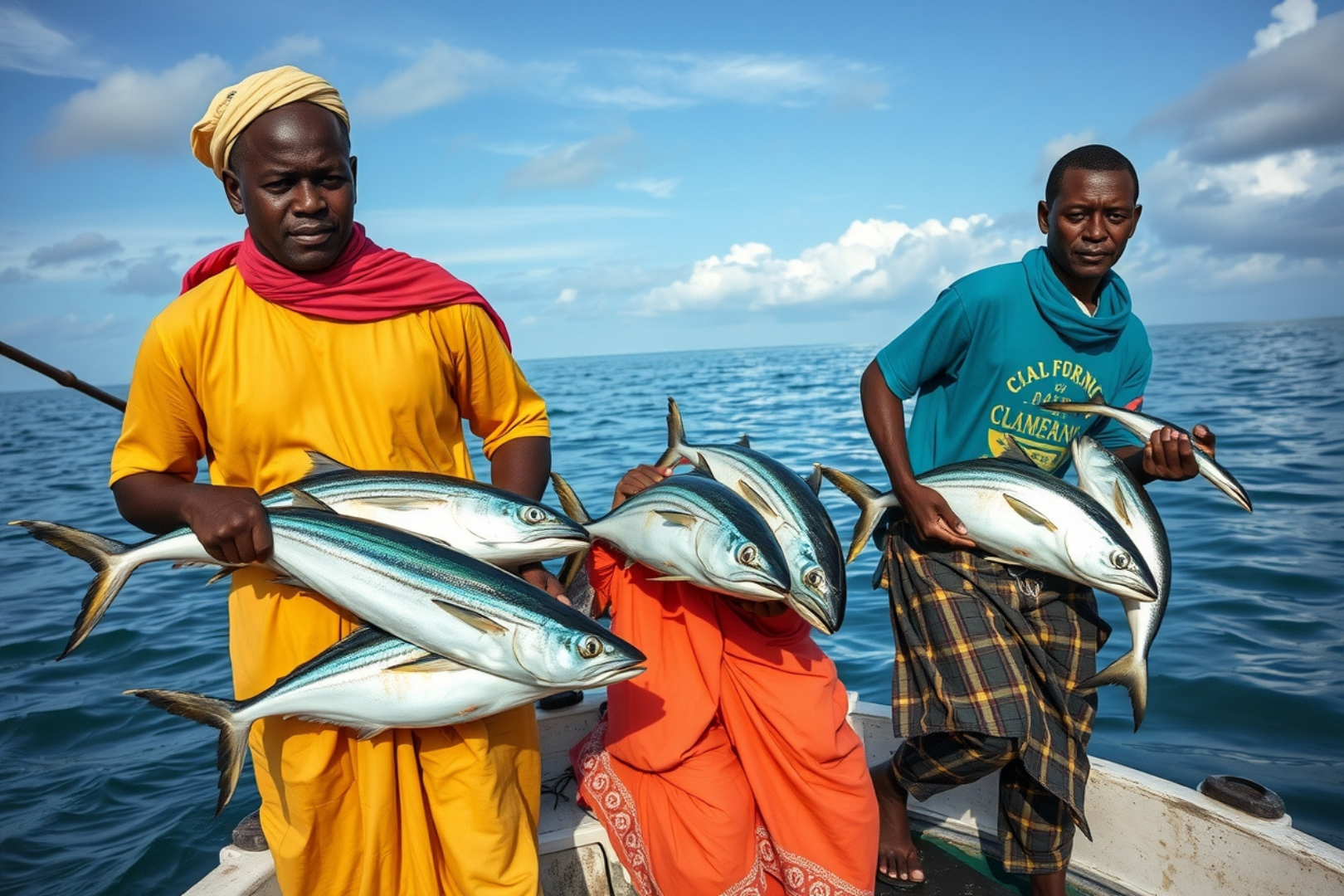
Comoros produces nearly 16,000 metric tons of fish each year. But if the fishermen of Comoros used the advanced equipment along with better boats, they could have doubled that number. That means Comoros has the potential to produce 33,000 metric tons of fish each year.
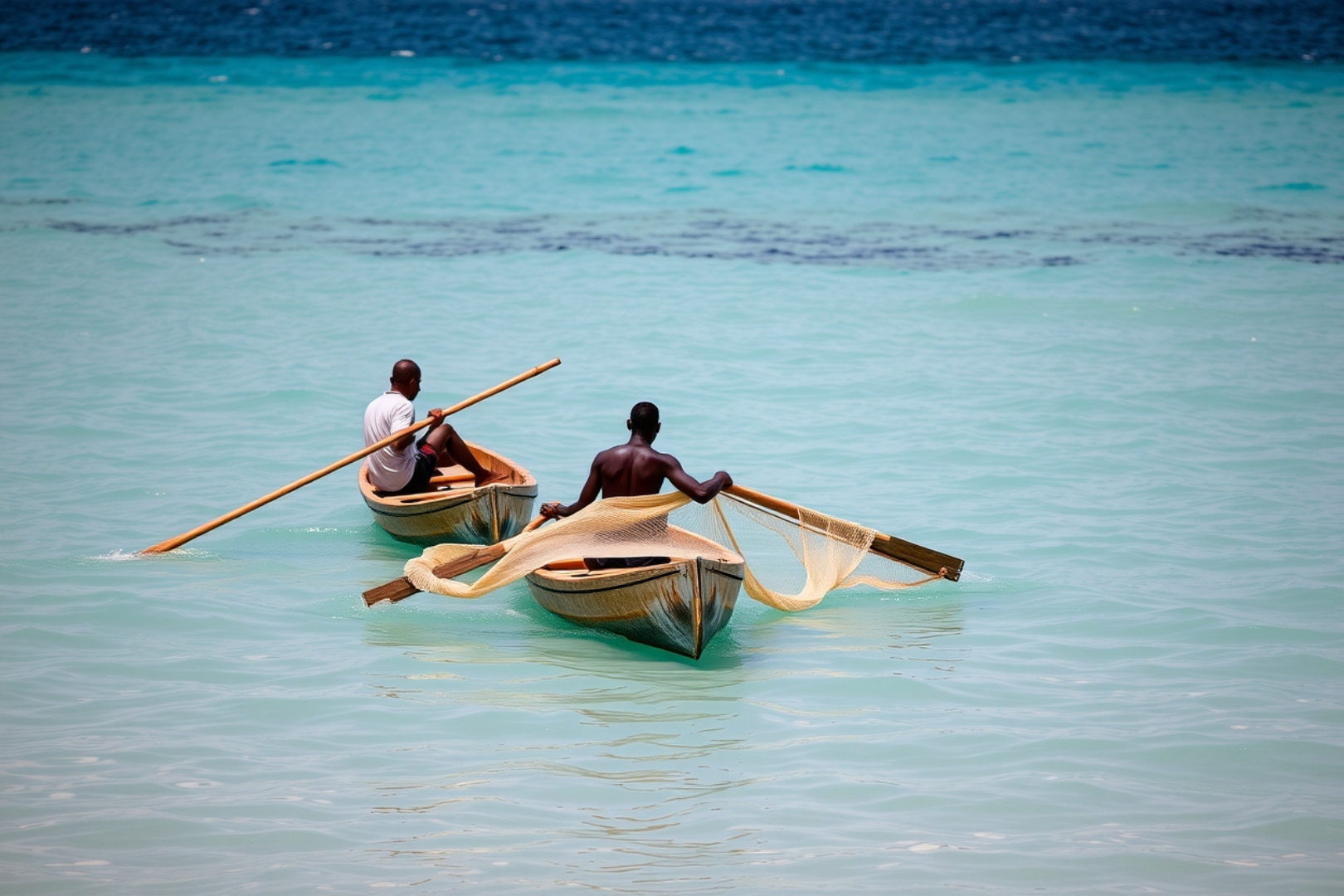
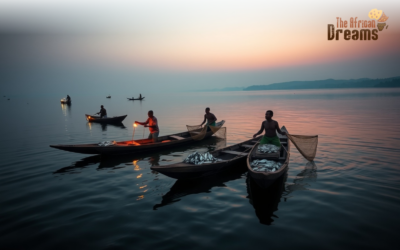
Most fishing in Comoros is small-scale, meaning fishermen use traditional wooden boats and equipment to fish. Comoros has nearly 6,000 boats and 12,000 fishermen. Most of the time, the fishermen of Comoros fish close to the shore and only do day trips. The traditional wooden boats that they use do not have any refrigeration system, so after fishing a session, they quickly return to keep the fish fresh.
As a growing sector, fishing faces some challenges. Fishermen of Comoros are unable to go further out in the sea, which causes overfishing near the coast. This significantly reduces the number of fish in the coastal areas. For a good amount of fish, fishermen of Comoros have to go further out in the sea. But their traditional wooden boats and old fishing tools are the main reasons they can’t go deep in the sea. Lack of modern fish storage also leads to losses. Without proper storage, fish can spoil before even reaching the market.
Despite these challenges, fishing still remains a crucial part of the economy of Comoros. It provides jobs and food for many people of Comoros. With the right investments from the right investors, the industry can grow and reach its full potential.
Challenges Facing the Fishing Industry in Comoros
The fishing industry in Comoros faces several challenges that slow down the growth of this sector.
- Outdated Equipment and Infrastructure: Most fishermen in the Comoros use traditional wooden boats and simple fishing tools. These limit their ability to catch more fish. Comoros also lacks modern facilities for storing and processing fish. All of these lead to reduced income.
- Limited Financial Support: Fishing does not get enough financial support from the national budget. This makes it harder for the fishermen to produce more fish because it is hard to get better equipment or boats with this support.
- Overfishing and Environmental Concerns: Overfishing near the coasts has reduced the number of fish significantly. This forces the fishermen to go further into the sea for more fish. Illegal fishing practices also reduce the number of fish.
- Energy Shortages: Comoros faces frequent power outages every now and then. This badly affects the cold storage facilities. This leads to fish spoilage. Electricity is crucial for preserving fish, but the state electricity companies struggle to fulfill the need.
- Lack of Coordination: Many state agencies are involved in fisheries management. There is a huge lack of coordination among these. This leads to inefficiencies and slows down the growth of this sector.
Investment Opportunities in Comoros' Fishing Industry
Comoros’ fishing sector offers several promising areas for investment.
- Modern Fish Processing Facilities: Comoros catches nearly 16,000 metric tons of fish every year. But it could reach 33,000 metric tons if better processing systems were in place. Right now, a lot of fish get spoiled because there are not enough cleaning, freezing, and packaging plants. Investors can build modern fish factories to reduce waste and make fish ready for export.
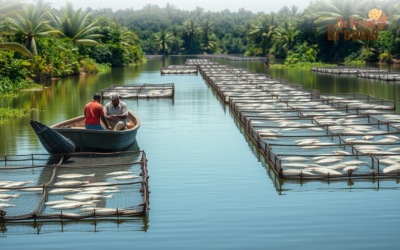
- Growing Fish Farms (Aquaculture): The fish industry of Comoros is not that big yet. But fish farming can increase production and supply to people and the market all year round. Investors can start fish farms for high-demand species like tuna and snapper.
- Better Equipment: Most fishermen in Comoros use small traditional boats, and they do not use any advanced or modern tools for fishing. They have around 6,000 boats in Comoros for fishing, but these boats were not built for deep-sea fishing. Investors can bring modern boats with refrigerators built for deep-sea fishing. These will keep the fish fresh, and fishermen can store more fish and go deeper into the ocean. These would increase profits for both local sellers and exporters of the fish.
- Cold Storage and Fish Transport: Since there are no big cold storage facilities, fish must be sold quickly. This lowers fish prices and causes waste. Investors can set up cold storage and transportation to keep fish fresh. This will help fishermen earn more income and allow fish to be sold in markets which are far away.
- Selling Fish to More Countries: Right now, Comoros does not export enough fish. If investors build export facilities and meet international standards, Comoros can sell fish to Europe, Asia, and other markets. This can bring in more money and make fishing a leading industry in Comoros.
- Fishing and Tourism Business: Fishing and tourism can actually work together really well. Investors can create eco-tourism projects where visitors go fishing, learn about marine life, and buy local seafood. This will bring more tourists and extra income to the people of Comoros.
Government Support and Policies for Foreign Investment in Fisheries
The government of Comoros is encouraging foreign investment in its fishing sector. They are focusing on adding value to this sector by building modern facilities, such as new cold storage systems and ice machines. These improvements aim to boost the fishing industry.
In the year 2010, fisheries were highlighted as a very important sector to attract foreign investments. The National Investment Promotion Agency (NIPA) is the main government body responsible for promoting investments in Comoros. NIPA monitors the foreign investments and serves as a link between the investors and the government.
These initiatives show Comoros’ commitment to creating a great environment to welcome foreign investors in the fishing sector.
Success Stories
While private foreign investments in Comoros’ fishing sector are still developing, some of the major projects in this sector have ensured good returns and profits. These investments improved ports, trained fishermen, and made exports easier. This means future investors can earn good profits.
- African Development Fund’s Port Modernization Project: In August 2024, the African Development Fund approved a $135 million grant to the Union of the Comoros to extend and improve the ports of Moroni and Boingoma. This project aims to enhance national and international connectivity. This project provides a more attractive environment for future private investments in the fishing sector.
- World Bank’s CoReCSuD Project: The World Bank’s CoReCSuD Project, with $2.73 million from the Japanese Social Development Fund, helped improve fishing in Comoros.
By 2015, about 6,000 fishermen learned better fishing methods. The project also helped 29 villages create plans to manage fish resources. These changes protected fish stocks and made fishing more sustainable. This also helps future investors, as the fishing industry now has a stronger resource base for growth.
Challenges Foreign Investors Might Face and How to Overcome Them
While investing in the fishing industry of Comoros, investors might face some challenges.
- Limited Infrastructure: Comoros’ fishing infrastructure is underdeveloped, with limited specialized services.Investing in modern facilities such as landing sites, cold storage, and ice machines can increase the value. Investors can collaborate with the Comorian government to improve the infrastructure.
- Environmental sustainability: If fishing is not done carefully, it can hurt fish populations and damage the ocean. Using better fishing methods and supporting local fishing programs can help keep fish stocks strong for the future. Investors can also invest in projects that promote sustainable fishing.
- Dealing with Rules and Permits: Sometimes it can be hard to follow all the rules and obtain all the permits in Comoros on time.Working with the local legal experts can solve this problem and make things easier. Talking to government offices can also help investors get approvals faster.
- Market Access: Limited access to the international market can reduce the profit for the investors. Investing in better quality control, certification, and marketing can help Comoros export more fish than ever before. Making connections with buyers in Europe, Asia, and Africa will also increase profits for the investors and the fishermen.
- Financial Constraints: It can get a little bit difficult to get large loans for fishing projects in the Comoros. The main reason behind this is the country’s small economy. Investors can work with global organizations that give low-interest loans or grants. Showing support for local fishermen and the environment can also attract social impact investors.
Conclusion
The fishing and aquaculture industry in Comoros has huge potential for growth, but it still faces many challenges, like outdated tools and equipment, a lack of cold storage and very limited exports. The marine life of Comoros is very rich, but due to the lack of advanced tools and proper utilization, this sector is falling behind. However, the sector has the potential to be the leading industry of Comoros.
Foreign investors can play a very important role in modernizing fishing, building storage facilities and expanding seafood exports. These improvements will increase the profits, create more jobs and strengthen the economy of Comoros.
Many countries around the world want fresh, high-quality seafood. Comoros can become the next big seafood supplier with the right support and investment. If the investors invest now, the businesses can get a great start and ensure huge profits in the future. As infrastructure improves and exports grow, Comoros will very soon turn its fishing industry into a profitable and sustainable sector for the future.
FAQs
1. Why is fishing in Comoros a good business?
Comoros has lots of fish, but fishing is still done in a simple way with small boats and no modern tools. This means big chances for investors to bring better boats, fish farms, and cold storage. Investors can secure healthy profits by investing in this sector.
2. What problems might investors face?
Some big problems are no cold storage and old boats. But these can be fixed by using modern equipment, working with local fishermen, and using government programs that support businesses.
3. What fishing businesses can bring good money?
Some of the best ways to invest and earn are:
Buying better boats so fishermen can catch more fish.
Building fish factories to freeze and pack fish for selling.
Making cold storage units to keep fish fresh for longer.
Starting fish farms to grow fish all year round.
4. Does the Comoros government help foreign investors?
Yes! The government is working with big organizations like the World Bank and the African Development Fund to improve ports and make business easier. Investors also get tax cuts and better trade rules.
5. How can investors sell seafood from Comoros to other countries?
Investors can sell fish to Europe, Asia, and the Middle East by following international seafood quality rules. Building better storage and export systems will help Comoros send more seafood and make more profit.


0 Comments