
Introduction
Zimbabwe is a country rich in culture, natural resources, and history. It is known for its beautiful landscapes. However, Zimbabwe faces many challenges like climate change, droughts, floods, and political instability. In Zimbabwe, resilience building is a key part of national development plans. Through different programs, many organizations are helping farmers, businesses, and families prepare for the future. They are teaching new skills, providing resources, and supporting innovation in farming.
This article explores the efforts being made to build resilience in Zimbabwe. We will look at how preventive measures are being put in place, how communities address challenges, and how they absorb shocks when disasters strike. We will also explore how people adapt and transform to create a stronger, better Zimbabwe, highlighting the important work the Food and Agriculture Organization (FAO) is doing.
Article Highlights
Understanding resilience and its importance in Zimbabwe
Exploring FAO’s resilience-building program in Zimbabwe
Examining preventive, anticipative, absorptive, adaptive, and transformative capacities
Simple explanations for easy understanding
Practical examples and an inspiring conclusion
Why Resilience Matters in Zimbabwe
Zimbabwe is a country filled with natural beauty, proud history, and hardworking people. From the grand Victoria Falls to the peaceful Eastern Highlands, Zimbabwe has much to offer. Yet over the years, the country has faced many hardships — economic challenges, political instability, droughts, floods, and now the growing effects of climate change. These challenges have made the idea of resilience more important than ever.
Resilience means the ability to recover from difficult situations. It is the idea to adapt to changing situations and to come out stronger. It is about preparing for challenges before they happen, absorbing shocks when they come, adapting to new realities, and even transforming society to create a better future.
Across Zimbabwe, organizations like the Food and Agriculture Organization (FAO), working with government bodies and community leaders, are helping to build resilience. These efforts are giving farmers better tools to survive droughts, helping families save money for hard times, and encouraging new ways to farm and earn a living.
Country Context: Zimbabwe
Zimbabwe is in Southern Africa. The country has a population of around 16 million people. Agriculture is very important to Zimbabwe’s economy, with most people living in rural areas and depending on farming for their livelihoods. However, agriculture in Zimbabwe faces many challenges.
In recent decades, Zimbabwe has been hit hard by climate change. Droughts have become more frequent and severe, affecting food production. The country also faces economic problems, which made it harder for people to invest. Political instability is also another issue the country faces.
Despite these challenges, Zimbabweans are known for their resilience. People of Zimbabwe continue to work hard and support each other. By strengthening resilience, Zimbabwe can overcome its challenges.
The FAO Resilience Building Program in Zimbabwe
In Zimbabwe, the Food and Agriculture Organization (FAO) been working closely with the government, local organizations, and international partners to build resilience among locals.
Let’s discuss some key areas of FAO’s work.
- Training Farmers: FAO provides training programs for farmers so they can understand farming better. They learn about climate-smart agriculture techniques. By using these techniques, farmers can grow food in poor conditions.
- Disaster Risk Reduction: FAO helps communities prepare for disasters by teaching them how to protect their crops and other assets.
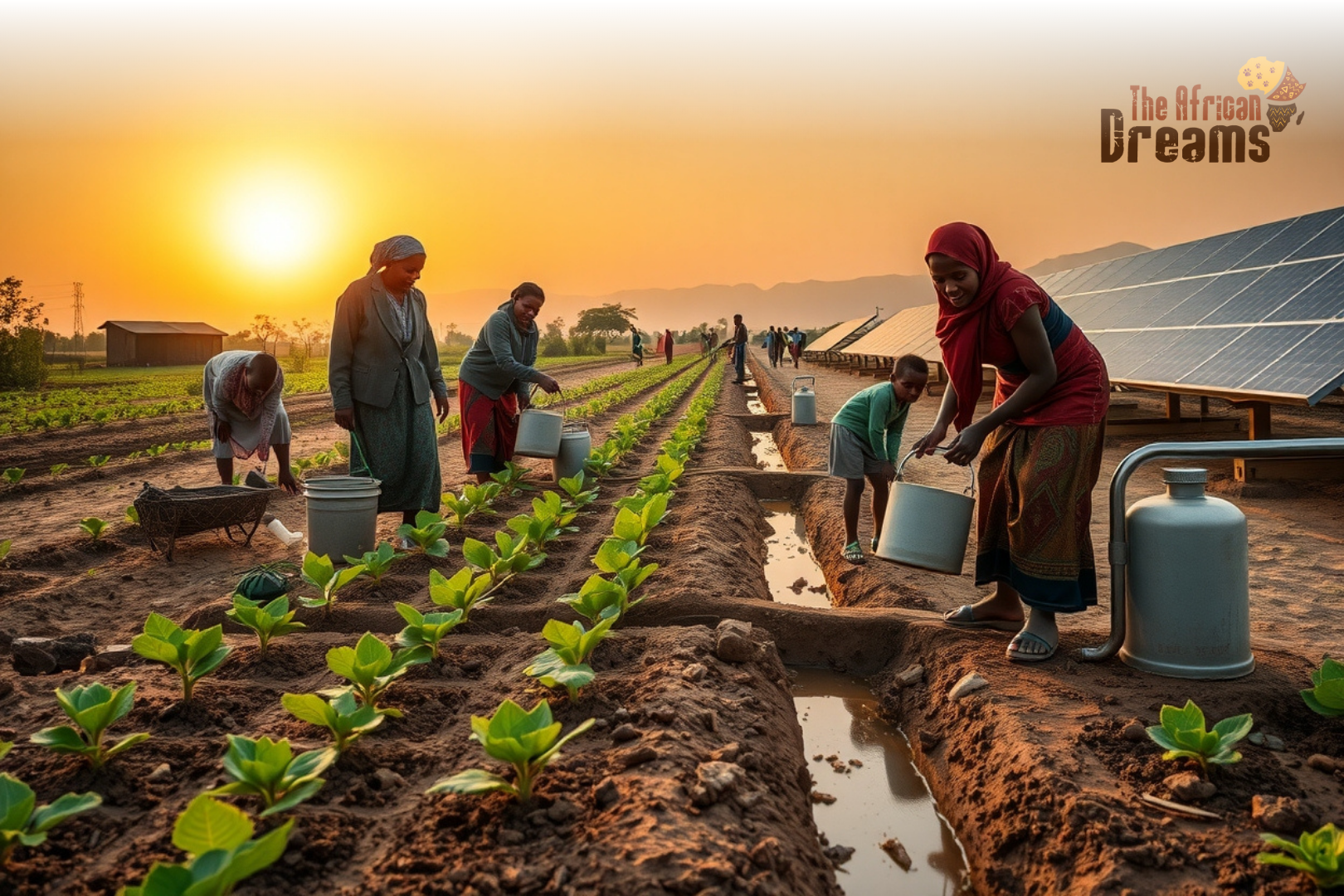
- Water Management: In dry areas, FAO supports the construction of small dams, boreholes, and irrigation systems. This way, locals have access to water all year.
- Food Security: FAO promotes better food storage and preservation methods to reduce food loss during disasters.
- Livelihood Diversification: By supporting new income-generating activities like poultry farming, gardening, and beekeeping, FAO helps families become less dependent on just one source of income.
Through these activities, FAO is helping Zimbabwean communities become more prepared for future challenges, making them stronger and more independent.
Understanding the Five Key Capacities for Building Resilience
Building resilience means strengthening the ability of people and communities to deal with problems. There are five important types of capacities that help in this journey: preventive capacity, anticipative capacity, absorptive capacity, adaptive capacity, and transformative capacity.
Let’s break them down.
1. Preventive Capacity: Stopping Problems Before They Start
Preventive capacity is about doing things early to avoid big problems later. In Zimbabwe, preventive capacity includes:
a. Planting early-maturing crops: These crops grow quickly and are ready before droughts can damage them.
b. Building flood barriers: These walls or trenches help protect farms and homes from floods.
c. Spreading health information: Teaching people how to prevent diseases, especially after floods or droughts.
d. Vaccinating livestock: Giving animals shots to protect them from diseases common during disasters.
Why it matters:
Preventive actions save lives and reduce losses. They are usually much cheaper than fixing problems after they happen.
2. Anticipative Capacity: Getting Ready Before Problems Arrive
Anticipative capacity is about expecting problems and preparing for them. In Zimbabwe, anticipative actions include:
a. Using weather forecasts: Farmers use radio or phone apps to learn about coming rains or dry spells and adjust their planting.
b. Creating emergency plans: Communities discuss and plan what to do if a flood, drought, or disease outbreak happens.
c. Joining savings groups: Families put money aside during good times to use during emergencies.
Why it matters:
Anticipating challenges helps communities act quickly and reduces panic when trouble strikes.
3. Absorptive Capacity: Taking the Hit Without Falling Apart
Absorptive capacity is the ability to take a shock and still keep going. In Zimbabwe, absorptive capacity includes:
a. Community food banks: Storing extra food during good harvests to use during bad seasons.
b. Small emergency funds: Families or groups save money to buy food, seeds, or medicines when needed.
c. Crop insurance: Farmers pay a small fee so that if their crops fail, they get insurance or funds to start again.
Why it matters:
When communities have strong absorptive capacity, disasters cause less harm, and recovery is faster.
4. Adaptive Capacity: Changing When Things Change
Adaptive capacity is about adjusting your way of doing things when old methods no longer work. In Zimbabwe, people show adaptive capacity by:
a. Using drought-resistant seeds: These seeds need less water and can survive in hot, dry conditions.
b. Diversifying income: Instead of depending only on farming, people start small businesses. These businesses can be making crafts, keeping chickens, or running small shops.
c. Using water-saving techniques: Farmers install drip irrigation to save water and still grow crops.
Why it matters:
Being flexible and trying new ideas helps people survive and succeed even when the environment or economy changes.
5. Transformative Capacity: Making Big Changes for a Better Future
Transformative capacity is the ability to make big, important changes that create a stronger and fairer system. In Zimbabwe, transformative capacity shows up through:
a. Empowering communities: Giving local people the right to plan their own projects, instead of decisions being made far away.
b. Changing laws and policies: Governments are introducing rules that support small farmers, protect the environment, and invest in rural areas.
c. Education and training: Teaching children and adults new skills that prepare them for future jobs and leadership roles.
Conclusion
In Zimbabwe, resilience building is an act of hope. Communities are fighting against the odds with it. It is allowing farmers to grow food even during droughts. It is helping families to survive economic hardships.
Organizations like the FAO are working together with the Zimbabwean government and local communities. By focusing on preventive, anticipative, absorptive, adaptive, and transformative capacities, Zimbabwe is building a path towards lasting stability.
The road ahead for Zimbabwe will not be easy. Challenges like climate change, economic uncertainty, and other global challenges will be there. But with resilience, the people of Zimbabwe can look forward to a hopeful future.
Frequently Asked Questions (FAQs)
1. Who is involved in resilience-building in Zimbabwe?
Many groups are involved, including:
- The Food and Agriculture Organization (FAO)
- Government of Zimbabwe
- Local communities and leaders
- Other international organizations like UNDP and WFP
2. What is FAO doing to build resilience in Zimbabwe?
FAO runs programs that:
- Teach climate-smart farming
- Help farmers store food and water.
- Promote savings and small businesses.
- Improve disaster preparedness
- Support better farming tools and seeds.
3. What are the five capacities of resilience?
They are:
- Preventive capacity – stopping problems before they start
- Anticipative capacity – preparing for future problems
- Absorptive capacity – coping with a crisis without collapsing
- Adaptive capacity – changing when the environment or economy changes
- Transformative capacity – making big, long-term changes for a better future
4. Can resilience help with climate change?
Yes. Resilience-building helps people adjust to changing weather. They can use resources wisely, and reduce losses caused by climate events like droughts or floods.
5. How can ordinary people in Zimbabwe build resilience?
People can save money in groups, learn new farming or business skills. They can use early weather warnings and work together to plan for emergencies.



0 Comments