
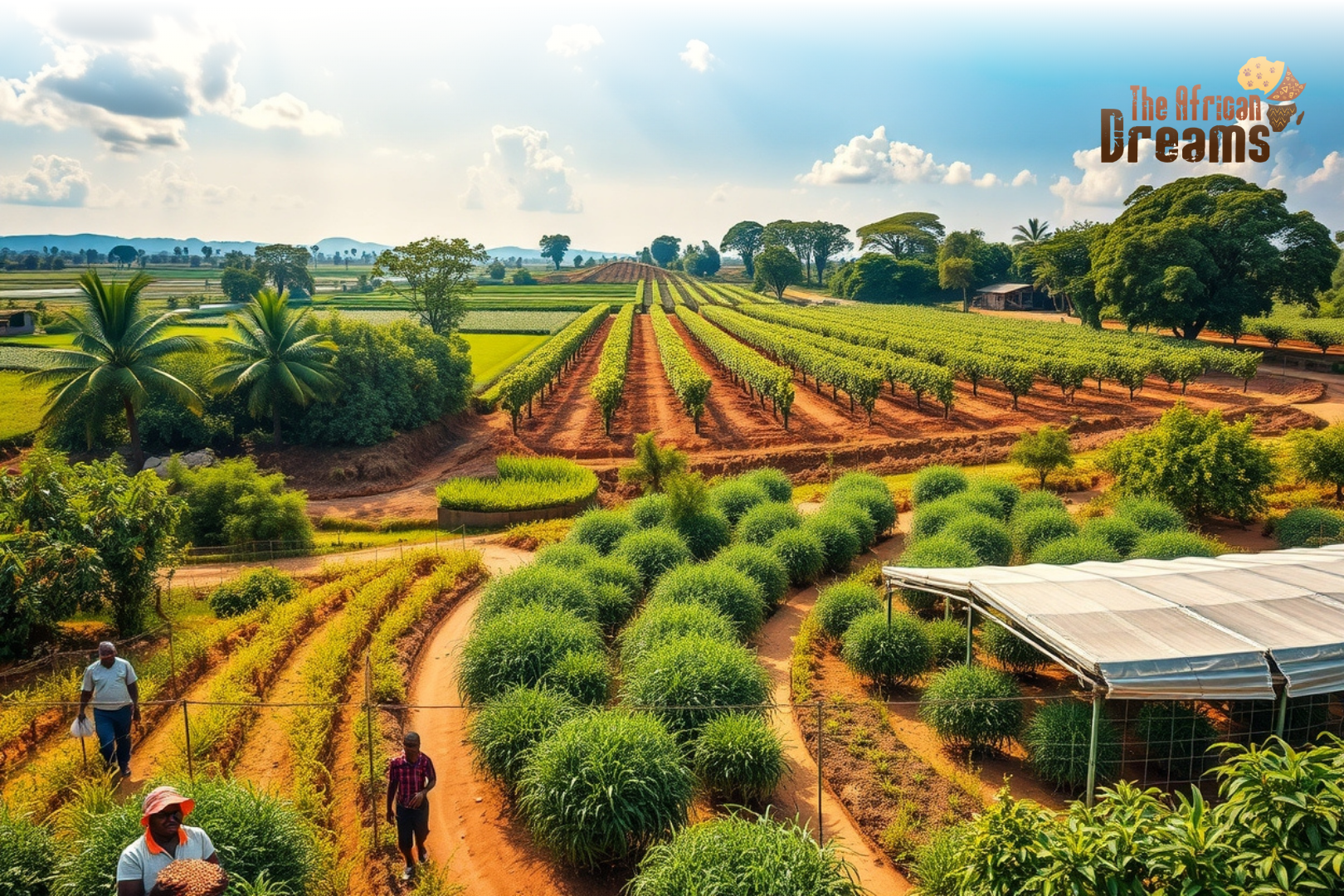
Gambia is a small country in West Africa, surrounded by Senegal. Approximately 2.5 million people live in Gambia, and 75% of labourers work in the country’s agriculture sector. Of these, 70% are women who primarily perform manual fieldwork. According to World Bank data, Gambia’s agriculture sector contributes 20% of its GDP. This percentage shows the contribution of the agriculture sector to Gambia’s economy.
Article Highlights-
The agriculture sector contributes 20% to the GDP, showcasing its critical economic role. It employs 75% of Gambia’s workforce, with 70% being women.
Investment opportunity: There are six main Sectors in Gambia’s Agriculture: groundnuts, mangoes, corn, cashews, aquaculture, and poultry farms.
Supporting Projects: Many projects, like NEMA, are being done to boost production and exports.
Gambia is famous for its many fruits, vegetables, and crops. The main cash crop is groundnut millet. The country also earns much revenue from mango, corn, cashew, aquaculture, and poultry farms. However, farmers face some challenges at the production level in each field. That’s why they want investors to come forward and take steps. By mitigating the challenges, Gambia’s people dream of a great future with the help of investors.
If investors come forward to take a step, what field should they choose? As mentioned, Gambia is famous for its groundnuts, mango, corn, cashews, aquaculture, and poultry farms. It’s time to learn about each industry with hidden opportunities.
Key Agricultural Sectors in Gambia
-
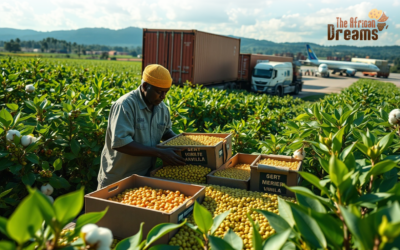
Groundnuts—Groundnuts are the main cash crop in Gambia, and 45% of the country’s land is used for cultivation. The country’s famous traditional dish is domoda, which is made of groundnuts. Everyone enjoys its taste, basically a groundnut stew. 60% of Gambia’s groundnut production is exported to other countries, while 30% is consumed domestically. Gambia is a significant groundnut producer in West Africa, with annual production estimated at 70,000 -100,000 metric tons.
The Gambia’s groundnut sector has already progressed, so it has taken initiatives to improve this section further. The Agricultural Land and Water Management Development Project (NEMA) aims to strengthen groundnut production and exportation. With government facilities and a high production volume, it is a perfect place for investors to choose this sector.
-
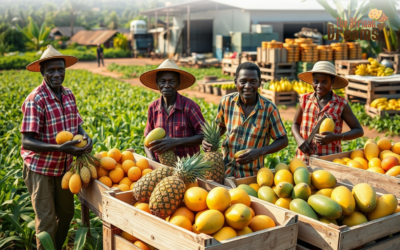
Mango- Mangoes are one of the most essential fruits in Gambia. Everyone enjoys the taste and health benefits of mangoes. Every year, the Gambia harvest different mango varieties, including Kent, Keitt, Julie, Haden, etc. Gambia’s mango also significantly contributes to its agriculture GDP.
From 2008 to 2022, Gambia’s mango production increased from 1.16 million kg to 1.44 million kilograms. In recent years, the farmgate price in Gambia has been around USD 679.60 to USD 728.30 per metric ton. Though mango production initially grows annually but, significant losses occur during the harvesting process.
-
Corn—Corn, also known as maize, is considered an essential crop in Gambia. It is the third most cultivated cereal crop in Gambia. Around 8% of Gambia’s cultivated land is used to grow maize.
Maize production peaked in 2010, but many challenges faced by the farmers, hampering the production level. However, by 2024-2025, the maize’s output is estimated to be 20,000 metric tons on average. Still, farmers & others are waiting to solve the challenges and return to peak production.
-
Cashew—The Gambia is a cashew-growing country on both sides of the River Gambia. Because of its increasing exportation, cashews are one of the top national priorities declared by the government. The majority of its production comes from the southern part. The country is estimated to have about 20,000 hectares of cashew cultivation.
In 2022, the Gambia exported $35.4 million of cashews and was ranked the 28th largest exporter globally. The main destinations for Gambian cashew exports include India, France, Austria, and Turkey. The country currently produces about 15,000 metric tons of cashews annually and hopes to double that to 30,000 metric tons in a decade. It is eager to attract investors to help it achieve this goal.
-
Aquaculture- Gambia primarily focused on small-scale, artisanal fishing farming. This aquaculture sector mainly depends on freshwater as the primary source. Gambia’s fish production has recently reached about 2,000 metric tons a year.
Aquaculture accounts for about 1.2% of Gambia’s GDP. Fish are among the major commodities driving the country’s export economy. In recent years, fish exports were valued at approximately GMD 11.36 million. The aquaculture industry employs approximately 30,000 people.
-
Poultry Farm—Poultry farms in Gambia create employment opportunities and play a significant role in agriculture. This sector has recently experienced a modest growth rate. In 2023, production was about 1,800 metric tons. They aim to reach 1,960 metric tons by 2028 with an average growth rate of 1.3%.
The Gambia imports Poultry annually because domestic production cannot keep up with demand. Product storage and feed manufacturing issues exist, but investors’ new initiatives can resolve these.
Challenges Facing Gambia's Agriculture Sector
The statistics show how heavily this sector contributes to Gambia’s economy and employment opportunities. Still, many problems are happening in farming, which has restricted further growth rates. In each industry, farmers face some challenges regularly, Such as –
- Feed costs and quality are the primary concerns in poultry farming infrastructure and cold storage facilities.
- Aquaculture needs more investment needs for the improvement of quality feed and technology.
- The cashew market faces market access, and competition craves investment needs for certification.
- Mango farming faces significant losses due to poor post-harvesting processes.
- Corn fields also face the problem of modern farming techniques and inputs, which require investments.
- Groundnuts face pest and disease management and limited access to quality seeds and inputs.
Conclusion
As these fields are stable, some problems must be addressed with strategic decisions and innovative solutions. The agriculture sector in the Gambia is very stable and promising. Besides, all of these fields are ready for expansion. Addressing infrastructure gaps, quality inputs, and modern farming techniques are all avenues to unlocking considerable value for investors. These sectors have become very attractive for the recent government initiatives, increase in demand, and export potential. Such strategic investments will result in high returns and lead to inclusive economic growth for sustainable livelihoods amongst Gambia’s agricultural communities.
0 Comments