
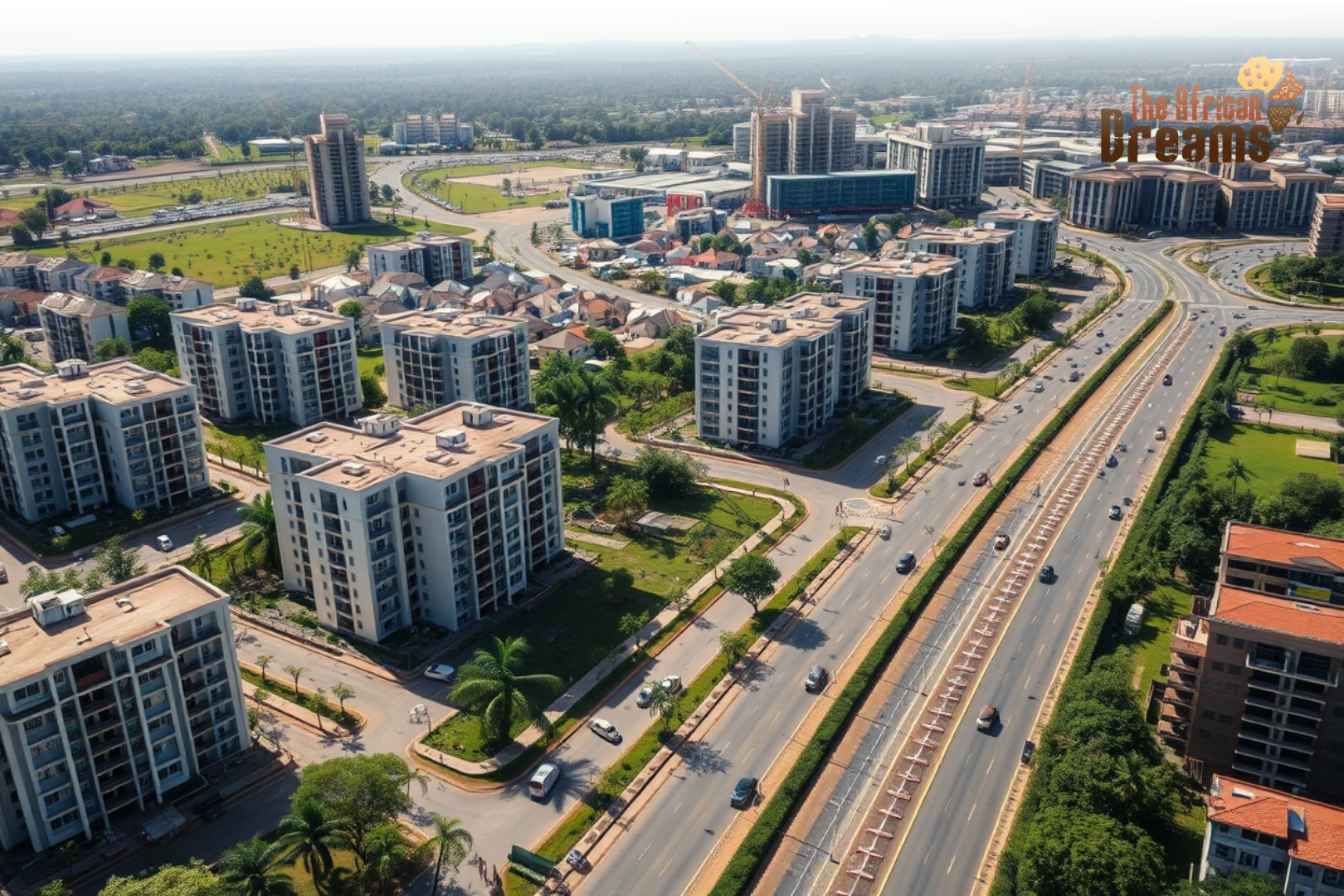
Introduction: Uganda’s Real Estate
Uganda’s real estate sector is a top-tier contributor to its economy. It provides the Ugandan people with an alternate source of development other than agriculture. It is providing the residents with temporary housing solutions. Real estate is attracting a lot of foreign direct investment. The economic growth is also significant.
The sector is not just about building structures; it is a source of employment for many. These jobs, in turn, improve communities and their lifestyles. Urban planning is important when so many people are turning to urban areas for their livelihood. Let’s explore how Uganda’s real estate drives and changes its economic growth.
Article Highlights
Uganda’s real estate will change its focus from agriculture to other sectors.
It creates jobs and improves Uganda’s local human resources.
The sector brings in many investments from locals, the African community, and other countries.
Uganda needs to fix underlying issues in development and land tenure systems.
Uganda’s Real Estate & Economic Development
Uganda’s real estate sector is the most saturated in residential markets. Because what people want right now is good housing. Many Ugandan people have made it big in agriculture and want to invest or build a good home for themselves. The other sectors are commercial and industrial. They have gained much traction in Uganda in the last few years. So, how does the sector contribute to economic growth?
1. Diversifying the Economic Portfolio: We all know Uganda’s economy runs on agriculture. But if you compare agriculture alone, it cannot pull up a country. The second stage is always industrial or urban area development, improving people’s living conditions and their business environment. With that comes the real estate sector.
Having more to depend on is always good. Uganda can’t just rely on its agriculture. The harsh climate and dependence on agriculture are counterproductive. Uganda needs its businesses to develop as early as possible. Uganda’s real estate development is a crucial part of it. The Ugandan Collective Investment Schemes Regulations of 2017 provide the legal basis for the sector.
Property owners can raise capital by lending parts of their properties to investors. This increases their income, and the investors profit from it. These are Real Estate Investment Trusts, otherwise known as REITs.
2. Mortgage Markets: The mortgage market is directly affected by the shift towards real estate. The total mortgage portfolio increased by 15-20% in 2024. The bank interest lending rates have recovered. The economy itself supports investments across most sectors.
The bank interest rates declined to 9.75%. The Bank of Uganda announced it during a meeting on 7 October 2024. The annual inflation rate reduced to 3% in September 2024. People have more control over credit. They can take loans and invest in real estate development.
3. Investment Opportunities: There is significant potential for investors in this market. Urbanization, economic growth, and favorable government policies are just one side of the coin. The other side is the sector’s profit potential. Uganda’s real estate is a haven for investors. Key urban areas like Mbarara and Entebbe are going through this development phase, and it is bringing in heaps of investors. There’s demand for all sorts of real estate involvement.
Uganda attracts the highest amount of foreign direct investment in East Africa and the Red Sea region. The draw is around 250 to 300 million USD every year, and the trend has been steady for the last five years. The real estate market will reach a value of 365 billion by 2024. This massive investment from foreign investors changes the whole economic framework.
4. Developing Local Expertise: This is one of the trickle-down effects of the economic change that real estate will bring. The construction and development projects are done through contracts. However, a portion of the people working in these are local people. The growth of Uganda’s real estate has provided people with job opportunities. There is an increased demand for people who understand property management. With issues like land grabbing plaguing the sector, the local workforce gets priority for these positions.
The Private Sector Foundation Uganda runs training and capacity-building programs for these development workers and managers. The area of focus still needs to be fixed. They look after organization development, business planning, property units, and financial management. So, the sector is also working to improve the skills of the people where they work.
5. Foreign Investments- Case Study: Several successful foreign investments have been made in the real estate sector, and there is potential for high returns. Countries like the Netherlands, the UK, Mauritius, and Switzerland are among the highest FDI holders.
For example, the TLG Living Group offers an average ROI of 14% and properties appreciating by 33%. They strongly promote investments and inclusion in the real estate sector. They are offering –
- Low entry costs.
- Tourism expansion.
- AIM awards and recognition.
- High rental yields.
- Strong demand for rental properties, etc.
Risks, Challenges, and Long-term Impact
Uganda’s real estate growth can thank the country’s economic performance for its success. The demand for housing and business complexes is the food that real estate needs, and Uganda did not disappoint. Gated communities are very popular right now. The sense of security and community is something humans cannot defy. And right now, real estate is focusing on that part of its market the most.
Adopting technology in real estate properties is accelerating development and economic growth. Nowadays, online property listings, virtual property tours, and digital marketing are common practices. Buyers and renters can easily find suitable properties, which has increased visitor numbers to platforms like RealEstateDatabase, Lamudi, and Realtor by 10-15%.
Even though there’s a promising outlook, Uganda’s real estate has some challenges it needs to overcome.
1. Access to finance was a sore patch because of high interest rates, but this has subsided with the reduction of these rates. However, the cost of borrowing in Uganda remains high. Individuals and developers can’t just jump into new projects.
2. Economic fluctuations and land issues also pose challenges.
3. Ownership disputes, tenure systems, and informal settlements lead to conflicts. Although they may not look like much, they heavily discourage investments.
4. Uganda’s economy is still sensitive, and global commodity prices put a burden on the whole country.
The country is already working on these challenges. The Government of Uganda is taking initiatives to promote and grow the sector alongside other organizations and institutions.
The real estate sector will have a long-term impact on the economy. The sector’s growth has a multiplier effect on the economy. The more it develops, the more infrastructural developments there will be. This results in improved transportation networks and utilities and the development of stagnant communities. All of this will enhance the economic activity in the surrounding areas, not to mention the vast impact on the development of human resources.
Final Thoughts: Future in Uganda’s Real Estate
Uganda’s real estate sector has a strong influence on the country’s financial sector. It attracts foreign investment and increases GDP by a significant margin. The impact is not limited to economic development only.
The real estate sector will change the face of Uganda’s economy. The timeline for real estate development is 2029. It will remain a crucial driving factor for the country’s economic development. Uganda’s real estate sector will grow in the coming years if proper strategies and development continue. This will result in infrastructural development and overall economic growth in the long run.






0 Comments