
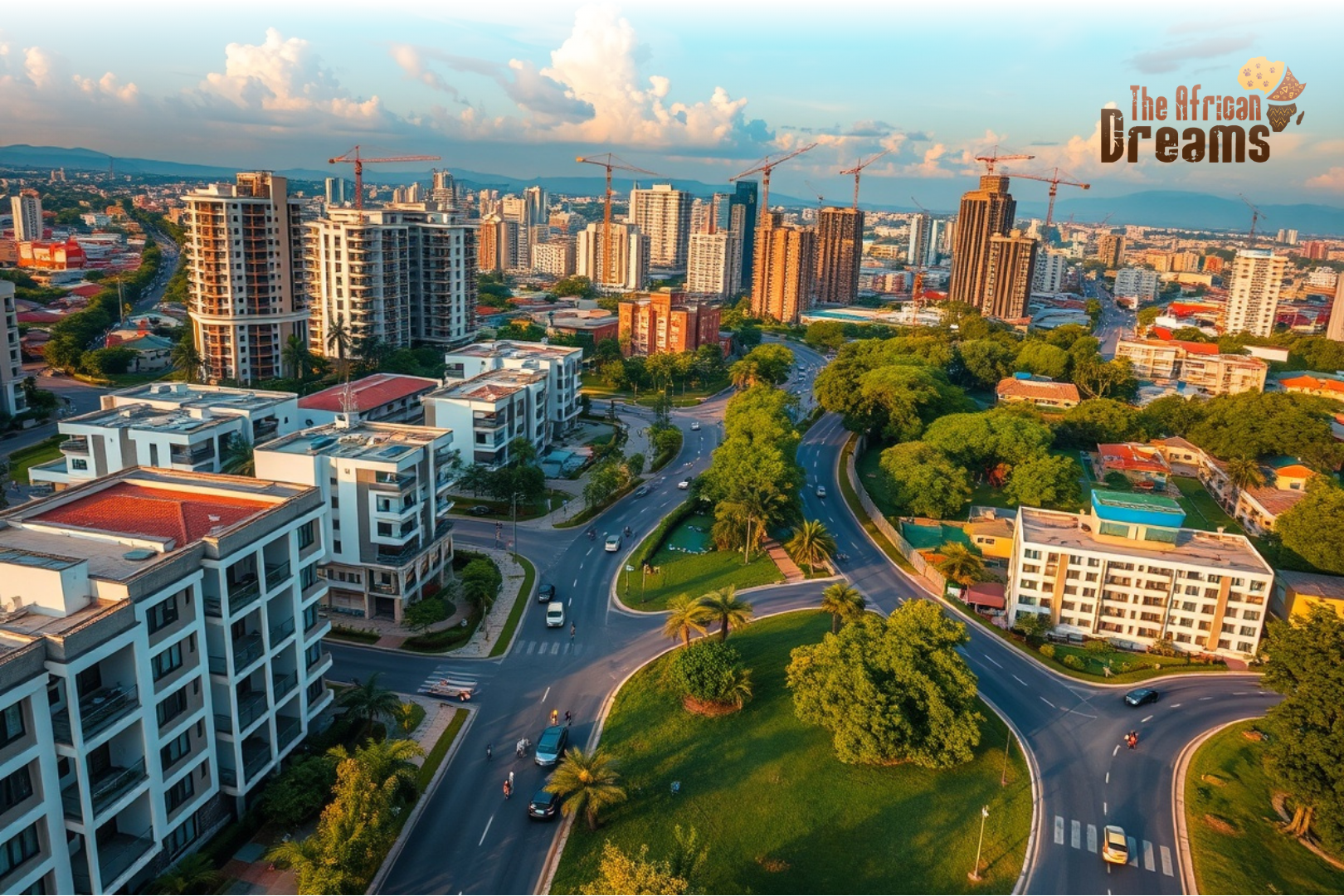
Introduction: Real Estate in Uganda
Do you know that the business of real estate in Uganda can make your next million in just a few years? You should know the future of a sector before you invest in it. Not knowing the potential and expected ROI will get you into many headaches about your money. So, if you’re interested in investing in real estate in Uganda, this article is for you.
Africa will soon surpass the other continents in every respect. Or the continent will at least put up a fight against the others. Growing opportunities and endless possibilities lie in the fertile soil of Africa. But if you look at Uganda, the Pearl of Africa, you’ll notice something different about the country.
After the 1990s, Uganda experienced a period of growth and stability. The country continues to grow its economy in a sustainable and future-proof way. So, the need for residential and commercial properties also increased a lot. Business owners, investors, visitors, and even people who want to settle in the country are targeting suitable places to stay in Uganda. This article will discuss the future of real estate in Uganda.
Why is Real Estate in Uganda Important?
The driving factors in shaping a country’s economy are those that bring in more cash and generate jobs. This increases the impact of a certain sector in the economy, creating more value for the whole economy. Now, real estate in Uganda is one of the biggest cash cows in its economy.
1. The first thing to consider is the sector’s importance. By providing housing and shelter, real estate solves a massive basic need. People are now looking for a beautiful, cozy, smart home. For this, they will invest all their money and savings. The choice varies depending on the demand and budget. Affordable housing solutions are a need for countries in Africa, and Uganda is a key player here.
2. The real estate marketplace creates many jobs and connects other sectors. It increases infrastructure development, sustainable planning practices, etc. The job market is available for both skilled and unskilled laborers. Skilled professionals handle the management and agent section, while uneducated and less skilled people use physical strength to work as laborers. Overall, the sector is creating a massive job market.
3. Real estate in Uganda is a big contributor to the GDP. In recent years, its contribution has become more influential and covers a large portion of the GDP. Besides, the sector is drawing foreign investors as well. FDI creates cash flows, brings in foreign currency, transfers technology, and helps implement best sustainable practices.
4. Other factors, such as infrastructure development and wealth creation, are important for understanding the impact of real estate in Uganda. For a country just growing from its roots, each sector is important. The current century demands real estate in Uganda. The future of real estate in Uganda is very promising.
Current State of Real Estate in Uganda
The middle class is growing rapidly, and urbanization is mainly happening because of these people. The new generation is touched by the latest technology and education, so they always want to build a better environment around them and for future generations. The tendency to settle in the major cities is also because of this.
Foreign investment in Uganda has increased a lot in recent years. In 2023, Uganda received $2.8 billion, which crossed the landmark of $3 billion by April 2024. The country’s political stability is doing the magic.
It also won the AIM Investment Award 2024 by ranking as “Africa’s top investment destination.” Like other sectors, real estate in Uganda is also a top choice for investors to invest in.c
Case Study for Real Estate in Uganda and its Future in Kampala
Uganda’s future in the real estate sector is promising. If we take the example of the capital city, Kampala, we will understand how. Kampala has some unique features that make it stand out. The geographical position of this city is one of the key aspects. It is a natural business hub, has all the importance of other countries and business industries, etc. So, the city has a diverse color, and it never goes off.
The diverse population, motives, and being home to both domestic and multinational companies have made the city a hotspot for choosing a residential or commercial place. Being the capital, Kampala holds a massive weight.
Policies like land usage regulations, property taxes, investment rules, etc., shape a place’s real estate market. Communication, the presence of commodities, infrastructure development, etc., also determine whether real estate will get the spotlight or not. The political scenario is moderately important.
Kampala has all of them positive. Except for the recent COVID-19 outbreak, the real estate sector saw a dramatic rise in Uganda. It’s no surprise that most of this centered on Kampala. The other regions are also performing much better, surpassing the regional big cities.
What is the Future of Kampala?
You may wonder why we’re talking specifically about Kampala. The capital city shows the scenario of the other cities. The country’s growth depends on the primary regions. So, Kampala is simply an indicator of how Uganda will perform in the real estate business.
Property prices will never settle in a place. Varying factors will shape the price. The price surge will be the highest in Kampala. It’s in high demand, as the capital is behind urbanization, which also increases the price.
Although prices will increase, more people will buy properties. The economy of Uganda is becoming stronger, creating a community of middle class. As more people become a part of it, the ability to buy will increase. So, the overall size of consumers will increase a lot.
More people will also invest in the sector, which is profitable. Considering the peaceful environment and business opportunities, more people want to connect with the country’s business sectors. Real estate, being one of the leading sectors, will draw more investments.
At the same time, Uganda will need to consider other regions and cities. The less developed cities and regions will not experience the same. However, there are always open options for investors to choose from. So, apart from choosing the lowest ROI providers, they’re going to invest in the hotspots of the business in real estate in Uganda.
Final Words: Rising Real Estate in Uganda
There are two types of properties in the business of real estate in Uganda: residential and commercial. Residential property is the heart of the business. However, commercialization in Uganda is on the rise, so a massive surge is expected there as well.
Investing in real estate in Uganda could generate significant returns for investors and everyone connected. As a blooming industry, Uganda is highly valued for settling in, doing business, or even being a place for recreational activities. If you wonder where you should put your money, the real estate business in Uganda is the most suitable option.






0 Comments