
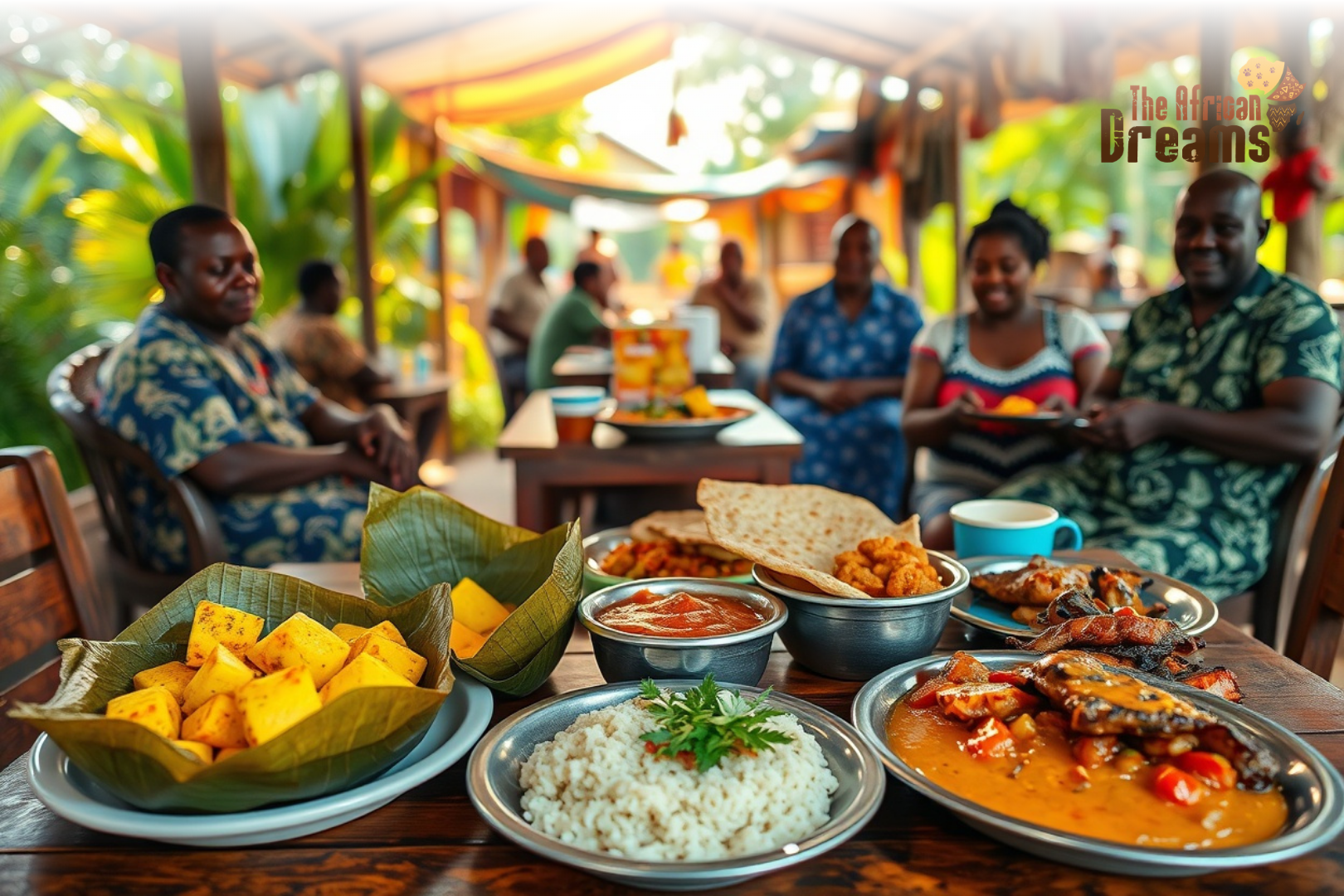
Introduction: Uganda’s Local Cuisine
Dave Maini has over 150k subscribers on YouTube. The passionate traveler, adventurer, and foodie explores the world and local cuisines with his partner, Tracey. The full-time traveler, after landing at Entebbe International Airport, heads out without wasting any time. All is to explore Uganda’s local cuisine and its vast beauty. Like Dave, most would agree that there is nothing exciting in a journey without tasting the local food!
Imagine you’re walking down the streets of Kampala. You started walking because something by the road made you curious. The source of that unknown scent that got your attention is, to your biggest surprise, a popular dish. It’s no wonder you’ll love to try it out.
So, if food makes you this eager, our article on Uganda’s local cuisine is for you. Whether you’re a foodie or not, this guide will provide you with a list of co-activities that you should try while staying in Uganda.
Article Highlights
Agriculture is the primary activity for the people in Uganda, and the food sector is rich here. It has a historic base built after generations of evolution.
Ugandan diets are dominated by plant-based foods with starchy staples like matooke, potatoes, beans, and cornmeal mixtures.
Uganda’s local cuisine is a center of attraction for international tourists as they explore the country’s vast natural beauty.
Uganda’s Local Cuisine: A Cultural Heritage Built Over Generations of Evolution
Traveling in Uganda is not all about going on long hikes, adventurous journeys through savannas, or camping in deep forests. The local culture and taste of people are mostly reflected in what they eat and how they prepare it.
Uganda’s local cuisine is not only a part of its basic needs but also reflects the culture and way of life. The taste, uniqueness, process, spices, etc., are not built in. Rather, these items decide the customary evolution and cultural diversity of a community.
Traditional recipes, cooking techniques, and etiquette reflect the cultural heritage of a community. These cultures built up after years of gradual evolution, passed down from generation to generation.
Food and Tourism in Uganda
Uganda’s local cuisine has a strong connection with the country’s economy and tourism. Uganda is a big player in exporting fruits and vegetables. The market is expected to grow by 10.22% to stand at a total value of $2.83 billion by 2029.
Additionally, agriculture is the country’s primary pillar of the economy. Most Ugandans are engaged in agriculture (almost 70%), and it contributes about a quarter of the GDP. On the other hand, Uganda’s vast natural resources made it one of the top destinations for tourists.
People travel to explore and want to get in touch with nature. Thus, culinary heritage plays a significant role. Agrotourism, local cuisines, etc., are an integral part of a tourist’s visit to the country.
Must-try Foods in Uganda: Your Guide to Uganda’s Local Cuisine
If you plan your next trip to Uganda, you must explore the rich diversity the country hides inside. The more you uncover, the more you’ll be surprised by Uganda’s local cuisine. But before you jump on our guide, remember that Ugandans prefer starchy staples like matooke, potatoes, beans, and cornmeal mixtures.
1. Luwombo: Luwombo is a true classic food dish in Uganda. It is rooted in the late 19th century during the time of King Kabaka Mwanga of the Buganda Kingdom. People still believe the King’s personal chef created this dish.
Luwombo is a stew made from chicken, beef, or fish. Vegetables like carrots, potatoes, and mushrooms along with peanut (g-nut) sauce. You should put it at the top of your list.
2. Chapati: Like the British, Indian food has a big impact on Uganda’s cuisine. Chapati is a flatbread, much like Mexico’s corn tortillas, France’s croissants, etc.
3. Rolex: It’s a vegetable omelet. After frying an egg with cabbage, tomato, and onion, it is wrapped in a chapati. The roll made afterward is called Rolex. The chapati becomes fluffy as steam comes off from the egg inside.
Rolex is an integral part of breakfast for most Ugandans. It has a savoury taste. You’ll get raw street origin stories. But whatever they’re, you should check it out first the next morning after you land in Uganda.
4. Ugali: Ugali is known by many names; posho is the most used. Corn flour is the primary ingredient. The flour is put into boiling water and milk and cooked until it turns into a stiff or firm dough. It is one of the few dishes on the UNESCO Representative List of the Intangible Cultural Heritage of Humanity.
5. Matoke: While visiting Uganda, you cannot escape without tasting the national dish. It is a staple food in Uganda, consumed in many ways. Most Ugandans will remember childhood memories of their mother preparing matooke, and they helped to prepare it. Matoke is steam-cooked and mashed and can be mixed with other vegetables such as tomatoes, plantains, bell peppers, and lemon juice, etc.
6. Binyebwa: Binyebwa is a groundnut sauce, one of the traditional meals in Uganda. Ugandans use homegrown vegetables to prepare food. But Binyebwa is believed to have been invented by one of Uganda’s major ethnic groups named Baganda.
Whether it is true or not, add it to your notebook as you surely wouldn’t want to miss it. It is hearty, protein-rich, and has a unique flavor. This food is perfect for both vegetarians and non-vegetarians.
7. Muchomo: Muchomo is roasted meat or chicken, a form of barbecue. But the most popular version is when it is served as a street food. So, when you walk through the streets of Uganda’s suburbs, take a bite of Muchomo. You’ll find it in top-quality restaurants as well. Muchomo is served with deep-fried banana plantain known as Gonja.
Final Words: Why You Should Try Uganda’s Local Cuisine
With a tropical climate and rich natural diversity, Uganda has everything to offer to tourists. In recent years, Uganda experienced a massive surge in tourist numbers. Uganda is among the top 16 countries to travel to. Uganda’s local cuisine is also something people intend to try when visiting.
Additionally, Uganda has the largest lake, Lake Victoria, in the world. It has the longest river, the Nile, through its vast land. Besides, half of the world’s endangered chimpanzees are in Uganda. Moreover, Uganda has the second-tallest mountain range in Africa. The rich culture, vast wilderness, breathtaking views, adventure-filled safaris, and Uganda’s local cuisine are calling out to give you a warm welcome. Don’t miss it!
So, if Uganda ever crosses your mind to pay a visit, do add trying Uganda’s local cuisine. You will know what the traditional and local dishes taste like. If you’re interested in the tradition and culture, you’ll need to try these for once, at least.





0 Comments