
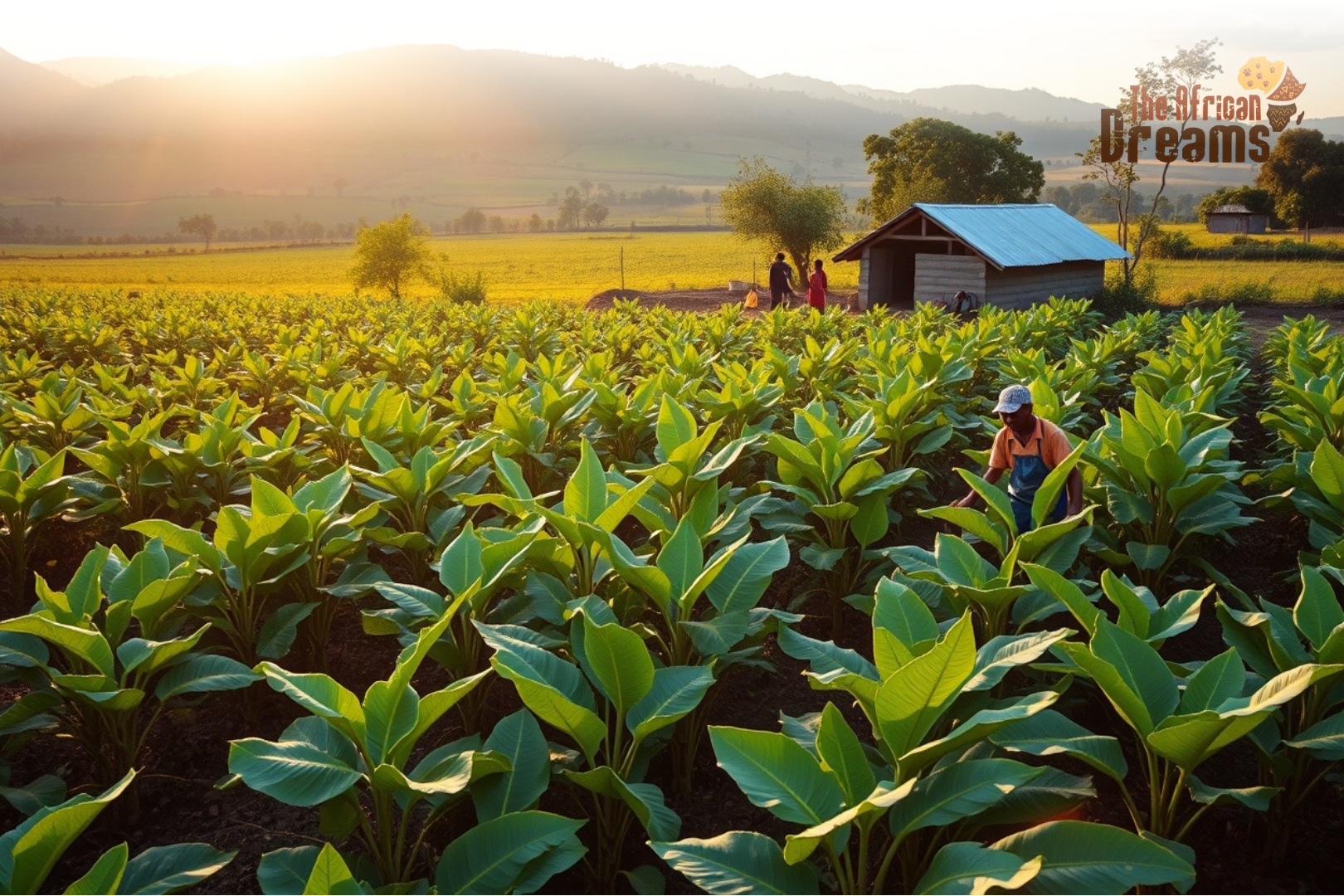
Uganda’s ASSP: An Exclusive Look into the Priority Commodities
Smallholder farmers like Bagonza Amon are producing coffee, cassava, and sweet potatoes, which are all priority commodities in the Agriculture Sector Strategic Plan. The price of their coffee has increased, and he is making an average of 1.5 million UGX each season. What is Uganda’s ASSP’s goal, and how do they plan to develop the sector even further? Read more in the article about the Agriculture Sector Strategic Plan and the drastic development of Uganda’s agriculture.
Article Highlights
Uganda’s ASSP changed the whole sector in a span of a few years.
Bananas, Rice, Maize, Beans, Coffee, Tea, and Irish Potatoes are the priority commodities of the strategic plan.
Coffee is a notable commodity because of its export potential in the eyes of the plan.
Gender discrimination, youth unemployment, and nutrition security are still issues for the country.
What is Uganda’s ASSP?
The Agricultural Sector Strategic Plan, also known as ASSP of Uganda, was a key initiative focused on boosting the growth of the sector. The main motive is sustainable agriculture. It boosted the economy of Uganda by large margins as the yield from agriculture increased exponentially over the years.
Uganda’s ASSP: Agriculture Sector Strategic Plan (ASSP)
Imagine a smallholder or backyard farmer tending to their crops, hoping for a better harvest. Their struggle reflects the challenges and opportunities facing Uganda’s agriculture sector. Priority commodities are important assets for the country. Many farmers and their communities’ livelihoods and food security depend on the yield they can produce.
Uganda’s ASSP has been designed to boost productivity and drive investment in the sector. They recognized some key crops that are essential to sustain and push forward the country’s economy. This is the primary goal of the plan. Their emphasis may be priority commodities but the plan also includes research and policy changes to make sure the farmers get the maximum yield out of the sector.
Recognition is important for a plan to succeed. In this case, recognizing the main stakeholders is the key. The plan puts importance on including a diverse set of players. Associations, government agencies, producers, farmers, exporters, retailers, NGOs, and even extension services reap the benefits.
There are other organizations as well. The Uganda National Farmers’ Federation (UNFFE), Uganda Cooperative Alliance with its 18000 registered members, the Ministry of Agriculture, Animal Industries and Fisheries, and National Union of Coffee Agribusiness and Farmers’ Enterprises (NUCAFE), which works for women empowerment, are all included. They are the players who implement the ideas coming out of the plan.
Top Priority Commodities: Uganda’s ASSP
Uganda’s agricultural potential is boundless. It is like a gold mine for agribusiness owners and farmers alike. Uganda’s ASSP, the Agriculture Sector Strategic Plan, sets priority to commodities that are the backbone of the country’s economy and welfare. These products are bananas, maize, rice, tea, cassava, coffee, Irish potatoes, etc.
1. Banana
Bananas, more specifically Matooke hold a unique place in the hearts of Ugandan people. They are not only a security crop but also a good income source and have cultural ties with quite a few communities. Uganda consumes the most bananas per capita in the world. Bananas are the main calorie source for one-third of Uganda’s population. Almost 40% of the cropland is mainly used for banana farming. There are large banana plantations in every region.
Even a decade ago banana yield was really low and exports earned around 587000 USD in 2014. The production increased from 4.6 million metric tons to 13 million metric tons within five years. The Banana Bacterial Wilt or BBW disease was identified as the main culprit behind low production.
Uganda’s ASSP, the strategic plan, took measures to reduce the crops’ susceptibility to pests and diseases. However, the overall budget needed to maximize this output is around 109.2 billion UGX.
2. Maize
Maize has immense potential to become one of the country’s main crops. It currently ranks among the top three, along with sorghum and finger millet.
Back in 2014, maize production was only 3 million with a 2.2-2.5 tonnes per hectare yield. But it could easily reach 5 tonnes per hectare with proper development of the crop.
Maize is one of the first few crops where the focus was on climate-smart agriculture. They conducted a study based on projected climate change and saw massive grain yields of up to 228% in the midwestern region.
3. Rice
With the initiatives from the strategic plan, rice production jumped from 237000 metric tons to 680000 metric tons in only six years. Rice alone generates over 73 million USD worth of exports.
The main focus for rice was poverty reduction. Rice is a generally cheap and mass-consumed commodity. The government has prioritized rice as a strategic commodity that will help shape the food security system in the country.
4. Cassava
This interesting crop only came into adoption by farmers in 1862 and 1875. Why is it interesting, you ask? Because farmers have produced 3.5 million tons of the commodity from only 0.4 million hectares of land. They can even grow cassava on small plots of land in mixtures of legumes and cereals.
Aggressive programs like on-farm trials and multiplying mosaic-resistant varieties were key in improving the yield of this crop.
5. Coffee (and Tea)
These two commodities don’t have a direct impact on food security. But they are vital crops for export. Uganda is currently Africa’s top coffee exporter, bringing in necessary foreign currency for the country’s development in other sectors. Forecasts indicate a record high of 6.85 million bags of coffee in the 2024/2025 season.
To achieve this result, the plan expanded farmland for coffee and tea. The government even supports Robusta production, which is the local variant of coffee. The country’s coffee export earnings in the year 2023 were over 620 million USD.
These are some planned interventions to produce more coffee for export:
a. 15-year Coffee Roadmap Program, UCDA.
b. Kyagalanyi works with over 26000 households.
c. Registering all coffee farmers for the national traceability system.
d. Increasing youth participation in coffee production.
Uganda’s ASSP: Cross-cutting Challenges of the Strategic Plan
Uganda’s ASSP, the strategic plan, works by mitigating challenges one at a time. However, some problems plague the entire agriculture sector. What are these issues then?
A big problem is the patriarchal society of the country. Gender mainstreaming keeps women out of the fields, but there are so many life-changing stories from women. The female share of 56% of agricultural labour is higher than that of men.
Another problem is youth unemployment. Only 80000 people get formal jobs out of the 400000 youth that enter the labour market each year.
There are initiatives like The Feed the Future Uganda Youth Leadership. But they fail to include youth from all walks of the country. Their goal is to increase economic opportunities for 350000 Ugandan youth between the ages of 10 and 35.
Nutrition security is also scarce in Uganda. They produce more than what they consume, but access to nutritious food is still limited for most people. The 2022 Global Hunger Index classified food insecurity as “serious” because of widespread malnutrition and anemia in children.
Harvesting Dreams: Bagonza Amin’s Story of Success
Bagonza Amin is a 31-year-old farmer who lives with his wife and two daughters in the mountain areas of Rwenzori, Uganda. Their whole family, including his mother, works in agriculture, mainly producing Arabica coffee. They sell each coffee bag from the 540 bushes for around 2200-2500 UGX to Long Miles.
Since the road transport network was weak, the family bought another piece of land and diversified their produce to include beans, cassava, and sweet potatoes. They are making enough to sustain their family and keep a portion of their daughters’ education.
Final Thoughts: Impact of Uganda’s ASSP
Despite the challenges, Uganda’s ASSP, the Agriculture Sector Strategic Plan in Uganda, achieved great results in just a few years. The first ASSP was for the 2014/15 to 2019/20 timeline. The government is working to initiate phase two starting from the 2024/25 period.
The ASSP was key in developing Uganda’s agriculture to where it is now. They are expanding the commodities to include more in the priority section. Uganda will see a new light in agriculture as they revolutionize the sector for the whole world. As the country continues to develop, Uganda’s ASSP is becoming an important part of its revolution. The strategic plan has a great impact on the agricultural development and the country’s economy.






0 Comments