
Introduction: Libya's Renewable Energy
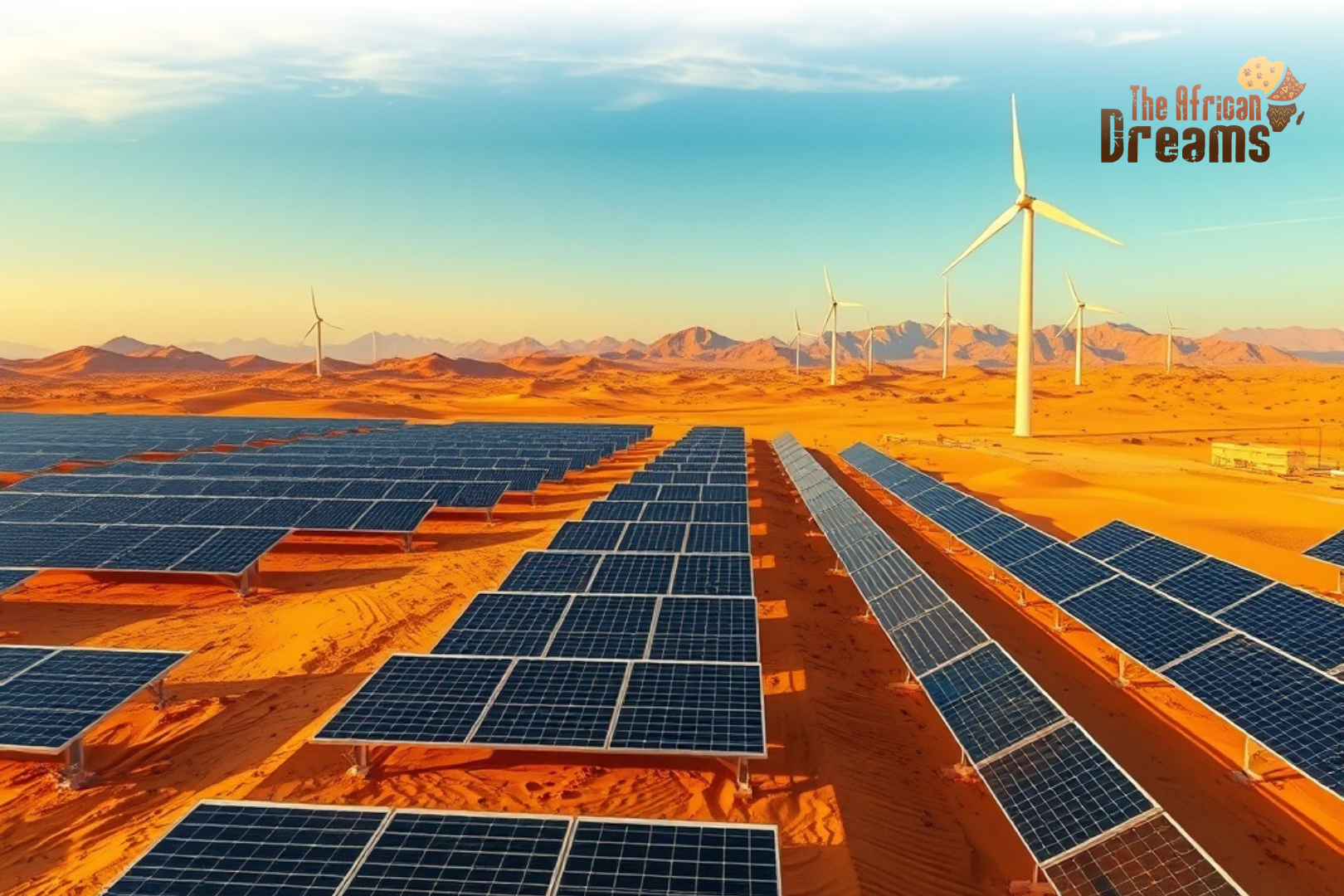
Libya is well known for its oil and gas, but the country is now looking at renewable energy to meet future demand. With one of the highest solar energy potentials in the world and strong winds along its coastline, Libya has huge opportunities for investment in solar and wind power.
Now, Libya mostly depends on oil and gas for electricity. But with rising energy demand and growing climate concerns, the government is looking to increase Libya’s renewable energy production. A few projects are already planned, and the country seems to want to use more solar and wind power at some point in the future.
For investors, Libya’s renewable energy sector is still growing. This means that there are quite a few opportunities to get in early. The government is providing some incentives, and international organizations are showing a great amount of interest in funding projects. With the right kind of investments, Libya has the potential to become a pretty important hub for clean energy in North Africa.
Current State of Libya's Renewable Energy
Libya’s electricity production mostly depends on oil and gas. More than 96% of the country’s energy still comes from fossil fuels, while Libya’s renewable energy accounts for less than 4%. This heavy dependence on oil makes Libya somewhat exposed to price changes in the global market.
The country also deals with power shortages, especially in summer, when demand goes up a lot. Many areas often experience blackouts, forcing businesses and households to depend on diesel generators. This adds to costs and pollution, making the need for renewable energy solutions much bigger.
Despite these challenges, Libya still has a very strong electricity grid that links with Egypt and Tunisia. This allows future renewable energy projects to sell excess power to neighboring countries. If Libya manages to increase solar and wind production, it could help meet local demand and might even export electricity.
Libya’s Solar Energy Potential
Libya receives very high solar radiation levels. The country gets around 2,500 kWh/m² of solar energy per year. This makes Libya a very good place for large-scale solar power projects. With over 85% of Libya being desert, there is a lot of available space to set up big solar farms.
The government has recently started exploring solar energy to greatly reduce dependence on oil. In 2020, Libya began serious work on a 100 MW solar power plant in Kufra, which strongly shows the country is highly interested in solar energy. There are also several plans for more solar farms, but progress has been very slow due to major funding issues and significant policy challenges.
For investors, Libya presents a very good opportunity in solar energy. Many areas still struggle with stable electricity, and solar power could help provide more reliable energy. Also, with strong solar radiation, the cost of producing electricity is generally lower than in many other countries.
If more funding goes into solar energy, Libya has the potential to become a notable producer of clean electricity. Early investors in Libya’s renewable energy market could lead it as the country gradually shifts toward renewable energy.
Libya’s Wind Energy Potential
Libya has very strong wind resources, especially along its huge 1,770 km Mediterranean coastline and in parts of the wide Sahara Desert. Studies show that average wind speeds in many regions reach around 6-7 m/s, making these areas a really good choice for wind farms. Libya can easily generate huge amounts of clean electricity with these large open spaces and steady winds.
The government has already picked several locations for wind projects. The Renewable Energy Authority of Libya (REAOL) has suggested multiple wind farms, but progress has been very slow because of big funding challenges. But with strong foreign investment, these projects can move forward and help greatly reduce Libya’s reliance on oil and gas.
Wind energy is a very good opportunity for investors because the cost of production is really low, and wind farms need much less land than solar projects. Once installed, they can last for decades with very low costs. Libya’s wind potential also makes it possible for the country to sell extra electricity to neighboring regions, making wind power a highly profitable long-term investment.
With very stable winds, huge amounts of land, and strong government interest, Libya has everything needed to develop a really big wind energy sector. Investors who get in early will really benefit as the country moves very fast toward renewable power.
Government Policies and Renewable Energy Targets
Libya’s government is really focused on expanding Libya’s renewable energy sector. The Renewable Energy Authority of Libya (REAOL) has set a very important goal of getting at least 10% of the country’s power from renewable energy by 2025. This includes a mix of solar, wind, and hybrid energy projects to greatly reduce dependence on oil and gas.
To attract more investors, the government is offering strong incentives like big tax exemptions, much lower import duties, and easier access to land for renewable energy projects. There are also serious plans to introduce feed-in tariffs, which would let independent power producers sell electricity directly to the national grid at guaranteed rates.
Libya is also working closely with major international organizations to secure funding for various renewable projects. The African Development Bank and the United Nations have already shown great interest in supporting these. If the number of these partnerships keeps growing, investors will have access to much better financial support for bigger projects.
Even though policies are still developing, Libya is showing a very strong commitment to renewable energy. Investors who invest in this sector early will really benefit from government support.
Investment Opportunities in Libya’s Renewable Energy Sector
Libya’s renewable energy industry is still growing, creating very big opportunities for investors.
1. Large-Scale Solar Power Plants
Libya has massive areas of open land that are perfect for solar farms. The government is strongly encouraging foreign investors to build large solar power plants, including photovoltaic (PV) and concentrated solar power (CSP) projects. These projects can provide electricity to cities and even sell extra power to neighboring countries.
2. Wind Farms in Coastal Regions
With very strong wind speeds in many places, Libya is an excellent location for onshore wind farms. Wind energy costs much less than fossil fuel power over time, making it a highly profitable investment. Companies that start wind projects now will benefit greatly as demand for clean electricity grows very fast.
3. Off-Grid Renewable Energy Systems
Many remote areas in Libya still don’t have very stable electricity. Smaller solar and wind energy systems can probably help power homes, farms, and businesses. Investors in off-grid solutions might be able to earn fairly steady profits while really helping communities slowly reduce their dependence on expensive diesel generators.
4. Hybrid Energy Projects
Some companies are now combining renewable energy with fossil fuels to make power generation much more stable. Investors can form partnerships with local utilities to build hybrid power plants, like solar-diesel or wind-diesel systems, which work very well for remote industries and oil fields.
5. Manufacturing and Supply Chain Investment
Since Libya imports most of its energy equipment, there is a very big opportunity for companies to set up factories for solar panels and wind turbines.
With rising energy demand and very strong government interest, Libya’s renewable energy sector is set for very big expansion. Investors who step in now will benefit the most from this fast-growing market.
Challenges in Libya’s Renewable Energy Sector
Although Libya’s renewable energy sector has strong potential, investors should be aware of some challenges. These problems must be fixed before the industry can grow fully.
1. Political and Economic Instability
Libya has gone through political conflicts in recent years, which have really slowed down major investment projects. Changes in government and shifting regulations can create big risks for investors. However, the government is working very hard to improve stability and bring in more foreign investment.
2. Lack of Clear Renewable Energy Policies
Even though Libya has set goals for renewable energy, there are still not enough clear policies to support large projects. Investors really need more details on long-term pricing, grid access, and incentives. If regulations get better, it will be much easier to invest in Libya’s renewable energy sector.
3. Infrastructure and Grid Limitations
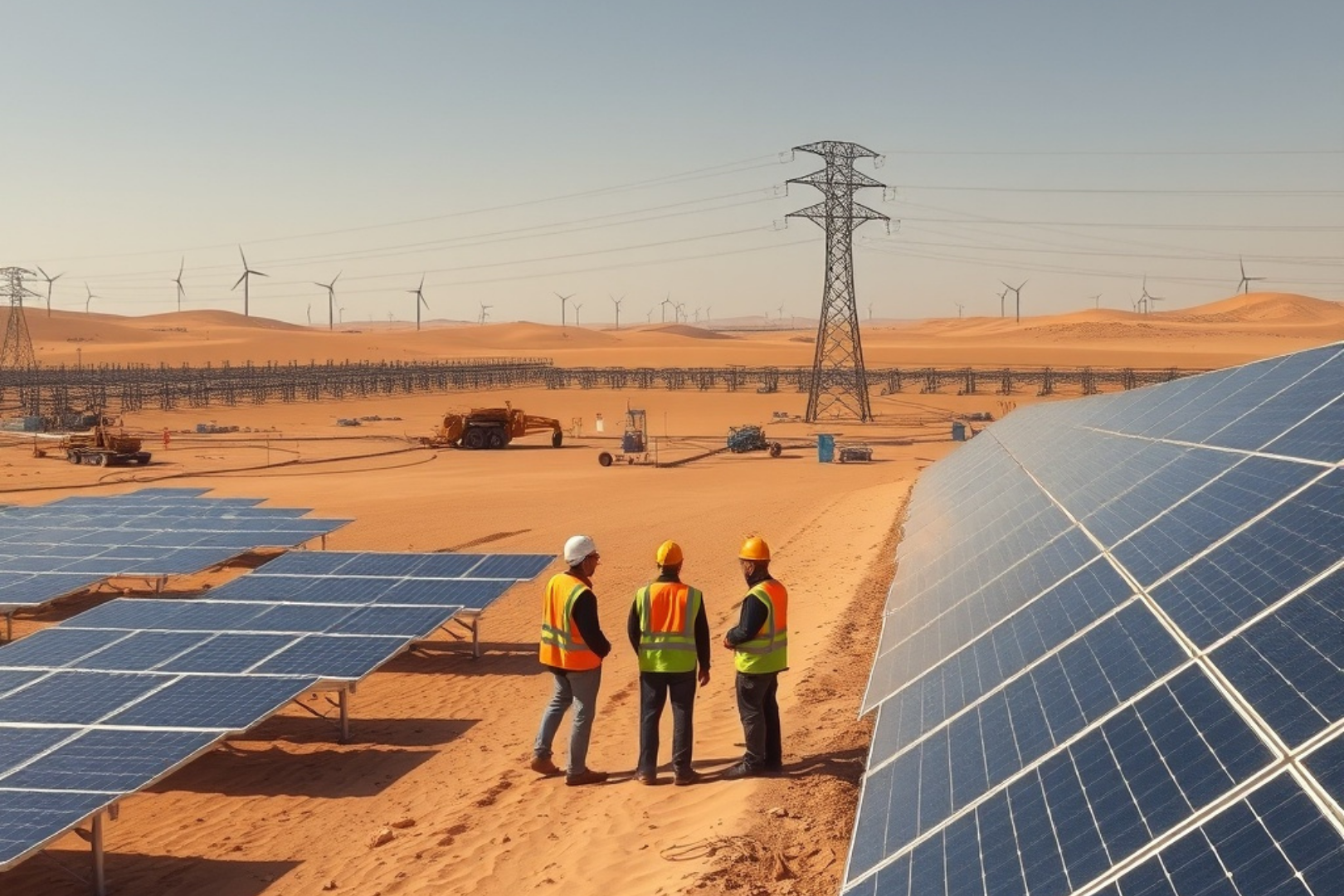
Libya’s electricity grid needs serious upgrades to handle more solar and wind power. Some areas do not have proper transmission lines, making it very difficult to connect new energy projects to the grid. Big investments in grid expansion will be necessary to support Libya’s renewable energy sector’s future growth.
4. Limited Access to Financing
Most renewable energy projects need very large upfront investments. Since Libya’s financial sector is still developing, many investors find it really hard to get funding for clean energy projects. However, international banks and development agencies are increasingly supporting Libya’s renewable energy sector, which could help address this problem.
5. Technical Expertise and Skilled Workforce
Libya still doesn’t have enough local engineers and technicians properly trained. Many companies often have to rely on foreign experts, which can make costs quite a bit higher. Investing in strong training programs and building partnerships with local universities could help develop a highly skilled workforce in Libya’s renewable energy sector.
Investor Success Stories in Libya’s Renewable Energy Sector
1. Libya-Turkey Renewable Energy Partnership
In 2025, Libya decided to work closely with Turkey on several renewable energy projects. This deal strongly connects Libya’s huge natural resources with Turkey’s very strong investment and advanced technology. The goal is to develop fairly large solar and wind projects. By 2035, Libya hopes to reach around 4 gigawatts of renewable energy. This would be roughly 20% of the country’s total power supply.
2. DESERTEC Solar Energy Project
The DESERTEC Foundation is actively working on a plan to make use of desert solar power in Libya. The idea is to efficiently convert sunlight into electricity and possibly sell it to other regions. The project has faced very significant delays. But it still strongly proves that Libya has extremely strong solar energy potential.
3. Training Libyan Engineers for Clean Energy
In 2024, the United Nations and the European Union started a training program for Libyan engineers. They traveled to Egypt to learn about a 50 MW solar power plant. This training helps workers get ready for future solar energy projects in Libya.
Final Words: Growing Libya’s Renewable Energy Sector
Libya’s renewable energy sector is growing very fast. The country has extremely strong solar and wind potential. The government is working hard to expand clean energy projects. With rising electricity demand and big global energy changes, Libya’s renewable energy will have a very important role in its future.
Investors have many great opportunities in this sector. Large solar farms, wind power projects, and off-grid energy solutions can really help Libya lower its dependence on oil. The government is strongly supporting the industry with incentives. International organizations are also showing a lot of support.
Challenges still exist, like policy delays and major funding issues. But as Libya develops much better regulations and infrastructure, investment will become much easier. Those who enter early will have a strong advantage as Libya moves quickly toward clean energy solutions.
With very high potential, strong government backing, and increasing investor interest, Libya’s renewable energy sector is set for huge growth. Now is the best time for investors to take full advantage of this very fast-growing market.
FAQs
1. Why invest in Libya’s renewable energy sector?
Libya has strong solar and wind potential, low costs, and high energy demand, making it a great place for investment.
2. What are the best renewable energy opportunities in Libya?
Solar farms, wind farms, off-grid power solutions, and hybrid energy projects offer big investment potential.
3. Is the Libyan government supporting renewable energy?
Yes. The government wants 10% of energy from renewables by 2025 and offers incentives for investors.
4. What challenges do investors face?
Regulatory delays, financing issues, and grid infrastructure need improvement, but conditions are getting better.
5. Can Libya export renewable energy?
Yes. Libya’s electricity grid connects to Egypt and Tunisia, creating future export opportunities.


0 Comments