
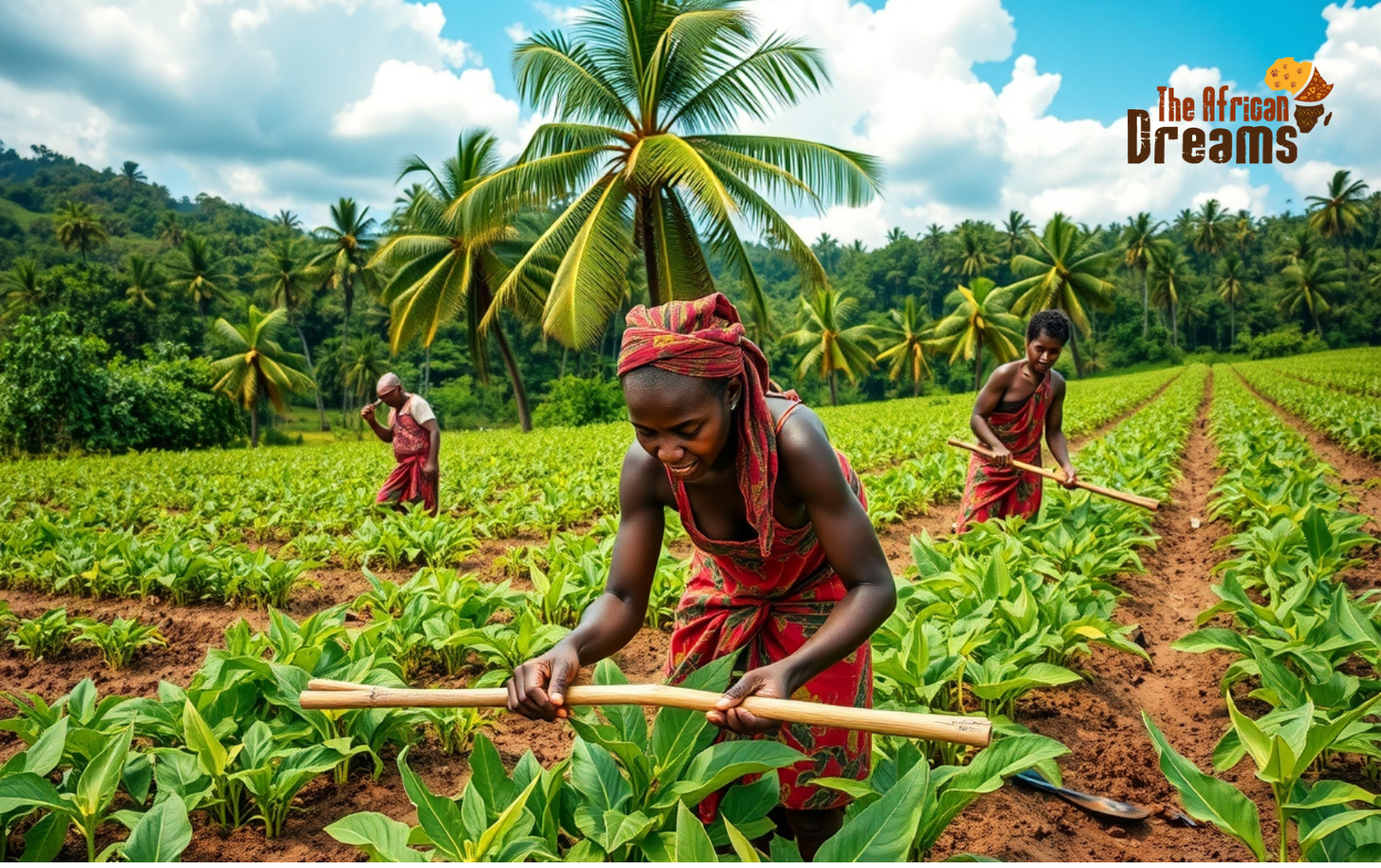
What if I told you there is a place where the weather is perfect, and the soil is incredibly fertile? If you are looking for a perfect land like this, Liberia is the right country for you. When it comes to investing in agriculture, we know that making a decision is tough and complicated. Many components and details must be carefully considered and calculated. Liberia’s growing agricultural sector presents many opportunities for investors like you, who are seeking sustainable growth and high returns.
In this article, we’ll explore why Liberia’s agricultural sector is a wise investment choice and address the key considerations you need to know.
Article Highlights
Upon reading this article, you will be able to,
Understand why Liberia’s agricultural sector is a promising area for investment.
Recognize the key crops and natural advantages that make Liberia ideal for farming.
Identify major investment opportunities in value chain development, smallholder support, sustainable practices, infrastructure, and renewable energy.
Be aware of the challenges investors face, including low productivity, legal issues, land rights, and market risks.
Learn practical tips for successful investment in Liberia’s agriculture, such as conducting thorough research, building local relationships, and leveraging government incentives.
Appreciate the importance of sustainability and collaboration with local experts to maximize returns and create lasting impact.
Why invest in Liberia’s agriculture?
Agricultural Landscape
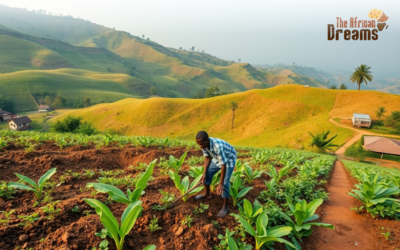
Liberia’s agriculture is a sleeping giant, ready to grow and change the world’s food supply. Approximately 38.8% of Liberia’s GDP is from agricultural accounts. More than 70% of the people work in this sector, making it very important to the economy. Some major crops include natural rubber, rice, cassava, bananas, and palm oil, with rubber being a critical export that generates substantial revenue for the country.
The tropical climate, combined with Liberia’s fertile soil and abundant water resources, creates ideal conditions for diverse agricultural production. This includes cocoa and rubber, cash cows, and staple foods such as rice and cassava, which are crucial for the country’s food security.
The government actively promotes agricultural development through the Liberia Agriculture Sector Investment Plan (LASIP II) and the Liberia Food and Agriculture Delivery Compact. These initiatives aim to enhance productivity in priority value chains such as rice, rubber, and cassava, with a focus on mechanization, irrigation, and improved market access. Savvy investors are starting to realize that Liberia’s agricultural potential could yield not just crops but substantial profits.
Investment Opportunities
Value Chain Development
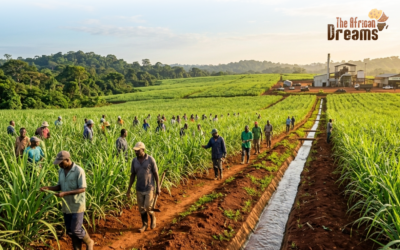
Liberia is transforming its agricultural sector with value chain improvements that promise high returns for investors. There are significant opportunities in agro-processing in Liberia, particularly in rice and cassava production. This is an excellent chance for the investors to get involved in processing and marketing agricultural products, helping to cut down Liberia’s reliance on imported food.
More than 80% of the country’s staple foods come from abroad. Liberia’s focus on strengthening its agricultural value chain is giving unmatched opportunities for intelligent investors. Its integrated approach to value chain development sets the stage for a new era of farm efficiency and profitability.
Smallholder Support
In Liberia, smallholder farmers are the backbone of the agricultural sector, but aren’t getting the support they deserve to flourish. Many smallholder farmers require support in terms of access to capital, training, and market information.
Investing in capacity-building initiatives can improve the livelihoods of these farmers as well as increase productivity. This can be an opportunity to contribute to the agricultural sector while achieving the desired results. With comprehensive support systems, Liberia’s smallholder farmers can drive a new farm innovation and growth era.
Sustainable Practices
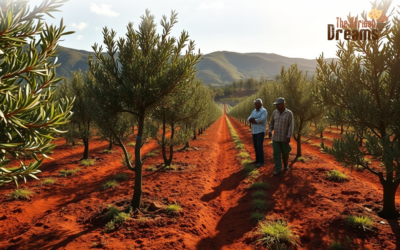
Liberia is pioneering sustainable farming practices that could revolutionize agriculture across West Africa. The push for sustainable agriculture presents opportunities for investors interested in environmentally friendly practices. These include investments in organic farming, agroforestry, and sustainable fisheries, which can also help address issues such as deforestation and overfishing.
Infrastructure Development
Liberia is facing a crucial challenge; without significant infrastructure improvements, its path to progress remains obstructed. The development of agriculture is also hindered because of this. There is a critical need for improved infrastructure, including farm-to-market roads and storage facilities.
Investing in development is a great way to make better relations and gain trust and support from locals. Investing in Liberia’s logistics and infrastructure isn’t just bright—it’s transformative. These investments can significantly increase productivity and provide substantial returns by improving market access and reducing post-harvest losses.
Renewable Energy
Liberia has significant potential for renewable energy, particularly in solar and hydroelectric power. Amid the growing development of agriculture in Liberia, they are still facing many challenges, such as the distribution of electricity all over the country, especially in the rural areas.
Farmers need help with technology and communication. To create a favorable business ecosystem, it is essential first to develop the rural environment to maintain proper communication and conduct business. The government is looking to increase electricity access, which presents opportunities for investors in energy generation and distribution for agriculture in rural areas.
Challenges to Consider
1.Low Productivity and Lack of Technology
Despite the potential, agricultural productivity remains low, with many farmers operating at subsistence levels. One of the most significant difficulties for farmers in Liberia is the need for more technological advancement in farming practices. With modern tools and techniques, many can keep up with the demands of efficient agriculture.
Thus, in today’s competitive world, Liberian farmers find it hard to continue farming. Addressing this issue requires investment in modern farming techniques, quality seeds, and agricultural inputs.
2.Weak Legal Framework
Liberia’s legal and regulatory system needs to be more consistent and well-enforced. This will make securing contracts or property rights more reliable and easier for investors. However, the lack of legal certainty can discourage direct foreign investments.
3.Land Rights Issues
Uncertainty surrounding land tenure can create risks for investors in the long term. Although there are plenty of opportunities for investors to invest in land, the implementation of the Land Rights Act is essential to clarifying land ownership and governance, which will help attract more investment.
4. Market Vulnerability
Liberia’s economy is vulnerable to external shocks, such as fluctuations in global food prices, inflation, and supply chain disruptions. Investors should consider these risks when planning their investments in the country’s agricultural sector.
Tips for Investing in Liberia’s Agricultural Sector
1.Do Your Research
Do thorough market research to understand market patterns, local consumer demand, competition, and potential opportunities. Understanding the local market, climate conditions, and crop suitability is crucial. Invest your time researching the best regions and types of crops that align with Liberia’s agricultural strengths.
2.Build Local Relationships
Establish connections with local farmers, businesses, and government officials who can provide valuable insights and facilitate smoother operations. Building trust and understanding of the local customs can also be beneficial.
3.Leverage Government Incentives
Take full advantage of government incentives and support programs to attract and assist investors. This might include tax breaks, grants, or other financial aid for the investors.
4.Focus on Sustainability
Prioritize sustainable practices in your investment strategy. Not only does this align with global trends, but it can also enhance your reputation and attract environmentally conscious consumers.
5.Engage with Local Experts
Collaborate with local experts, including agricultural consultants and legal advisors, to ensure agreement on local regulations and improve your investment strategy.
Final words
If you plan to invest in Liberia’s agriculture sector, now is the time!
Liberia is not just a spot on the map; it’s a land of opportunity waiting to be explored. Investing in Liberia’s agricultural sector can offer you potential for growth and profitability, particularly in light of government support and the country’s natural advantages.
If you’re looking for a fresh and promising investment, keep an eye on this West African gem. It might just be the breakthrough you’ve been waiting for
Conclusion
The agricultural sector of Liberia has great investment potential for those who are prepared to look past the challenges. The fertile land, supportive government policy, and increasing opportunities along the value chain, smallholder support, and sustainable practices, Liberia is primed for investment. While some risks do exist, they can be dealt with through careful analysis of the market and good local partnerships. If investors are looking for both impact and return, Liberia has a great opportunity in West Africa’s agricultural landscape.
0 Comments