
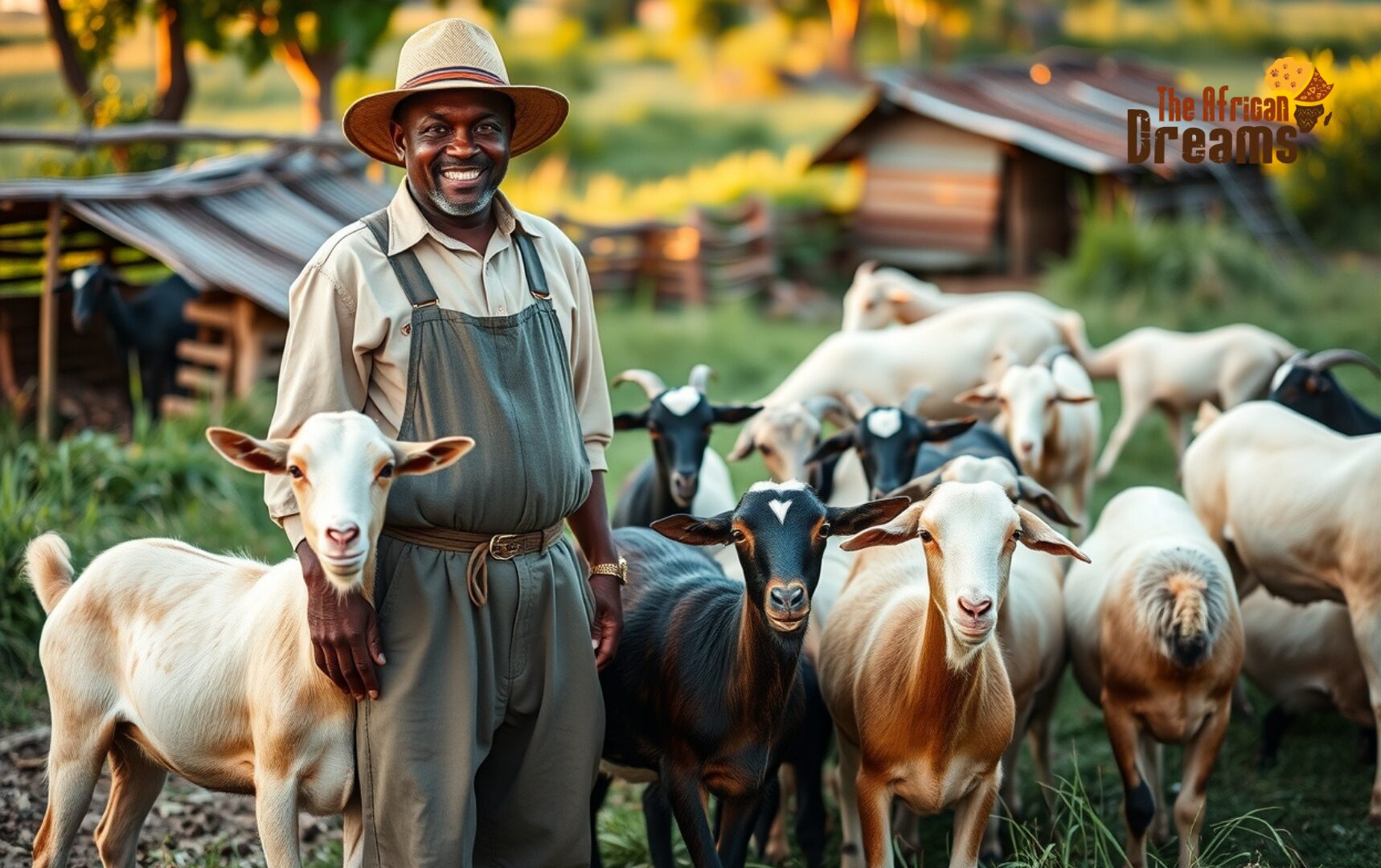
Goat farming is a powerful tool for economic empowerment in Uganda. Goats are raised for meat, milk, and skins, which are all in high demand locally and regionally. Goats are unlike any other form of livestock. They do not require a serious of investment and can be kept well even in areas with limited resources. Therefore, they are well suited to rural communities where farming is the main source of income.
The Ugandan government, NGOs, and private sector players have a potential solution to lift rural economies. Several projects have been launched to help farmers get the skills, resources, and financial support. With that support, they start or expand their goat farming businesses. The sector also holds promise for both local farmers and foreign investors. The demand for goat products is rising, especially in neighbouring countries and the Middle East.
Goat farming is growing and is no longer merely a means of survival but a business that can transform livelihoods. The growing industry can help meet food security, provide jobs, and contribute to Uganda’s overall economic development.
Economic Benefits of Goat Farming
Uganda has over 14 million goats; most of the population are indigenous breeds such as East African goats, Mubende, and Kigezi. There are also exotic breeds, such as the Boer and Galla goats, because of their good meat production.
Goat farming has many economic benefits for small-scale farmers and large investors. The majority earn from selling goat meat, milk, and other products. Goats have fast reproduction rates, so they can quickly expand their herds and improve profitability.
Goat meat, in particular, is highly valued for its lean quality. It is also in high commercial demand both nationally and internationally, which is rising daily. Farmers can make a stable income by selling meat to restaurants, supermarkets, and individuals.
Goat milk is also in demand for its high nutritional value, in addition to meat production. Both locally and abroad, goat milk and dairy products, such as cheese and yogurt, are becoming popular. This leads to more income for farmers diversifying into the dairy sector, which is an excellent opportunity for economic growth.
Investment Potential
Investment in Uganda’s goat farming is huge because of the increasing demand for goat products and the relatively low initial costs. Goat meat production has great potential in Uganda. Uganda’s annual meat consumption deficit stands at 80,000 metric tons, and there is a need for more meat producers. Goat meat production offers investors an excellent opportunity to harness local and regional markets. In the case of Kenya, Rwanda, and the Middle East, there is a high demand for Halal-certified meat.
Another promising possible investment avenue is dairy goat farming. Because of its nutritional benefits and ease of digestion, goat milk is growing in popularity. Investors will be able to concentrate on producing high-quality dairy products. Such as cheese and yogurt, to meet a growing demand locally and internationally.
Starting a goat farm in Uganda can be cheaper than other livestock ventures. The cost includes purchasing goats, land, and housing. For a small-scale farm with 20 goats, the initial investment is about 15 to 20 million UGX ($4,000 to $5,500).
Goat farming has an attractive return on investment (ROI), with estimates of a 20 percent ROI per annum. Goats also reproduce fast, typically having babies twice a year, meaning farmers can ramp up their operations quickly.
The Challenges
Goat farming is a good thing, but it has challenges. Disease management is one of the main obstacles. Several diseases are not good for goats, including Peste des Petits Ruminants (PPR) and Foot-and-Mouth Disease (FMD). To mitigate these risks, farmers need to be vaccinated more regularly and have their animals taken care of properly by a veterinarian. Small-scale farmers can find this very expensive, and disease management can be a big challenge.
However, feed and water shortages also create problems, especially during the dry season. Droughts restrict the growth of goats in many parts of Uganda because of malnutrition and low productivity, which result from goats not having sufficient food and water. To keep your goats healthy and productive all year round, farmers will need to plan for sustainable feed systems. So, they can grow fodder crops or use agricultural products.
The other challenge is access to markets. Lack of infrastructure and a poor understanding of marketing strategy limit smallholder farmers’ access to buyers. Market linkages that can help overcome this should include developing cooperatives to help farmers receive fair prices for their products.
Support and Policy Incentives by Governments
The Ugandan government recognizes goat farming as an essential tool in reducing poverty and promoting rural development through programs like the National Agricultural Advisory Services (NAADS). This program provides technical assistance, training, and access to improved goat breeds. The support increases productivity and encourages more people to enter goat farming.
In addition, the Uganda Investment Authority (UIA) has also developed tax incentives that would attract local and foreign investors for this sector, including goat farming. These incentives help new investors to reduce the financial burden on new investors and also help them to establish and expand goat farming ventures. Such as participation in regional trade organizations like the East African Community (EAC). Common Market for Eastern and Southern Africa (COMESA). It also further tilts the investment pitch towards the larger markets.
Goat farming can be a viable and profitable business activity. It will play a significant role in the growth of Uganda’s economy and food security. Government backing plus favorable agricultural policies will develop communities.
Conclusion
For rural communities and small-scale farmers, goat farming in Uganda is a powerful opportunity for economic empowerment. It generates income because of its low start-up costs, quick returns on investment, and growing demand for goat meat and dairy products.
However, to generate more profits, challenges in disease management, feed shortages, and limited market access must be solved. Proper planning, government support, and investments in infrastructure can efficiently overcome these obstacles.
The sector is looking to the future, as demand for goat meat and dairy products is increasing locally and regionally. Goat farming will likely continue to significantly contribute to Uganda’s economic growth. The industry has the potential to generate jobs, reduce poverty, and create food security.






0 Comments