
Introduction
Did you know, Zimbabwe is among the top 10 mineral-producing countries in Africa?
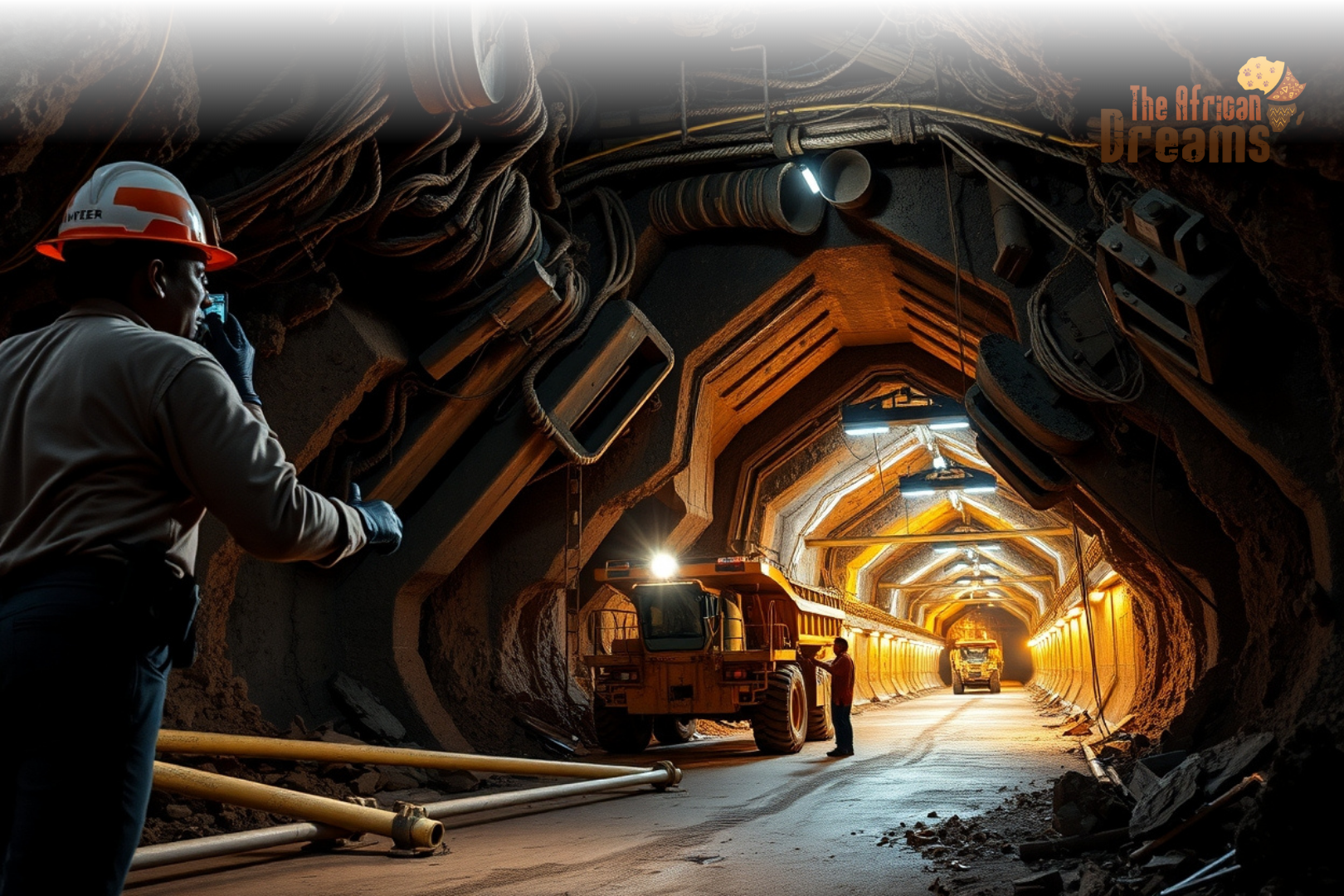
In Zimbabwe, the underground mining sector plays a very important role in getting valuable resources. It supports the economic growth of Zimbabwe and helps to create jobs. The country is rich in minerals like platinum, gold, diamond, etc, thus making Zimbabwe’s mining sector one of the country’s most important industries. Some of Zimbabwe’s largest mines are operated by major global companies. This has created a steady supply of production globally.
In this article, we explore the five biggest underground mines in Zimbabwe: Zimplats, Mimosa, 3 Main, Unki, and Mupfuti. These mines contribute significantly to the country’s economy, producing millions of tons of ore each year. The country is known for its advanced mining techniques, big production capacity, and also their plan for sustainability in the long run.
Article Highlights
This blog will discuss
- About the 5 Biggest Underground Mines in Zimbabwe.
- Zimplats Mine
- Mimosa Mine
- 3 Main Mine
- Unki Mine
- Mupfuti Mine.
2.Contribution to Zimbabwe’s economy, focusing on production, location, and economic impact
3.Investment opportunities in Zimbabwe.
Overview of the Top 5 Largest Underground Mines in Zimbabwe
1.Zimplats Mine: Zimplats is the largest underground mine in Zimbabwe. It is operated by Impala Platinum Holdings Ltd. It produced approximately 7.21 million metric tons per annum (mmtpa) of run-of-mine (ROM) material as of 2021.
The company has an investment program totaling US$1.8 billion. It focuses on developing new mines, expanding its smelter capacity, constructing an additional concentrator, and establishing a 110MW solar power plant.
2.Mimosa Mine: This is a joint venture between Impala Platinum Holdings Ltd and Sibanye-Stillwater Ltd. Mimosa Mine is located in the Midlands province. It produced about 2.53 mmtpa of ROM material in 2021. The mine primarily focuses on nickel production, with an output of approximately 3.2 thousand tonnes in the same year.
3 Main Mine: Main Mine produced around 2.41 mmtpa of ROM material in 2021. This mine is situated in Matabeleland North. The mine is operated by Mittal Steel African Investments, the Government of Zimbabwe, the National Social Security Authority, the London Register, and Messina Investments Pty Ltd. The operation is to run primarily till 2028.
4.Unki Mine: Unki Mine is owned by Anglo American Plc. It is located in the Midlands province and had an ROM production of approximately 2.18 mmtpa in 2021. The mine is projected to operate until 2042.
5.Mupfuti Mine: This is also under the ownership of Impala Platinum Holdings Ltd. Mupfuti Mine is located in Mashonaland West and produced about 2.12 mmtpa of ROM material in 2021. The mine is expected to remain operational until 2028.
5 Mining Sector’s Contribution to the Country’s Economy
1.Zimplats Mine:
Production: In the year of 2017, Zimbabwe produced 266,400 ounces of platinum. This mine is one of Zimbabwe’s largest platinum ore producers.
Employment: Zimplats uses four underground mines and an open-pit mine. It provides thousands of job opportunities in Mashonaland West.
Economic Growth: Zimplats helps Zimbabwe to grow its economy. It shows huge amounts of profit.
2.Mimosa Mine:
Production: In the year 2021, Mimosa Mines prepared 2.53 million metric tons of ROM material. The mine mainly produces nickel for global markets.
Employment: Mimosa Mines gives many job opportunities in the Midlands of Zimbabwe.
Location: The Mimosa mine is located in the Zvishavane District of Midlands Province.
3 Main Mine:
Production: In 2021, 3 Main produced 2.41 million metric tons of ROM material. It is an important contributor to Zimbabwe’s mineral extraction industry.
Employment: The mine provides local jobs in Matabeleland North. It also creates opportunities through skills training.
Economic Impact: The 3 Main Mine contributes to Zimbabwe’s national economy. It generates tax revenue and supports local businesses.
4.Unki Mine:
Production: In 2021, Unki extracted 2.18 million metric tons of ROM material.
Employment: Unki provides job opportunities in the Midlands and supports local communities by improving infrastructure, healthcare, and education. Its sustainable practices play a key role in driving economic growth in the region.
Location: The Unki mine is located in the central part of Zimbabwe in Shurugwi, Midlands Province.
5. Mupfuti Mine:
Production: Mupfuti Mine is part of Zimplats’ operations. It enhances the company’s overall production capacity.
Employment: Mupfuti supports jobs within Zimplats’ workforce. It also creates employment in related industries such as equipment maintenance and logistics.
Economic Impact: Mupfuti strengthens Zimplats’ economic contributions. The mine generates revenue, tax payments, and export earnings.
Investment Opportunities in Zimbabwe’s Mining Sector
Zimbabwe’s underground mining sector offers many investment opportunities for investors, mainly in platinum, gold, and nickel. With the support of the government, investors have many areas to invest in.
- Development and Growth: Big underground mining operations such as Zimplats, Mimosa, 3 Main, Unki, and Mupfuti are working to enhance the amount of production. Investing in infrastructure can really improve efficiency and mineral output.
- Technological Growth: Technology also offers potential investment growth for investors. Advanced mining technologies, self-operating machines, and digital systems can play a huge role in improving safety and productivity. Giving modern drilling, ventilation, and ore-processing equipment can be a profitable investment.
- Improvement in Renewable Energy: The demand for renewable energy solutions is growing in the mining industry. Because there remains a great chance of electricity shortages.
- Value Addition and Mineral Processing: Zimbabwe is focusing on local refining, so the economy benefits. Establishing processing plants for platinum, nickel, and gold can reduce dependence on raw mineral exports and increase profitability.
- New Exploration: Unexplored mineral-rich regions can provide an opportunity to establish new underground mining operations.
Final Words
The popular five underground mines play a crucial role in Zimbabwe’s Mining industry, growing production and attracting great investment. With current developments, technological advancements, and sustainable mining practices, these mines are set to be an example for the successful economic growth of Zimbabwe.
As demand for minerals is rising globally, the expansion and modernization of these mines will strengthen the country’s position in the international mining sector. Investments in infrastructure, exploration, innovation, and sustainable practice are required to ensure long-term success. By implementing these, Zimbabwe’s underground mining industry will continue to grow, creating jobs and improving economic development for years to come.
To learn about investment opportunities and guidelines to invest in Zimbabwe, and much more, you can read Investment Opportunities and Guidelines: Your Guide to Invest in Zimbabwe





0 Comments