
Introduction: Agriculture in Libya
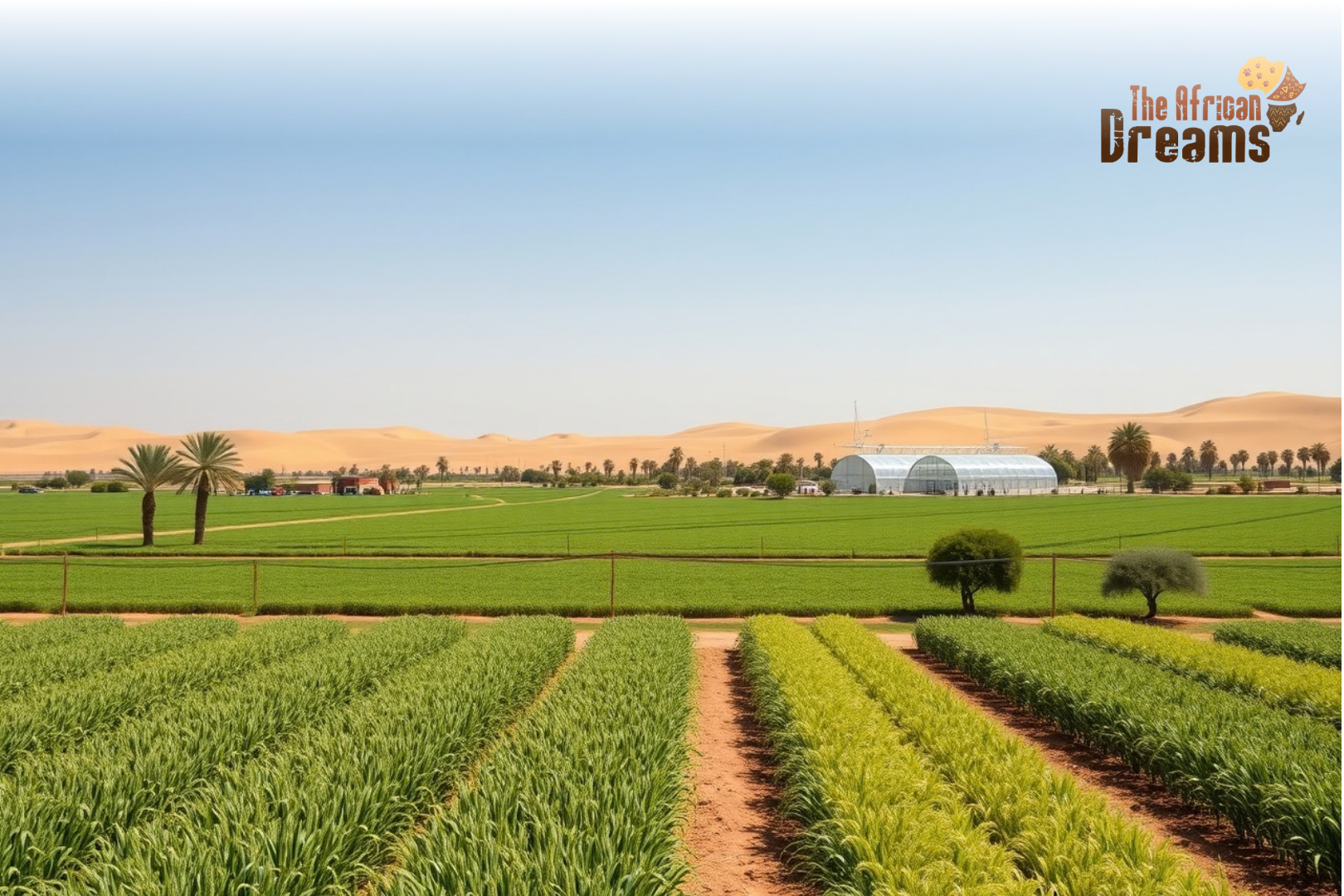
The land of Libya is mostly desert. This makes it very hard for the people of Libya to farm crops. Only about 1% of the entire land of Libya is good for farming and growing crops. Still, agriculture in Libya is a really important part of its economy. In this article, we will discuss how Libya’s agriculture sector is growing despite water shortages and very little farmland. We will also learn about major crops, irrigation methods, and discover how modern farming techniques can help Libya become more food secure.
Agriculture in Libya & Its People
The people of Libya produce food and raise animals. But Libya still needs to import crops to meet its needs. Since the country does not get much rain, farmers need to depend on irrigation systems to grow crops.
Libya experiences harsh weather but still manages to develop the farming sector. Farmers grow wheat, barley, olives, dates, and vegetables using modern irrigation techniques. People of Libya also do livestock farming. They raise sheep, goats, and camels for meat and dairy.
The government of Libya and private investors are working very hard to improve the agriculture sector of Libya. The Great Man-Made River project helps bring water to the dry areas of Libya. This allows farmers to expand their crops, as most of their land is desert. Water shortages, poor soil, and climate change are still big challenges for the farmers.
Agriculture in Libya provides jobs to the local communities of Libya and also supports the economy. Modern farming techniques will help the sector to grow much faster. If the government of Libya improves water management and invests in advanced farming technology, the farmers can produce more food. This means Libya would have to rely less on imports.
Agriculture in Libya: Major Crops and Livestock
Agriculture in Libya depends on a few important crops and livestock. Libya has very little farmland, so farmers focus on crops that can survive in dry weather. Most of the farms are in the coastal areas of Libya. Those areas have better land and climate for farming.
Main Crops Grown in Libya
1. Wheat and Barley
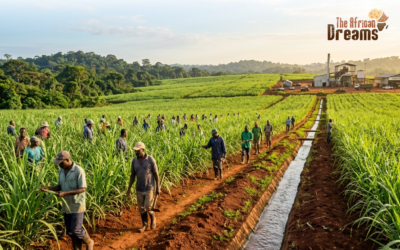
These are the most common crops in Libya. Farmers use them for making various kinds of bread and feeding animals. Since Libya has little rainfall, farmers depend on irrigation to grow these crops.
2. Olives and Olive Oil
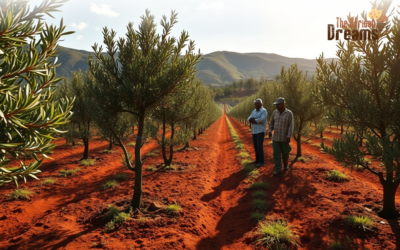
Libya has many olive farms. The farmers grow very high-quality olives. People of Libya use these olives.
3. Dates
Libya is one of the top producers of dates in Africa. Thanks to the weather and the land of Libya, Date palm trees grow really well. These trees require very little water, which is perfect for Libya. The people of Libya also consider dates a really important everyday food.
4. Fruits and Vegetables
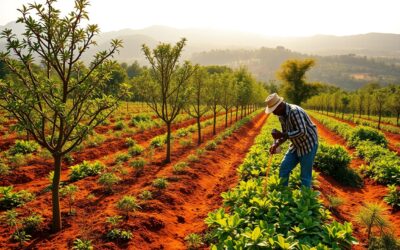
Farmers grow tomatoes, watermelons, oranges, and potatoes. These crops are grown near the coast, where there is more water and better soil.
5. Alfalfa
This crop is used as animal feed. It grows well on irrigated farms and supports livestock farming.
Livestock Farming in Libya
Raising animals is an important part of farming in Libya. Many Libyans eat meat and dairy, so farmers keep livestock for food and trade.
1. Sheep and Goats
These are the most common farm animals. Farmers raise them for meat and milk. They can live in dry areas and do not need much water.
2. Camels
Camels are useful for food and transport. People use them for milk and meat. They can survive in the desert with very little water.
3. Cattle
Some farmers raise cows for milk and beef. Cattle need more water and food, so they are kept on large farms with irrigation.
4. Poultry
Chicken farming is growing fast in Libya. Many farmers raise chickens for eggs and meat. Poultry farms help meet the demand for food in local markets of Libya.
Libya still imports a lot of food to meet its needs, but local farming is growing slowly. With better water systems and advanced farming methods, Libya can produce more crops than ever, and this would eventually lower the dependency on imports.
Climate and Farming Conditions in Libya
Libya has a hot and dry climate, which makes farming very difficult. Most of the country is desert with very little rain. Only a small part of the land is good for farming. Since rain is not enough, farmers must use irrigation to grow crops.
Impact of Climate on Agriculture
Libya’s weather is extreme. Summers are very hot, often going above 40°C (104°F). Winters are cooler, but rain is still very rare. Most of the rain falls in the coastal areas, where farmers can sometimes grow crops without irrigation. In the desert, farming is impossible without water systems.
The soil in Libya is dry and poor. It does not have enough nutrients for plants to grow well. Farmers must add fertilizers and use better soil techniques to help crops survive.
Farming Solutions in Harsh Conditions
To deal with the dry weather, Libya uses different methods to help farming.
1. Irrigation Systems: Farmers get water from deep wells and rivers to their farm fields. This helps crops survive the dry climate of Libya.
2. Greenhouse Farming: Some farmers rely on greenhouse farming. This protects plants from the heat and helps them grow faster.
3. Drought-Resistant Crops: Farmers choose crops that need less water, like barley, olives, and dates. These crops grow well in dry land.
4. Soil Improvement: Farmers use fertilizers and better planting methods to make the soil richer.
Farming is very challenging in Libya. But new techniques and better water systems are helping the farmers to grow more crops. If the government of Libya invests more in water management and modern farming, agriculture in Libya will become stronger.
Irrigation and Water Management in Libya
Libya sees very little rain, and because of this, the farmers depend on irrigation to grow crops. Without water systems, farming would not be possible in most of the parts of Libya. The government of Libya has built large projects to solve the water shortage.
The Great Man-Made River Project
One of the largest water projects in the world is the Great Man-Made River (GMMR). This project moves water from underground reserves in the desert to coastal areas and farms. Water travels through thousands of kilometers of pipes to reach fields and homes.
The GMMR provides around 70% of Libya’s fresh water. Many farms depend on this water for irrigation. Without it, Libya’s food production would be much lower. However, maintaining the system is costly, and any damage to the pipes causes serious water shortages.
Other Irrigation Methods
Besides the GMMR, farmers use various irrigation systems to water crops.
1. Drip Irrigation: This system delivers water slowly to plant roots. It prevents water waste and helps plants grow better.
2. Pivot Irrigation: Large sprinklers move in circles, watering big fields. Farmers use this for wheat, barley, and other grains.
3. Underground Wells: Some farmers dig deep wells to bring water from underground. But too much well use can lower the water supply over time.
Even with these irrigation methods, agriculture in Libya faces water problems. The country uses more water than it can replace. This leads to water shortages. The desert makes it hard to find new water sources.
To protect agriculture in Libya, it needs better water management. Farmers must use water wisely and reduce waste. Investing in modern irrigation can help Libya produce more food while saving water.
Final Words: Developing Agriculture in Libya
Agriculture in Libya is very important for its economy. But farmers in Libya face many challenges. Libya has very little farmland and sees very little rain. This makes farming extremely difficult. But with modern irrigation and better technology, farming is getting easier for the people of Libya. This way, Libya can produce more food and reduce the need to import food.
Some of the companies, like Green Paradise and AlSahi Group, have proved that investing in farming can secure a very healthy financial return. They taught the farmers new techniques. These techniques helped the farmers save a lot of water, and they also helped produce more crops. This also created jobs and improved the economy of Libya.
The future of agriculture in Libya depends on better farming methods and smart investments. If the country focuses on water management and advanced farming, it can become more food secure. Investors who support agriculture in Libya will earn good profits while helping Libya grow.
0 Comments