

Sudan's Agricultural Heritage and Investment Potential
Sudan, often called the breadbasket of Africa, boasts a rich agricultural history that supports its economy. According to the World Bank, agriculture contributes nearly 30% of Sudan’s GDP and employs over 60% of its population. Its vast arable land and proximity to key export markets make Sudan an attractive destination for agricultural investments. Recent reforms and international partnerships have rejuvenated the sector, presenting lucrative opportunities for investors.
A Land of Fertile Opportunities
Sudan’s strategic location at the crossroads of the Middle East and Africa offers access to booming markets. The country’s fertile lands, covering more than 70 million hectares, remain largely underutilized, creating immense potential for agricultural expansion. With soil types ranging from clay in the Gezira region to sandy loams in Kordofan, Sudan offers varied possibilities for crop production.
Why Invest in Sudan's Agriculture Now?
Sudan’s government has introduced policies encouraging foreign direct investment (FDI), including tax exemptions and land lease agreements. Global demand for staples like sorghum and sesame, two of Sudan’s primary exports, is rising, making this the perfect time to invest. According to the African Development Bank, foreign investments in Sudan’s agriculture have grown by 12% annually since 2018.
Historical Overview of Sudanese Agriculture
From Ancient Practices to Modern Endeavours
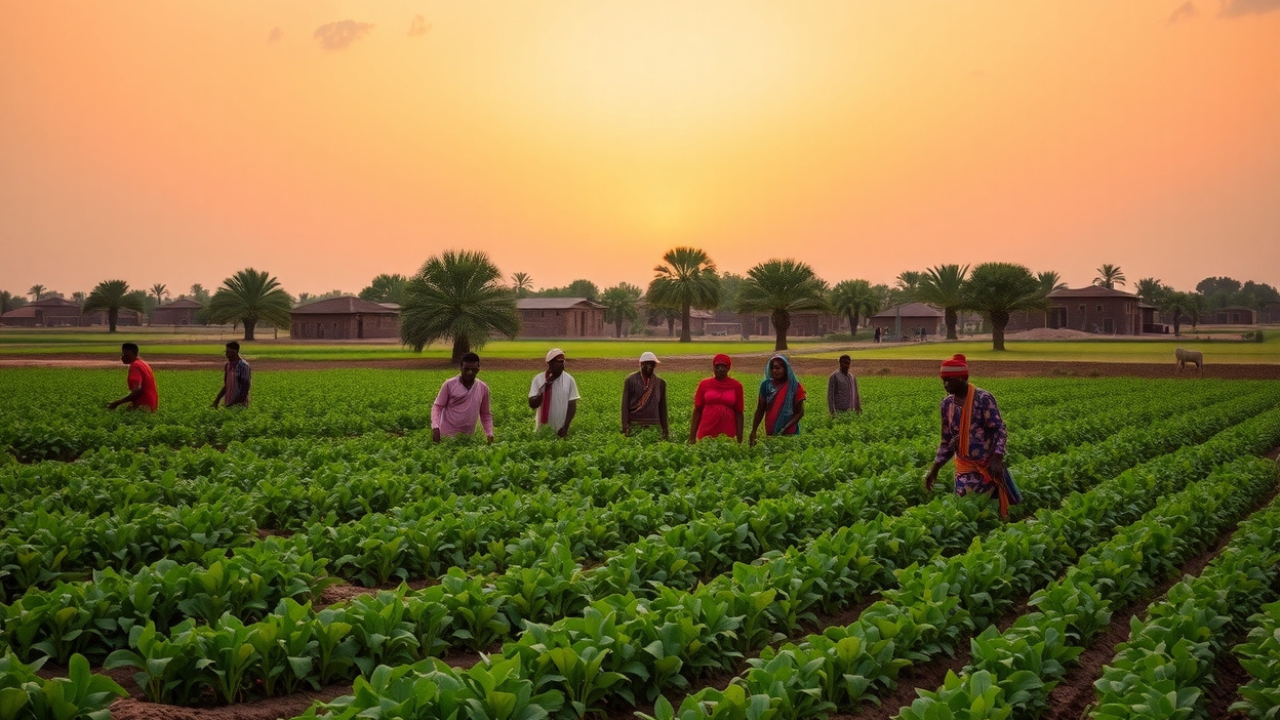
Sudan’s agricultural legacy dates back thousands of years to the Nile Valley civilizations. The fertile floodplains of the Nile supported early crop cultivation and livestock rearing. Traditional practices, such as rain-fed farming and smallholder systems, dominated the sector until the mid-20th century. Archaeological findings suggest that sorghum, one of Sudan’s key crops today, was cultivated as early as 3,000 BCE.
Key Historical Milestones
The introduction of mechanized farming in the 1950s marked a turning point. Large-scale projects like the Gezira Scheme, one of the world’s largest irrigation systems, revolutionized cotton production. Covering 2.1 million acres, the Gezira Scheme remains a cornerstone of agricultural output. Despite challenges during political instability, agriculture remained a cornerstone of Sudan’s economy, especially during the oil embargo years, when agricultural exports sustained foreign exchange reserves.
Current Agricultural Landscape
Major Crops and Production Statistics
Sudan’s diverse agro-climatic zones enable the cultivation of various crops. Sorghum, a staple food, accounts for 5 million metric tons annually, as reported by the Food and Agriculture Organization (FAO).
Sesame, another key crop, reached an export value of $350 million in 2022, driven by demand from China and the Middle East. Sudan is also a significant producer of groundnuts, with annual yields of 1.8 million metric tons, ranking among the top five global producers.
Livestock and Fisheries
Livestock farming is equally significant, with over 110 million heads of cattle, sheep, and goats. Exporting live animals and meat contributes substantially to foreign exchange earnings. In 2021, livestock exports reached $960 million, accounting for nearly 20% of total exports, according to Sudan’s Ministry of Agriculture.
Additionally, the Red Sea coast offers untapped potential in fisheries, with annual yields of 50,000 metric tons. The government’s Blue Economy strategy aims to enhance aquaculture production by 40% by 2030.
Investment Opportunities in Sudan's Agriculture
Arable Land and Water Resources
Sudan’s vast arable land, only 20% of which is currently cultivated, provides unmatched opportunities for expansion. The Nile River and seasonal rains ensure sufficient water resources. Projects like the Upper Atbara and Setit Dam Complex aim to improve irrigation and productivity. This dam alone has added 1.5 million hectares of irrigated land to the country’s agricultural base.
Government Incentives and Policies
Sudan’s government offers generous incentives to attract investors. These include tax holidays for up to 10 years, exemptions on imported agricultural machinery, and streamlined land lease agreements. The Investment Encouragement Act ensures legal protections for foreign investors. Sudan’s recent partnership with the World Bank has further improved regulatory frameworks, easing the entry process for international firms.
Emerging Markets and Export Potential
Sudan is a leading exporter of gum arabic, supplying 80% of the global demand. Rising international interest in organic and sustainable products enhances the appeal of Sudanese sesame, hibiscus, and groundnuts.
Opportunities also exist in value-added processing to increase profit margins. For instance, processed sesame oil commands 25% higher prices than raw exports. Furthermore, Sudan’s proximity to Gulf nations ensures a ready market for fresh produce and meat products.
Challenges and Considerations for Investors
Infrastructure and Logistics
While Sudan’s agricultural potential is vast, infrastructure remains a bottleneck. According to the FAO, poor road networks and inadequate storage facilities often lead to post-harvest losses exceeding 30%. However, ongoing projects, including rehabilitating the Port Sudan transport corridor, aim to modernize transportation and cold storage systems. These upgrades are expected to reduce losses by 15% within five years.
Regulatory Environment
Sudan’s regulatory framework has improved but requires careful navigation. While investor-friendly, land ownership laws can vary by region. Partnerships with local stakeholders are crucial for smooth operations. For example, joint ventures with Sudanese cooperatives have successfully mitigated bureaucratic hurdles and ensured community buy-in.
Socio-Political Factors
Political stability remains a concern, with periodic conflicts disrupting agricultural activities. However, recent peace agreements and international support signal positive changes. Investors should assess risks and prioritize projects in stable regions. The ongoing United Nations Development Programme (UNDP) initiatives aim to stabilize rural communities, which is expected to create a more conducive investment environment.
Conclusion: The Future of Agricultural Investment in Sudan
A Promising Horizon
Sudan’s agricultural sector is poised for growth, offering investors a unique opportunity to tap into a high-potential market. The country’s fertile land, government incentives, and rising global demand make it a compelling destination. If current trends continue, experts predict a 7% annual growth in agricultural exports by 2030.
Final Thoughts for Prospective Investors
Despite challenges, Sudan’s agriculture holds immense promise. With strategic planning, partnerships, and a focus on sustainable practices, investors can achieve substantial returns while contributing to Sudan’s economic development. By leveraging the country’s natural resources and aligning with government initiatives, Sudan can become a beacon for agricultural innovation in Africa.

0 Comments